

♥ Wishlist
Compare 54 Refrigerator Filters for Fresh Water, Ice and Cleaner Fridge Air products in Canada. Reviews, ratings, pros, cons and buying advice updated for October 2026.


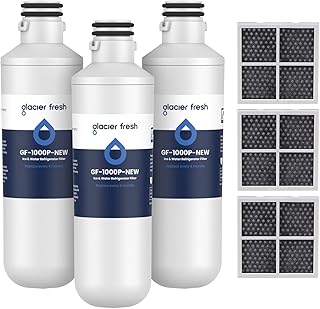


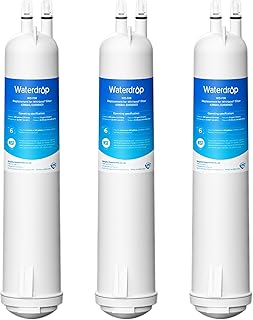


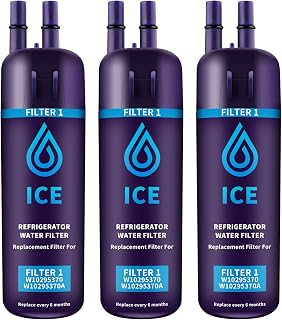


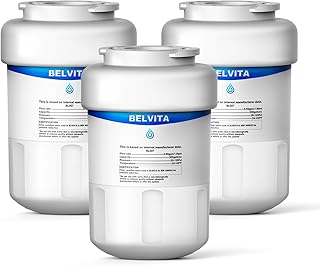


Choosing a refrigerator filter is more complicated than simply selecting the cheapest replacement cartridge. The correct filter must match the refrigerator model or filter system, fit securely, meet the manufacturer's specifications, and suit the household's water source. For Canadian shoppers, factors such as municipal water, private well water, seasonal changes in water quality, replacement frequency, filter capacity, and cartridge availability can all affect the buying decision.
This guide expands the comparison criteria for the best smart-buy refrigerator filter options in Canada. Instead of judging a cartridge by its packaging alone, compare compatibility, certification information, filtration technology, capacity, installation method, replacement interval, manufacturer guidance, and the total cost of ownership.
A smart buy is not necessarily the lowest-priced refrigerator filter. A better value usually comes from finding the right balance between compatibility, filtration performance, replacement convenience, expected service life, and purchase cost.
A refrigerator filter can be inexpensive but still represent poor value if it does not fit properly, requires frequent replacement, or lacks appropriate documentation for the claims being made. Conversely, a higher-priced cartridge may make sense when it is specifically designed for the refrigerator and provides the filtration characteristics the household actually needs.
The most important buying consideration is compatibility. Refrigerator filters are not universal, even when cartridges look similar. Two filters may have comparable dimensions while using different connection systems or being designed for different internal filter housings.
Before purchasing, identify the refrigerator's exact model number. Depending on the appliance, the model information may be printed inside the refrigerator compartment, on a manufacturer's label, behind a drawer, or in the owner's documentation. The existing cartridge may also have a filter number printed on its housing or label.
Searching only for a refrigerator brand is often insufficient. A Samsung refrigerator, for example, can use different filter cartridges across different models. The same principle applies to LG, Whirlpool, GE, Frigidaire, and other manufacturers.
When comparing replacement filters, use the refrigerator model number and the original cartridge designation whenever possible. Then verify that the replacement product specifically identifies the same compatible system.
Common refrigerator filter designs include push-in cartridges, twist-in cartridges, and systems that connect through an external or inline housing. The installation mechanism must correspond to the refrigerator's filter compartment.
Do not force a cartridge into place simply because its shape appears similar. An incorrectly matched filter can be difficult to install, may not seal correctly, or may fail to operate as intended.
Canadian shoppers generally encounter two broad categories: original manufacturer filters and compatible replacement cartridges made for a particular refrigerator filter system.
Original filters are designed for the manufacturer's specified refrigerator system. Brands such as Samsung, LG, Whirlpool, GE, and Frigidaire offer filter products for various refrigerator models.
The main advantage of an original replacement is straightforward model-system matching when the correct cartridge is selected. However, shoppers should still check the exact part number because a manufacturer's filters are not interchangeable across every refrigerator.
Third-party manufacturers such as Waterdrop and ICEPURE produce replacement filters for various refrigerator systems. Other filtration brands may also offer compatible cartridges for particular appliance models.
Compatibility should be verified at the individual product level. A statement that a cartridge is compatible with a particular refrigerator brand does not automatically mean that it fits every model from that brand.
Most refrigerator water filters use some form of filtration media designed to reduce specified contaminants. Activated carbon is commonly used in water filtration because of its adsorption properties, while some cartridges combine different media or filtration stages.
The important question is not simply whether a filter contains carbon. Examine what the particular cartridge is designed to reduce, under what conditions, and according to which manufacturer's documentation or certification information.
Activated carbon can be used to improve taste and odour characteristics and may reduce certain substances depending on the filter design. Performance varies considerably between cartridges, so shoppers should review the specific reduction claims for each model.
Some refrigerator cartridges use multiple filtration stages or different types of media. These systems may be designed to address a broader range of water-quality considerations than a basic cartridge.
Do not assume that more stages automatically mean better filtration. Compare the actual specifications and verified claims instead of using the number of stages as the primary purchasing criterion.
Certification information can help shoppers distinguish documented filtration claims from general advertising language. When evaluating a refrigerator filter, look for relevant certification details and verify what the certification actually covers.
NSF/ANSI standards are commonly referenced in drinking-water filtration. Different standards address different aspects of water-treatment products, so the presence of a certification reference should not be interpreted as proof that a cartridge removes every possible contaminant.
Pay particular attention to the exact claims associated with a certification. A filter may be evaluated for particular substances or performance characteristics rather than for every substance found in water.
The appropriate refrigerator filter can depend on the household's water source. Most homes connected to municipal systems receive treated drinking water, but water characteristics can still vary by location, building plumbing, and local conditions.
Private well owners have a different consideration because the quality of well water can vary substantially. A refrigerator cartridge is not a substitute for appropriate well-water testing or a whole-house treatment system when broader water-quality problems exist.
For households using municipal water, a refrigerator filter may primarily be selected for taste, odour, and the specific reduction claims documented by the manufacturer. Review local water information when deciding which filtration characteristics matter most.
Well owners should consider recent water testing before choosing a filtration solution. If testing identifies bacteria, elevated minerals, metals, or other concerns, a refrigerator filter may not be designed to address the underlying issue.
Whole-house filtration, water softening, ultraviolet treatment, or other treatment approaches may be relevant depending on the test results. Those systems serve a different purpose from a refrigerator cartridge.
Filter capacity indicates the approximate volume of water a cartridge is designed to process under specified conditions. Some manufacturers state capacity in gallons, while Canadian shoppers may find litres easier to understand.
Capacity should not be treated as a guarantee that every household will receive exactly the same service life. Actual usage depends on drinking habits, cooking, ice production, household size, and the manufacturer's replacement guidance.
A refrigerator filter should generally be replaced according to the manufacturer's stated interval, capacity, or filter-monitoring instructions. Even if water consumption is relatively low, a cartridge should not simply be left in service indefinitely.
When installing a new cartridge, record the installation date. This simple habit makes it easier to track replacements and compare actual household usage with the manufacturer's recommended interval.
The most obvious indicator is the refrigerator's filter-change notification when the appliance provides one. Other changes may also prompt a replacement according to the manufacturer's instructions.
Reduced water flow should not automatically be blamed on the filter. A blocked dispenser, water line problem, incorrect installation, or refrigerator fault can create similar symptoms.
Flow rate is an important practical consideration for households that frequently use the refrigerator dispenser. A filter can be technically compatible but still deliver an unsatisfactory experience if the cartridge is restricted or nearing the end of its service life.
Compare the manufacturer's stated flow information when it is provided. Also consider that flow can depend on refrigerator design, water pressure, cartridge condition, and other components of the appliance.
One of the reasons consumers use refrigerator filters is to improve the taste or smell of drinking water. Activated-carbon filtration can play a role in reducing certain taste- and odour-related substances, but results depend on the specific cartridge and water conditions.
If the household experiences a sudden or significant change in drinking-water taste, a refrigerator filter should not automatically be assumed to be the only solution. Investigating the source of the change can be more useful than repeatedly replacing cartridges.
A specification-first comparison can make a large selection easier to evaluate. Instead of comparing packaging claims, review the same criteria for every cartridge.
Brand recognition can be useful when beginning a comparison, but it should not replace checking the individual cartridge specifications. The following names are commonly encountered when researching refrigerator filtration products and compatible replacement cartridges.
Samsung produces refrigerators with different filter systems across its appliance range. Buyers should identify the exact refrigerator model and replacement filter designation before ordering.
LG refrigerator filters vary by appliance model. Check the model-specific replacement information and installation design rather than selecting a cartridge based only on the LG name.
Whirlpool refrigerator owners may encounter EveryDrop filtration products as part of their replacement-filter research. Compatibility should be confirmed using the refrigerator and cartridge information.
GE offers refrigerators using different filtration systems. The correct replacement depends on the specific appliance and filter configuration.
Frigidaire refrigerator filters also vary across product families. Checking the original filter identification and refrigerator model is an important part of the selection process.
Waterdrop offers replacement filtration products for various refrigerator systems. When considering a Waterdrop cartridge, compare the stated compatible models, filtration claims, capacity, certification information, and replacement guidance.
ICEPURE is another name shoppers may encounter when researching compatible refrigerator filter replacements. As with any third-party option, verify compatibility with the exact refrigerator or original filter number before purchasing.
There is no universal answer because the best choice depends on the refrigerator, budget, filtration requirements, and available documentation.
An original manufacturer cartridge may be the straightforward choice for shoppers who want to stay within the appliance manufacturer's replacement ecosystem. A compatible cartridge can be worth investigating when it provides the required fit and documented filtration specifications at an acceptable total cost.
For either option, avoid making a decision based solely on price. The relevant comparison is the complete package of compatibility, filtration claims, capacity, certification, replacement frequency, and cost.
Buying a filter simply because it carries the same brand name as the refrigerator can lead to an incorrect selection. Always verify the appliance model and filter designation.
The cheapest cartridge is not automatically the best value. A lower purchase price may be less attractive if the product has unsuitable specifications or requires more frequent replacement.
Marketing descriptions can contain broad statements about filtration. Check the actual certification information and the specific reduction claims rather than assuming that every listed contaminant is covered.
Carbon media can differ in design, quantity, construction, and intended application. Compare the individual product specifications instead of treating all carbon cartridges as equivalent.
The filter number printed on the existing cartridge can provide an important compatibility clue. Record it before discarding the old cartridge.
A filter should fit according to the refrigerator's intended installation method. Do not modify or force a cartridge simply to make it fit.
Purchase price is only one part of the cost. A useful comparison considers how many cartridges the household is likely to use over a year.
For example, compare the cost of a single cartridge with the equivalent cost per cartridge in a multipack. Then consider the manufacturer's stated replacement interval and capacity. This gives a more meaningful view of long-term value than comparing package prices alone.
Multipacks can be convenient for households that already know which cartridge fits their refrigerator. Keeping a replacement available can reduce the chance of continuing to use a cartridge beyond its recommended service period.
However, avoid purchasing a large quantity solely because the price per cartridge appears lower. Confirm that the filters are correct for the appliance and that the cartridges can be stored according to the manufacturer's instructions.
Installation procedures differ by refrigerator model, so the appliance manufacturer's instructions should take priority. Before installation, check the cartridge, filter compartment, seals, and connection points for visible damage.
New filter cartridges may require flushing before normal drinking-water use. The required amount can vary by product and refrigerator system. Flushing can help prepare the cartridge and remove material specified by the manufacturer's installation instructions.
Do not rely on a generic flushing volume when the cartridge documentation provides a specific procedure. Follow the instructions supplied for the particular filter.
Regular filter replacement is only one part of good refrigerator maintenance. Keep the filter compartment clean and inspect the area when changing cartridges. If a leak appears after installation, check that the cartridge is correctly seated and that the relevant seals and connections are intact.
For refrigerators connected to a water dispenser and ice maker, maintaining the appliance according to the manufacturer's instructions is important because the filter is only one component of the water-delivery system.
A refrigerator filter is designed for the water entering the appliance and should not automatically be considered a complete household water-treatment system.
It may not address every water-quality issue. For households with concerns about bacteria, high mineral content, unusual odours, metals, or other contaminants, the appropriate response depends on the source and test results. In such circumstances, professional assessment or a suitable whole-house treatment system may be more appropriate.
Before purchasing any refrigerator filter in Canada, work through this checklist:
Customer reviews can provide useful information, but they should be interpreted carefully. The most valuable reviews for refrigerator filters are usually those that identify the refrigerator model, cartridge number, installation experience, water flow, leakage, taste, and long-term use.
Be cautious when a review does not identify the compatible appliance or filter number. A cartridge may work perfectly for one refrigerator while being unsuitable for another.
Look for recurring patterns rather than relying on one extremely positive or negative comment. Verified purchase indicators and recent reviews can also help provide additional context, although neither replaces the manufacturer's specifications.
When reviewing a top-10 selection, avoid treating the ranking as universal. Different refrigerators require different cartridges, so the most suitable option for one household may not fit another appliance.
A practical comparison should begin by eliminating incompatible products. After that, compare filtration claims, certification information, capacity, installation, replacement interval, pack size, and overall cost.
Prioritize a cartridge specifically identified for the refrigerator model or original filter designation. This approach can simplify compatibility verification.
Compare the cost per cartridge with capacity and replacement requirements. A lower price per cartridge does not automatically mean lower annual cost.
Start with the substances you want the filter to reduce, then compare documented claims. Avoid selecting a cartridge based on vague phrases such as advanced filtration without checking the actual specifications.
Consider installation, replacement reminders, cartridge availability, and whether a suitable multipack can be purchased when needed.
The best refrigerator filter depends on the appliance model, filtration requirements, budget, and replacement preferences. Start with compatibility, then compare documented specifications and certification information.
No. Refrigerator filters are not universally interchangeable. Different appliances can use different cartridge shapes, connection systems, filter numbers, and specifications.
Follow the replacement interval or capacity specified by the refrigerator or filter manufacturer. Actual replacement timing can depend on water consumption and the appliance's filter-monitoring system.
They can be worth considering when the cartridge is correctly compatible and provides suitable, documented filtration specifications. Compare the exact product rather than judging all third-party filters as one category.
No. Price alone does not establish filtration performance or compatibility. A suitable filter should meet the refrigerator's requirements and provide the filtration characteristics the household needs.
No refrigerator filter should be assumed to remove every contaminant. Check the specific manufacturer's claims and applicable certification information for the cartridge being considered.
A refrigerator filter should not automatically be treated as a complete solution for private well water. Well owners should use appropriate water testing and select treatment based on the actual water-quality results.
A restricted or overdue cartridge can affect flow, but other causes are possible. Check the cartridge installation, filter condition, water supply, dispenser, and refrigerator instructions before assuming the filter is the only cause.
A multipack can be convenient when the cartridge is confirmed to be compatible and you expect to use the replacements within the manufacturer's recommended storage conditions. Compare the actual cost per cartridge before deciding.
Use the refrigerator's exact model number and compare it with the replacement filter's compatibility information. The part number on the existing cartridge can provide an additional verification point.
The smartest way to compare refrigerator filters in Canada is to treat compatibility as the first screening criterion rather than the final check. Once incompatible cartridges are removed from consideration, evaluate filtration claims, certification information, capacity, replacement interval, installation method, customer feedback, and long-term cost.
Brands including Samsung, LG, Whirlpool, EveryDrop, GE, Frigidaire, Waterdrop, and ICEPURE may appear during a refrigerator-filter search, but the brand name alone does not determine whether a cartridge is right for a particular appliance. Always verify the exact model and filter designation.
For an August 2026 buying decision, check the latest product specifications, current Canadian availability, verified customer reviews, and today's pricing before purchasing. Product listings and availability can change, so the most useful comparison is the one based on the exact cartridge currently being considered.
A well-matched refrigerator filter should fit the appliance correctly, provide the filtration characteristics appropriate to your needs, and be replaced according to the manufacturer's guidance. Taking a few minutes to verify these details can prevent the most common refrigerator-filter purchasing mistakes and make the comparison process considerably more reliable.