

♥ Wishlist
Compare 63 Ranges for Canadian Homes: Explore Cooking & Kitchen Options products in Canada. Reviews, ratings, pros, cons and buying advice updated for October 2026.
















Choosing a range is a significant kitchen purchase, particularly when the appliance needs to handle everyday family cooking, baking, roasting and larger meals. The best smart buy is not necessarily the model with the longest feature list. A better choice balances cooking performance, oven capacity, controls, energy use, installation requirements, cleaning convenience and long-term practicality.
For Canadian shoppers, the comparison should also account for the home's electrical or gas setup, available kitchen space and local installation requirements. A range that looks attractive on a product page may not be suitable if its fuel type, electrical configuration, dimensions or ventilation requirements do not match the kitchen.
A smart-buy range delivers useful functionality without making you pay for features you are unlikely to use. The right model should fit the way you actually cook rather than simply offering the most impressive specifications.
Fuel type is one of the most important decisions when comparing ranges. Each configuration has advantages, limitations and installation considerations.
Gas ranges are popular with cooks who prefer visible flames and highly responsive heat adjustment. The flame makes it easy to see changes in heat output, while many users appreciate the direct relationship between burner setting and cooking temperature.
Before choosing a gas model, confirm that the kitchen has the appropriate gas connection and that installation can be completed safely by a qualified professional where required. Gas ranges also require consideration of ventilation and local installation requirements.
Electric ranges use electrical heating elements and are available in several configurations. They can be a practical option for homes without a gas connection. Smooth-top electric models can also provide a relatively clean-looking cooking surface.
When comparing electric ranges, examine the element sizes and positions carefully. A cooktop with several elements may still be inconvenient if large cookware cannot be positioned comfortably or if two large pans compete for space.
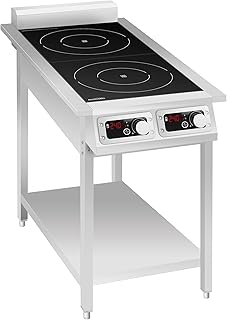
Induction cooking uses electromagnetic energy to heat compatible cookware. It is particularly attractive to shoppers who want fast, responsive surface cooking with a smooth cooking area.
Cookware compatibility is essential. Cast iron, stainless steel and other cookware may work depending on their magnetic properties and construction. A simple magnet test can help determine whether existing cookware is induction compatible, although the manufacturer's compatibility guidance should take priority.
Induction ranges can also require substantial electrical capacity. Check the appliance specifications and the home's electrical configuration before purchasing.
Dual-fuel ranges combine different fuel technologies, commonly a gas cooking surface with an electric oven. This arrangement can appeal to shoppers who prefer gas burner control while wanting the characteristics of an electric oven.
However, dual-fuel models can have more demanding installation requirements. Always verify the required connections, dimensions and electrical specifications before ordering.
Dimensions should be checked before comparing prices or features. Standard-looking ranges can still differ in exact width, depth, height and required clearances.
Measure the existing range opening rather than relying on an assumed standard dimension. Check width at several points, along with depth and height. Uneven cabinetry, countertops, walls and flooring can affect installation.
Oven capacity is often described in litres, but capacity alone does not tell the entire story. Interior shape, rack positions and usable cooking area can be equally important.
A smaller oven may suit an individual, couple or household that primarily prepares simple meals. Families that regularly cook large roasts, multiple trays or holiday meals may benefit from greater capacity.
Also examine the number and arrangement of rack positions. A tall oven cavity can be more useful than a slightly larger cavity with an inconvenient internal layout.
A range can advertise several burners or heating elements, but their placement determines how useful they are in practice. Consider whether you can use your most frequently used cookware simultaneously.
Large pots may require a powerful front burner or element. Smaller saucepans can benefit from appropriately sized rear positions. Shoppers should compare the actual diameter and power specifications rather than assuming that every burner is equally capable.
For gas ranges, compare burner output and layout. For electric and induction ranges, examine the element ratings and sizes. Remember that maximum output does not automatically mean better cooking performance. Heat distribution, control response and cookware compatibility also matter.
Convection systems circulate heated air inside the oven. This can help promote more even cooking and can be useful for baking or cooking multiple dishes, depending on the recipe and oven design.
When comparing convection ranges, look beyond the word “convection.” Check how the manufacturer describes the system, whether a fan is used continuously or according to selected modes, and which cooking settings support convection operation.
Smart ranges can provide connected controls, notifications, remote monitoring and integration with compatible smart-home platforms. These functions can be convenient, but they should not automatically determine the purchase.
Consider whether you would actually use remote notifications, cooking alerts or app-based monitoring. A range with fewer connected functions but better core cooking performance may be the smarter purchase for many households.
For connected appliances, check compatibility with your smartphone operating system and preferred smart-home ecosystem. Also review the manufacturer's requirements for Wi-Fi connectivity, account registration and app support.
Controls are easy to overlook when comparing specifications. Yet they are used every time the appliance is operated.
Compare knobs, touch controls and digital interfaces. Knobs can offer immediate physical feedback, while touch interfaces can provide advanced programming options. Some shoppers may prefer a combination of physical controls and a digital display.
Look at the visibility of markings, display readability and control placement. If the range will be used by several members of a household, intuitive controls can be more valuable than complicated programming features.
The exterior finish influences both appearance and maintenance. Stainless steel remains a common choice because it can complement many kitchen styles, while other finishes may offer different cleaning characteristics.
Inspect the construction details that affect everyday use. Door movement should feel controlled, rack systems should be practical, and cooktop surfaces should be suitable for the type of cookware you use.
For cooktops, consider how easily spills can be cleaned. For gas models, removable grates and burner components can make routine maintenance easier. For smooth electric and induction surfaces, cookware should be handled carefully to reduce the risk of scratches or damage.
Cooking performance is only part of the ownership experience. A range that is difficult to clean can become frustrating after frequent use.
Clean spills according to the manufacturer's instructions and use products appropriate for the surface material. Smooth cooktops should be protected from abrasive materials and unsuitable cleaners. Gas burners and grates may require more individual cleaning because food residue can collect around separate components.
Check whether the model has a self-cleaning cycle, steam-assisted cleaning function or a conventional manual-cleaning design. Self-cleaning functions can reduce manual scrubbing, but they do not eliminate the need for routine care.
Do not assume that every removable component is dishwasher safe. Always follow the appliance manufacturer's care instructions.
The purchase price is only one part of the cost of owning a range. Energy consumption depends on the appliance, cooking habits, household energy rates and how frequently the oven and cooktop are used.
Compare official energy information where available and consider how the appliance will be used. A highly featured model may not provide meaningful value if you rarely use its additional functions.
For Canadian shoppers, the operating cost can vary depending on the home's electricity or natural gas rates. Looking at efficiency alongside expected usage provides a more useful comparison than focusing solely on the initial price.
Safety should be evaluated before convenience features. The exact features vary by range type and model, so check the manufacturer's specifications.
Installation and safety requirements should always be followed according to the appliance documentation and applicable Canadian requirements.
Brand selection can help narrow a large number of products, but the brand name should not replace model-level comparison. Established manufacturers such as GE, LG, Samsung, Whirlpool, Frigidaire, Bosch, KitchenAid, Maytag, Electrolux and Café offer different combinations of range types, features and price levels.
Availability, model specifications and support can differ between Canada and other markets. Always confirm that the exact model number is intended for the Canadian market before making a purchase.
When comparing two or more models, use the same criteria for each. Looking at specifications in isolation can make an expensive feature appear more valuable than it actually is.
One of the simplest mistakes is choosing a model before confirming the available space. Even a small dimensional difference can complicate installation.
Maximum burner output can be useful, but it does not necessarily improve every cooking task. Consider the entire burner layout and how you normally prepare food.
Electric, induction and dual-fuel ranges can have specific electrical requirements. Confirm the home's existing setup before purchasing.
Connectivity can improve convenience, but it does not replace good heating performance, suitable capacity and dependable controls.
The cheapest range is not always the best value. Consider useful features, energy consumption, maintenance, installation requirements and expected longevity.
This is especially important with induction ranges. Check whether existing pots and pans are compatible before committing to an induction cooking system.
Prioritise exact dimensions, practical storage and a cooktop layout that makes efficient use of limited space. Avoid paying for oversized capacity that will rarely be used.
Look for sufficient oven capacity, flexible rack positions and a cooktop that allows multiple pots and pans to operate simultaneously. Easy cleaning can also become more valuable with frequent cooking.
Temperature consistency, convection performance, rack flexibility and oven capacity should receive greater attention. A clear temperature display and useful baking modes may also improve convenience.
Consider a spacious oven, flexible cooktop arrangement and strong large-pan capability. Extra cooking capacity can be more useful than connected features that are rarely used.
Compare energy information, cooking habits and local utility costs. Induction may be attractive for shoppers who prioritise efficient surface cooking, but electrical requirements and cookware compatibility must be considered.
A discount does not automatically make a range a good deal. A better approach is to establish the specifications you need first and then compare eligible models.
When reviewing a deal, check the exact model number, included accessories, dimensions, fuel type and current manufacturer specifications. Also verify whether the advertised price applies to the Canadian market and whether installation or other required services are separate costs.
Prices and availability can change throughout the year. Before purchasing, compare today's price across reputable retailers and read recent verified customer feedback alongside the manufacturer's specifications.
Use this checklist when narrowing the top range options for your kitchen:
There is no single best range type for every Canadian household. Gas, electric, induction and dual-fuel models suit different kitchens and cooking preferences. The best choice depends on the available connections, installation requirements, cookware, cooking habits and budget.
Induction ranges are worth considering if you value responsive surface cooking, a smooth cooktop and compatible cookware. Before buying, verify cookware compatibility and the electrical requirements of the specific model.
Not necessarily. Additional capacity is useful when you regularly cook large meals, but a larger oven can be unnecessary for households with modest cooking requirements. Compare internal layout and rack flexibility as well as stated capacity.
Start with the existing opening dimensions and determine whether the kitchen uses gas or electricity. Then verify the new model's connection requirements, clearances, ventilation considerations and installation instructions.
Connected features generally depend on network connectivity and may require a compatible app or account. Features vary by model, so check the manufacturer's requirements before purchasing.
Not necessarily. A higher price can reflect additional features, design, materials or cooking capabilities, but the best value depends on whether those characteristics match your requirements. Compare exact models rather than relying only on brand reputation.
Routine cleaning should be based on usage and the manufacturer's care instructions. Spills and food residue are generally easier to address promptly than after repeated cooking cycles.
Yes. Verified customer reviews can reveal practical aspects that specifications may not fully describe. However, reviews should be considered alongside official specifications, installation requirements and the exact model number.
The smartest way to choose among the best range deals in Canada is to start with practical requirements rather than promotional features. Establish the correct dimensions and fuel type first. Then compare cooking performance, oven capacity, controls, cleaning, energy considerations, safety features and useful technology.
Once the essential requirements are clear, compare the shortlisted models using the same specifications. Check current Canadian pricing, verify the exact model number and review verified customer feedback before making a final decision.
A genuinely smart buy should fit the kitchen, suit the household's cooking habits and provide useful features without unnecessary complexity. Whether the right choice is gas, electric, induction or dual fuel, careful specification-by-specification comparison is the most reliable way to find a range that offers strong long-term value.