

♥ Wishlist
Compare 61 Refrigerators for Canadian Homes, Apartments & Small Spaces products in Canada. Reviews, ratings, pros, cons and buying advice updated for October 2026.


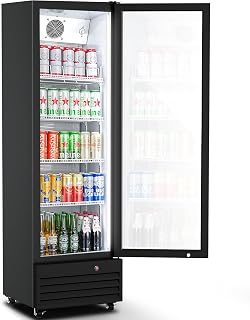


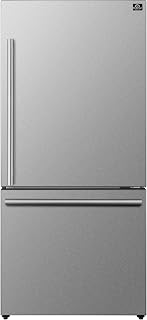






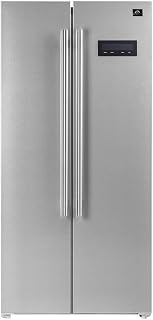





Choosing a refrigerator in Canada involves more than comparing exterior design and advertised capacity. A suitable model needs to fit the available kitchen space, household size, food-storage habits, electrical requirements and climate-related considerations. Smart refrigerators add another layer of choice because connected features, digital controls, cameras, displays and app integration can affect both the buying decision and long-term usability.
For shoppers comparing the best smart buy refrigerators deals in 2026, the most useful approach is to evaluate the complete specification rather than focusing on a single feature. Capacity, dimensions, configuration, temperature management, storage flexibility, ice and water systems, energy use, connectivity and maintenance requirements should all be considered together.
A smart buy does not necessarily mean the refrigerator with the largest number of technological features. The better choice is the model that provides the right combination of usable capacity, cooling performance, convenience and ownership practicality for the price you are prepared to pay.
French door refrigerators are popular for households that want broad refrigerator access and substantial fresh-food storage. The upper refrigerator compartment normally uses two doors, while the freezer is positioned below. This arrangement keeps frequently used food at a convenient height.
The wide refrigerator compartment can be particularly useful for storing large platters, containers and multiple food packages. Before buying, check whether both doors can open comfortably in the available kitchen space. Also examine the freezer drawer clearance because a refrigerator can technically fit within a cabinet opening while still being awkward to use.
Side-by-side models divide the refrigerator vertically, placing the freezer beside the fresh-food compartment. Their narrower doors can be helpful in kitchens where door swing is restricted.
The main consideration is vertical storage. Tall bottles and large food containers may require more planning than they would in a French door refrigerator. Buyers should examine shelf dimensions instead of judging capacity only from the headline cubic-foot measurement.
Top-freezer refrigerators remain a straightforward option for shoppers who prioritize simplicity and value. Their conventional layout can provide accessible frozen-food storage without requiring a bottom drawer.
They may have fewer connected features than premium smart refrigerators, but that is not necessarily a disadvantage. If Wi-Fi controls, interior cameras or touchscreen functions are not important to you, a simpler refrigerator can represent a more practical purchase.
Bottom-freezer models place the fresh-food section at a more convenient height while keeping frozen storage below. This arrangement can suit households that access refrigerated food much more frequently than frozen food.
Check the freezer drawer design carefully. A deep drawer can provide considerable capacity, but retrieving smaller items from the bottom may be less convenient than using organized compartments.
Four-door refrigerators provide additional compartmentalization and may offer greater flexibility for separating fresh, frozen or specialty foods. Some models allow a compartment to operate at different temperatures or serve different storage purposes.
However, more compartments can mean more controls, drawers and moving components. Compare the actual storage layout rather than assuming that a higher door count automatically means better organization.
Wi-Fi is one of the most common smart refrigerator features. Depending on the model, connectivity can support temperature notifications, door-open alerts, remote settings, diagnostics or integration with a manufacturer's mobile application.
Before paying extra for connected functionality, determine which features are available in Canada and whether they require an account, compatible smartphone or ongoing service. A feature is only useful if you expect to use it.
Door-open notifications can be particularly practical. An alert may help identify a door that was accidentally left open or a situation requiring attention while you are away from home.
Other notifications can relate to temperature changes, filter replacement or system diagnostics. Review the manufacturer's feature description carefully because smart capabilities differ considerably between refrigerator models.
Some premium smart refrigerators include large displays that can show calendars, notes, recipes, shopping information or other connected content. These features can be convenient for households that actively use a digital kitchen hub.
They should not, however, distract from fundamental refrigerator specifications. A sophisticated display does not compensate for poor storage design, unsuitable dimensions or an inconvenient freezer arrangement.
Refrigerator cameras are designed to provide a view of the interior through a connected device or display. The concept can be useful when shopping because you can check what food is available without opening the refrigerator.
Camera functionality should be treated as a convenience feature rather than an essential requirement. Check how the system works, whether all compartments are visible and whether the associated application supports the functions advertised for the Canadian market.
Connected diagnostics can help identify certain operating issues and may provide troubleshooting information. This can be useful when determining whether a problem requires attention.
Smart diagnostics should not be confused with a guarantee of reliability. Electronic connectivity cannot eliminate mechanical or refrigeration-system failures, so the underlying specification remains important.
Refrigerator capacity is normally expressed in cubic feet, but the advertised number does not tell the entire story. Shelving, drawers, door bins, ice makers and other components occupy interior space.
When comparing two refrigerators with similar stated capacity, inspect the internal arrangement. A model with fewer awkwardly positioned components may provide more useful storage for your particular groceries.
Measure the intended installation area before ordering any refrigerator. Record width, height and depth, then compare those measurements with the manufacturer's specifications.
Depth deserves special attention. Counter-depth refrigerators are designed to sit closer to surrounding cabinetry, while standard-depth models may provide greater capacity but extend farther into the kitchen.
Counter-depth refrigerators can create a cleaner appearance and may improve movement through a compact kitchen. Standard-depth refrigerators generally prioritize interior volume and can provide more storage within a similar width.
Neither configuration is automatically better. The correct choice depends on whether kitchen aesthetics, aisle clearance or maximum capacity is the higher priority.
Look for clearly specified temperature controls and separate cooling arrangements where applicable. Advanced refrigerators may use multiple sensors, airflow systems or independent temperature zones.
Separate temperature management can be useful when different compartments have different storage purposes. Nevertheless, the quality of the overall design matters more than the number of temperature settings displayed on the control panel.
Dedicated produce drawers can help organize fruits and vegetables and may provide humidity controls. These compartments are valuable when your household regularly stores fresh produce.
Examine drawer size, movement and accessibility. A theoretically useful drawer becomes less practical if it is difficult to open fully because of nearby shelves or kitchen cabinets.
An external dispenser provides convenient access without opening the refrigerator. Internal dispensers can create a cleaner exterior appearance and may reduce the number of components exposed on the door.
Consider how frequently your household uses chilled water and whether dispenser convenience is worth the additional complexity for your needs.
Ice makers vary in location and capacity. Some models place the ice maker in the freezer, while others incorporate it into the refrigerator door or another compartment.
When comparing refrigerators, determine how much freezer or door space the ice system occupies. Also check how ice is accessed and whether the design makes cleaning straightforward.
Models equipped with water and ice filtration can require replacement filters. Before buying, check the filter type, replacement procedure and expected replacement schedule specified by the manufacturer.
Filter costs should be included in the long-term ownership calculation. A refrigerator with a lower initial purchase price can become less attractive if its required consumables are expensive or difficult to source.
Because a refrigerator runs throughout the year, energy consumption is an important buying consideration. Canadian shoppers should review the applicable energy information and compare models using consistent measurement criteria.
Do not assume that the newest or most technologically advanced refrigerator is automatically the most efficient. Compare the published energy information for the specific model and configuration you are considering.
Features such as larger capacity, additional cooling zones, ice makers and advanced electronics can affect energy consumption. The most appropriate model balances useful functionality with reasonable operating requirements.
Brand selection can help narrow a large market, but brand reputation should not replace model-level comparison. Established manufacturers such as Samsung, LG, Whirlpool, GE, Bosch, Frigidaire and KitchenAid offer different refrigerator configurations and feature sets across their product ranges.
When comparing brands, focus on the exact model rather than assuming every refrigerator from the same manufacturer provides the same quality or features. Specifications, dimensions, smart functions, storage layouts and warranty terms can vary substantially between product families.
Samsung is particularly associated with connected appliances and feature-rich refrigerator designs. Some models emphasize smart displays, app integration and advanced compartment management.
Compare the exact smart ecosystem, display functionality, dimensions and storage arrangement before deciding whether the additional technology is worthwhile.
LG offers refrigerators across several configurations, including models with connected controls and advanced cooling features. Buyers should compare interior layout, door configuration, ice system and smart functionality at the individual model level.
Whirlpool provides a broad selection of conventional and feature-oriented refrigerators. Its range can be relevant to shoppers who want to balance everyday functionality with a familiar appliance layout.
GE refrigerators include a variety of configurations and feature combinations. When considering a GE model, review its specific dimensions, storage capacity, dispenser arrangement and connectivity features rather than relying solely on brand reputation.
Bosch is known for appliance designs that often emphasize organized interiors and premium positioning. Buyers should compare usable storage, installation dimensions and the precise feature set of each refrigerator.
Frigidaire offers refrigerator options across different configurations and price categories. Its models can be worth comparing when straightforward functionality and practical storage are more important than extensive smart features.
KitchenAid refrigerators are positioned toward shoppers who may prioritize premium design and kitchen integration. Check the complete specification, installation requirements and internal organization before choosing a model.
A refrigerator with a larger cubic-foot rating is not necessarily the better choice. If the internal shelves and drawers are poorly suited to your groceries, the additional capacity may not be particularly useful.
One of the most avoidable mistakes is measuring only the refrigerator itself. Door clearance, ventilation requirements and surrounding cabinet space also need to be considered.
Connected technology can be useful, but it should support your everyday needs. If you rarely use mobile controls, smart displays or inventory tools, spending significantly more for them may not provide meaningful value.
A refrigerator can fit into an opening but still be difficult to operate. Check how far doors and drawers extend when fully opened and whether adjacent cabinets interfere with movement.
Review the manufacturer's installation instructions and electrical requirements before purchase. Do not assume that every refrigerator has identical requirements simply because the appliances have similar dimensions.
Exterior finishes differ in how easily fingerprints, smudges and marks are visible. Families with children or frequent kitchen traffic may prefer a finish that is easier to maintain.
If a refrigerator uses water filtration, research the required replacement component before buying. Understanding ongoing maintenance can prevent unpleasant surprises later.
A discounted refrigerator is not automatically a good deal. The most useful comparison combines purchase cost with specifications, features and expected ownership requirements.
Customer reviews can provide useful information, but they should be interpreted carefully. Look for repeated comments about the same specific issue instead of treating an isolated complaint as definitive evidence.
Pay particular attention to feedback concerning noise, temperature consistency, ice production, drawer operation, door alignment, smart connectivity and installation difficulties. These details can reveal practical considerations that are not obvious from a specification sheet.
Also distinguish between product-related feedback and retailer-related complaints. Delivery damage, scheduling and packaging issues may not accurately reflect the refrigerator's operating performance.
Remove expired food and wipe shelves, drawers and door bins according to the manufacturer's cleaning instructions. Regular cleaning helps keep the storage environment organized and makes it easier to identify spills or damaged food.
Door gaskets help maintain the refrigerator's internal temperature. Check them periodically for visible damage, dirt or deformation. A door that does not close correctly can affect refrigerator performance.
Do not block internal vents with containers or tightly packed food. Proper airflow helps the refrigerator distribute cooled air throughout the storage compartment.
If your refrigerator includes a water or air filter, follow the manufacturer's replacement instructions. Use the specified replacement component and check the owner's documentation for maintenance intervals.
Overloading shelves can restrict airflow and make it difficult to locate food. A well-organized refrigerator also reduces the amount of time the door remains open during normal use.
Connected appliances can collect and transmit information required to provide smart functionality. Before connecting a refrigerator to a home network, review the manufacturer's privacy information and understand what information the associated application or account requires.
Also consider software support. Smart features depend on compatible applications, network connectivity and manufacturer-supported services. If connectivity is important to your purchasing decision, verify that the functions you want are supported for the specific model and Canadian market.
The ideal size depends on household habits rather than a universal capacity recommendation. A couple who shops frequently may prefer a different refrigerator from a large family that buys groceries in bulk.
For narrow kitchens, side-by-side models or configurations with more controlled door swing may be worth considering. For households that want easy access to fresh food, a French door or bottom-freezer refrigerator can be practical. For shoppers who prioritize straightforward operation and value, a top-freezer design may make more sense.
Kitchen layout should therefore be treated as part of the buying decision. The best refrigerator on paper may be the wrong appliance if its doors interfere with cabinets, walls or nearby appliances.
There is no single best refrigerator for every Canadian household. The right choice depends on kitchen dimensions, storage requirements, preferred configuration, budget and the smart functions you actually intend to use.
Smart refrigerators can be worthwhile when connected features provide meaningful convenience. Wi-Fi notifications, remote monitoring and diagnostics may be useful for some households. If these functions are unlikely to be used, a conventional refrigerator with strong core specifications may offer better value.
Check the exact model number, dimensions, capacity, configuration, energy information, electrical requirements, smart features, filter requirements and manufacturer warranty information. Also verify the retailer's current delivery and installation conditions before completing a purchase.
Neither configuration is universally better. French door refrigerators generally provide broad fresh-food storage, while side-by-side models can work well where narrower door movement is useful. The kitchen layout and your storage habits should determine the choice.
Counter-depth refrigerators can provide a more integrated appearance and may leave more aisle space. Standard-depth models generally emphasize storage capacity. The better option depends on whether kitchen clearance or maximum interior volume matters more.
Basic refrigeration functions generally do not depend on an internet connection, but connected features such as remote notifications and app-based controls may require Wi-Fi and an associated account. Check the individual manufacturer's requirements.
Additional functions can affect energy consumption, but the impact varies by model. Compare the published energy information for the specific refrigerator rather than assuming that every ice-making system has the same effect.
Useful life varies according to construction, usage, maintenance and individual components. Instead of relying on a fixed lifespan, evaluate the manufacturer's documentation, warranty coverage, maintenance requirements and long-term practicality before purchasing.
An external dispenser can be convenient for frequent water use. However, it also adds components to the door and may reduce available door storage. Compare convenience, maintenance and interior organization before deciding.
The appropriate replacement interval depends on the refrigerator and filter system. Follow the manufacturer's instructions rather than applying one replacement schedule to every model.
The strongest refrigerator purchase is the one that solves your actual storage and kitchen requirements without adding unnecessary complexity. Start with measurements and configuration, then compare capacity, cooling design, storage organization, energy information and maintenance needs. Only after those fundamentals are satisfied should smart features become a major differentiator.
For shoppers in Canada, compare the exact model specifications available in the Canadian market, read verified customer feedback, review manufacturer documentation and check current prices from reputable retailers. Deal pricing can change, so evaluate the complete specification and current purchase conditions rather than relying on a headline discount alone.
Whether you prefer Samsung, LG, Whirlpool, GE, Bosch, Frigidaire, KitchenAid or another established manufacturer, the model number matters more than the logo. A carefully measured kitchen, realistic capacity requirement and clear understanding of useful features will make it easier to identify a refrigerator that represents genuine value in 2026.