

♥ Wishlist
Compare 55 Cooktops for Canadian Kitchens products in Canada. Reviews, ratings, pros, cons and buying advice updated for October 2026.


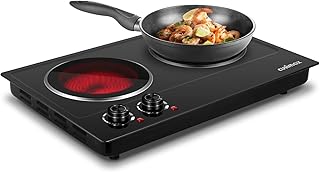


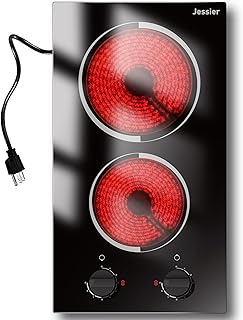


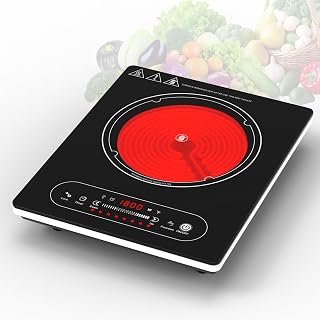


Choosing a cooktop in Canada involves more than comparing the number of burners or looking for the lowest advertised price. The right model needs to match your kitchen layout, cookware, electrical or gas setup, cooking habits, available counter space and long-term expectations. A good buying decision also means understanding the differences between induction, electric radiant and gas cooktops before comparing individual models.
For Canadian shoppers, brands such as Bosch, Frigidaire, GE, Samsung, LG, Whirlpool, KitchenAid, Electrolux and Empava offer cooktops across different configurations and price categories. However, brand recognition alone should not determine which model is best. Specifications, installation requirements, control design, heating performance, surface material, safety features and independent customer feedback are all worth checking before purchase.
This guide is designed to help shoppers compare smart cooktop deals available in Canada during 2026. Product availability, specifications, retailer pricing and promotions can change, so always confirm the current details before making a purchase.
Induction cooktops heat compatible cookware through electromagnetic induction rather than relying on a conventional glowing heating element or an open flame. This makes induction particularly attractive to shoppers who want rapid response, precise control and a cooking surface that is comparatively easy to wipe clean.
One of the most important considerations is cookware compatibility. A pan generally needs a magnetic base for induction cooking to work correctly. Cast iron and many magnetic stainless-steel cookware pieces are commonly compatible, while some aluminium, copper and glass cookware may not be unless specifically designed with an induction-compatible base.
Induction is also worth considering for households where kitchen safety matters. The cooking surface itself does not operate in the same way as an exposed gas flame, although the glass can still become hot from contact with heated cookware. Users should therefore never treat an induction surface as completely heat-free.
Electric radiant cooktops use heating elements beneath a smooth glass-ceramic surface. They are a practical choice for shoppers who want a clean built-in appearance and broad cookware compatibility without using gas.
Radiant electric models can accommodate many different types of flat-bottom cookware, making them easier to integrate into an existing kitchen. The trade-off is that the cooking surface and cookware may remain hot after the element has been switched off. Residual-heat indicators and careful cleaning are therefore useful features.
When comparing electric models, look beyond the total number of burners. Pay attention to the size of each cooking zone, whether zones can accommodate larger cookware, the range of power settings and whether the controls are positioned conveniently.
Gas cooktops remain popular with cooks who prefer direct flame control and the visual feedback provided by an open flame. Turning the control changes the flame level immediately, which many experienced cooks find intuitive.
Gas models require appropriate fuel connections, ventilation considerations and installation practices. Requirements can vary by property, municipality and installation circumstances, so Canadian buyers should confirm compatibility with a qualified professional rather than assuming a replacement cooktop can simply be connected to an existing setup.
Gas burners also require more attention during cleaning because food and grease can accumulate around burner caps, grates and other components. Removable, well-designed components can make routine maintenance considerably easier.
The arrangement of cooking zones affects how useful a cooktop will be in everyday cooking. Four equally sized zones may look convenient on paper, but a more versatile layout can be better if it combines small, medium and large zones for different cookware.
Consider the pans you actually use. A large stockpot, 12-inch skillet, small saucepan and griddle all require different amounts of cooking space. Some cooktops provide expandable or flexible cooking zones that can better accommodate oversized cookware.
Power ratings help indicate how strongly a cooktop can heat, but maximum power should not be considered in isolation. The practical experience also depends on cookware, zone size, temperature control and how the appliance manages power when several zones operate simultaneously.
For induction models in particular, shoppers should check whether high-power settings affect the available power of neighbouring zones. A cooktop may advertise powerful individual zones while intelligently distributing available electrical capacity when multiple zones are used at once.
Precise control is especially important for tasks such as melting chocolate, simmering sauces, cooking delicate foods and maintaining a steady temperature for long periods. Look for controls that allow meaningful adjustment rather than simply offering a few broad heat levels.
Touch controls can provide a minimalist appearance and are common on modern induction and radiant cooktops. Knob controls can be easier for some users to operate by feel. The better choice depends on personal preference, visibility, cleaning priorities and kitchen layout.
Glass-ceramic surfaces are common on induction and radiant electric cooktops because they provide a flat appearance and can be cleaned without navigating around traditional burner grates. Nevertheless, they need appropriate care because abrasive cleaners, dragging heavy cookware and thermal shock can damage the surface.
Gas cooktops may use stainless steel, tempered glass or other materials around the burners. Stainless steel can provide a traditional professional appearance, while glass can create a more contemporary look. Regardless of the material, examine how easily the surface and removable components can be cleaned.
A cooktop can have impressive specifications and still be frustrating if the controls are difficult to use. Examine the location, size, markings and responsiveness of the controls before choosing a model.
Touch controls should be easy to identify and operate. Models with physical knobs should provide enough spacing to avoid accidental adjustments. If children are present in the household, a control lock or similar safety function can be an important consideration.
Modern cooktops can include several safety-oriented functions, although the exact features vary by model. Depending on the appliance, shoppers may encounter control locks, automatic shutoff, residual-heat indicators, pan detection, overheating protection and timer functions.
Safety features should supplement careful cooking practices rather than replace them. Always read the manufacturer's instructions and installation requirements before operating a new cooktop.
A 30-inch cooktop is a common choice for kitchens where counter space is limited but a full-size cooking area is still required. It can be suitable for couples, families and general household cooking, provided the zone arrangement works with the cookware being used.
A 36-inch cooktop offers more room for larger cookware and simultaneous cooking. It can be particularly useful for households that prepare elaborate meals regularly. The additional width also gives designers more flexibility when positioning cooking zones.
Two-zone and compact cooktops can be practical for apartments, small kitchens, cottages, secondary kitchens and occasional cooking areas. The smaller footprint can be a major advantage, but buyers should ensure that the limited number of zones is sufficient for their normal cooking routine.
More cooking zones do not automatically make a cooktop better. The useful capacity of a cooktop depends on whether several zones can actually be used simultaneously with your cookware.
The word “smart” can describe very different things in modern kitchen appliances. A cooktop does not necessarily need Wi-Fi or a companion app to be a smart purchase. For many households, useful controls and practical safety functions provide more everyday value than connected features.
Some premium appliances can connect to a smartphone or smart-home ecosystem. Depending on the model, connected functionality may provide appliance status information, notifications, diagnostic information or integration with other kitchen products.
Before paying extra for connectivity, consider whether the feature solves a real problem in your cooking routine. A well-designed conventional control system can be more useful than a complicated connected interface that rarely gets used.
Independent timers can be valuable when preparing several dishes simultaneously. Automatic shutoff functions can provide an additional layer of convenience, although users should always follow the appliance manufacturer's safety instructions.
Pan detection is particularly relevant to induction cooktops. The appliance can identify whether suitable cookware is present on a cooking zone, reducing the likelihood of accidentally operating an empty zone. Exact operation varies between manufacturers and models.
One of the easiest mistakes is buying an induction cooktop without checking existing cookware. If you are replacing an electric or gas cooktop with induction, inspect the base of your pans before purchasing.
A simple magnetic check can help determine whether many cookware pieces are likely to work with induction. If a magnet adheres firmly to the base, the cookware may be compatible, although the manufacturer's specifications remain the best confirmation.
Cookware size also matters. A pan that is significantly smaller or larger than the intended cooking zone may not deliver the expected results. Flexible-zone designs can provide greater freedom, but shoppers should still review the manufacturer's cookware guidance.
Glass-ceramic surfaces create a sleek appearance and are relatively straightforward to wipe down. Their flat design eliminates many of the crevices found around conventional gas burners. However, they require appropriate cookware handling and cleaning techniques.
Stainless steel is widely used around gas burners and can provide a durable-looking traditional finish. Fingerprints and cooking residue may be more visible depending on the finish, so ease of cleaning should be considered alongside appearance.
Gas cooktops with cast-iron grates can provide a stable platform for cookware. Buyers should consider the grate design, weight and ease of removal because these factors affect daily cleaning and maintenance.
A low purchase price can be attractive, but the cheapest cooktop may not provide the configuration, controls, installation compatibility or features required for your kitchen. Compare the complete specification rather than focusing exclusively on the headline deal.
One of the most expensive mistakes can be ordering a cooktop without checking the exact cutout dimensions. Product width and cutout width are not necessarily identical, so measure the existing opening and compare it with the manufacturer's installation specifications.
High-powered electric and induction cooktops can have substantial electrical requirements. Confirm the required circuit specifications before purchase and consult a qualified electrician where necessary.
Induction compatibility should be checked before buying. If most of your cookware is incompatible, include the potential cost of replacing key pans when comparing the overall value of an induction model.
A five-zone cooktop is not necessarily a better purchase than a four-zone model if the kitchen is small and your cooking routine rarely uses more than two or three pans. Zone placement and cookware clearance can matter more than the raw burner count.
Think about cleaning before choosing a design. A cooktop that looks attractive in product photographs may be inconvenient if it has difficult-to-remove components, narrow gaps or controls that collect grease and food residue.
Customer ratings can help identify recurring concerns, but they should not replace specification checking. Read reviews for patterns involving installation, controls, cleaning, noise, reliability and everyday usability rather than relying solely on an overall star rating.
Customer reviews can provide useful information that is difficult to capture in a specification sheet, but individual experiences vary. The most useful approach is to look for repeated observations across many reviews.
Bosch is a well-known appliance brand with cooktops spanning induction and other cooking technologies. When comparing a Bosch model, focus on the exact zone configuration, control system, installation specifications and included functionality rather than assuming every model has the same features.
Frigidaire offers cooking appliances across multiple categories and price points. Its cooktops can be worth considering when comparing practical configurations and features for everyday kitchen use.
GE cooktops are available in several configurations. Buyers should compare individual model specifications carefully because cooking-zone layouts, controls, power requirements and features can differ substantially between models.
Samsung offers modern kitchen appliances with an emphasis on technology and contemporary design. When considering a Samsung cooktop, evaluate whether its smart or connected functionality provides meaningful value for your cooking habits.
LG provides a range of kitchen appliances and may be relevant to shoppers looking for modern controls and technology-focused features. Compare the exact model specification, installation requirements and cookware compatibility where applicable.
Whirlpool is another established appliance brand to include when comparing cooktops for Canadian kitchens. Consider practical factors such as burner layout, control placement, cleaning and installation requirements.
KitchenAid cooktops can be relevant for shoppers seeking premium-oriented kitchen appliances. Buyers should compare the exact cooking-zone design, surface material, controls and installation specifications before making a decision.
Electrolux offers kitchen appliances in several categories. Its cooktops can be included in comparisons where design, cooking technology and feature requirements align with the buyer's priorities.
Empava is another name shoppers may encounter when comparing cooktops, particularly when searching across different configurations and price categories. Check the precise installation specifications and available features for each model.
The best deal is not necessarily the cooktop with the largest advertised discount. A meaningful deal combines an appropriate price with specifications that match your needs and a product that fits your kitchen without unexpected installation complications.
The listed appliance price is only one part of the buying decision. Depending on the kitchen, the final cost may also involve professional installation, electrical work, countertop modification, ventilation considerations, compatible cookware and removal of an old appliance.
Induction shoppers should consider cookware compatibility. Gas shoppers should consider whether the existing gas setup is appropriate. Electric shoppers should verify circuit requirements. Built-in replacement projects should always account for the physical dimensions and installation requirements before purchase.
Cooktop installation should be treated as a technical part of the buying process rather than an afterthought. Different models can require different electrical connections, clearances, ventilation arrangements and countertop cutout dimensions.
For gas installations or modifications to electrical circuits, use appropriately qualified professionals and follow applicable local requirements. Always consult the manufacturer's installation documentation for the exact model.
Before ordering, measure the available space, identify the existing power or fuel connection, check the cabinet and countertop configuration, and confirm the required clearances. These steps can prevent an otherwise suitable cooktop from becoming an unsuitable purchase.
Allowing food residue and grease to accumulate can make cleaning more difficult. Follow the manufacturer's recommended cleaning method and use products appropriate for the cooktop surface.
Do not drag heavy cookware across glass-ceramic surfaces. Lift cookware when moving it, and avoid using damaged cookware with rough or uneven bases.
For gas cooktops, regularly clean removable grates and burner components according to the manufacturer's instructions. Make sure components are correctly positioned before using the cooktop.
Harsh abrasives or inappropriate cleaning tools can damage finishes. The manufacturer's care instructions should take priority over generic kitchen-cleaning advice.
Not every premium feature provides equal value. Features worth prioritising depend on how you cook, but several can have a direct effect on daily usability.
Advanced specifications can be attractive, but paying for features that you will never use does not necessarily improve the purchase. For example, extensive app connectivity may have limited value if you prefer operating appliances directly from the kitchen.
Likewise, an oversized cooktop may waste valuable counter space if your cooking routine normally involves only two or three pans. Focus on features that solve actual problems rather than simply selecting the longest feature list.
Prioritise compact dimensions, practical zone placement and simple controls. A two- or three-zone induction or electric model may be more appropriate than a large five-zone cooktop.
A four-zone cooktop provides a useful balance for many households. Look for a layout that permits multiple pans to operate comfortably without crowding.
Consider power distribution, zone size, flexible cooking areas, precise control and the ability to operate several zones at once. Large cookware compatibility can be particularly important.
When installing a cooktop as part of a larger renovation, consider the appliance alongside cabinetry, ventilation, countertop thickness, electrical capacity and the location of surrounding appliances.
Portability, installation requirements and the restrictions of the property can become more important than premium built-in features. Always confirm what modifications are permitted before selecting an appliance.
Some induction cooktops can produce audible sounds during operation. Depending on the appliance and cookware, users may notice humming, buzzing, clicking or fan noise. These sounds can vary with power level and pan construction.
This does not automatically indicate a problem. However, if quiet operation is important, review the manufacturer's information and look for consistent customer feedback concerning operating noise.
Burner placement can have a surprisingly large impact on usability. Two large pans may physically fit on the surface but interfere with controls or overlap neighbouring cooking zones. A well-planned layout gives cookware enough room for handles and allows several pans to be used without unnecessary crowding.
Before choosing a cooktop, place your most frequently used pans on the approximate cooking-zone layout. Think about where handles point, whether a large skillet would block another zone and whether multiple pots can be used simultaneously.
When two models have similar designs, compare their technical specifications and ownership considerations rather than choosing based on appearance.
Induction is a strong option for shoppers who want fast responsive heating, precise controls and a smooth cooking surface. It is particularly attractive when easy surface cleaning and efficient cooking are important considerations.
The biggest qualification is cookware. Buyers should be comfortable checking their existing pans and potentially replacing cookware that is not compatible.
Electric radiant models are suitable for shoppers who want a smooth built-in cooking surface and broad cookware compatibility without using gas. They can be a sensible replacement when the kitchen already has an appropriate electrical setup.
Consider residual heat, cleaning practices and control design when comparing models.
Gas is worth considering for cooks who prefer direct flame control and a traditional cooking experience. It can be especially appealing to people who frequently adjust heat visually and prefer conventional burner controls.
Before choosing gas, confirm that the kitchen's fuel supply, ventilation and installation arrangements are suitable for the selected appliance.
There is no single best cooktop for every Canadian household. The right choice depends on cooking style, available space, cookware, installation requirements, preferred fuel type, budget and desired features. Compare exact specifications and current customer feedback before choosing.
Induction can provide faster response and precise control while offering a smooth surface that is convenient to clean. Conventional radiant electric cooktops offer broad cookware compatibility and can be attractive when induction-compatible cookware is not available. The better option depends on individual priorities.
They can be an excellent choice when rapid heating, precise control and easy cleaning are priorities. The main consideration is ensuring that your cookware is compatible and that the kitchen's electrical requirements meet the manufacturer's specifications.
No. Induction requires compatible cookware, generally with a magnetic base. Check the cookware manufacturer's information or perform an appropriate compatibility check before replacing a conventional cooktop with induction.
A four-zone cooktop is a practical starting point for many families, but the best size depends on the kitchen and cooking habits. Families that regularly prepare large meals may prefer a wider cooktop with larger or flexible cooking zones.
Not necessarily. Five cooking zones can be useful for simultaneous cooking, but only if the zones are arranged effectively and there is enough room for your cookware. A well-designed four-zone cooktop may be more practical than a poorly arranged five-zone model.
Check the countertop cutout, external dimensions, electrical or gas requirements, ventilation and clearance specifications. Also consider whether your existing cookware is suitable for the new cooking technology.
Smart features can be useful if you genuinely benefit from connectivity, notifications or integration with other kitchen technology. However, practical features such as precise controls, useful cooking zones, timers and safety functions may provide greater everyday value for many households.
Measure the available space first and prioritise a compact design with an efficient cooking-zone layout. Two- or three-zone models can be suitable when counter space is limited, while a compact four-zone design may work when the kitchen permits a larger cutout.
Canadian shoppers can compare brands including Bosch, Frigidaire, GE, Samsung, LG, Whirlpool, KitchenAid, Electrolux and Empava. Brand should be treated as one comparison factor rather than the sole reason for choosing a model.
Wipe up spills and cooking residue as appropriate after use, following the manufacturer's care instructions. More thorough cleaning should be performed whenever grease, food residue or deposits accumulate.
Compare the exact model number across multiple Canadian retailers, check current specifications and evaluate the complete purchase rather than only the advertised discount. Installation requirements, cookware compatibility and return conditions can significantly affect overall value.
The smartest cooktop purchase is the one that fits your kitchen and cooking routine rather than the one with the longest feature list. Start by deciding between induction, electric radiant and gas. Then narrow your options using dimensions, cooking-zone layout, power requirements, controls, safety functions, cleaning needs and cookware compatibility.
For Canadian shoppers, always verify the exact model specifications and installation requirements before purchasing. Product prices, promotions, stock status and retailer terms can change throughout 2026, so current information should be checked at the time of purchase.
A careful comparison of specifications, customer feedback and total ownership considerations can help you identify a genuinely smart buy instead of simply choosing the cooktop with the most attractive headline deal.