
♥ Wishlist
Compare 48 Dishwashers for Canadian Kitchens: Compare Types, Features & Sizes products in Canada. Reviews, ratings, pros, cons and buying advice updated for October 2026.







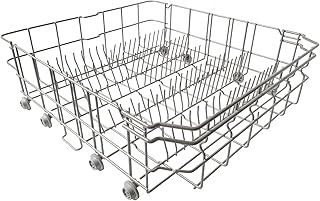


Buying a dishwasher in Canada involves more than comparing the number of wash cycles or choosing the model with the lowest advertised price. A genuinely smart buy should balance cleaning performance, drying ability, rack design, noise level, capacity, energy and water use, installation requirements, controls, long-term practicality and overall value.
The best dishwasher for one Canadian household may not be the best choice for another. A compact household may prioritize quiet operation and flexible loading, while a large family may need a spacious third rack, strong filtration and dependable heavy-duty cleaning. If your kitchen has an open-plan layout, noise can matter as much as wash performance. If you frequently wash plastic containers, drying technology becomes particularly important.
This guide is designed to help Canadian shoppers compare dishwasher specifications intelligently rather than choosing solely on brand name, star rating or promotional price. When comparing models from brands such as Bosch, KitchenAid, LG, Samsung, Whirlpool, Miele and other established manufacturers, pay attention to the details that affect everyday ownership.
A smart buy is not necessarily the cheapest dishwasher. It is the model that delivers the right combination of features and performance for the way you actually use your kitchen.
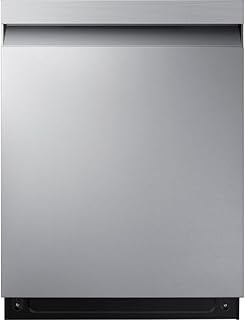
The standard 24-inch built-in dishwasher is the most versatile option for many Canadian kitchens. It generally provides enough capacity for family households while offering a broad selection of models at different price levels.
Before buying, measure the opening rather than assuming every built-in dishwasher will fit. Width, height, depth, door clearance and the position of plumbing and electrical connections can all affect installation.
An 18-inch dishwasher can make sense for smaller kitchens, condos, apartments and households that do not need the capacity of a full-size machine. The trade-off is reduced loading space, so rack configuration becomes particularly important.
Portable models can be useful where a permanent dishwasher installation is impractical. They require a suitable location and connection arrangement, and their capacity and design differ substantially from built-in machines.
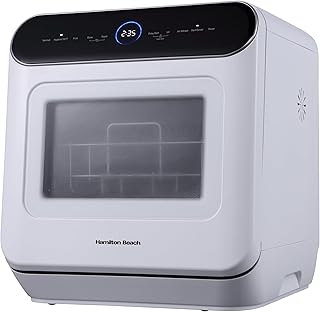
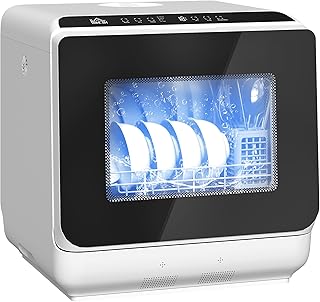
Countertop dishwashers are intended for very limited spaces and smaller loads. They can be attractive for apartments, offices or other situations where a full-size dishwasher is unsuitable, but capacity is considerably more restricted.
Manufacturers commonly describe dishwasher capacity using place settings, but that number does not tell the whole story. Two machines with similar capacity can feel very different in daily use because of rack spacing, tine placement and the shape of the interior.
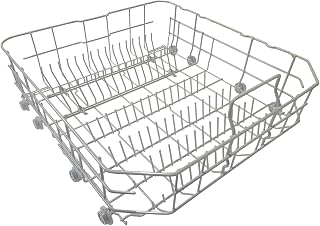
Examine how the dishwasher accommodates dinner plates, bowls, mugs, glasses, pots, pans and awkward cookware. A flexible rack system may provide more practical value than a marginal increase in nominal capacity.
A third rack can significantly improve usable space by providing a dedicated area for flat utensils, cutlery and smaller items. It can also free room in the lower or upper racks for larger dishes.
However, not every third rack is equally useful. Some are relatively shallow, while others provide greater clearance and more flexible loading. If you frequently wash large utensils or kitchen tools, examine the third-rack design carefully.
A third rack is most valuable when it improves the entire loading pattern rather than simply adding another compartment. Compare its height, adjustability and accessibility with the type of items you normally wash.
Effective water distribution is fundamental to dishwasher performance. Multiple spray arms or sophisticated spray patterns can help distribute water throughout the tub, but the overall wash system should be considered together with filtration, detergent use and cycle design.
If you routinely wash baked-on food, greasy cookware or heavily soiled dishes, look for a dedicated intensive or heavy cycle. This can be more useful than having a large number of lightly differentiated programs.
Many modern dishwashers use sensors to adjust aspects of the wash according to soil levels or load conditions. Such features can help automate cycle selection and may be convenient for households that run mixed loads.
Some models offer higher-temperature wash or sanitizing options. These can be useful for particular cleaning requirements, but shoppers should read the manufacturer's specifications carefully to understand what each setting actually does.
Cleaning dishes well is only half the job. Drying performance can determine whether dishes are ready to put away immediately or need to be towel-dried after a cycle.
Condensation-based drying, heated drying, fan-assisted approaches and other drying technologies work differently. Plastics can be particularly challenging because they tend to retain droplets longer than glass, ceramic and metal.
Noise can become one of the most noticeable differences between dishwasher models, particularly in open-concept Canadian homes, condos and smaller apartments.
Dishwasher noise is commonly expressed in decibels. Lower numbers generally indicate quieter operation, although the published figure should be viewed as a specification rather than a guarantee of how the machine will sound in every kitchen.
Installation conditions, cabinetry, flooring and the surrounding room can influence perceived sound. If you frequently run the dishwasher while watching television, working nearby or sleeping, quiet operation deserves a high position on your buying checklist.
Connected dishwashers can provide smartphone notifications, cycle monitoring, diagnostics, remote controls and other connected functions. These features can be convenient, but they should be treated as secondary considerations unless smart-home integration is especially important to you.
A dishwasher should still be a good appliance when the Wi-Fi connection is unavailable. Prioritize cleaning, drying, capacity, noise and reliability-related considerations before paying extra for connectivity.
The dishwasher tub material can influence durability, appearance, insulation characteristics and the way the interior behaves during operation.
Stainless steel interiors are common on higher-end and mid-range dishwashers. They can provide a premium interior appearance and are often associated with quiet, well-insulated machines. The exact construction and performance vary by model.
Plastic tubs are found across a range of dishwasher price points. They can offer practical durability and may help keep purchase costs down. Rather than rejecting a dishwasher solely because it has a plastic tub, compare its complete specification and feature set.
The filtration system deserves more attention than it usually receives during shopping. A dishwasher must manage food particles while continuously circulating water, and the filter is an important part of that process.
Check whether the dishwasher uses a removable filter and understand what routine cleaning the manufacturer recommends. A filter that is easy to access and clean is preferable for shoppers who want straightforward maintenance.
Dishwasher performance depends partly on using the machine correctly. Detergent formulation, water conditions, load arrangement and cycle selection can all influence results.
Canadian households may experience different water conditions depending on their municipality and location. If you notice spots, residue or poor cleaning, consult the dishwasher's instructions and detergent manufacturer's guidance rather than automatically assuming the appliance is defective.
Rinse aid can help manage water droplets and improve drying in compatible machines. Follow the appliance manufacturer's instructions for appropriate settings and use.
Water hardness varies across Canada. Mineral content can contribute to spotting, scale and residue in some households, making dishwasher settings and maintenance particularly important.
If your home has hard water, check whether the dishwasher provides water-hardness adjustment or other relevant settings. Consult the owner's manual for the correct procedure rather than changing settings based on generic advice.
Energy efficiency matters because a dishwasher is an appliance that may operate several times per week for years. Water consumption can also be relevant when comparing models with different cycle designs.
For Canadian shoppers, look for the applicable efficiency information and review the manufacturer's specifications. Compare annual energy information where available rather than relying on a vague claim that a model is simply "efficient."
Efficient operation should also be considered alongside actual capacity. A machine that accommodates your normal load in one cycle may be more practical than a smaller machine that requires frequent partial loads.
Before ordering any dishwasher, confirm that the appliance is compatible with the existing kitchen opening and utilities. Installation requirements vary by model, so the manufacturer's documentation should be treated as the final authority.
Panel-ready dishwashers are designed to accept a custom cabinet panel so the appliance can visually blend with the kitchen. They can be attractive in coordinated kitchen designs but may involve additional planning and cabinetry requirements.
Standard dishwashers expose the appliance's finished exterior and controls. They are generally simpler to specify because the dishwasher's own front finish forms the visible exterior.
For either design, check handle projection, door clearance, control placement and installation dimensions before buying.
Front-control dishwashers place the controls on the exterior of the door, making the cycle information and buttons readily accessible.
Top-control or hidden-control designs place controls along the upper edge of the door. They can create a cleaner appearance, but the controls may be less accessible while the door is closed.
The better design depends on your kitchen layout, preferred appearance and how often you interact with the controls.
Brand comparison can be useful, but there is no single manufacturer that automatically produces the best dishwasher for every Canadian household. Product ranges contain different configurations, feature levels and price tiers.
When considering Bosch, compare the specific series and configuration rather than treating the brand as one uniform product category. Rack systems, drying approaches, controls and connectivity can differ between models.
KitchenAid offers dishwasher configurations aimed at shoppers who may place particular importance on rack flexibility, kitchen design and feature-rich interiors. Compare the exact rack layout and cycle options when evaluating individual models.
LG dishwasher models can appeal to shoppers interested in modern features and connected appliances. If smart functionality is important, verify exactly which connected features are included in the Canadian model you are considering.
Samsung provides dishwasher options across different configurations and feature levels. Compare the exact cleaning system, rack arrangement, drying technology and smart features instead of selecting purely on brand familiarity.
Whirlpool is another established appliance brand worth considering when comparing practical dishwasher configurations. Look closely at capacity, cycle selection, filtration, drying and installation specifications.
Miele occupies a more premium segment of the appliance market in many categories. When comparing a Miele dishwasher with less expensive alternatives, evaluate the complete feature set and ownership proposition rather than assuming a higher purchase price automatically means better value for your particular needs.
Retail listings can contain a large amount of information, but not every specification has equal importance. Start with the measurements and core performance features before moving to cosmetic or connected features.
The lowest upfront price does not necessarily represent the best value. A cheaper dishwasher may lack a rack arrangement, drying capability or noise level that matters to your household.
A dishwasher can have excellent specifications and still be the wrong purchase if it does not fit the existing opening or its door cannot operate comfortably.
Brand reputation can help create a shortlist, but individual models can differ significantly. Always compare the exact model specifications.
A large cycle count is not automatically an indicator of better performance. Identify the programs you will actually use.
A dishwasher's interior determines how easily you can load it. If plates, bowls and cookware do not fit efficiently, even excellent cleaning technology becomes less convenient.
Shoppers sometimes focus heavily on wash performance and overlook drying. If you want dishes ready for storage immediately after the cycle, drying deserves careful comparison.
Wi-Fi connectivity and app controls can be convenient, but they should not take priority over the appliance fundamentals.
Installation-related surprises can undermine an otherwise good purchase. Verify the complete installation requirements before finalizing your decision.
Customer reviews can provide useful information, but they should be interpreted carefully. A review describing a dishwasher as "quiet" or "excellent" is subjective, while a clearly stated decibel rating or rack dimension is a specification that can be compared more consistently.
A sale price is only meaningful when you know what you are comparing. Before considering a deal attractive, compare the exact model number, included features, dimensions and configuration with competing products.
When browsing Canadian retailers, check today's price, delivery conditions, installation options and any additional accessories separately. Retailer-specific promotions can change, so a price seen at one point should not be treated as permanent.
Prioritize high practical capacity, flexible racks, strong cleaning options, efficient loading and dependable drying. A third rack can be particularly useful when large volumes of cutlery and utensils are washed regularly.
Quiet operation, compact dimensions and straightforward installation considerations should rank highly. In a small living space, dishwasher noise may be more noticeable than it would be in a detached home.
Look closely at the published noise rating and overall design. Quiet operation can make it easier to run a load while people are eating, working or watching television.
Choose a model with a flexible lower rack, foldable tines and an appropriate heavy-duty cycle. Verify that your largest pots and pans can actually fit without blocking the spray system.
Prioritize drying technology and rack placement. Plastic items can retain water even after the rest of the load appears dry.
Connected controls, notifications and diagnostics may be worthwhile if you already use compatible smart appliances. Confirm the exact connected features supported by the Canadian version of the dishwasher.
Regular maintenance can help keep dishwasher performance consistent. The precise maintenance schedule should always follow the owner's manual for your model.
Poor cleaning does not always mean that the dishwasher needs replacing. First examine loading, detergent, cycle selection, filter condition and spray-arm obstruction.
If dishes remain dirty despite correct loading and maintenance, consult the owner's manual and manufacturer troubleshooting guidance. Persistent problems may require qualified appliance service rather than repeated changes to detergent or loading technique.
Check whether the selected cycle includes drying and whether an enhanced drying option is available. Plastic containers commonly retain more moisture than glass or ceramic items.
Also check loading. Items nested together can trap water, while incorrect placement may prevent effective exposure to the drying system. If drying performance has changed suddenly, inspect the manufacturer's troubleshooting guidance.
Always follow the manufacturer's installation, electrical, plumbing, loading and maintenance instructions. Do not modify electrical or water connections unless the installation procedure and applicable requirements permit it and you are qualified to perform the work.
Use only products intended for automatic dishwashers. Hand dish soap can create excessive suds and is not an appropriate substitute for dishwasher detergent.
A premium dishwasher can make sense when its additional features solve problems you experience regularly. Examples may include exceptionally flexible racks, advanced drying, very quiet operation, refined controls or other capabilities that materially improve everyday use.
However, premium pricing does not automatically make a dishwasher the best value. If you mainly need reliable everyday cleaning and straightforward loading, a well-specified mid-range model may be a better fit than an appliance packed with features you will rarely use.
Budget models can be sensible when purchase price is the primary constraint, provided the basic specifications meet your needs. Pay particular attention to noise, rack layout, capacity, drying, cycle selection and installation requirements before deciding.
The goal is not to spend as little as possible. The goal is to avoid paying for features that do not matter while ensuring the essential functions are strong enough for your household.
When comparing shortlisted models, score each appliance according to the factors that matter most in your home. A simple weighted approach can make the decision clearer than comparing dozens of specifications without priorities.
The strongest dishwasher purchase is the one that fits your kitchen, your household and your daily habits. Start with dimensions and installation requirements, then compare cleaning performance, drying, noise, capacity and rack flexibility. After those fundamentals are satisfied, consider smart connectivity, premium finishes and additional convenience features.
For Canadian shoppers in 2026, established brands including Bosch, KitchenAid, LG, Samsung, Whirlpool and Miele can all be worth investigating, but the exact model matters more than the logo on the door. Compare specifications, current customer feedback and the complete cost of ownership before making a final decision.
When evaluating a dishwasher deal, resist the temptation to focus only on the discount. A modestly discounted model with the right rack configuration, noise level and drying performance can be a much smarter purchase than a heavily discounted appliance that does not suit your household.
There is no single best dishwasher for every Canadian household. The right choice depends on available space, budget, desired capacity, noise tolerance, cleaning requirements, drying performance, rack design and preferred features. Compare the exact models on your shortlist rather than relying solely on brand reputation.
They can be if their additional features solve meaningful problems for you. Quiet operation, advanced drying, flexible racks and other premium capabilities can justify a higher price when you will use them frequently. Otherwise, a strong mid-range dishwasher may provide better value.
No. A third rack is a convenience feature rather than a requirement. It can be highly useful for utensils and cutlery, but shoppers should compare its actual dimensions and adjustability with their loading habits.
A stainless steel tub can be an attractive feature, particularly when combined with other premium construction and insulation characteristics, but tub material alone should not determine your purchase. Compare the complete appliance specification.
The appropriate noise level depends on your kitchen and household. If the dishwasher is near living or sleeping areas, prioritize a lower published decibel rating and compare competing models using their official specifications.
The exact behaviour depends on the model. Basic dishwasher functions are generally designed around the appliance itself, while connected features require the relevant network and app services. Check the manufacturer's documentation for the specific model.
The appropriate frequency depends on the dishwasher and how it is used. Follow the manufacturer's maintenance schedule and inspect the filter if cleaning performance or odour becomes an issue.
Customer ratings are useful as one input, but they should not be the only deciding factor. Combine review patterns with verified specifications, dimensions, installation requirements and the features that matter most to your household.
Promotional pricing can change throughout the year, so there is no guarantee that waiting will produce a lower price. If you find a model that meets your requirements at a price you consider acceptable, compare its current offer with competing models rather than judging the deal only by the advertised percentage discount.
Compare the differences that affect daily use: rack configuration, cleaning cycles, drying technology, noise rating, capacity, filter design, installation requirements and warranty information. Give greater weight to features you will use on nearly every load.