

♥ Wishlist
Compare 53 Bedding for Comfortable Canadian Bedrooms products in Canada. Reviews, ratings, pros, cons and buying advice updated for October 2026.
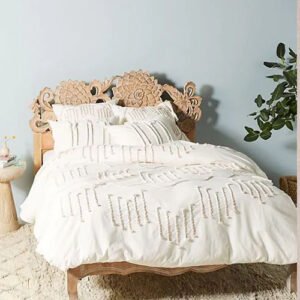
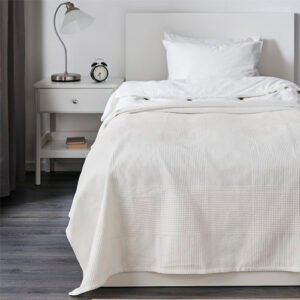
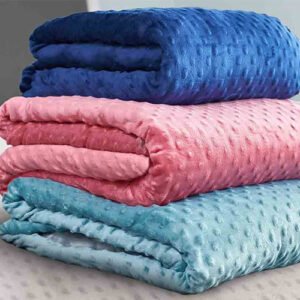
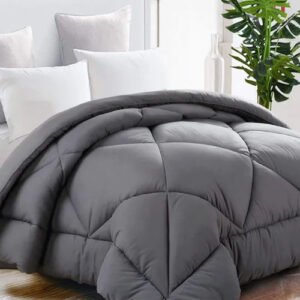
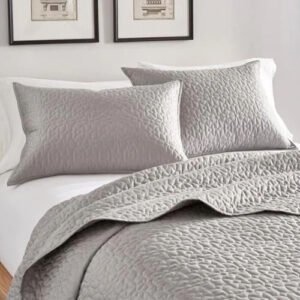
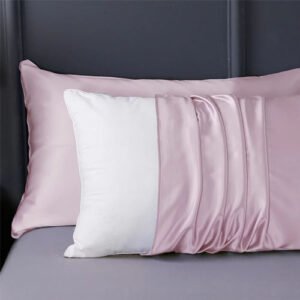


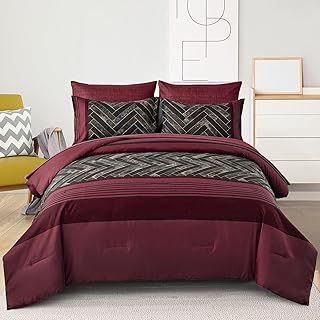


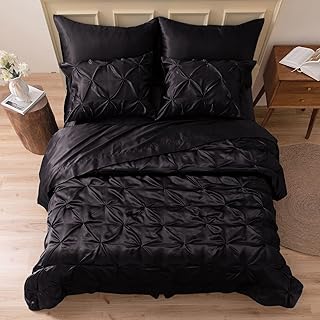


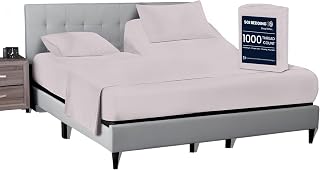


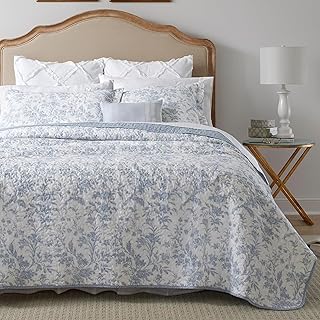


Finding a genuinely good bedding deal is about more than choosing the lowest advertised price. A bedding set can look inexpensive while offering a thin fabric, limited sizing, an unsuitable fibre blend, weak construction, or fewer pieces than expected. A smarter purchase compares the complete package: material, dimensions, construction, comfort, care requirements, included pieces, seller information, customer feedback, and the price you are actually paying.
For Canadian shoppers, this comparison is particularly useful because bedding needs can vary considerably between seasons. Lightweight sheets may be preferable during warm summer nights, while flannel, brushed cotton, layered quilts, duvets, and heavier blankets can become more useful as temperatures fall. The best value therefore depends on how and when the bedding will be used rather than on a universal definition of “best.”
A smart bedding purchase balances initial cost with expected usefulness and durability. A lower-priced set can represent excellent value if it has the right dimensions, fabric, construction, and care characteristics for your household. Conversely, a heavily discounted product is not necessarily a bargain if it does not fit your mattress or requires replacement sooner than expected.
Fabric type has a major influence on how bedding feels, manages moisture, handles washing, and performs over time. Material names should be treated as a starting point rather than a complete description of quality. Two products made from the same broad fibre category can feel very different because of differences in yarn, weave, finishing, fabric weight, and manufacturing.
Cotton remains a versatile choice for sheets and bedding because it is widely available in different constructions and weights. When comparing cotton products, examine the stated fibre composition and construction rather than relying solely on thread-count marketing. Percale generally has a crisp, structured feel, while sateen tends to feel smoother and more drapey.
For shoppers comparing several cotton sets, useful specifications include fibre composition, weave, dimensions, fitted-sheet pocket depth, washing instructions, and whether the set contains the pieces you actually need.
Microfiber is commonly selected when affordability, smoothness, and easy care are priorities. It can provide a soft hand feel at a comparatively accessible price, making it worth considering for guest rooms, seasonal use, student accommodation, or shoppers building a complete bedding collection on a limited budget.
Do not assume every microfiber set performs identically. Compare fabric construction, stitching, dimensions, care instructions, and customer comments about pilling, static, heat retention, and long-term appearance.
Linen is valued for its distinctive texture and breathable character. It can be particularly appealing to shoppers who prefer a relaxed appearance and natural-fibre bedding. Linen may also become softer with repeated laundering, although its texture and appearance differ considerably from smooth cotton or microfiber.
Because linen products can command a higher purchase price, compare fibre composition and the actual contents of the set carefully. A product described prominently as linen may have a blend or a construction that differs from what a shopper expects.
Flannel can be a practical option for colder Canadian months because its brushed surface creates a warmer, cozier feel than many lightweight sheet fabrics. When comparing flannel sheets, consider fabric weight, brushing quality, dimensions, elastic construction, and customer feedback concerning pilling and shrinkage.
Bedding marketed as bamboo commonly uses regenerated fibres such as rayon or viscose derived from bamboo rather than untreated bamboo fibre woven directly into fabric. Shoppers should therefore read the fibre-content statement carefully and distinguish marketing language from the actual material specification.
Thread count can be useful when interpreted alongside other specifications, but it should not be the deciding factor. Extremely high thread-count claims do not automatically indicate superior bedding. Yarn quality, weave, fibre length, finishing, fabric weight, and manufacturing methods can all affect how a sheet feels and performs.
When comparing competing products, prioritize transparent specifications over a single headline number. A clearly described fabric with appropriate dimensions and strong construction can be a better purchase than a product promoted primarily through an impressive thread-count figure.
Incorrect sizing is one of the easiest ways to turn a bedding discount into a poor purchase. Before comparing prices, measure the mattress and check the manufacturer's dimensions.
Mattress depth is equally important. A fitted sheet that matches the mattress width and length can still be unsuitable if its pocket depth is too shallow. Mattress toppers and protectors can further increase the total depth that the fitted sheet needs to accommodate.
Product photography can make a set appear more comprehensive than it actually is. Always inspect the listed contents before comparing two apparently similar deals.
A lower-priced set containing fewer pieces may not be the better deal if you would need to purchase the missing components separately. Conversely, paying more for decorative pieces you will never use can reduce the practical value of a larger set.
The fitted sheet often deserves more attention than it receives because poor fit can affect the entire sleeping experience. Check the stated mattress dimensions and maximum pocket depth. Look for information about elastic coverage and construction where it is available.
If your mattress is particularly deep or includes a substantial topper, prioritize products that explicitly state compatible mattress depth. Customer reviews can also reveal recurring complaints about corners coming loose, elastic losing tension, or sheets being difficult to put on.
These terms are sometimes used interchangeably in casual shopping language, but they describe different bedding formats. A duvet cover is a removable textile shell designed to hold a separate duvet or insert. A comforter is generally a filled bed covering used on its own. A quilt is typically constructed from layered fabric and may have a thinner profile than a heavily filled comforter.
Before purchasing, identify whether the advertised item includes the insert. A low price can be misleading when the product is only a cover and the required filling must be purchased separately.
Shoppers who sleep warm may prefer lighter fabrics and constructions that feel less insulating. Lightweight cotton, linen, and certain breathable sheet constructions can be worth comparing. The right choice also depends on room temperature, humidity, personal comfort, and whether air conditioning is used.
During colder months, layering can provide more flexibility than relying on a single very heavy product. Flannel sheets, blankets, quilts, duvet inserts, and comforters can be combined according to bedroom temperature and personal preference.
Layering also allows you to adjust bedding as seasons change instead of purchasing an entirely new sleep system every few months.
Customer reviews are most useful when they reveal recurring patterns rather than isolated experiences. A single negative comment may not establish a product-wide problem, while repeated comments about the same issue deserve closer attention.
A cheap bedding set can become expensive if it does not fit the mattress or provide the pieces required. Compare specifications first and price second.
Thread count should be considered alongside fibre, weave, construction, and manufacturing quality. It is not a universal measure of comfort or durability.
Standard dimensions do not guarantee a proper fitted-sheet fit. Measure the mattress, including any topper that will remain underneath the sheet.
Bedding that requires a care routine you cannot realistically follow may not provide good long-term value. Check washing temperature, drying recommendations, ironing requirements, and any restrictions before purchasing.
A product advertised as heavily discounted is not automatically cheaper than an alternative. Compare the current purchase price, included pieces, fabric, dimensions, and relevant specifications.
Construction details can help distinguish products that appear similar in photographs. Examine product descriptions for information about seam finishing, hems, elastic, closures, quilting, stitching patterns, and fabric composition.
For duvet covers, inspect the closure style and whether internal corner ties or other securing features are specified. For fitted sheets, examine the elastic and pocket-depth information. For quilts and comforters, check the fill description and stitching pattern when those details are provided.
Fill material influences warmth, weight, loft, maintenance, and price. Common options include down, feather, down alternatives, polyester-based fills, wool, and other insulating materials.
Rather than choosing a fill solely by name, compare the stated fill weight, construction, intended warmth level, care instructions, and dimensions.
When a bedding product makes claims about organic materials, responsible sourcing, chemical testing, or textile safety, look for the specific certification or standard named in the product information. A generic claim such as “eco-friendly” provides less useful information than a clearly identified standard with verifiable details.
Independent shoppers should also distinguish between a certification applying to the fibre, the finished textile, the manufacturing process, or another component of the product. These distinctions matter when comparing products marketed with similar environmental or safety language.
Brand recognition can be useful as a starting point, but it should not replace product-level comparison. Established names such as Bedsure, Utopia Bedding, Mellanni, Amazon Basics, Linenspa, Bare Home, Laura Ashley, and Eddie Bauer may appear across bedding categories, but individual products can differ substantially in material, construction, dimensions, and included pieces.
When evaluating a branded product, compare the exact model or collection rather than assuming all bedding from the same company has identical characteristics.
Canadian shoppers should pay attention to measurements, retailer information, delivery terms, taxes, and return conditions before completing an online purchase. The final amount paid can differ from the headline product price, particularly when additional charges apply.
For marketplace purchases, check who is actually selling the item, whether the product is fulfilled by the marketplace or another seller, and whether the listed specifications correspond to the exact variation selected. Colour and size variants can sometimes have different prices or availability.
Seasonal promotions can make bedding particularly attractive, but a sale should be evaluated against the product's normal specifications rather than the claimed percentage reduction alone.
Paying more can make sense when the additional cost provides a meaningful improvement in material, construction, fit, longevity, comfort, or functionality. The key is to identify what you are gaining for the additional money.
For example, a shopper may reasonably spend more on a fitted sheet with a better pocket depth if inexpensive alternatives repeatedly fail to stay on a deep mattress. Similarly, a higher-quality duvet cover may make sense when it will be washed frequently and used for many years.
Budget bedding can be a sensible choice for guest rooms, temporary accommodation, children's rooms, rental properties, seasonal use, or anyone who prefers to replace bedding more frequently. Affordable products can also make it easier to keep spare sets available for laundry days.
The important distinction is between choosing a budget product deliberately and choosing a poor-fitting or unsuitable product simply because its advertised discount looks impressive.
There is no universal number that works for every household. Consider laundry frequency, number of bedrooms, climate, storage space, and how quickly bedding needs to be changed.
Many households benefit from keeping at least one clean spare set available for each regularly used bed. Additional sets can be useful when laundry schedules are less frequent or when children, pets, guests, or seasonal bedding changes increase practical demand.
Visible wear is not the only consideration. Bedding may be due for replacement when fabric becomes consistently thin, seams begin separating, elastic no longer holds the fitted sheet securely, repeated washing causes substantial deterioration, or the product no longer provides the comfort and fit you need.
Small cosmetic changes do not necessarily mean bedding must be replaced immediately. A practical assessment should consider condition, hygiene, fit, comfort, and expected remaining service life.
When comparing several bedding deals, use a consistent evaluation method. Rate each candidate according to the factors that matter most to you instead of allowing a single feature or discount percentage to dominate the decision.
The best deal depends on your mattress size, preferred material, sleeping temperature, budget, care preferences, and required pieces. There is no single bedding set that is ideal for every Canadian household.
No. Price can reflect material, construction, brand positioning, design, and other factors, but a higher price does not automatically guarantee better comfort or durability. Compare specifications and customer feedback at the product level.
Thread count can provide useful information, but it should be evaluated alongside fibre quality, weave, construction, fabric weight, and finishing. It should not be treated as a standalone quality score.
There is no universally best material. Cotton is versatile, linen offers a distinctive breathable feel, microfiber can provide affordable softness and easy care, and flannel is useful for shoppers seeking a warmer feel during colder periods.
Measure the mattress depth, including any topper that remains beneath the fitted sheet. Then compare the manufacturer's stated pocket depth with your measurement. Reviews can provide additional insight into real-world fit.
It can be suitable depending on its construction and your personal preference, but warmth varies by fabric weight, weave, bedroom temperature, and layering. Compare the specific product rather than assuming all microfiber bedding has the same thermal characteristics.
A complete set can be convenient and may offer good value when you need most of the included pieces. Buying individual items can be more efficient when you already own some components or want to prioritize specific materials and sizes.
Washing frequency depends on personal circumstances, sleeping habits, climate, pets, allergies, and the manufacturer's care instructions. Follow the care label and establish a routine appropriate for the household.
Measure the mattress and compare the measurements with the product's size chart. Do not rely solely on labels such as Queen or King because dimensions and pocket depths can vary between products and markets.
No. The most useful comparison is the current total cost relative to comparable products with similar materials, dimensions, construction, and included pieces. A large advertised discount does not necessarily indicate the strongest value.
The smartest approach to bedding shopping is to begin with fit and intended use, then evaluate material, construction, comfort, maintenance, included pieces, customer feedback, and total cost. A bedding deal becomes compelling when its specifications solve your actual requirements at a reasonable overall cost.
For Canadian shoppers, seasonal conditions make flexibility particularly valuable. Lightweight sheets, warmer flannel, layered blankets, quilts, comforters, and duvet systems can each serve different purposes throughout the year. Instead of searching for one universally “best” bedding product, compare the options according to the room, mattress, sleeper, season, and budget.
Before purchasing, verify the latest product specifications, current price, selected size and colour, seller information, applicable taxes or delivery charges, and return conditions. Product details and availability can change, so the final listing should always be treated as the most current source for the specific item being considered.