

♥ Wishlist
Compare 59 Wall Art for Every Canadian Home products in Canada. Reviews, ratings, pros, cons and buying advice updated for October 2026.










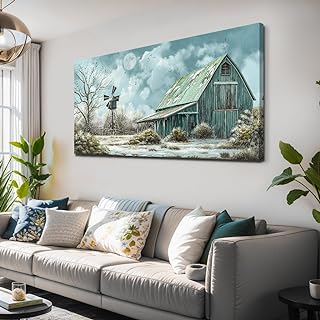


Choosing wall art is no longer limited to picking a picture that matches the colour of a sofa. Modern wall décor can combine visual design, digital displays, lighting, interchangeable artwork and smart-home features. That makes the buying decision more interesting, but it also creates more specifications to compare.
For Canadian homes, the right choice depends on more than appearance. Room size, viewing distance, natural light, frame construction, display technology, power requirements, mounting options and long-term maintenance can all affect whether a wall-art product feels like a worthwhile purchase.
This guide focuses on the factors that matter when comparing smart wall art and related modern decorative displays in 2026. Instead of choosing solely by promotional pricing, consider the complete ownership experience and how well the product fits the intended room.
Traditional wall art normally has a fixed image or design. Smart wall art can refer to products that add technology to the decorative experience. Depending on the product, this may include a digital artwork display, programmable imagery, adjustable lighting, wireless connectivity, app-based controls or a television designed to resemble framed artwork when not being used for entertainment.
The distinction matters because each category has different buying priorities. A conventional framed print is mainly judged by print quality, frame construction and appearance. A digital art display requires additional consideration of screen quality, brightness, software, power consumption and connectivity.
For digital wall art, image quality is one of the most important specifications. Look beyond the advertised resolution and consider screen size, pixel density, viewing distance, contrast and how the display handles darker artwork.
A large display viewed from several metres away does not necessarily need the same pixel density as a smaller display positioned close to a seating area. However, very low-quality imagery can still appear artificial when viewed at close range.
For printed artwork, inspect the image resolution, printing method, paper or canvas type and surface finish. Matte finishes can reduce distracting reflections, while glossy finishes may provide stronger visual contrast but can reflect windows and lighting.
Reflection control becomes particularly important in Canadian living rooms, bedrooms and offices with large windows. A screen that looks excellent in a dim showroom may appear different when positioned opposite a bright window.
Before choosing a digital product, consider where sunlight enters the room throughout the day. A highly reflective surface may require careful positioning, curtains or adjustable lighting to maintain the intended appearance.
The frame is often as important as the artwork itself because it determines whether the product looks like décor or an electronic device.
Compare frame colour, thickness, material, edge profile and mounting position. Neutral finishes such as black, white, silver, natural wood tones and darker wood finishes can suit different interiors.
Also check whether the frame is permanently integrated or interchangeable. An interchangeable frame gives greater flexibility when redecorating a room.
Digital art products are most useful when they offer sufficient artwork flexibility. Look at the available artwork ecosystem and determine whether the product supports multiple image formats or personal photographs.
Some buyers want landscapes, classical artwork and abstract designs, while others prefer family photographs or minimalist graphics. A large built-in artwork collection can be useful, but it is equally important to understand whether additional content requires a separate purchase or subscription.
Brightness should be evaluated according to the room rather than simply choosing the highest number available. A display installed in a bright room has different requirements from one positioned in a darker bedroom.
Automatic brightness adjustment can make a smart display more comfortable to use throughout the day. Manual controls are also useful when you want consistent presentation for a particular artwork.
Size is one of the easiest areas to get wrong. A beautiful piece can look underwhelming if it is too small for the wall, while an oversized display can dominate a compact room.
Before ordering, measure the available wall area. Mark the approximate width and height using painter's tape or removable paper. This simple step provides a much better sense of scale than looking at product dimensions on a screen.
Compact bedrooms, hallways and home offices generally benefit from artwork that leaves sufficient visual breathing space around the frame. Extremely large displays can make narrow walls feel crowded.
A larger wall can support a substantial display or a carefully arranged collection of smaller pieces. When using one large digital artwork display, check the viewing distance and furniture arrangement before deciding on the screen size.
When placing wall art above furniture, consider the relationship between the furniture width and the artwork. A piece that is dramatically narrower than the furniture can appear visually disconnected, while an oversized piece may overwhelm the arrangement.
Digital artwork may be presented in landscape, portrait or square formats. The correct aspect ratio depends on the available wall space and the type of artwork you expect to display.
Check how a product handles artwork that does not match the native display ratio. Cropping can remove important parts of an image, while stretching can distort it.
Connected wall displays may use Wi-Fi or another wireless technology to access artwork, applications or control features. Check compatibility with your home network and consider where the display will be installed.
An app can make it easier to change artwork, schedule display behaviour, adjust settings or organise personal images. However, the quality of the software experience can vary significantly between products.
Before buying, determine whether the main functions can still be controlled directly from the device or remote. Depending entirely on an app can become inconvenient if software support changes in the future.
Scheduling can be useful for digital wall art. You may want a landscape during the day, family photography in the evening or a subdued display while sleeping.
If scheduling is important to you, verify which functions can be automated and whether the schedule works without continuous manual intervention.
Some connected displays may integrate with broader smart-home ecosystems. Compatibility can matter if you already use products from brands such as Samsung, LG, Google or Amazon.
Do not assume that two devices will work together simply because both are marketed as smart products. Check the supported platforms, required applications and available controls before purchasing.
One of the most useful comparisons for Canadian buyers is whether to purchase a dedicated digital art display or a television designed to function as framed artwork.
A dedicated digital art product may prioritise decorative presentation, while a frame-style television can provide a second purpose as an entertainment display. The latter can therefore be attractive when wall space is limited.
The better choice depends on how often the wall will be used for entertainment compared with decoration.
Brand selection should not replace specification comparison, but established manufacturers can provide useful starting points for research. Depending on the type of product, buyers may encounter brands such as Samsung, LG, TCL, Hisense, Philips and other established electronics or home décor manufacturers.
Samsung's frame-style display products are particularly relevant to shoppers researching television-based wall décor. LG offers a broad range of display technologies that can also be considered when comparing smart displays. TCL and Hisense are additional brands worth checking when evaluating display specifications and features.
For conventional wall décor, the manufacturer is only one part of the decision. Materials, printing quality, framing and seller reliability may matter more than brand recognition.
Wood frames can provide a warmer appearance and work well with traditional, Scandinavian, rustic and transitional interiors. Look for information about the wood type, finish and construction rather than assuming every wood-effect frame is made from solid timber.
Metal frames can create a cleaner modern appearance. Aluminium is commonly associated with lightweight contemporary construction, although exact materials vary by product.
Composite or engineered materials can offer useful design flexibility. They may also allow manufacturers to produce particular frame shapes and finishes at different price points.
A wall-art product can look completely different depending on its installation. Before buying a smart display, identify the wall type and determine whether the supplied mounting hardware is appropriate.
Electronic displays should not be treated exactly like lightweight framed prints. Always follow the manufacturer's installation instructions and weight requirements.
Power requirements are easy to overlook when shopping for wall décor. Traditional art requires no electrical connection, while digital artwork displays need a reliable power source.
Think about where the cable will run and whether the installation can conceal it safely. A beautiful display with a visible cable crossing the wall may not achieve the clean appearance you wanted.
For permanent installations, electrical work should be handled according to applicable Canadian electrical requirements and, where necessary, by a qualified professional.
If a digital artwork display remains powered for many hours, energy consumption becomes part of its long-term ownership cost. Look for published energy information and understand the difference between active operation, artwork mode and standby behaviour.
Automatic sleep settings can help reduce unnecessary operation. If the product supports scheduled activation and deactivation, use those functions according to your household routine.
Canada's climate varies considerably by region, but many homes experience significant differences between indoor heating conditions during winter and humid periods during summer.
Traditional framed artwork can be affected by environmental conditions such as humidity, temperature changes and direct sunlight. Digital displays also need sensible placement and should be kept away from excessive moisture.
For bathrooms, kitchens, enclosed porches or other areas exposed to moisture, check the manufacturer's environmental recommendations carefully. A product intended for a dry indoor room should not automatically be assumed suitable for humid environments.
Artwork can look different depending on the display technology and viewing conditions. When comparing digital products, consider colour reproduction, contrast and available picture modes.
A display may have impressive technical specifications but still require calibration or an appropriate image mode to produce the appearance you prefer.
For artwork photography, subtle differences in colour temperature can influence how skin tones, landscapes and painted artwork appear. If you are particularly concerned about accurate presentation, look for independent testing and detailed technical measurements rather than relying only on marketing language.
The cheapest product is not automatically the best value. Consider display quality, frame construction, software support, installation requirements and expected use.
Always measure before ordering. Product dimensions should be compared with the actual wall, furniture and viewing distance.
Digital artwork needs electricity. Think about cable placement before deciding where the display will go.
Artwork libraries, image compatibility and subscription arrangements can differ. Check exactly what is included and what requires additional services.
A display opposite a large window may require stronger reflection management than one positioned on an interior wall.
Weight, mounting points and wall construction should be reviewed before installation.
Resolution is important, but it is not the only factor. Panel technology, contrast, brightness, image processing, colour reproduction and viewing environment all contribute to the final result.
When comparing deals, create a simple specification checklist rather than looking only at the advertised discount. This approach can reveal whether an apparently attractive offer actually matches your requirements.
Prices and availability can change quickly. Check the current retailer listing before making a purchase, particularly during seasonal sales and limited-time promotions.
Customer reviews can provide useful information, but review counts and average ratings should not be treated as the entire decision-making process.
Read recent reviews for recurring comments about installation, connectivity, image quality, software reliability, frame construction and long-term use. Pay particular attention to reviews that explain how the product was used and what room conditions were involved.
Also distinguish between complaints about the product itself and complaints caused by unsuitable installation or unrealistic expectations.
Prioritise a thin profile, understated frame, clean cable management and artwork that complements the room rather than competing with it.
Look for a larger format, strong viewing-angle performance and effective reflection management. A frame-style television can be especially useful if the display will also serve as the household television.
Consider lower brightness at night, simple controls and quiet operation. Scheduling features can be useful when you want the display to change behaviour automatically.
A moderate-size display with sharp image reproduction can work well. Consider whether the artwork will also be used for presentations, productivity or video calls.
Installation flexibility becomes more important. Lightweight traditional artwork may be preferable if permanent electrical work or substantial wall modifications are not practical.
Choose a versatile style unless you know the recipient's interior preferences. Neutral frames and broadly appealing artwork tend to provide more flexibility than highly specific decorative themes.
Electronic artwork displays require basic care to preserve their appearance and performance.
For framed prints and canvas, dust regularly and follow the manufacturer's care instructions for the specific material and finish.
Traditional wall art may be simpler to operate, but it still benefits from careful placement. Avoid prolonged direct sunlight when the artwork or frame is sensitive to UV exposure. Keep paper and canvas away from excessive moisture and large temperature fluctuations where possible.
When cleaning, avoid aggressive chemicals and excessive moisture. The correct method depends on whether the artwork is printed on paper, canvas, acrylic, metal or another material.
Modern Canadian interiors range from compact urban apartments to large suburban houses and spacious rural properties. There is no single ideal wall-art format for every home.
In smaller spaces, multifunctional products can be attractive because one wall-mounted display can combine decoration and entertainment. In larger homes, traditional artwork or multiple coordinated pieces may provide greater flexibility.
Think about the architecture as well as the furniture. A product that works beautifully above a contemporary console may look out of place in a room dominated by traditional wood furniture.
Smart wall art does not necessarily have to stand alone. A digital display can sometimes be integrated into a larger gallery-wall concept, although proportions and cable management require additional planning.
Before drilling holes, arrange the pieces on the floor and photograph the layout. This makes it easier to identify spacing or proportion problems before installation.
There is no single best choice for every Canadian home. The right product depends on your wall dimensions, budget, desired artwork style, room brightness and whether you want the display to function as a television.
Digital wall art can be worthwhile when you value the ability to change artwork frequently or want decorative and smart-home functions in one product. Traditional artwork may be better when you prefer a simple, permanent display without electronics.
Some products support personal photographs, but capabilities vary. Check supported image formats, storage options, transfer methods and any applicable service requirements before buying.
Digital displays and frame-style televisions require electricity. Traditional framed artwork does not. Check the product's power specifications and plan cable management before installation.
It can, particularly if the product has an artwork mode and a suitable frame design. However, a traditional artwork piece may provide a more tactile and permanent decorative experience.
Start with the wall dimensions and viewing distance rather than choosing a size solely from a product category. Use temporary tape to mark the approximate display dimensions on the wall before ordering.
Higher resolution can provide greater detail, but overall presentation also depends on screen size, viewing distance, image quality, contrast, colour reproduction and the display environment.
In many arrangements, centring artwork with the furniture creates a balanced appearance. However, the correct placement depends on the complete room composition, furniture height and surrounding architectural features.
Pricing and availability change throughout the year. Compare current Canadian retailer listings, specifications and total purchase costs rather than relying on an advertised discount alone.
For electronic displays, buyers can research established manufacturers such as Samsung, LG, TCL and Hisense, while also comparing other brands that meet their required specifications. Brand reputation is useful, but the exact product specifications and support terms should determine the final decision.
Before choosing one of the wall-art options you are considering, review the following checklist:
A strong buying decision should balance appearance, functionality, reliability, installation requirements and total ownership considerations. Promotional pricing can make a product attractive, but the lowest advertised price does not necessarily represent the best overall value.
Use the specifications, customer feedback and retailer information available at the time of purchase to confirm the details that matter most to you. Product features, software support, artwork services, prices and availability can change during 2026.
Whether you prefer a traditional framed print, a canvas piece, a dedicated digital art display or a frame-style smart television, the goal is the same: choose a product that fits the wall, complements the room and provides the functionality you will actually use.