

♥ Wishlist
Compare 46 Wall Decals and Panels products in Canada. Reviews, ratings, pros, cons and buying advice updated for October 2026.








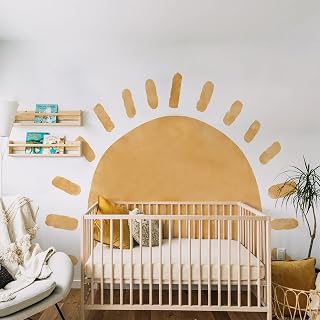



Choosing wall decals or decorative wall panels is about more than finding an attractive pattern. The right option should suit the room, wall surface, installation method, climate, cleaning requirements and the level of permanence you want. For Canadian homes, apartments, rental properties, offices and children's rooms, these details can make a significant difference to the final result.
When comparing the products featured in a 2026 buying guide, look beyond photographs and advertised designs. Check the dimensions, material, adhesive system, surface compatibility, application instructions and customer feedback. A product that looks ideal online may not be suitable for textured drywall, painted masonry, humid bathrooms or frequently cleaned surfaces.
Wall decals are generally thin decorative pieces designed to be applied directly to a wall. They can feature lettering, illustrations, geometric patterns, landscapes, children's designs or other decorative artwork. Many are intended to transform a space without the commitment associated with painting or permanent renovation.
Wall panels are usually more substantial. Depending on their construction, they may provide visual texture, architectural detailing, acoustic characteristics or a three-dimensional appearance. Some panels imitate materials such as wood, stone or brick, while others use contemporary geometric patterns.
The best choice depends on how and where the product will be used. Start by defining the purpose of the installation before comparing patterns or colours.
Measure the height and width of the intended area rather than estimating from photographs. For multiple decals or panels, calculate the combined coverage and allow for spacing between pieces. If a design needs to be centred, measure the wall and mark the intended centre line before installation.
For panel systems, check whether dimensions refer to an individual panel or the total coverage supplied in the package. This distinction can prevent ordering too little material for a large feature wall.
Surface compatibility is one of the most important considerations. Smooth, clean and properly prepared painted walls are generally easier for adhesive products than heavily textured surfaces. Dust, grease, loose paint and moisture can reduce adhesion.
Pay particular attention to older painted walls. A decal may adhere strongly enough to affect the paint when removed. If the manufacturer recommends a test area, follow that instruction before applying the complete design.
Different materials create different visual and practical characteristics. Thin vinyl-style decals can be suitable for graphics and lettering, while thicker decorative materials may provide greater dimensional impact. Foam, PVC, wood-based and composite panels can have different installation, cleaning and durability requirements.
Adhesive performance deserves as much attention as the printed or textured surface. A wall decal that is difficult to position can become frustrating during installation, while an adhesive that is too aggressive may create problems when the product is removed.
Terms such as removable, repositionable and peel-and-stick should not automatically be treated as identical. Read the manufacturer's instructions to understand how long the adhesive is expected to remain effective and what surfaces are supported.
Temperature can also influence installation. Very cold conditions may affect adhesive behaviour, while excessive humidity can interfere with application. Follow the specific temperature and preparation guidance supplied with the product.
Canadian interiors range from compact urban apartments to larger suburban and rural homes. A wall treatment that works well in a spacious room may overwhelm a smaller space. Think about the scale of the design relative to furniture, windows, doors and lighting.
Living rooms often benefit from a single feature wall rather than covering every available surface. Geometric decals, faux-wood panels, minimalist patterns and architectural textures can create a focal point behind a sofa, television or console.
Bedrooms provide more flexibility for softer patterns, botanical designs, abstract artwork and understated textures. Consider the position of the bed before selecting a design so important visual elements are not hidden behind the headboard.
For children's spaces, consider age, changing preferences and cleaning requirements. Removable designs can be particularly useful when the room is expected to evolve over several years. Check the manufacturer's age, material and installation information where applicable.
A restrained geometric pattern or subtle textured panel can help define a workspace without becoming visually distracting. If video calls are common, consider how the wall treatment will appear behind the desk and under artificial lighting.
Do not assume that every wall decal or decorative panel is suitable for bathrooms. Moisture exposure varies considerably. Products should only be used in humid or wet areas when the manufacturer specifically indicates that they are appropriate for that environment.
Even a high-quality wall decal can perform poorly if the wall is dirty, damp or unsuitable. Begin by reading the supplied instructions and preparing the area accordingly.
Large decals and panels may be easier to install with two people. This is particularly relevant for wide designs that need accurate alignment.
Online photographs can make a design appear larger, smaller, darker or brighter than it looks in a real room. Always check the listed dimensions and compare them with the wall area.
A product designed for smooth interior walls may not perform properly on textured wallpaper, rough plaster, brick or other irregular surfaces. Confirm compatibility before purchase.
A listing may contain one large panel, several small panels or a multi-piece decal. Read the package contents carefully so you understand exactly what is included.
Removability can depend on the wall finish, paint quality, installation duration and adhesive characteristics. If protecting the underlying wall is important, follow the manufacturer's removal instructions and test an inconspicuous area when appropriate.
A busy wall treatment can compete with patterned furniture, artwork or strong flooring. Before buying, consider the entire room rather than the wall in isolation.
Brand recognition can help with product research, but it should not replace specification checking. Depending on the product category, shoppers may encounter names such as RoomMates, WallPops, Art3d, VEELIKE and other established or specialist brands.
When comparing brands, examine the actual product rather than assuming every item from a brand has identical characteristics. Material, adhesive type, dimensions and intended surface can vary between product lines.
Customer reviews can provide useful information about real-world installation, but they should be interpreted carefully. Look for recurring observations rather than relying on one unusually positive or negative comment.
Reviews are especially useful when they discuss the same factors that matter to your project: adhesion, colour accuracy, ease of installation, product thickness, sizing and removal.
Recent reviews can also reveal whether buyers are receiving the same version of a product described in the current listing. However, reviews should complement rather than replace the manufacturer's specifications.
If your objective is to create architectural depth rather than simply add artwork, decorative wall panels may be a better fit. Panels can introduce repeating textures, simulated materials and three-dimensional surfaces.
Before choosing a panel system, determine whether it is purely decorative or intended to provide additional functional characteristics. Do not assume that a decorative panel provides structural support, waterproofing, insulation or acoustic performance unless those properties are specifically documented by the manufacturer.
Wood-look panels can create a warm appearance without installing traditional timber across an entire wall. Compare texture, panel dimensions and colour consistency between pieces.
Brick-effect panels can create an industrial or rustic appearance. The quality of the surface texture and the alignment between adjacent panels are important for maintaining a convincing finish.
Three-dimensional geometric designs can create strong visual effects through shadows and changing light. They are best evaluated in relation to the room's existing décor because directional lighting can make raised patterns considerably more prominent.
Maintenance requirements vary according to material and finish. Avoid applying cleaning products unless they are compatible with the surface. Excessive moisture can be particularly problematic for products that are not designed for wet environments.
A smart purchase is not necessarily the cheapest option. The better approach is to compare the total suitability of each product for your project.
First, determine the wall area and desired design. Next, eliminate products that are incompatible with your surface or room conditions. Then compare material, coverage, installation method and maintenance requirements. Finally, review current customer feedback and retailer information before making a decision.
For Canadian shoppers, also verify that the listing is intended for the Canadian market and review the current retailer information before purchasing. Product availability, pricing and seller policies can change during 2026, so current listing details should take priority over older buying-guide information.
A genuine value comparison should consider more than the advertised price. Coverage, material quality, installation difficulty and expected suitability all influence value.
For example, a lower-priced decal may not be the better purchase if it covers substantially less wall area or is difficult to install. Similarly, a larger panel pack may appear expensive while offering better coverage for a complete feature wall.
Compare the cost relative to the area you actually need to cover, while also considering waste, installation equipment and the likelihood that you will need additional pieces to complete the design.
The best wall decal depends on the wall surface, room, design preference, required coverage and installation expectations. Prioritise surface compatibility, dimensions, adhesive characteristics and verified customer feedback rather than selecting solely by appearance.
Many peel-and-stick products are designed to simplify installation, but ease of application depends on the product size, wall condition and design complexity. Careful measurement and surface preparation remain important.
They can potentially affect paint or the underlying finish, particularly when the wall coating is weak or the adhesive is strong. Always follow the manufacturer's removal instructions and consider testing a small area first.
It depends on the panel and installation system. Some products require a relatively smooth surface, while others may accommodate limited texture. Always check the manufacturer's surface requirements before installation.
Some removable decals can be appropriate for rental spaces, but removability does not guarantee that the original wall finish will remain unaffected. Check both the product instructions and the condition of the existing paint.
Only use a decal in a bathroom or other humid environment when the manufacturer specifically confirms suitability for those conditions. Ordinary decorative wall decals should not automatically be treated as moisture-resistant products.
Compare dimensions, total coverage, material, thickness, installation method, surface compatibility, maintenance requirements and customer feedback. These details are more useful than comparing photographs alone.
Check the current product dimensions, material, package quantity, surface requirements, installation instructions, seller information, customer reviews and current Canadian pricing. Product details can change, so verify the information on the current listing before ordering.
The strongest wall decal or panel choice is the one that matches the practical requirements of your space as closely as the visual style. Start with the wall surface and measurements, then evaluate material, adhesive, coverage and installation. Once unsuitable products have been eliminated, use design, customer feedback and current Canadian pricing to make the final comparison.
For 2026 purchases, avoid judging a deal from the headline price alone. A well-matched product with appropriate coverage and straightforward installation can offer better overall value than a cheaper alternative that requires replacement or creates installation problems. Review the latest specifications and verified customer feedback before making your final decision.