

♥ Wishlist
Compare 19 Bed Sheets for Every Bedroom in Canada products in Canada. Reviews, ratings, pros, cons and buying advice updated for October 2026.


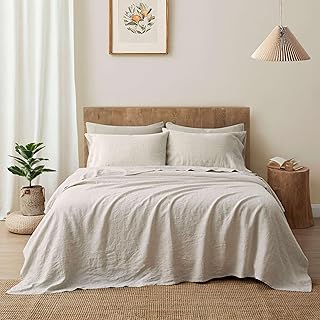


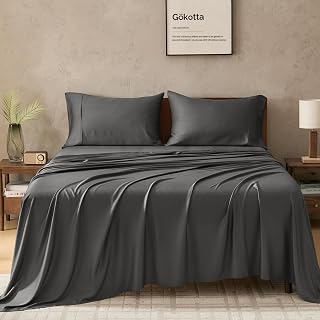


Choosing bed sheets is not simply a matter of finding the lowest advertised price. A genuinely smart buy balances mattress fit, fabric quality, breathability, durability, care requirements and long-term value. For Canadian shoppers, those considerations can also change with the season. Lightweight sheets may be appealing during warmer summer nights, while flannel and other insulating fabrics can become more useful during colder months.
This buying guide is designed to make comparison easier when shopping for sheets in Canada. Instead of treating every sheet set as interchangeable, consider the construction, fibre content, dimensions, pocket depth, weave, finishing, care instructions and intended use. A lower-priced set can be excellent value when it matches your needs, while a more expensive option may make sense when superior fabric, construction or specialised performance provides a meaningful advantage.
A smart purchase is not necessarily the cheapest product. It is the product that delivers the right combination of comfort, fit, durability and practicality for the amount you spend.
When comparing sheet deals, consider these factors together:
The best starting point is your mattress rather than the sheet's appearance. Measure the mattress length, width and depth, including any topper or mattress pad that will remain underneath the fitted sheet. A sheet that technically matches the mattress size can still fit poorly if its pocket depth is insufficient.
Canadian bedding labels commonly use familiar sizes such as Twin, Twin XL, Full, Queen and King, but dimensions can vary by product category and manufacturer. Always check the manufacturer's stated measurements rather than assuming that every Queen or King sheet set will have identical dimensions.
If you use a mattress topper, waterproof protector or thick mattress pad, include that extra height when assessing fitted-sheet depth. A standard-pocket sheet may work perfectly on a thinner mattress but pull away from the corners when additional layers are added.
Pocket depth describes how much mattress height the fitted sheet is designed to accommodate. This is one of the most important specifications for a secure fit.
A fitted sheet that is too shallow can pop off during the night. One that is excessively oversized may feel loose and create unnecessary fabric bunching. The best choice leaves enough room for your complete bedding setup without relying on excessive stretch.
Thread count is often presented as a shortcut for determining sheet quality, but it should not be considered in isolation. Fibre quality, yarn construction, weave, finishing and manufacturing quality can all influence how sheets feel and perform.
A very high thread-count claim does not automatically mean that a sheet will be softer, cooler or more durable. Compare the actual fibre content and construction before treating thread count as a deciding factor.
Cotton remains one of the most versatile choices for everyday bedding. It is available in numerous constructions and price levels, making it possible to find options ranging from practical everyday sets to premium bedding.
When comparing cotton sheets, look at the type of cotton, fibre construction, weave and finishing. Long-staple cotton is often associated with smoother and more durable yarns, but the complete construction still matters.
Cotton can be a strong choice for shoppers who want familiar bedding that is relatively easy to maintain and suitable for year-round use.
Percale typically has a crisp, matte feel and is often selected by sleepers who prefer a lighter and more breathable sleeping surface. Its straightforward construction can give bedding a clean, hotel-inspired character.
Percale may be particularly appealing if you tend to sleep warm or prefer sheets that do not have a silky finish.
Sateen generally provides a smoother, softer-feeling surface with more of a subtle sheen than percale. The fabric can feel warmer and more substantial, which may appeal to sleepers who prefer a cosy or silky texture.
When comparing sateen sets, pay attention to fibre content and finishing because these can influence how the sheets feel after repeated washing.
Linen is valued for its distinctive texture, airflow and relaxed appearance. It can be particularly attractive for warm-weather bedding, although the feel is different from smooth cotton and may become softer through use and washing.
Linen is not always the right choice for someone seeking a perfectly smooth, wrinkle-free appearance. Its natural texture is part of its appeal.
Bamboo-derived rayon and viscose sheets are marketed for their smooth hand feel and moisture-management characteristics. However, shoppers should read the fibre description carefully. The term “bamboo” on a product listing does not necessarily mean the finished fabric is made directly from bamboo fibre.
Check the stated fibre composition and care instructions rather than relying solely on the product name.
Microfiber is typically made from very fine synthetic fibres, commonly polyester. These sheets can be lightweight, smooth and relatively easy to care for, and they are often positioned as an affordable bedding option.
Microfiber can be a practical choice for guest rooms, children’s rooms or shoppers prioritising low maintenance and affordability. However, sleepers who strongly prefer natural fibres or maximum airflow may favour cotton or linen instead.
The choice between percale and sateen largely comes down to feel, temperature preference and personal taste.
Neither weave is universally superior. A sheet that feels excellent to one sleeper can feel too crisp, too smooth, too warm or too textured to another.
The fitted sheet usually deserves the most attention because it has to remain securely positioned throughout the night.
Look for descriptions that explain how the elastic is constructed. Fully elasticised edges can provide a more secure fit than designs with limited elastic, although the overall construction still matters.
Deep corners and appropriately sized pockets can reduce the likelihood of the fitted sheet slipping off. If your mattress includes a thick topper, confirm that the advertised pocket depth accommodates the entire combination.
Some synthetic and blended fabrics have more stretch than traditional woven cotton. Stretch can make installation easier, but excessive looseness can create unwanted movement. Fit should be judged by the mattress dimensions rather than by stretch alone.
A fitted sheet is designed to remain around the mattress, while a flat sheet provides an additional layer between the sleeper and blankets or duvets. Some shoppers prefer complete sheet sets, while others purchase individual pieces to create a customised bedding setup.
If you rarely use a flat sheet, buying a set with multiple pieces may not represent the best value for you. Conversely, households that use flat sheets regularly may benefit from comparing complete sets rather than purchasing individual components separately.
Comparing the advertised price alone can produce misleading conclusions. Calculate what you actually receive for the purchase.
A two-piece set may appear cheaper than a four-piece set but offer less value if you ultimately need to purchase additional bedding separately.
Prioritise breathable construction and fabrics that feel comfortable against the skin without creating excessive warmth. Cotton percale and linen are common options to investigate. Avoid selecting a fabric solely because a listing describes it as “cooling”; examine the actual construction and fibre composition.
Shoppers who prefer a warmer sleeping environment may favour sateen, flannel or other heavier bedding constructions. Flannel is especially associated with colder-season bedding because of its brushed surface and insulating feel.
Guest-room bedding often benefits from a balance between comfort, easy care and durability. Neutral colours and widely available sizes can also make replacement easier.
Practicality is often more important than premium finishing. Look for washable fabrics, secure fitted-sheet construction and materials appropriate for frequent laundering. Bright designs can be attractive, but construction and fit should remain the priority.
If bedding is washed frequently, care instructions become particularly important. Consider whether the fabric requires special washing temperatures, delicate cycles, line drying or other additional care. Easy-care materials may be more convenient for busy households.
Canada's seasonal variation makes it useful to think about bedding as part of a year-round sleep system rather than a single purchase.
Look for lightweight constructions and breathable materials if you become uncomfortable when temperatures rise. Linen and percale can be worth considering for their characteristic airflow and lighter feel.
Autumn is a useful transition period for layering. A versatile cotton sheet set can work with blankets and duvets of different weights without requiring a complete bedding change.
Cold-weather shoppers may prefer flannel or heavier sheet constructions. The ideal choice depends on room temperature, heating habits and personal sleep preferences.
This phrase is not, by itself, a technical measurement of quality. Instead of relying on it, inspect the actual material, construction, dimensions and care instructions.
Luxury is subjective. A premium price or luxury label does not automatically establish superior performance. Compare measurable specifications wherever possible.
Cooling claims can refer to fabric feel, moisture management, weave or marketing positioning. If temperature regulation is important, investigate the fibre and construction rather than treating the word “cooling” as a guarantee.
This generally indicates compatibility with thicker mattresses, but the exact depth varies. Always check the stated measurement.
Wrinkle resistance can be useful for shoppers who want bedding with a neater appearance after laundering. The term does not mean that sheets will necessarily emerge from every wash completely wrinkle-free.
Durability depends on more than fibre type. Repeated washing, drying temperature, detergent choice, mechanical stress and fabric construction all affect the useful life of bedding.
When reviewing customer feedback, look for repeated patterns rather than isolated complaints. Comments about pilling, thinning fabric, shrinking, fading, loose elastic or seams separating can reveal potential weaknesses that are difficult to identify from product photography.
This is one of the easiest mistakes to avoid. Measure the complete mattress setup before ordering.
Thread count can be useful as one specification, but it should never replace evaluation of fibre quality and construction.
A low price can look attractive until you discover that the set does not include the pieces you actually need.
Cotton sheets can differ substantially because of fibre characteristics, yarn construction, weave and finishing.
A sheet that requires more maintenance than you are prepared to provide may become a poor practical choice even if its initial quality is excellent.
Ratings provide useful context, but written reviews can reveal specific information about fit, shrinkage, softness, pilling and long-term use.
Customer feedback is most useful when treated as evidence about recurring product characteristics rather than as a substitute for specifications.
For example, one shopper saying that a sheet feels “too warm” is a personal preference. Multiple shoppers reporting that the fitted corners repeatedly detach may indicate a fit or elastic issue worth investigating.
Brand recognition can help narrow a search, but it should not replace product-level comparison. Depending on the Canadian market and current product selection, shoppers may encounter brands such as Bedsure, Amazon Basics, Mellanni, Utopia Bedding, California Design Den, Eddie Bauer, Laura Ashley, Bare Home and CGK Unlimited.
The same brand can offer products at different quality and price points, so compare the specific sheet set rather than assuming every product from one manufacturer performs identically.
A deal is worth considering only after confirming that the product actually fits your requirements.
Discount shopping works best when you establish the specifications you need before looking at the price. Start with mattress size and depth, then choose your preferred material and weave. After that, compare qualifying products by total value.
This approach prevents a common shopping mistake: allowing an unusually low price to determine what you buy before establishing whether the product is suitable.
It is also useful to compare several retailers because bedding promotions can change frequently. Check the current product description, seller information, shipping details and return policy before placing an order. Prices and availability can change, so a previously attractive deal should always be rechecked at the time of purchase.
No. Price can reflect fabric quality, construction, brand positioning and other factors, but it does not guarantee that a sheet will suit your sleeping preferences.
A budget microfiber set may be a better choice for someone prioritising affordability and simple maintenance. A premium linen set may make more sense for someone who values texture and breathability. A high-quality cotton set may offer the versatility needed for year-round use.
The smartest purchase is therefore the one that solves your particular bedding requirements without paying for features you will not use.
Spending more can make sense when the additional cost corresponds to characteristics you genuinely value.
Premium pricing becomes less compelling when the primary difference is branding or marketing language that does not translate into a meaningful benefit for your use.
Good maintenance can help preserve bedding regardless of price.
Washing and drying conditions can influence shrinkage, colour retention, fabric feel and elastic performance. Following the product's specific care label is more reliable than applying one universal washing routine to every material.
There is no universal number that works for every household. One set can be sufficient for occasional use, while multiple sets can make laundry and seasonal rotation easier.
Having more than one set can also reduce the frequency with which each individual set is washed. If you live in a household where bedding is changed frequently, keeping additional sets available may be more convenient than relying on one set at a time.
Use this checklist before choosing from current sheet deals:
The best sheets depend on your mattress, sleeping temperature, preferred fabric, budget and care preferences. There is no single sheet set that is ideal for every Canadian household. Compare current specifications and customer feedback before making a decision.
They can be worth the additional cost when the fabric, construction, fit or durability provides benefits that matter to you. However, expensive sheets are not automatically better for every sleeper.
Cotton is a versatile choice for many households, while linen can appeal to warm sleepers and people who like a textured feel. Microfiber can be practical for budget-conscious shoppers, and sateen can suit those who prefer a smoother surface. The best material is determined by personal preference and intended use.
No. Thread count should be considered alongside fibre quality, yarn construction, weave and finishing. A high number alone does not guarantee superior comfort or durability.
Look for breathable fabrics and constructions that provide a lighter sleeping feel. Cotton percale and linen are common options to compare. Bedroom temperature, humidity and personal preference also influence perceived warmth.
Flannel and heavier sheet constructions can provide a warmer feel. Sateen may also appeal to sleepers who prefer a smoother and more substantial surface.
Measure the total height of your mattress and any topper or protector that remains underneath the fitted sheet. Compare that measurement with the sheet's stated pocket depth.
Possible causes include insufficient pocket depth, incorrect mattress dimensions, excessive mattress height from a topper, weak or poorly positioned elastic, or a sheet that is simply too large or too small for the mattress.
A complete set can be convenient when you need multiple matching pieces. Individual purchases may provide better value if you already have suitable pillowcases or flat sheets and only need a replacement fitted sheet.
The appropriate frequency depends on personal preference, climate, sleeping habits and household circumstances. Follow the manufacturer's care instructions and establish a routine that keeps bedding clean and comfortable.
Many products marketed as bamboo sheets use rayon or viscose derived from bamboo as the stated textile fibre. Read the fibre-content label to determine what the finished fabric is actually made from.
They can be. Microfiber is often selected for its affordability, smooth feel and relatively easy care. Whether it is suitable depends on your preference for synthetic versus natural fibres and your desired sleeping temperature.
The strongest sheet purchase is not necessarily the product with the biggest discount or the highest thread-count claim. Start with the practical specifications that cannot be negotiated: mattress size, pocket depth, fabric composition and set contents. Then compare the characteristics that influence comfort, such as weave, texture, breathability and warmth.
For Canadian shoppers, seasonal conditions are another useful consideration. A lightweight percale or linen set may suit warmer periods, while flannel or heavier bedding can be more appropriate when temperatures fall. A versatile cotton set can provide a practical middle ground for year-round use.
Before buying, compare current Canadian listings, inspect the complete specifications, read recent customer feedback and verify the current price and return conditions. Product availability, promotions and seller information can change during 2026, so treat any advertised deal as time-sensitive.
Most importantly, buy for your mattress and your sleeping habits rather than buying according to marketing claims. When fit, material, construction, care requirements and total value all align, you are much more likely to turn a sheet discount into a genuinely smart purchase.