

♥ Wishlist
Compare 12 Camera & Photo Equipment for Every Kind of Photography products in Canada. Reviews, ratings, pros, cons and buying advice updated for October 2026.

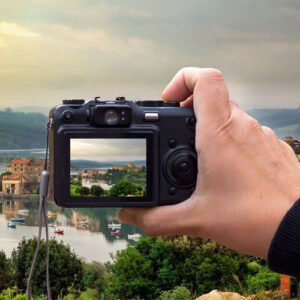
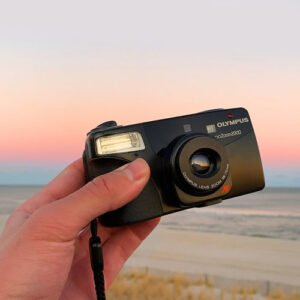



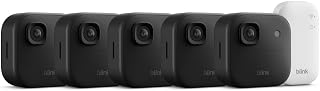


Finding a worthwhile camera deal in Canada is about more than identifying the lowest advertised price. A camera, lens or photography kit can look inexpensive while offering limited upgrade potential, an unsuitable lens, an older processor, a weak battery or features that do not match the way you actually shoot. A smarter buying decision considers image quality, autofocus, lens compatibility, video capability, handling, battery life, storage requirements and the total cost of building a useful photography system.
This guide is designed for Canadian shoppers comparing camera and photo equipment in 2026. It focuses on the factors that matter when evaluating competing deals, including interchangeable-lens cameras, compact cameras, lenses, accessories and photography bundles. Product specifications and retailer pricing can change, so shoppers should verify the current configuration, seller, warranty terms and price before purchasing.
A smart camera purchase balances performance, usability and long-term value rather than simply maximizing specifications. The right choice should provide the capabilities you need without requiring you to pay for features you are unlikely to use.
Mirrorless cameras are a major option for photographers who want interchangeable lenses in a relatively compact system. They are available across entry-level, enthusiast and professional segments. Electronic viewfinders can display exposure information and other shooting information before the photograph is captured, while modern autofocus systems can provide sophisticated subject recognition and tracking.
A mirrorless camera can be a particularly strong choice when you expect to purchase additional lenses over time. However, body size should not be considered in isolation. A compact camera paired with a large telephoto or professional zoom may still form a substantial kit.
DSLRs remain relevant for shoppers considering existing lens collections, used equipment or established systems. Optical viewfinders provide a direct view through the lens, and many DSLR systems have extensive selections of lenses and accessories.
For a new buyer, the important question is not whether DSLR technology is inherently better or worse than mirrorless technology. Instead, compare the complete system, including available lenses, autofocus requirements, body condition, compatibility and the type of photography you plan to do.
Compact cameras can make sense for travelers, casual photographers and anyone who values portability. Because the lens is integrated, there is no need to purchase and carry interchangeable lenses. This can simplify the ownership experience considerably.
The trade-off is flexibility. A fixed-lens camera cannot provide the same lens-selection options as an interchangeable-lens system, so carefully check the equivalent focal-length range, maximum aperture, stabilization and close-focusing capability.
Bridge cameras can appeal to travelers and wildlife enthusiasts who want a broad zoom range without carrying several interchangeable lenses. They occupy a useful middle ground between compact cameras and interchangeable-lens systems.
When evaluating a superzoom deal, pay particular attention to the maximum aperture at the long end of the zoom range, stabilization, autofocus behavior and the camera's performance in low light. A very large zoom range does not automatically mean better image quality.
Action cameras are designed around portability, durability and wide-angle video capture. They can be useful for cycling, skiing, hiking, travel and other activities where a conventional camera may be inconvenient.
Buyers should compare stabilization, waterproofing requirements, mounting options, battery configuration, field of view, overheating behavior and the quality of the accompanying mobile application rather than focusing exclusively on video resolution.
Sensor size is one of the most important technical specifications to understand when comparing cameras. Common formats include full-frame, APS-C and Micro Four Thirds, while compact and smartphone cameras may use substantially smaller sensors.
Full-frame cameras can provide strong low-light performance, high image quality and greater control over depth of field when paired with appropriate lenses. They are often attractive to serious enthusiasts and professionals, but the complete system can be larger and more expensive.
APS-C systems offer a balance between image quality, camera size and system cost. The smaller sensor format can also provide useful reach for subjects such as birds, wildlife and sports when combined with suitable lenses.
Micro Four Thirds cameras can provide compact bodies and lenses while retaining interchangeable-lens flexibility. Their smaller format can be particularly appealing to travelers who want a capable system without carrying a large kit.
Not necessarily. Resolution affects the amount of fine detail that can be recorded and provides additional flexibility for cropping, printing and certain commercial applications. However, megapixels do not independently determine overall image quality.
Lens sharpness, sensor characteristics, autofocus accuracy, exposure, lighting, image processing and photographer technique can be equally important. A camera with fewer pixels can produce a better photograph for a particular situation than a higher-resolution camera used with an unsuitable lens or poor technique.
For interchangeable-lens cameras, the body is only one part of the purchase. The lens determines much of the field of view, perspective, depth-of-field characteristics and practical shooting capability.
A standard zoom is often the most versatile starting point because it can cover everyday subjects such as travel scenes, family photographs, portraits, food, interiors and general-purpose photography. Compare the focal-length range and maximum aperture rather than judging a lens solely by its zoom factor.
Wide-angle lenses are useful for landscapes, architecture, interiors and situations where you need to include a large amount of the scene. Extremely wide lenses can introduce perspective effects, so consider how you intend to use them.
Portrait-oriented lenses are often selected for their combination of focal length and wide aperture. A wider aperture can help separate a subject from the background, although the resulting depth of field also becomes shallower.
Long lenses are useful for wildlife, birds and sports because they allow photographers to frame distant subjects. They can also be substantially heavier and more expensive than standard lenses. Check the complete weight of the camera-and-lens combination before assuming a telephoto kit will be comfortable for long periods.
Prime lenses use a fixed focal length rather than a zoom mechanism. Their simpler focal-length concept can encourage deliberate composition, and many are available with relatively wide maximum apertures. A prime can be an excellent choice when you know the perspective you use most frequently.
Modern autofocus systems can include face detection, eye detection, animal recognition, vehicle recognition and subject tracking. These features can be valuable, but specifications should be interpreted in the context of the intended subject.
Maximum frames per second can be an attractive specification, but it should not be evaluated alone. Check whether the advertised speed applies to the selected shutter mode, electronic or mechanical shutter, autofocus tracking and image format.
Buffer capacity is also important. A camera may capture a very high burst rate but slow down after its internal buffer fills. Photographers covering sports or wildlife should therefore compare sustained burst performance and card-writing behavior as well as peak shooting speed.
Electronic shutters can enable silent shooting and extremely fast shutter speeds on compatible cameras, while mechanical shutters can provide predictable results in situations where electronic shutter behavior may introduce distortion.
Potential rolling-shutter effects are particularly relevant when photographing rapidly moving subjects or panning. If you regularly shoot fast action, investigate how the camera handles motion at the shutter mode you expect to use.
Image stabilization can reduce camera shake when shooting handheld at slower shutter speeds. In-body image stabilization can be especially useful when supported by the camera and lens combination, while optical stabilization is built into some lenses.
Stabilization does not freeze moving subjects. If the subject is moving, you may still need a faster shutter speed. This distinction is important when comparing cameras marketed heavily around stabilization.
Many current cameras are capable video devices as well as still cameras. If video matters to your purchase, look beyond the headline resolution.
A camera that offers a high-resolution recording mode may still be less suitable for your workflow if that mode has significant recording limitations or requires unusually large storage capacity.
The rear display and electronic or optical viewfinder are important parts of the shooting experience. A higher-resolution display can make reviewing images and checking focus easier, while a fully articulating screen can be useful for low-angle photography, self-recording and video production.
Viewfinder size, refresh behavior, eye relief and display information can influence usability. Photographers who primarily compose through the viewfinder should consider these characteristics rather than relying only on the camera's sensor resolution.
JPEG files are processed inside the camera and are convenient for sharing and everyday use. RAW files preserve substantially more original image information for post-processing, depending on the camera and selected format.
RAW is particularly useful when you expect to make significant adjustments to exposure, white balance, highlights, shadows or color. The trade-off is larger files and the need for compatible editing software and a more deliberate workflow.
Many photographers use both formats. The best choice depends on whether speed, storage efficiency and immediate sharing are more important than extensive editing flexibility.
A camera deal should be evaluated as a complete kit. A body that appears affordable can require additional spending before it is ready for serious use.
Canada's camera market includes several established manufacturers with different system philosophies. Brand reputation should not replace product-level comparison, but understanding the major ecosystems can help narrow a search.
When comparing brands, investigate the complete lens ecosystem, accessory compatibility, camera ergonomics and the features relevant to your photography rather than choosing solely by brand recognition.
For a first interchangeable-lens camera, prioritize ease of use, reliable autofocus, a useful kit lens, comfortable handling and access to affordable additional lenses. Spending more on a sophisticated body may provide little benefit if the budget leaves no room for the lens you actually need.
Enthusiasts should consider whether the camera offers meaningful improvements in autofocus, controls, dynamic range, burst performance, stabilization, viewfinder quality and lens compatibility. This is also the stage where system size becomes an important consideration.
Professional buyers often need to evaluate reliability, workflow efficiency, file formats, connectivity, sustained burst performance, video capabilities, battery management and lens availability. The most expensive camera is not automatically the most suitable camera; workflow requirements should determine the specification priorities.
An older camera can sometimes offer excellent value when its core specifications still satisfy your needs. Camera technology evolves quickly, but not every improvement is relevant to every photographer.
Before selecting an older model, check firmware support, battery availability, memory-card compatibility, lens compatibility, autofocus capabilities and whether the camera lacks a feature that has become important to your workflow.
For used equipment, physical condition becomes an additional consideration. Inspect the camera body, mount, buttons, ports, screens and battery compartment where possible, and verify the seller's condition description and applicable return terms.
Camera specifications are useful only when they answer a practical question. A long list of numbers can make two products appear dramatically different even when the real-world difference may be small for a particular photographer.
More resolution can be useful, particularly for cropping and large prints, but it should not be treated as a universal measure of camera quality. Higher-resolution files can also consume more storage and processing resources.
The lens frequently has a greater practical effect on what you can photograph than a modest difference between camera bodies. Before buying, identify the focal lengths you expect to need and estimate the complete system cost.
A camera can look compact in a product photograph but become substantially larger with a telephoto lens, additional batteries and accessories. If you travel frequently or hike with your equipment, complete-kit weight should be part of the buying decision.
Professional video formats, extremely fast burst modes, advanced connectivity and specialized autofocus modes may be valuable to some users and unnecessary to others. A less expensive camera that matches your actual workflow can represent the better deal.
Two listings can use the same camera body name while including different lenses, batteries or accessories. Always compare the exact contents of the package rather than assuming every bundle is identical.
Interchangeable-lens systems are not universally cross-compatible. Check the exact mount before purchasing additional lenses, particularly if you are moving between camera systems.
A discount percentage does not automatically indicate value. Compare the current configuration, historical positioning where reliable information is available, competing models and the total equipment cost before deciding whether the offer is genuinely attractive.
Travel photographers often benefit from a balance of size, versatility and battery performance. A compact camera or lightweight mirrorless system can be preferable to a larger professional kit when portability is a priority.
Wildlife photography places greater emphasis on autofocus tracking, long focal lengths, burst performance, stabilization and handling. Lens availability can be just as important as the camera body.
Sports photographers should compare continuous autofocus, subject tracking, burst behavior, shutter performance, buffer capacity and viewfinder responsiveness. Fast lenses can also have a significant impact in indoor or low-light venues.
Portrait photographers should consider lens selection, skin-tone rendering, autofocus reliability, aperture options and ergonomics. A suitable portrait lens may produce a more meaningful improvement than moving to a substantially more expensive camera body.
Landscape photographers commonly prioritize dynamic range, image quality, lens selection, tripod compatibility, weather considerations and high-resolution capture. Wide-angle lens quality and distortion control can be particularly important.
Families may benefit from fast autofocus, simple controls, good automatic modes, reliable face and eye detection, reasonable size and quick sharing capabilities. Ease of use is often more valuable than advanced professional controls.
Content creators should compare video autofocus, screen articulation, microphone support, stabilization, battery behavior and connectivity. If the camera will be used for both photography and video, evaluate it as a hybrid system rather than judging it exclusively by still-image specifications.
Canada presents a broad range of environmental conditions, from cold winter temperatures to humid summers and demanding outdoor travel. Photographers planning to work outside should consider how temperature, moisture, snow and condensation may affect equipment use.
Weather resistance should be treated carefully. A manufacturer's description of weather sealing does not necessarily mean a camera is waterproof or suitable for every extreme environment. The camera, lens and accessories should be considered as a complete system, and appropriate protection may still be necessary.
Cold weather can also affect battery performance. Photographers spending extended periods outdoors may want to plan for spare batteries and suitable storage practices rather than assuming the rated battery capacity will remain identical under every condition.
A practical camera system can usually be built progressively. Instead of purchasing every accessory at once, begin with the equipment needed for your primary type of photography.
Higher spending can make sense when it solves a specific limitation. Examples include needing better autofocus for fast subjects, improved low-light performance, a more durable body, faster burst shooting, stronger video capabilities, higher-resolution files or access to a particular professional lens.
If you cannot identify the limitation that the upgrade solves, the additional expense may provide little practical benefit. A camera should be upgraded because it improves the photographer's workflow or expands what can be captured, not simply because a newer model has a longer specification sheet.
When comparing a shortlist of ten camera deals, use the same evaluation criteria for every candidate. This avoids allowing a particularly attractive discount, brand name or headline specification to dominate the decision.
Before selecting a camera from a 2026 buying list, work through this checklist:
There is no single best camera for every Canadian shopper. The right choice depends on budget, photography style, desired lens system, portability, autofocus requirements, video needs and long-term upgrade plans. A suitable entry-level camera can be a better purchase than a professional model if its features match the way you shoot.
Neither category is universally better for every photographer. Mirrorless cameras offer advantages such as electronic viewfinders, compact system designs and modern autofocus features, while DSLRs can remain attractive for photographers who already own compatible lenses or prefer optical viewfinders. Compare the complete system and your individual requirements.
No. Higher resolution can provide additional cropping and printing flexibility, but image quality also depends on the sensor, lens, exposure, autofocus, image processing and shooting conditions.
A kit that includes a suitable lens can be more practical for beginners because it provides a ready-to-use system. However, compare the included lens carefully. A camera bundle is only attractive if the lens suits the photography you intend to do.
Prioritize portability, battery management, versatile focal lengths, dependable autofocus, durability and easy image transfer. A smaller system that you are comfortable carrying can be more useful than a technically superior camera that stays at home because of its size.
Not necessarily. Full-frame cameras can provide advantages in image quality, low-light work and depth-of-field control, but APS-C, Micro Four Thirds and compact systems can be excellent choices depending on the subject, budget and portability requirements.
The lens is extremely important. Focal length, aperture, optical design, stabilization and focusing performance all influence what you can photograph and how the resulting image looks. When comparing deals, evaluate the body and lens as a single system.
There is no universal amount. Start with essential items such as a suitable memory card, battery solution and protection for the equipment. Add specialized accessories only when they solve a genuine requirement in your photography workflow.
Online shopping can make it easier to compare specifications, configurations and current prices across retailers. Before purchasing, verify the seller, exact model, included accessories, warranty information, return policy and whether the listed configuration is intended for the Canadian market.
An older model can be a sensible value choice when its capabilities still satisfy your requirements. Compare it against newer alternatives for autofocus, processor performance, battery behavior, video functions, connectivity and system compatibility before deciding.
There is no single specification that determines whether a camera is right for you. Sensor characteristics, lens compatibility, autofocus, handling, battery life, burst performance and video capability should be evaluated according to the intended use.
Camera pricing, inventory, product generations and retailer promotions can change throughout the year. For that reason, a buying guide should be treated as a comparison resource rather than a guarantee of a particular price or availability. Always verify current details before purchasing.
The strongest camera deal is not necessarily the camera with the largest discount, highest resolution or most expensive specification list. It is the option that provides the right combination of image quality, lens compatibility, autofocus, portability, controls, video capability and long-term system value for your photography.
Canadian shoppers should compare the exact product configuration, not just the headline model name. Check whether the deal includes the lens you need, confirm the supported accessories, review current seller and warranty information, and calculate the cost of building the complete system. If two cameras offer similar results for your intended photography, the lighter, simpler or less expensive option may ultimately provide better value.
Before making a final decision, compare current specifications, read verified customer feedback, check today's retailer pricing and confirm the exact configuration available in Canada. Taking these steps can help turn a tempting camera promotion into a genuinely smart photography purchase.