

♥ Wishlist
Compare 49 Binoculars & Scopes for Outdoor Viewing products in Canada. Reviews, ratings, pros, cons and buying advice updated for October 2026.


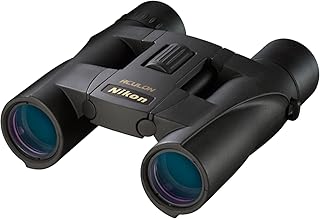


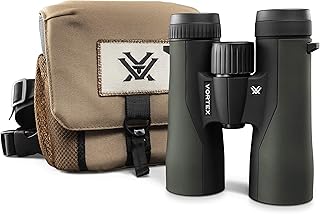
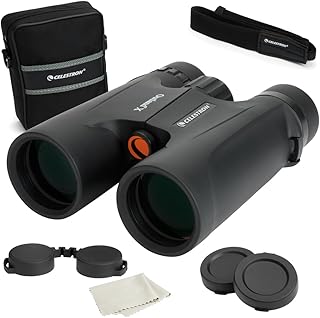

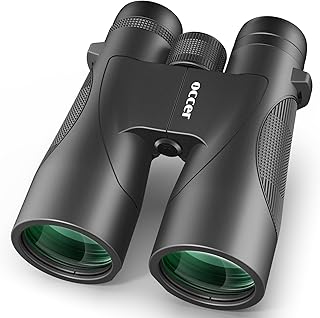
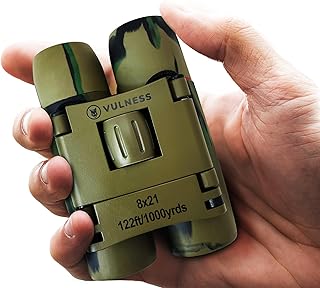


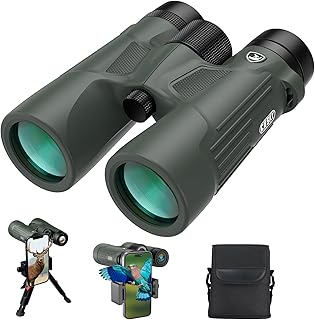


Choosing binoculars or a scope is less about finding the product with the longest specification sheet and more about matching optical performance, physical design, durability and magnification to the way you intend to use it. A compact binocular for hiking has very different priorities from a full-size model for wildlife observation, while a riflescope, spotting scope or other specialty optic requires a different set of specifications altogether.
For Canadian buyers, the decision can also involve practical considerations such as cold-weather operation, moisture resistance, portability, lens coatings, mounting compatibility and the availability of replacement accessories. A model that performs well in mild conditions may not be equally convenient when used during a cold autumn morning, on a wet trail or during extended outdoor observation.
This expanded buying guide explains the specifications that matter, how to compare different types of optics, which features are genuinely useful, which marketing claims deserve closer examination and what to check before purchasing.
Binoculars and scopes both magnify distant subjects, but their designs serve different purposes. Understanding the distinction before comparing individual products can prevent an expensive mismatch.
Binocular specifications can appear complicated because manufacturers commonly describe a model with numbers such as 8x42 or 10x50. These figures provide useful information, but they should always be considered together rather than evaluated independently.
The first number in a binocular specification normally represents magnification. An 8x binocular makes a distant object appear approximately eight times closer than it would to the unaided eye, while a 10x model provides approximately ten times magnification.
Higher magnification is not automatically better. Increasing magnification can make hand shake more noticeable and can make it harder to locate a moving subject quickly. For general-purpose outdoor viewing, moderate magnification is often easier to use for extended periods.
The second number indicates the diameter of the objective lenses in millimetres. A specification such as 8x42 therefore describes eight-times magnification with 42 mm objective lenses.
Larger objective lenses can gather more light, which can be valuable during dawn, dusk or heavily overcast conditions. The trade-off is additional size and weight. A compact optic may be easier to carry all day, whereas a larger model may be preferable when low-light performance is a priority.
Field of view describes how much of a scene can be observed through the optic at a particular distance. A wider field of view can make it easier to locate birds, animals or moving subjects.
Field of view becomes particularly important for users who frequently switch between scanning a broad landscape and focusing on individual subjects. Do not compare field-of-view numbers without checking whether manufacturers express them at the same distance and using the same measurement convention.
Exit pupil is the small circle of light visible through the eyepiece when the binocular is held away from the eye. It can be calculated by dividing objective lens diameter by magnification. For example, a 42 mm objective divided by 8x magnification produces a 5.25 mm exit pupil.
A larger exit pupil can make an optic more comfortable to use in dim conditions, but it should not be treated as a standalone measurement of optical quality. Lens coatings, glass quality, optical design and the observer's own eyesight all influence the viewing experience.
Eye relief is the distance your eye can be positioned from the eyepiece while still seeing the intended field of view. This specification is especially important for people who wear glasses.
Insufficient eye relief can force a glasses wearer to position their eyes uncomfortably close to the eyepiece or can reduce the usable field of view. Look for adjustable or foldable eyecups and pay attention to the manufacturer's stated eye-relief measurement.
Close-focus distance describes how near a subject can be while remaining sharply focused. Birdwatchers and nature observers may value a relatively short close-focus distance because insects, flowers and nearby wildlife can become part of the viewing experience.
Two binoculars can have identical magnification and objective-lens measurements yet produce noticeably different images. Optical quality depends on more than the numbers printed on the product box.
The optical glass used throughout the system influences sharpness, contrast, colour rendition and performance toward the edges of the image. Premium glass can improve performance, but buyers should avoid assuming that a particular glass abbreviation automatically guarantees superior results across every product.
Lens coatings are used to reduce unwanted reflections and increase the amount of useful light transmitted through optical surfaces. Terms such as coated, fully coated, multi-coated and fully multi-coated describe different levels or applications of coating.
When comparing products, look for clear information about the coating configuration rather than relying on vague statements such as “high-definition optics” or “crystal-clear vision.”
A good optic should provide an image with useful contrast and natural-looking colour without excessive distortion. Strong contrast can make fine details easier to distinguish, especially when a subject is viewed against vegetation, rocks, snow or a cloudy sky.
Some optics deliver a very sharp central image but become noticeably softer toward the edges. This may be less important for casual viewing but more noticeable when scanning large landscapes or observing detailed scenes.
Binoculars commonly use either roof-prism or Porro-prism optical designs.
The prism type alone does not determine whether a binocular is good or bad. Optical engineering, glass, coatings, alignment, construction quality and manufacturing consistency all matter.
Outdoor optics can encounter rain, snow, condensation, dust and rapid temperature changes. Buyers who plan to use binoculars or scopes outdoors should examine the manufacturer's information about water resistance, fog resistance and construction.
Water-resistant and waterproof are not necessarily interchangeable descriptions. Check the manufacturer's stated protection level and intended use rather than assuming that any sealed-looking binocular can withstand prolonged exposure to rain or immersion.
Some sealed optics are internally purged with nitrogen or another dry gas to reduce the likelihood of internal fogging caused by temperature changes. This can be useful when moving between heated indoor spaces and cold outdoor environments.
Cold temperatures can affect batteries, lubricants, mechanical controls and the comfort of the user. If an optic includes electronic components, illumination or digital features, check its stated operating-temperature information before relying on it in demanding winter conditions.
For purely optical binoculars, mechanical simplicity can be an advantage in situations where battery management is inconvenient. Regardless of design, allow cold optics to acclimatise gradually when moving between significantly different temperatures to reduce condensation concerns.
Binocular bodies are commonly constructed from materials such as polycarbonate, aluminium alloys and magnesium alloys, depending on the design and price category. Rubberised exterior armour may improve grip and help protect the housing against minor knocks.
However, a rugged-looking exterior does not automatically mean the internal optical system is built for severe abuse. Buyers should consider the complete construction, including hinge quality, focus mechanism, eyecups, lens protection and sealing.
The central focus wheel should turn smoothly and predictably without excessive looseness. A poorly controlled focus mechanism can make fine adjustments frustrating, particularly when observing subjects at different distances.
A dioptre adjustment allows the binocular to compensate for differences between the user's eyes. Proper adjustment can make a significant difference in viewing comfort and perceived sharpness.
On adjustable binoculars, the hinge should hold its selected width consistently. Eyecups should remain in their intended positions during normal use. These are easy-to-overlook components, but they directly affect comfort and usability.
Rather than selecting the highest available magnification, consider how you will actually hold and use the optic.
For high-magnification scopes, tripod compatibility becomes increasingly important. A stable support system can make more practical difference than simply increasing magnification.
If your primary objective is long-distance observation, a spotting scope can provide a level of detail that is difficult to achieve with conventional binoculars. Spotting scopes are often used for wildlife observation, landscape viewing and other situations where the user expects to remain stationary for longer periods.
The disadvantage is portability. A scope, tripod and accessories can be considerably less convenient than a pair of binoculars. Buyers should therefore compare the entire carrying setup rather than evaluating the scope by itself.
Straight scopes can be intuitive for users who prefer a direct line of sight. Angled scopes can be more convenient when sharing a tripod with users of different heights and may provide a comfortable viewing position during prolonged observation.
Riflescopes are a specialised category and should be evaluated according to their intended lawful use, firearm compatibility and applicable Canadian requirements. Optical specifications alone do not tell the whole story.
Always verify compatibility with the specific firearm, mounting system and applicable Canadian laws and regulations before purchase or use.
Birdwatchers generally benefit from a combination of manageable magnification, a useful field of view, good close focus, strong contrast and comfortable handling. Fast-moving birds can be difficult to locate through very high-magnification optics, so balance is often more valuable than maximum power.
Wildlife viewing often involves changing distances and variable lighting. Weather resistance, focus speed, optical contrast and low-light performance can therefore be more useful than a specification that looks impressive in isolation.
Weight becomes a major consideration when an optic is carried for several hours. Compact binoculars can be attractive for hikers who want occasional viewing without adding substantial bulk to a pack.
Travellers should consider dimensions, protective cases, durability and ease of use. A binocular that is technically impressive but too large to carry conveniently may spend more time in luggage than in use.
Binoculars can provide a broad-field introduction to astronomy, particularly for observing the Moon and larger celestial objects. Larger objectives can help gather light, but increased size and weight can make stable viewing more difficult.
For stadiums, arenas and outdoor competitions, a moderate magnification with a wide and comfortable field of view is often practical. Compact models are also easier to carry through a full event.
Comfort is an important part of optical performance because an uncomfortable optic is less likely to be used consistently.
The right accessories can significantly improve the practicality of an optic.
Optical surfaces should be cleaned carefully because abrasive particles or unsuitable cleaning materials can damage coatings.
Do not rub a dusty lens aggressively. Removing loose particles first reduces the possibility of dragging grit across the optical coating.
More magnification can sound better, but excessive magnification can reduce stability and field of view. Choose magnification according to the subject, distance and support available.
A heavy optic may provide excellent specifications but become tiring during long viewing sessions. Always consider the complete carrying weight.
A larger objective lens can gather more light, but it also increases weight and physical size. Optical transmission and overall design remain important.
Higher-priced products can include better materials, optical systems and mechanical components, but price should still be evaluated against actual requirements. A premium feature that you never use provides little practical value.
People who wear glasses should pay particular attention to eye relief and eyecup design before purchasing.
Product photographs can make binoculars and scopes look smaller than they are. Check the stated dimensions and weight before deciding whether an optic will fit comfortably in your backpack, vehicle or storage space.
Customer feedback can be useful, but reviews should be evaluated critically. Look for comments that discuss specific characteristics rather than relying on a simple star rating.
Verified customer reviews can provide useful real-world context, but they should complement rather than replace specification checks and manufacturer information.
Several established names appear frequently in the binocular and optics market, including Nikon, Vortex, Bushnell, Celestron, Leupold, ZEISS, Swarovski and Leica. Brand reputation can be a useful starting point, but the individual model still needs to be evaluated on its own specifications and intended application.
For Canadian shoppers, compare the exact model number rather than assuming that all products from a particular manufacturer offer the same construction, optical quality or warranty terms. Product ranges often include entry-level, mid-range and premium models with substantially different designs.
If your budget is limited, prioritise the features that have the greatest effect on your actual use.
In other words, spend money on the specifications you will actually use rather than paying a premium for features that do not address your requirements.
Before completing a purchase, use this checklist to compare shortlisted models consistently:
A genuine deal should be evaluated against the product's specifications and normal market positioning, not merely the size of a displayed discount. A lower-priced product is not necessarily better value if it requires compromises that matter to your intended use.
When comparing current offers in Canada, check the exact model, included accessories, objective diameter, magnification, generation or model revision, retailer terms and warranty coverage. Similar-looking products can have different specifications even when their names are nearly identical.
It is also sensible to compare the complete ownership cost. A binocular may appear inexpensive initially but require a case, adapter or other accessory that changes the final budget. Conversely, a product that includes useful accessories may represent stronger value even when its headline price is higher.
There is no single best binocular for every Canadian buyer. The right choice depends on magnification, objective size, weight, optical quality, weather resistance, budget and intended use. A balanced, comfortable model is generally more useful than one selected solely because it has the highest magnification.
Neither is universally better. Lower magnification can be easier to stabilise and can provide a wider field of view, while higher magnification can reveal additional detail at distance. Choose according to the subjects you observe and whether you normally use the binoculars handheld.
Larger objective lenses can provide greater light-gathering potential, but low-light performance also depends on optical transmission, coatings, glass quality, exit pupil and overall optical design. Size alone is not a complete measure of low-light performance.
For regular outdoor use, weather-resistant construction can be a valuable feature. It is especially relevant where rain, snow, humidity or condensation may be encountered. Check the manufacturer's actual protection specification rather than relying solely on the word “waterproof.”
Many moderate-magnification binoculars can be used comfortably by hand. A tripod becomes more useful as magnification and weight increase or when the user needs a stable image for prolonged observation.
Price can reflect optical components, coatings, mechanical construction, quality control and other design factors, but it does not eliminate the need to compare individual models. The best value depends on whether the additional features and performance justify the additional cost for your use.
It normally means 10x magnification with 42 mm objective lenses. The specification gives useful information about magnification and lens size, but it does not by itself describe the complete optical quality of the binocular.
Pay particular attention to eye relief and adjustable eyecups. The goal is to position the eyes comfortably while retaining as much of the designed field of view as possible.
Lens coatings can reduce reflections and improve light transmission through optical surfaces. They are important, but should be evaluated alongside glass quality, optical design, alignment and overall construction.
Choose binoculars when portability, quick scanning and two-eye viewing are priorities. Consider a spotting scope when detailed long-distance observation is more important and you are comfortable carrying and using a tripod-based setup.
Check the exact scope type, intended application, magnification, objective size, eye relief, adjustment system, mounting compatibility, construction, manufacturer documentation and applicable Canadian legal requirements. For firearm-related optics, ensure that the complete setup complies with applicable laws and regulations.
The smartest way to compare binoculars and scopes in 2026 is to start with the viewing task and work backward to the specifications. Decide how far away your subjects will be, whether you need portability or maximum detail, how much time you will spend holding the optic, what weather conditions you expect and whether you require a tripod or mounting system.
Then compare shortlisted models using the same criteria: magnification, objective diameter, field of view, eye relief, close focus, optical coatings, construction, weight, dimensions, focus controls and weather resistance. Check the exact model number and read verified customer reviews for additional context.
For Canadian shoppers, also verify the retailer's current price, availability, return conditions and warranty information before committing to a purchase. Product specifications and offers can change during 2026, so the most useful comparison is always based on the exact model and current listing you are considering.
A well-matched optic does not have to be the largest, most powerful or most expensive option. The better purchase is the one that provides the right combination of optical performance, comfort, durability and practical features for the way you actually plan to use it.