

♥ Wishlist
Compare 39 Furniture for Every Room and Lifestyle products in Canada. Reviews, ratings, pros, cons and buying advice updated for October 2026.
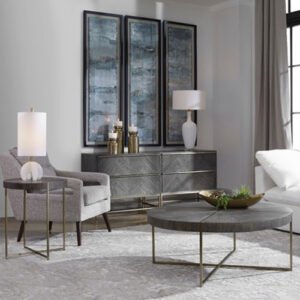
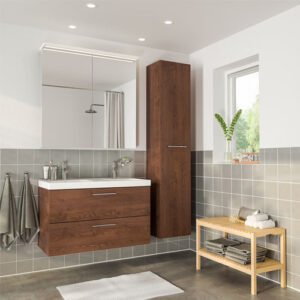
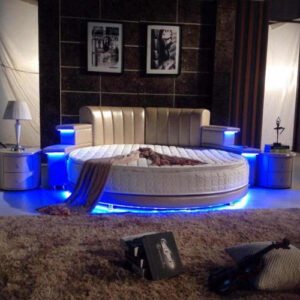
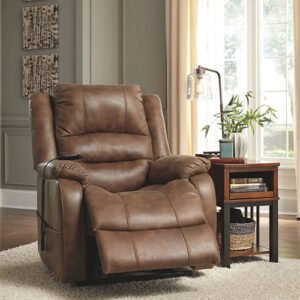
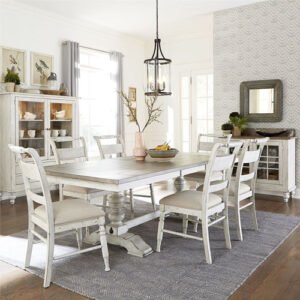
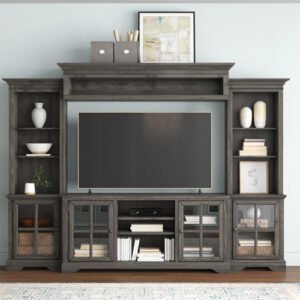
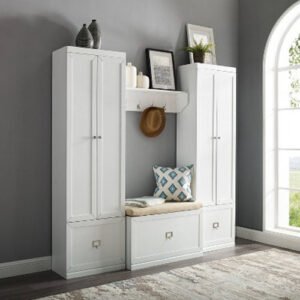
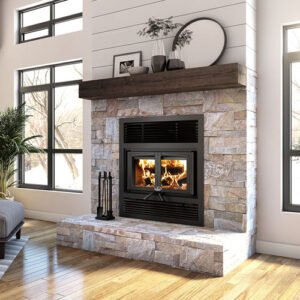


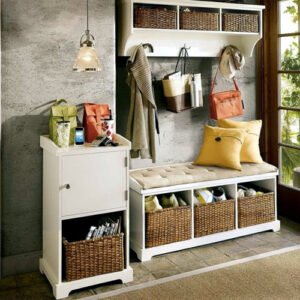
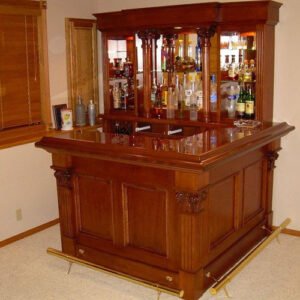
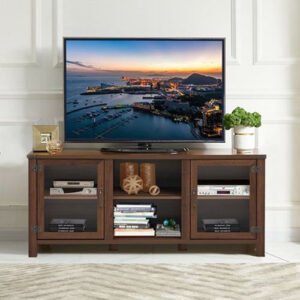
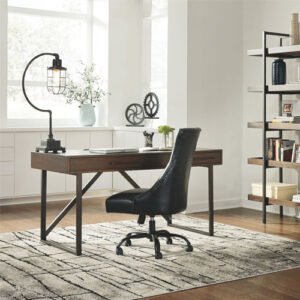





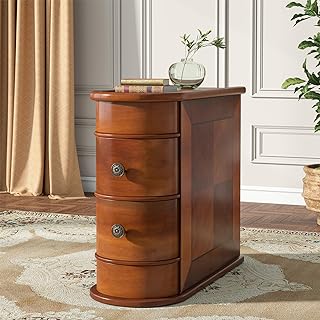


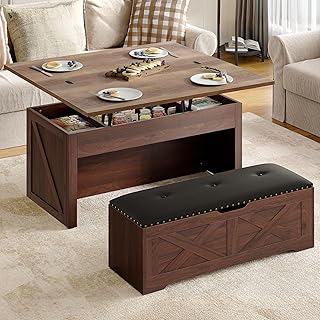


Finding a genuinely good furniture deal in Canada involves more than choosing the lowest advertised price. A smart purchase should balance construction quality, dimensions, materials, comfort, functionality, appearance, delivery considerations, and long-term value. This is particularly important for larger furniture because a seemingly inexpensive item can become poor value if it is difficult to assemble, unsuitable for the available space, or made from materials that do not match the intended level of use.
For Canadian shoppers, the buying decision can also depend on room size, seasonal conditions, apartment access, delivery requirements, and the difference between furniture designed for occasional use and pieces intended for everyday use. This guide explains the specifications and practical details worth checking before comparing furniture deals in 2026.
A smart buy is not necessarily the cheapest furniture item. It is a product whose overall combination of quality, usefulness, durability, design, dimensions, and ownership cost makes sense for the buyer's needs.
The meaning of a smart furniture purchase changes according to the category. A dining table should be assessed differently from an office chair, storage cabinet, bed frame, or sofa.
Living room furniture often receives frequent daily use, making frame construction, upholstery, cushioning, dimensions, and cleaning requirements particularly important. Sofas and sectionals should be measured against the available floor area as well as doorways, staircases, elevators, and hallways.
For coffee tables and side tables, consider the relationship between height and surrounding seating. Storage furniture should provide adequate capacity without making the room difficult to navigate. Modular pieces can be useful where layouts may change over time.
Bedroom furniture should be evaluated for structural stability, storage capacity, dimensions, and compatibility with the mattress or bedding being used. Bed frames need appropriate support for the intended mattress and sleepers, while dressers and nightstands should provide practical access to stored items.
Storage furniture can be particularly useful in smaller Canadian apartments and condos, where maximizing vertical space may be more practical than adding additional floor-standing units.
Home office furniture requires a stronger focus on ergonomics and working posture. A desk should provide enough usable surface for the computer, monitor, keyboard, documents, and other equipment required for the user's workflow.
Office chairs should be considered for seat height, back support, adjustability, seat depth, armrests, and the type of work performed. A visually attractive chair is not automatically a good choice for extended desk work.
Dining tables and chairs need to work together. Check the table height, chair dimensions, leg placement, seating capacity, and available clearance. Extendable dining tables can provide additional flexibility when everyday space is limited but occasional larger gatherings are expected.
Bookcases, cabinets, shelving units, wardrobes, and storage benches can provide substantial value when they use otherwise wasted space efficiently. Pay attention to shelf spacing, internal dimensions, door clearance, load capacity where specified, and whether the furniture must be secured to a wall.
Material selection has a major influence on furniture durability, appearance, weight, maintenance, and price. There is no universally best material because the appropriate choice depends on the application.
Solid wood can offer a substantial feel and can often be repaired or refinished depending on the construction and finish. Different wood species have different hardness, grain patterns, weight, and resistance to wear. Buyers should look beyond the phrase "wood furniture" and determine which parts are actually made from solid wood.
Engineered wood products such as particleboard, MDF, and plywood are widely used in contemporary furniture. Their performance depends heavily on density, thickness, construction quality, edge treatment, joints, and how the finished product is assembled.
Engineered wood is not automatically a poor choice. For some applications, a well-designed engineered-wood product can offer consistent dimensions and practical value. The important consideration is whether its construction is appropriate for the intended use.
Metal frames can provide useful structural strength for beds, desks, shelving, chairs, and other furniture. Examine the frame design, joints, finish, welds or fasteners where visible, and the manufacturer's stated capacity when available.
Glass can create a lighter visual appearance but requires careful consideration of thickness, construction, edges, cleaning, and placement. Buyers should follow the manufacturer's safety and care instructions and avoid assuming that all glass furniture has the same level of impact resistance.
For sofas, chairs, benches, and upholstered beds, fabric type affects appearance, cleaning, texture, and wear. Look for clear care instructions and consider whether the material suits pets, children, frequent use, or occasional entertaining.
Product photographs can make two pieces of furniture appear almost identical while their specifications differ considerably. Comparing technical details is therefore one of the easiest ways to improve a furniture buying decision.
One of the most common furniture buying mistakes is judging size from photographs. Camera angles, room staging, wide-angle lenses, and surrounding objects can make furniture look significantly different from its real dimensions.
Before buying, measure the intended location and mark the furniture footprint on the floor using painter's tape or removable markers. This can reveal whether walking paths remain comfortable and whether doors, drawers, chairs, and recliners can operate without obstruction.
Measuring the final room is only part of the process. Check the entrance door, hallway, stairway, elevator, turns, narrow passages, and any other restricted areas. For assembled or partially assembled furniture, the package dimensions can sometimes matter as much as the finished product dimensions.
Flat-pack and ready-to-assemble furniture can provide practical value, but buyers should understand the assembly commitment before ordering. Check the estimated assembly complexity, number of components, hardware, required tools, and whether two-person assembly is recommended.
Inspect the instructions before beginning if they are available. Organizing fasteners and identifying panels before assembly can reduce mistakes. Do not overtighten screws or substitute hardware unless the manufacturer explicitly permits it, because incorrect assembly can affect stability and component integrity.
Brand recognition can be useful as a starting point, but it should never replace specification checking. Canadian shoppers may encounter furniture from established brands and retailers such as IKEA, Structube, Ashley, Wayfair, Best Buy, Amazon, and other manufacturers or sellers. Product quality can vary between categories and individual models, so compare the actual construction and specifications rather than relying solely on the brand name.
For marketplace purchases, distinguish between the product manufacturer and the retailer or marketplace seller. Read the complete product information and verify who is responsible for fulfilment, returns, and applicable warranty terms before completing a purchase.
A useful comparison method is to evaluate furniture across several categories instead of looking only at price.
A low-priced furniture item can be attractive when the specification matches the intended use. However, price alone does not reveal durability or suitability. Conversely, a higher price does not automatically guarantee better construction.
Instead, compare the features you will actually use. Paying more for unnecessary functions may not improve the purchase, while spending slightly more for stronger construction, better storage, more useful adjustability, or better dimensions can make sense when those characteristics directly address your requirements.
Furniture is part of a room's visual design, but appearance should not hide practical shortcomings. Check construction, measurements, materials, comfort, and functionality before making a decision.
Furniture can be difficult and expensive to transport. Before purchasing, review the retailer's current delivery, return, cancellation, damage-claim, and assembly policies. These conditions can vary significantly by seller and product.
A sofa that fits perfectly in the living room may not fit through the entrance. Measure the complete route before committing to large furniture.
A compact cabinet may look attractive but provide insufficient usable capacity. Compare internal shelf and drawer dimensions rather than relying on external size.
Large furniture can reduce walking space and make a room feel crowded. Consider circulation space as part of the furniture footprint.
Tall storage furniture, shelving, dressers, and similar products may require anchoring. Follow the manufacturer's safety instructions, especially in homes with children or pets.
Customer feedback can reveal practical information about assembly, dimensions, finish, comfort, or perceived quality. However, reviews should be interpreted alongside specifications and multiple sources rather than treated as a substitute for product information.
When comparing reviews, look for specific observations instead of vague statements. Comments about loose hardware, difficult assembly, inaccurate dimensions, cushion firmness, drawer operation, finish quality, or long-term use are generally more informative than simple statements such as "great product."
Also consider whether a review describes the same size, colour, configuration, or model variant. Marketplace listings can contain several variations, and feedback may not apply equally to every configuration.
Space-efficient furniture can be particularly useful in apartments, condos, student housing, and smaller homes. Look for designs that combine multiple functions without creating unnecessary visual or physical bulk.
Canada's diverse climate means indoor environmental conditions can vary considerably between regions and seasons. Heating systems can reduce indoor humidity during colder periods, while seasonal changes may influence wood movement and surface conditions.
Follow the manufacturer's care instructions for solid wood, veneer, upholstery, leather, metal, and other materials. Avoid exposing furniture to inappropriate levels of moisture, excessive heat, or prolonged direct sunlight when the manufacturer advises against it.
Furniture pricing can change with promotions, inventory, seasonal events, model updates, and retailer-specific campaigns. Rather than assuming that a sale label represents the best value, compare the current specifications and total purchase cost against similar alternatives.
When shopping online, compare multiple retailers and marketplaces, check the latest customer feedback, and verify that the listed model number or configuration is the same. This makes price comparisons much more meaningful.
A cheaper item may have smaller dimensions, fewer shelves, thinner panels, different upholstery, fewer adjustment options, or a different configuration. Make sure you are comparing equivalent products before deciding which deal is better.
Some furniture purchases may require mattresses, cushions, hardware, storage accessories, lighting, protective products, or other components depending on the design. Check exactly what is included in the package.
Use this checklist before committing to a furniture purchase:
The best deal depends on the furniture category, available space, intended use, construction requirements, budget, and desired features. There is no single furniture product that is ideal for every Canadian household.
Start by examining the construction, materials, joints, hardware, finish, dimensions, stated capacity, and manufacturer information. Customer feedback can provide additional insight, particularly when several reviews identify the same practical characteristic.
No. Price is not a reliable standalone measure of quality. Compare construction, materials, functionality, dimensions, maintenance requirements, and other relevant specifications before deciding whether the additional cost provides meaningful value.
Flat-pack furniture can be a practical option when its construction, dimensions, functionality, and assembly requirements meet your needs. The important consideration is the quality and design of the specific product rather than the assembly format alone.
Both approaches have advantages. Online shopping can make it easier to compare specifications, configurations, customer feedback, and prices. A physical showroom can make it easier to assess scale, materials, finish, and comfort directly. For important purchases, combining detailed online research with in-person inspection where possible can reduce uncertainty.
Look for appropriately scaled furniture with multiple functions, vertical storage, flexible configurations, or compact dimensions. The best choice depends on the room layout and the specific storage, seating, dining, or workspace requirement.
Reviews can be useful for identifying practical issues that specifications may not communicate, such as assembly difficulty or perceived comfort. However, reviews should be considered alongside verified specifications and the conditions of the particular model or configuration.
Prices and availability can change throughout the year. If the purchase is not urgent, compare the same product across multiple sellers and revisit the specification before purchasing. Always verify the current price, stock status, delivery terms, and return conditions because these can change.
The smartest furniture purchase is the one that fits your space, performs its intended function, matches your preferred materials and design, and offers an appropriate balance between quality and total cost. Start with measurements and requirements rather than promotional labels. Then compare construction, materials, dimensions, functionality, assembly, reviews, and current retailer terms.
For 2026 furniture shopping in Canada, take the time to compare equivalent products rather than simply choosing the biggest discount. Check the latest specifications and customer feedback before purchasing, and verify current delivery, return, and warranty conditions with the retailer or seller. A disciplined comparison process makes it easier to identify genuine value and avoid costly furniture mistakes.