

♥ Wishlist
Compare 48 Hair Care Products for Every Hair Routine products in Canada. Reviews, ratings, pros, cons and buying advice updated for October 2026.




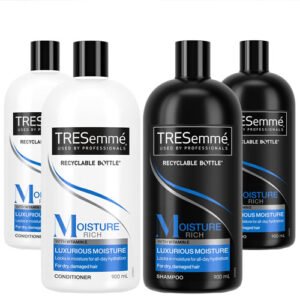
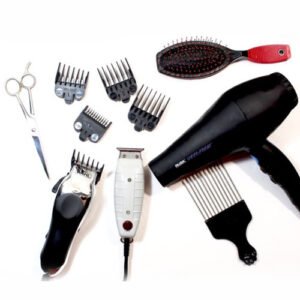




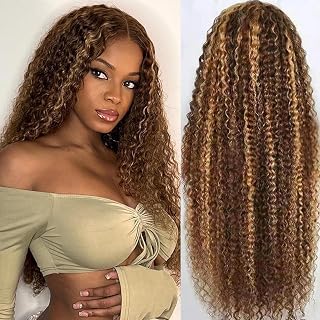






Finding a genuinely worthwhile hair care deal in Canada is about more than choosing the item with the largest advertised discount. A smart purchase should match your hair type, scalp needs, styling routine, product quality, included accessories, and expected frequency of use. The lowest price is not necessarily the lowest overall cost if a product does not perform well for your routine or requires additional accessories and replacements.
This buying guide is designed to make comparison easier when evaluating hair dryers, straighteners, curling irons, multi-stylers, hot brushes, hair clippers, trimmers, brushes, and other personal hair care products. Before buying, compare the specifications that actually affect daily use rather than relying only on star ratings or promotional claims.
Canadian shoppers should also consider voltage compatibility, plug configuration, warranty terms, retailer return policies, replacement accessories, shipping conditions, and whether a product is intended for the Canadian market. These details can be particularly important for electrical hair styling appliances.
A smart buy combines useful performance, appropriate features, reasonable durability expectations, and a price that makes sense for the intended use. For example, someone who blow-dries hair several times a week may benefit more from a reliable dryer with adjustable heat and airflow than from a cheaper model with numerous styling attachments that will rarely be used.
Likewise, a person who occasionally straightens their hair may not need the most advanced professional styling system. Spending more only makes sense when the additional features provide a practical benefit for the user's routine.
The best hair care deal depends heavily on what you are trying to accomplish. Comparing a premium hair dryer with a basic hair clipper solely on price is not useful because they solve completely different problems. Start by identifying the category that fits your routine.
A hair dryer is one of the most frequently used styling appliances. Important specifications include motor design, airflow control, heat settings, cool-shot functionality, included concentrator or diffuser attachments, overall weight, and cord design.
People with thick or long hair may place greater value on strong airflow and efficient drying. Those with curly or textured hair may want to investigate diffuser compatibility and adjustable heat settings. Users who primarily create smooth blowouts may prefer a concentrator nozzle and controllable airflow.
Popular brands to compare in this category include Dyson, Shark, BaByliss, Conair, Revlon, Remington, Philips, Panasonic, T3, and GHD. Brand reputation can be a useful starting point, but specifications and suitability should remain the deciding factors.
When comparing straighteners, look beyond maximum temperature. Plate material, plate width, temperature adjustment, heating behaviour, controls, automatic shutoff, cable flexibility, and styling range can all affect usability.
Narrow plates can be useful for shorter hair and detailed styling, while wider plates may cover more hair with each pass. Adjustable heat is particularly useful when multiple people with different hair types share an appliance.
Brands commonly considered in this category include GHD, BaByliss, Remington, T3, CHI, Conair, and Philips. The right choice depends on whether the primary goal is straightening, smoothing, waves, curls, or versatile styling.
Curling tools vary significantly by barrel diameter, shape, temperature range, controls, coating, clamp design, and included accessories. A smaller barrel generally creates tighter-looking curls, while a larger barrel is typically better suited to broader waves.
If several hairstyles are required from one tool, consider whether interchangeable barrels or multiple heat settings provide meaningful versatility. Also assess the handle and controls because styling can become inconvenient when buttons are positioned where they can easily be pressed accidentally.
Hot air brushes combine drying and styling functions in a single device. They can be appealing to shoppers who want to reduce the number of separate appliances they use.
Compare barrel sizes, brush shapes, airflow settings, temperature controls, attachment selection, and compatibility with your preferred styling technique. A larger attachment may be useful for longer hair, while smaller attachments can provide more control for shorter sections.
For home grooming, compare cutting length options, guard selection, blade design, motor performance, battery runtime, charging method, corded operation, cleaning requirements, and included accessories.
A clipper designed for full haircuts is not necessarily the best option for beard edging or detail work. Similarly, a compact trimmer may be convenient for finishing but less suitable for cutting large amounts of hair.
Wahl, Andis, Philips, Panasonic, Remington, Braun, and BaByliss are among the established brands consumers may encounter when comparing grooming products.
Specifications are most useful when they answer a practical question. Do not assume that a higher number automatically means better performance. Instead, consider what each specification means for your particular routine.
Multiple heat settings provide greater control than a single temperature. This can be helpful when styling different sections of hair or when several people use the same appliance.
High heat can speed up styling, but the highest available temperature is not automatically the best choice. A suitable setting should balance styling effectiveness with sensible heat management.
Hair dryers and hot air styling tools often provide multiple airflow levels. Strong airflow can be useful for initial drying, while lower airflow can offer greater control during finishing.
Look for clearly defined temperature controls rather than vague claims about advanced heat technology. Adjustable settings make it easier to select a suitable operating level for different styling requirements.
Included attachments can significantly change the value of a hair styling appliance. However, more attachments do not necessarily make a product better. Check whether the supplied accessories actually match your routine.
A specification sheet can overlook one of the most important everyday considerations: how comfortable the appliance is to hold. A heavier tool may become tiring during longer styling sessions.
Consider handle shape, button placement, balance, grip texture, cord position, and whether the appliance remains comfortable when held at different angles.
The most appropriate hair care appliance depends on the characteristics of the hair being styled. Product recommendations should therefore begin with hair type rather than brand or discount percentage.
Fine hair may benefit from greater temperature control because styling does not necessarily require maximum heat. Look for appliances that allow a lower operating setting and provide precise control.
Thicker hair can require more airflow, wider styling surfaces, stronger cutting performance, or additional passes depending on the task. Efficient performance can become more important than having a large collection of unnecessary features.
Curly and wavy hair often requires different styling techniques from straight hair. Diffuser compatibility, controllable airflow, attachment design, and temperature adjustment can be particularly relevant when choosing a dryer or multi-styler.
Long hair can increase styling time, making weight, airflow, temperature control, cord length, and attachment changes more important. A comfortable appliance can be more valuable than one with a long list of rarely used features.
Short hairstyles may benefit from compact styling tools, narrow plates, smaller brushes, precision attachments, or detailed trimmers. Ease of handling can matter more than maximum power.
Materials are frequently used as selling points, but shoppers should consider the complete construction rather than focusing on one component. For heated styling tools, examine the plate or barrel material, exterior housing, hinge, controls, cable, and attachment connection.
For brushes and combs, inspect the bristle or tooth design and how securely components are attached. For clippers and trimmers, blade construction and cleaning access can have a direct impact on routine maintenance.
A premium-sounding material description does not guarantee that an appliance will be the best option for every user. Practical design, controls, reliability considerations, and suitability should be assessed together.
Hair care appliances frequently advertise technologies such as ionic systems, ceramic surfaces, tourmaline components, infrared heating, temperature regulation, or specialized airflow designs. These terms can be useful, but they should not replace basic specification checking.
When a manufacturer highlights a particular technology, consider what practical problem it is intended to address and whether the appliance provides the controls and design needed for your routine. Avoid assuming that a technology label alone guarantees faster styling, less damage, smoother hair, or better results.
Independent shoppers should also distinguish between a manufacturer's stated feature and an independently established performance result. Product descriptions can explain what a device is designed to do, while verified customer feedback can help reveal whether owners find the design convenient in everyday use.
Customer ratings can be helpful, but the headline score rarely tells the complete story. A better approach is to read reviews for recurring observations about specific features.
One detailed review from a user with a similar hair type and routine can be more informative than several short comments that simply say a product is good or bad.
A large percentage discount can attract attention, but the original reference price does not tell you whether the product is suitable. Compare current specifications, competing models, included accessories, and the actual features you need.
Advanced appliances can be excellent choices for some users, but unnecessary features increase complexity and can increase the purchase cost. Choose technology that solves a genuine problem in your routine.
An appliance can perform well yet remain inconvenient if it is difficult to hold or store. Consider the physical design before purchasing, especially when the appliance will be used frequently.
Two appliances with similar headline specifications may have very different packages. Check exactly what comes in the box and determine whether essential accessories are included.
Some grooming products require replacement blades, guards, filters, cleaning products, or other components. Investigate these requirements before deciding that a low purchase price represents better value.
Electrical specifications matter. Canadian shoppers should check voltage, plug configuration, product-market compatibility, and manufacturer information before purchasing an imported appliance. A product intended for another electrical system may not be appropriate simply because it appears inexpensive.
Budget hair care appliances can be sensible for occasional use or straightforward styling routines. Prioritize essential functionality, usable controls, acceptable ergonomics, and a suitable accessory package rather than chasing advanced specifications.
The mid-range category can offer a useful balance between features and price. This is often where shoppers should compare several competing models carefully because small differences in attachments, controls, design, and construction can have a meaningful effect on value.
Premium products may justify their higher cost when they provide features that materially improve the user's routine. Consider premium models when you use an appliance frequently, need advanced styling flexibility, or place a high value on particular design features.
Before purchasing, create a short comparison based on the features that matter most. This prevents attractive promotional messaging from becoming the main decision factor.
For shoppers specifically comparing hair dryers, the following checklist can help narrow the choices:
Corded appliances provide continuous access to electrical power, which can be useful during longer styling sessions. They can also eliminate concerns about battery runtime. The trade-off is reduced freedom of movement and the need to remain near a suitable outlet.
Cordless appliances provide greater flexibility and can be easier to use in different locations. However, battery capacity, charging time, battery condition, and charging compatibility become important considerations.
For cordless clippers and trimmers, compare expected runtime with your typical grooming session. For rechargeable styling tools, also consider whether the appliance can be used while connected to power, if that capability is relevant to you.
Purchase price is only one part of value. A product used several times each week should be evaluated differently from one used a few times per year.
For frequent users, comfort, controls, construction, maintenance, replacement parts, and warranty information can become increasingly important. For occasional users, a simpler model may offer better value because expensive features may not provide enough additional benefit.
Think about cost per use rather than cost alone. A product that costs more but fits your routine and is used regularly may provide better practical value than a cheaper product that remains difficult or inconvenient to use.
Regular maintenance can help keep hair care appliances functioning as intended. Always follow the manufacturer's care instructions because cleaning methods differ between products.
Heated hair care appliances should be used according to their manufacturer's safety instructions. Do not leave a heated device unattended, and allow it to cool before placing it into storage.
Keep electrical appliances away from water unless they are specifically designed for the intended environment. Inspect cords, plugs, housings, and controls for signs of damage. If an appliance develops an unusual smell, visible damage, abnormal heating, or another unexpected operating condition, stop using it and consult the manufacturer's guidance.
Product specifications are most useful when they can be connected directly to your needs. Instead of collecting every number listed on a product page, identify the specifications that affect your decision.
Brand recognition can make initial research easier, but shoppers should still compare individual models. Established names that may appear across Canadian hair care and grooming searches include Dyson, Shark, GHD, T3, BaByliss, Conair, Remington, Revlon, CHI, Philips, Panasonic, Braun, Wahl, and Andis.
Different brands specialise in different categories and price segments. A brand that is well known for one type of appliance may not automatically be the best choice for another. Compare model-specific specifications, accessories, customer feedback, and ownership considerations before deciding.
A higher-priced product may make sense when you use it frequently and the additional features address a real requirement. For example, someone who styles their hair daily may value improved ergonomics, multiple controls, specialised attachments, or a particular styling configuration more than an occasional user.
Premium pricing is harder to justify when the additional features do not change the way you will actually use the product. If two appliances provide the functions you need and the cheaper option has an appropriate specification set, the less expensive model may be the more sensible purchase.
A budget appliance can be an excellent fit for occasional users, simple routines, backup use, travel, or shoppers who do not require advanced features. The key is to avoid compromising on essential suitability simply to achieve the lowest possible price.
Check that the product provides the required settings, accessories, electrical compatibility, and basic usability. A simple product that does its intended job well can be a smarter purchase than an expensive appliance filled with features that remain unused.
Promotions can create a sense of urgency, but a discount should be treated as one comparison factor rather than the entire buying argument. Before acting on a deal, compare the current price with similar models and examine what is included.
Also check whether the advertised price applies to a particular colour, package, seller, or configuration. Product bundles can differ even when model names appear similar. Read the complete product specification and confirm that the version being considered contains the accessories you expect.
A simple scoring approach can make a large selection easier to manage. Give each shortlisted product a rating for the factors that matter most to you, then compare the overall picture rather than selecting a winner based on one specification.
Prioritise reliability considerations, comfortable handling, adjustable controls, and the attachments you use regularly. Avoid paying for specialist accessories that will remain unused.
A straightforward model with essential controls can offer better value. Focus on versatility and ease of storage rather than premium features that provide little benefit for occasional use.
Adjustable settings become especially useful when different people have different hair types. A versatile product may provide greater practical value than a specialised appliance designed around one particular routine.
Weight, compact dimensions, storage, electrical compatibility, and ease of packing become major considerations. Always verify electrical requirements before using an appliance outside its intended market.
Look for appropriate cutting lengths, useful guard options, manageable ergonomics, cleaning requirements, and replacement blade considerations. Clippers should be selected according to the type of haircut or grooming work they will perform.
There is no single best option for every Canadian shopper. The right choice depends on hair type, styling requirements, frequency of use, budget, desired features, and the specific product configuration. Compare products based on suitability and total value rather than price alone.
No. A higher price can provide additional features or a different level of design, but those advantages only matter when they are useful for your routine. A simpler product can be the smarter choice when it already provides everything you need.
A recognised brand can provide a useful starting point for research, particularly when comparing established product categories. However, brand reputation should not replace model-specific research. Always compare specifications, accessories, customer feedback, maintenance requirements, and applicable warranty information.
Compare heat and airflow settings, attachments, weight, controls, cord design, filter access, electrical compatibility, and the features that match your hair type. If you have curly or textured hair, also consider whether the included or compatible diffuser meets your styling needs.
Look at adjustable temperature settings, plate size and construction, heating behaviour, controls, ergonomics, automatic shutoff where relevant, cable design, and electrical compatibility. Choose a plate width appropriate for your hair length and styling method.
Yes, but they should be interpreted carefully. Look for detailed feedback from people with similar hair types and routines. Recurring comments about weight, heat control, accessories, ease of use, maintenance, and durability can be more useful than a simple overall star rating.
There is no universal replacement schedule. Replacement depends on the appliance, frequency of use, maintenance, condition, and manufacturer guidance. Replace or stop using a product when it becomes damaged or develops an unsafe operating condition rather than relying solely on age.
Neither is automatically better. Cordless products provide mobility but require battery management, while corded models provide continuous power but restrict movement. Choose according to where and how you normally use the appliance.
A good-value deal provides the functions you need at a competitive price without forcing you to compromise on important usability, compatibility, or ownership considerations. The best value is usually found by comparing several suitable models rather than selecting the biggest advertised discount.
Yes. Electrical specifications should always be checked for heated hair care appliances and other powered grooming equipment, especially when purchasing products originally intended for another market. Confirm that the product is suitable for use with the Canadian electrical system.
The smartest way to approach hair care deals in Canada is to start with the problem you want the product to solve. Once you know whether you need faster drying, controlled heat styling, curls, smoothing, volume, cutting, trimming, or a versatile multi-purpose tool, the comparison becomes much easier.
Do not allow a low price, impressive specification number, large accessory bundle, or high headline rating to make the decision on its own. Compare the complete package, including performance-related features, ergonomics, maintenance, accessories, electrical compatibility, customer feedback, and applicable retailer and manufacturer terms.
For August 2026 shopping research, the strongest approach is to shortlist several suitable models, verify their current specifications, compare today's prices at trusted retailers, and read recent verified customer feedback before making a final decision. Prices, promotions, product configurations, and availability can change, so confirm current information at the time of purchase.
Whether you are looking for a budget hair dryer, a professional-style straightener, a versatile curling tool, a multi-styler, or a reliable home clipper, the best smart buy is ultimately the product that fits your hair, routine, budget, and expectations without paying for features you will not use.
Would you prefer the guide expanded next with 10 product-by-product reviews, a detailed comparison section, or more Canada-focused FAQs and SEO sections?