

♥ Wishlist
Compare 53 Styling Tools Appliances for Hair Care in Canada products in Canada. Reviews, ratings, pros, cons and buying advice updated for October 2026.


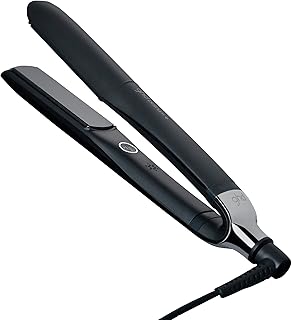


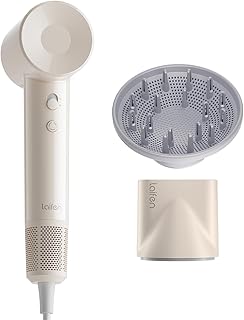


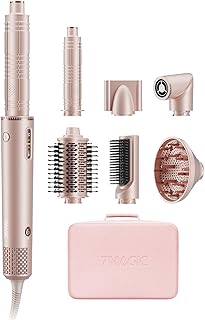


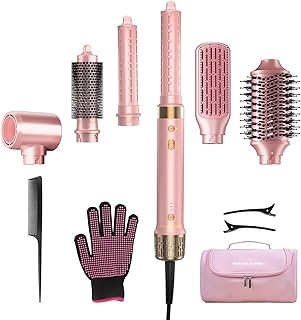




Finding a smart buy in styling tools is about more than choosing the appliance with the most features. Hair type, styling goals, heat control, attachments, ergonomics, power requirements, and long-term usability all affect whether a product is genuinely worth considering. In Canada, shoppers should also check voltage compatibility, plug type, retailer policies, warranty coverage, and the total cost of ownership before buying.
This buying guide is designed for shoppers comparing hair dryers, straighteners, curling irons, curling wands, hot air brushes, multi-stylers, heated brushes, and other personal styling appliances. Rather than treating every feature as equally important, focus on the specifications that directly match your routine.
A smart purchase balances performance, practicality, durability, and price. The most expensive styling appliance is not automatically the best choice, while a low-cost tool may not provide the temperature control, construction quality, or versatility required for frequent use.
For most Canadian shoppers, a smart buy should offer a useful combination of the following characteristics:
A hair dryer is often the foundation of a styling routine. Modern models can include multiple heat and airflow settings, concentrator nozzles, diffusers, cool-shot functions, removable filters, and technologies designed to influence static or hair smoothness.
When comparing hair dryers, pay particular attention to airflow control rather than simply looking for the highest power rating. A powerful dryer can be useful for thick or long hair, but controllable airflow is equally important when creating a smooth finish or working around a brush.
Dyson and Shark are prominent names in the premium styling-appliance market, while BaByliss, Conair, Remington, and Revlon offer products across different price ranges. Compare the exact model specifications rather than assuming that every appliance from the same brand provides the same features.
Flat irons are designed primarily for smoothing and straightening, although many can also create waves and bends. Important buying factors include plate material, plate width, temperature adjustment, heat-up time, cord design, automatic shutoff, and overall handling.
Ceramic plates are widely used because they provide a smooth heated surface and are available across many price categories. Titanium plates are also common and may appeal to shoppers who want fast heat transfer and a responsive styling surface. The best choice depends on the tool's design and the user's hair rather than the plate material alone.
Brands such as ghd, BaByliss, T3, Remington, and Conair have different models aimed at different styling requirements. Look at the temperature range and control system before focusing on brand reputation.
Curling tools vary considerably in barrel diameter, shape, temperature control, and styling technique. A smaller barrel generally produces tighter curls, while a larger barrel can create broader waves and softer curls.
A curling wand removes the traditional clamp and requires the hair to be wrapped around the heated barrel. A curling iron uses a clamp to hold the section of hair during styling. Neither design is universally better. Your preferred technique and desired finish should determine which format makes more sense.
When comparing models, check the barrel dimensions, heat settings, handle design, cord movement, heat-resistant accessories, and safety features. T3, BaByliss, Conair, Remington, and Hot Tools are among the established names worth comparing when researching curling appliances.
Hot air brushes combine airflow and heated styling in a single appliance. They can be particularly useful for shoppers who want to dry and shape hair with fewer separate tools.
These products come in different forms, including round-brush designs, smoothing brushes, and interchangeable systems. Consider the brush diameter, bristle configuration, airflow settings, heat settings, attachment system, and whether the appliance can be comfortably used on damp hair according to the manufacturer's instructions.
Revlon has become widely associated with one-step styling appliances, while Shark and other manufacturers offer multi-function alternatives. Compare the exact attachment selection and operating instructions before deciding which design suits your routine.
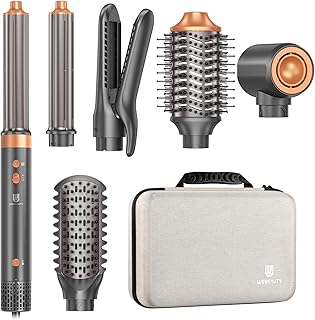
Multi-stylers are designed to replace several individual styling tools with one system. Depending on the model, a kit may include attachments for drying, smoothing, curling, volumizing, or creating different finishes.
The main advantage is versatility. The main trade-off can be cost, storage requirements, attachment changes, and the possibility of paying for functions you rarely use.
Before purchasing a multi-styler, list the styles you actually create during a typical week. If you regularly straighten, curl, smooth, and add volume, an interchangeable system may provide meaningful convenience. If you only straighten your hair, a dedicated flat iron may be a more sensible purchase.
Adjustable temperature is one of the most useful features in a heated styling appliance. Different hair textures and styling techniques do not necessarily require the same heat level.
Look for clearly defined settings and controls that are easy to adjust without accidentally changing the temperature during use. A tool with multiple settings can be more useful than a model that simply operates at one fixed temperature.
Do not assume that the highest temperature provides the best styling result. Excessive heat can make styling less forgiving, particularly when the same section of hair is repeatedly exposed to heat.
For dryers and air-based stylers, airflow control can be as important as heat control. Lower airflow can provide greater control when shaping hair, while stronger airflow can help with initial drying.
A cool-shot function can also be useful when finishing a style. Check how the control operates, because some designs provide a dedicated button while others use a switch or separate setting.
Attachments can significantly change the usefulness of a styling appliance. A dryer might include a concentrator and diffuser, while a multi-styler may include several brushes and curling attachments.
Do not judge a kit by the number of accessories alone. Consider whether each attachment matches a style you actually want to create. Extra accessories that remain unused add storage requirements without necessarily adding value.
For straighteners and curling tools, the heated surface determines how the appliance interacts with the hair. Plate width affects how much hair can be handled per pass, while barrel diameter influences curl size.
Wider plates can be useful for longer or thicker hair because they cover more surface area. Narrower plates may provide better control around shorter sections, roots, or detailed styling.
Fast heat-up can make a tool convenient during busy mornings, but it should not be the only deciding factor. Temperature consistency during styling also matters because fluctuations can affect how evenly the appliance performs.
When comparing products, look for manufacturer information about heating technology and temperature control. Customer reviews can also reveal practical observations, but treat individual experiences as anecdotal rather than universal evidence.
Automatic shutoff is a valuable convenience and safety feature for many heated styling appliances. It can reduce concern when a user accidentally leaves a tool switched on after leaving the room.
Check the manufacturer's specifications for the actual shutoff behaviour and timing. Do not assume that every styling tool uses the same system.
Fine hair generally benefits from controlled styling rather than unnecessarily high heat. Look for appliances with lower temperature options, responsive controls, and designs that allow you to work efficiently without repeatedly passing over the same section.
For fine hair, lightweight tools can also be easier to handle because prolonged styling with a heavy appliance can become uncomfortable.
Thicker hair can require more time and sectioning during styling. A dryer with controllable airflow or a straightener with suitable plate dimensions may reduce the number of passes required.
Do not select a tool solely because it advertises maximum heat. Efficient airflow, effective design, appropriate plate coverage, and good handling can be just as important.
For naturally curly or wavy hair, a diffuser attachment can be particularly useful when the goal is to dry while maintaining the hair's natural pattern. Adjustable airflow and heat provide additional control.
For smoothing or straightening, look for a tool that offers precise temperature adjustment and comfortable handling. If preserving natural texture is the priority, a conventional high-heat straightener may not be the most useful appliance for everyday styling.
Long hair can make styling time-consuming, so efficiency becomes important. Dryer airflow, brush size, plate width, cord length, and tool weight should all be considered.
A multi-styler may be attractive when several styling functions are regularly used. However, a dedicated appliance can sometimes be simpler when one particular style dominates the routine.
Short hairstyles often require precision rather than large styling surfaces. Narrow plates, compact brushes, smaller barrels, or tools with precise airflow can provide greater control.
Consider the distance between the heated surface and the handle, as well as whether the tool can comfortably reach shorter sections without awkward wrist positioning.
Ceramic heating surfaces are common in flat irons and other heated styling products. They are often selected for their smooth surface and broad availability across different price categories.
However, the word ceramic does not tell you everything about the appliance. Heating control, construction, plate design, temperature regulation, and the overall engineering of the product remain important.
Titanium surfaces are known for rapid heat transfer and are frequently found in styling tools aimed at users who want strong heat performance. Because temperature can become an important consideration, adjustable settings and sensible styling technique remain essential.
Some appliances use tourmaline or other materials and technologies as part of their heating or surface design. Marketing terminology can make these features sound more important than they actually are for every user.
Compare the complete specification rather than purchasing solely because one material appears more advanced. A well-designed appliance with useful controls may be a better choice than a feature-heavy model that does not suit your hair or routine.
Premium styling appliances often place greater emphasis on engineering, controls, materials, attachments, design, and brand-specific technologies. That does not automatically make them better for every shopper.
Budget-friendly models can be practical when the appliance is used occasionally or when only one basic function is required. A simple straightener may be enough for someone who rarely curls or styles their hair, for example.
Premium products become easier to justify when you regularly use multiple functions, need more precise controls, value ergonomic design, or want an appliance designed around a particular styling routine.
When comparing price, consider cost per use rather than purchase price alone. A tool used several times each week may justify spending more than an appliance that will sit in a drawer for most of the year.
Brand recognition can help narrow a search, but the exact model should always receive the final evaluation. Different brands and product lines target different budgets and styling needs.
Canadian shoppers should verify that an appliance is designed for the electrical system where it will be used. Check the manufacturer's voltage specification and product documentation before buying, particularly when considering an imported product.
Do not assume that an appliance purchased from another country can safely be connected to a Canadian outlet simply because the plug physically fits. Electrical compatibility should be confirmed from the official product specifications.
If you travel between Canada and other countries, check whether the styling appliance is intended for dual-voltage operation. A plug adapter and a voltage converter are not interchangeable, and not every styling appliance is designed for international voltage.
For frequent travellers, a compact dual-voltage tool may be more practical than carrying a full-size appliance, provided its specifications match the destinations where it will be used.
Before purchasing, read the warranty conditions for the exact model and confirm who provides after-sales support. Pay attention to warranty duration, exclusions, proof-of-purchase requirements, and regional limitations.
Retailer return policies can also differ from manufacturer warranty terms. These policies are separate considerations and should be checked before placing an order.
Styling appliances frequently appear in promotional campaigns, seasonal sales, and retailer-specific offers. Instead of assuming that a discount represents exceptional value, compare the current price with the specifications and competing models.
Look at the total package rather than the headline price. A cheaper tool that requires separate attachments may not provide the same value as a slightly more expensive kit that includes the accessories you actually need.
Maximum temperature is not synonymous with superior styling. A lower or moderate setting may be more appropriate for certain hair types and everyday styling.
A large attachment collection can look impressive but may provide little practical value. Identify your most common styling needs before selecting a multi-function kit.
A styling tool may seem comfortable for a few minutes but become tiring during a longer routine. Weight distribution matters as much as the number shown in a specification sheet.
Star ratings can be useful as an initial filter, but they do not replace detailed research. Read reviews that discuss the same hair type, styling objective, and usage frequency you have.
Some appliances require cleaning, filter maintenance, replacement accessories, or compatible attachments. Consider these requirements before deciding that a particular product is the cheapest option.
A viral styling tool may be excellent for one type of hairstyle while being unnecessary for another. The right appliance is the one that solves your actual styling problem.
When two products appear similar, use a consistent comparison process. Start with the primary function and then evaluate the features that influence daily use.
Heated styling appliances should be used according to the manufacturer's instructions. Keep hot surfaces away from skin, fabrics, water, and other heat-sensitive materials.
Allow heated tools to cool completely before storing them. Do not wrap cords tightly around hot appliances, and inspect cables, plugs, and housings periodically for visible damage.
Hair dryers and air-powered appliances should also be kept clear of excessive dust, hair, and debris. If a product has a removable filter, follow the manufacturer's cleaning instructions rather than using an unsuitable cleaning method.
Never ignore unusual smells, damaged electrical components, overheating, or abnormal operation. Disconnect a malfunctioning appliance and consult the manufacturer's safety guidance.
Start by deciding which styling function matters most. If drying is the priority, concentrate on dryers and dryer-brush systems. If smoothing is the main goal, compare flat irons. If curls are your priority, focus on barrel size and temperature control.
Next, establish a realistic budget. Then compare several models within that range rather than choosing the first product that appears in search results.
For occasional use, a straightforward appliance with the required settings can often make more sense. For frequent styling, prioritize ergonomics, controls, construction, maintenance, and versatility alongside price.
A multi-styler can make sense when you regularly create different hairstyles and want to reduce the number of separate appliances you own. It can also be useful when storage space is limited.
However, a multi-styler is not automatically the best value. If you mainly straighten your hair, buying a dedicated straightener may provide a simpler experience. Likewise, someone who only needs a basic dryer may not benefit from a large attachment system.
Evaluate the functions independently. Ask whether you would purchase each attachment if it were sold separately. This helps reveal whether the additional features provide genuine value or simply increase the package size.
Customer reviews can provide useful real-world information, but they should be interpreted carefully. Look beyond the overall rating and search for comments related to your specific requirements.
For example, if you have thick hair, prioritize reviews from shoppers discussing thick or long hair. If you travel frequently, look for feedback concerning size, weight, storage, and voltage compatibility.
Pay attention to recurring themes rather than isolated complaints or enthusiastic comments. A repeated observation across many independent reviews can be more useful than a single detailed experience.
Also check the exact model number. A brand can sell several appliances with similar names but substantially different specifications.
Deals should be evaluated against specifications rather than percentage discounts. A 20 percent discount on an unsuitable appliance is still poor value.
When comparing offers in Canada, check the final listed price, included accessories, seller information, warranty conditions, return policy, and delivery terms where applicable. Product bundles can also change from one retailer to another, so compare the complete package.
Seasonal shopping periods may produce increased promotional activity, but waiting for a sale is not always necessary when the current price already fits your budget and the product meets your requirements.
The best styling appliance is ultimately the one that matches your hair, routine, styling goals, and budget. Start with the function you need rather than the brand or promotional claim. Then compare temperature control, airflow, materials, attachments, ergonomics, safety features, voltage compatibility, warranty terms, and current pricing.
For shoppers building a versatile styling collection, a combination of a quality dryer, a suitable straightener or curling tool, and one practical brush or multi-styler can be more useful than accumulating several overlapping appliances.
Before purchasing any model featured in a 2026 buying shortlist, verify the latest specifications, current retailer price, included accessories, Canadian availability, warranty information, and customer feedback. Product details can change during the year, so the exact model number should always be used when comparing offers.
There is no single best appliance for everyone. A frequent user should choose according to their primary routine. A hair dryer may be the most useful everyday tool for someone who regularly blow-dries, while a straightener, curling iron, heated brush, or multi-styler may be more appropriate for another routine.
They can be worthwhile when you regularly use the additional controls, attachments, ergonomics, or technology they provide. For occasional styling, a simpler appliance may offer better value.
Neither material is universally better. Ceramic and titanium have different heat-transfer characteristics, while the complete appliance design, temperature control, plate construction, and your hair type also influence suitability.
Choose a curling iron if you prefer a clamp-assisted styling technique. Choose a wand if you prefer wrapping sections manually around the barrel. Barrel size should then be selected according to the curl or wave pattern you want.
It depends on how many styling functions you actually use. A multi-styler can be convenient for users who frequently change hairstyles, while separate tools can be more practical when only one or two functions are needed.
Check voltage, frequency, plug requirements, safety information, warranty coverage, and whether the manufacturer supports the product in Canada. Never rely solely on a physical plug fit to determine electrical compatibility.
Automatic shutoff can be a useful safety feature, particularly for heated appliances. Check the manufacturer's specifications to understand how the feature works on the exact model.
Cleaning frequency depends on the appliance and how frequently it is used. Remove hair and styling-product residue regularly, and follow the manufacturer's specific maintenance instructions for filters, plates, brushes, and attachments.
Smaller barrels generally produce tighter curls, while larger barrels tend to create broader curls or softer waves. Hair length and styling technique also affect the final result, so consider both barrel diameter and your preferred hairstyle.
There is no single universal feature. Adjustable airflow and heat, comfortable handling, useful attachments, suitable power, filter maintenance, and safety functions should all be considered together.
Ratings can help identify products worth investigating, but they should not be the only factor. Read detailed feedback, confirm the exact model, compare specifications, and look for comments from people with similar hair types and styling needs.