

♥ Wishlist
Compare 46 Diapering Products for Everyday Baby Care in Canada products in Canada. Reviews, ratings, pros, cons and buying advice updated for October 2026.


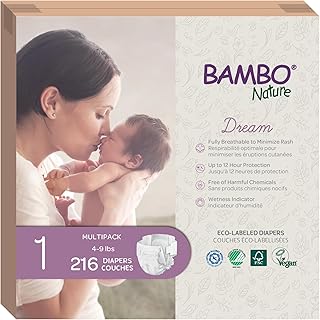

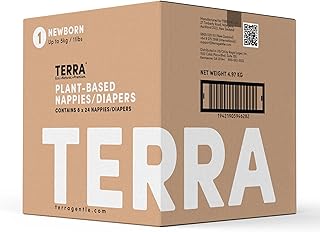


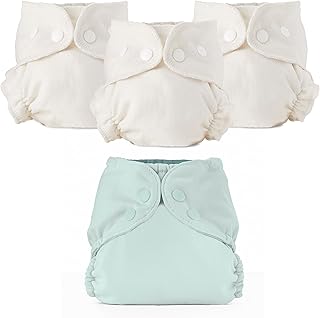


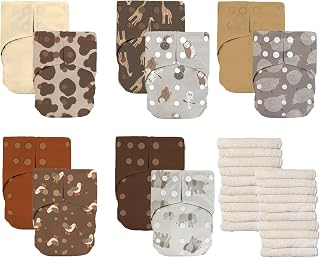




Choosing diapering products is less about finding the cheapest item and more about finding the right balance of absorbency, comfort, convenience, durability and total cost. A low-priced package may not be the best value if it requires more frequent changes, causes leakage or does not suit your baby's skin. Likewise, a premium diaper is not automatically the right choice for every family.
For Canadian shoppers, the buying decision can also depend on household size, storage space, climate, delivery convenience, package quantity and whether a product is intended for newborns, infants, toddlers or overnight use. This guide explains the practical details worth checking before comparing current diapering deals and product specifications.
A smart buy should be evaluated on usable performance rather than the advertised package price alone. Diapering products are consumed frequently, so even a small difference in cost per use can become significant over several months.
One of the most common shopping mistakes is comparing diapers by the number of pieces in the package without considering the size. Larger sizes can contain fewer diapers per package, while smaller sizes can contain considerably more. This makes package-to-package price comparisons misleading.
Always compare the price per diaper within the same size category. Also consider the baby's current weight, body shape and fit rather than buying a large quantity simply because the unit price appears attractive.
Diaper sizing varies by manufacturer, so the weight range printed on the package should be treated as a useful starting point rather than an absolute guarantee of fit. A baby with a relatively slim waist may need a different fit from another baby of the same weight.
Both disposable and reusable diaper systems can work well, but they involve different purchasing priorities. Disposable diapers emphasise convenience, portability and straightforward disposal. Cloth systems require an initial investment in reusable components and involve washing, drying and storage.
When comparing the two approaches, include the full ownership picture. For reusable diapers, consider the number of diapers required, inserts, liners where applicable, detergent, washing frequency and drying requirements. For disposables, consider ongoing package purchases and the number of diapers used each day.
The absorbent core is responsible for drawing liquid away from the skin and retaining it inside the diaper. Product descriptions may refer to absorbent polymers, cellulose fibres or multilayer construction. The exact material specification matters less than how the overall construction is designed to manage moisture during the intended period of use.
Leg cuffs help create a seal around the thighs. A diaper can have excellent absorbency but still leak if its fit around the legs is poor. When comparing products, look for construction that accommodates movement without creating large gaps.
A flexible waistband can improve comfort and help maintain a secure fit as the baby moves. Adjustable fastening systems are particularly useful because babies change shape as they grow.
Features designed to move moisture away from the skin can be useful for everyday comfort. However, no diaper eliminates the need for timely changes. Absorbency should not be treated as a reason to leave a soiled diaper on for longer than appropriate.
Reliable tabs are important because caregivers may need to adjust the diaper repeatedly during use. Check whether the fastening design allows enough flexibility to achieve a snug fit without overtightening.
Overnight use creates different demands from daytime diapering. A baby may remain in the same diaper for a longer uninterrupted sleep period, making absorbency and fit particularly important.
When comparing overnight options, examine the manufacturer's intended use, absorbent construction, size range and fit. If nighttime leakage occurs repeatedly, first check the size and fit before assuming that a more expensive product is necessary.
For older babies and toddlers, movement during sleep can also affect performance. A diaper that fits securely during daytime activity may not perform identically overnight if it shifts while the child moves.
Newborns can require frequent diaper changes, so convenience and gentle fit are particularly important. Avoid purchasing an excessive quantity of the smallest size before knowing how quickly the baby will move into the next size.
Newborn diaper selections may include features intended to accommodate the umbilical area. If this feature is important to you, check the current product specifications rather than assuming every diaper in a newborn category has identical construction.
Families preparing before a birth may find it more practical to have a modest supply in multiple nearby sizes instead of committing the entire diaper budget to one size.
As toddlers become more mobile, pull-on training pants can offer a different balance between absorbency and independence. They are generally designed to be pulled up and down like underwear, which can make them useful during toilet-training routines.
Brands such as Huggies, Pampers and Pull-Ups offer products across different stages, but individual models can have substantially different designs. Compare the specific product rather than assuming that all products from one brand perform identically.
Wipes are another recurring diapering expense and deserve the same level of comparison as diapers. Package size alone does not indicate value because wipe dimensions, thickness and intended use can differ.
Commonly encountered brands include Huggies, Pampers and WaterWipes. Always check the individual product label and specifications because formulations and materials can vary between product lines.
Diapering purchases often extend beyond diapers and wipes to include barrier creams and other skin-care products. The goal of a barrier product is generally to help protect the skin from moisture and irritation.
When comparing diaper creams, examine the active ingredients, intended use, texture, application method and packaging. Zinc oxide is a commonly used ingredient in diaper-rash barrier products, while other formulations may use different protective ingredients.
Do not assume that a higher concentration or more expensive product is automatically better for every situation. If a rash is persistent, severe, worsening, infected-looking or accompanied by other concerning symptoms, seek advice from an appropriate healthcare professional rather than relying solely on a consumer product.
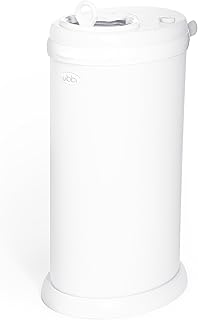
A diaper disposal system can be particularly useful in smaller Canadian homes, apartments or nurseries where odour management and convenience are priorities. Before buying one, consider the ongoing cost of compatible bags or refill systems rather than evaluating only the initial purchase price.
Popular product families such as Ubbi and Munchkin illustrate why the ongoing consumable cost should be included when comparing diaper disposal systems.
A changing pad can make diaper changes more comfortable and can provide a dedicated surface for nursery use. Portable changing mats are useful when diaper changes take place outside the home.
Compare dimensions, surface materials, padding, waterproofing, cleaning requirements and storage options. A thicker changing pad may be comfortable for stationary use, while a lightweight foldable mat may be more practical for a diaper bag.
Water-resistant or waterproof surfaces can simplify cleaning, but caregivers should still follow safe changing practices and never leave a baby unattended on a changing surface.
A diaper bag can become an everyday piece of equipment, so capacity alone should not determine the purchase. Consider how the bag distributes weight and whether frequently used supplies are easy to access.
The most useful comparison metric is usually the cost per use. For diapers, divide the purchase price by the number of diapers in the package. For wipes, divide the package price by the number of wipes. For reusable systems, calculate the expected cost across the period you intend to use them and include required accessories and cleaning costs.
For example, a package costing $30 with 100 diapers costs $0.30 per diaper before taxes. A $28 package with 80 diapers costs $0.35 per diaper. The second package is cheaper at checkout but more expensive on a per-diaper basis.
Canadian shoppers should also account for applicable taxes and, where relevant, delivery costs when comparing final purchase totals. A promotional price is only meaningful when the final cost and usable quantity are considered together.
Recurring purchases can be convenient for products that a household uses consistently, but automatic ordering should not replace checking size requirements and current pricing. Babies can move between diaper sizes faster than expected.
Bulk buying makes the most sense when you are confident that the selected size and product suit your child. Buying several large packages of an unsuitable size can eliminate any apparent savings.
Canada's wide range of climates can influence practical diapering routines. During colder months, families may spend more time indoors and may prefer larger household supplies. Winter travel can also require additional clothing and changing supplies in a diaper bag.
In colder regions, storage conditions should be considered for wipes, creams and other products that may be affected by extreme temperatures. Follow the manufacturer's storage instructions rather than assuming that a product can be stored anywhere.
Families travelling during winter should also avoid leaving temperature-sensitive products in unsuitable conditions for extended periods. The safest approach is to follow the storage requirements printed on the packaging.
Brand recognition can be useful as a starting point, but the specific product line remains more important than the logo on the package. Major brands commonly encountered by Canadian consumers include Huggies, Pampers, Kirkland Signature, The Honest Company, WaterWipes, Seventh Generation, Munchkin and Ubbi.
Brand selection should be based on the product's size range, materials, construction, intended use, package quantity and current cost. A brand that works particularly well for one baby may not provide the same fit for another because body shape and skin sensitivity vary.
When two products appear similar, use a consistent comparison checklist rather than relying on packaging claims alone.
Customer ratings can be helpful for commercial research, but a star rating should not be treated as a substitute for examining the actual product specifications. Look for recurring comments about fit, leakage, packaging, sizing and ease of use.
Recent reviews can be particularly useful when a product has undergone packaging or formulation changes, but shoppers should still distinguish between feedback about the exact model and feedback about a brand generally.
When reading verified customer reviews, pay attention to reviews from buyers whose use case resembles yours. A product used for occasional daytime changes may receive very different feedback from a parent using it overnight every day.
Large packages can appear economical, but they are not necessarily a smart purchase if the child is about to move into another size. Buy according to realistic consumption and expected fit.
A lower package price can hide a higher unit cost. Always calculate the cost per diaper or wipe when products have different package quantities.
A well-known brand can offer a broad product range, but different models within the same brand may use different constructions and target different needs.
Absorbency cannot compensate for a poor fit. Persistent leakage can be related to sizing, positioning or the shape of the diaper around the baby's body.
Before purchasing a very large quantity, it can be sensible to establish that the size, fit and materials work for your child.
Products such as diaper pails may require refills, while reusable systems may require accessories and ongoing washing. Include these expenses when calculating value.
The ideal diapering setup depends on the child's age and the family's routine, but a practical checklist can help prevent unnecessary purchases.
The most economical diapering routine is usually one that avoids waste while maintaining appropriate hygiene and comfort. Keep commonly used supplies in a consistent changing area, maintain a smaller portable kit for outings and monitor diaper size as the child grows.
Instead of automatically buying whichever product has the biggest discount, compare the cost per use and the likelihood that the entire package will be used. A moderate discount on a product that fits well can be more valuable than a larger discount on a product that results in frequent leakage or wasted supplies.
Environmental considerations can influence the choice between disposable and reusable diapering products, but sustainability is not determined by a single label or marketing claim. Families should examine the complete product system, including materials, manufacturing information provided by the manufacturer, packaging, expected lifespan and disposal requirements.
For reusable products, durability and the number of times an item can realistically be used are important considerations. For disposable products, packaging efficiency and disposal practices may be relevant. Shoppers should distinguish between specific environmental claims and broad statements that do not provide enough information to evaluate the underlying product.
Diapering products are used directly on or around a baby, so basic hygiene and safe handling should take priority over convenience or price. Follow the manufacturer's instructions for use, storage and disposal.
Prioritise comfortable fit, dependable absorbency, easy fastening and a reasonable cost per diaper. There is usually little benefit in paying for specialised features that your household does not need.
Focus on absorbency, secure fit and the child's typical overnight requirements. Check sizing carefully because leakage can sometimes result from an ill-fitting diaper rather than insufficient absorbency.
Prioritise compact packaging, convenient changing accessories and products that are easy to dispose of or carry after use.
Compare cost per diaper, package quantity and real-world consumption. Consider store brands and private-label products alongside established national brands rather than limiting the comparison to premium options.
Choose versatile products that can perform several everyday tasks without requiring a large collection of specialised accessories. A compact changing station can reduce clutter and simplify routine changes.
There is no single best diaper brand for every baby. Huggies, Pampers, Kirkland Signature and other brands offer different products, sizes and designs. The best option depends on fit, absorbency, skin preferences, intended use and current cost.
Calculate the cost per diaper and compare it with similar products in the same size and intended-use category. Then consider fit, absorbency, materials and customer feedback. A low package price is not necessarily a low cost per use.
Bulk purchases can make sense when you know the product fits well and your child is likely to remain in that size long enough to use the supply. Avoid excessive stockpiling when a size change may be approaching.
No. Price can reflect materials, construction, packaging, brand positioning or specialised features, but a more expensive diaper is not automatically a better match for every child. Fit and actual household requirements should guide the decision.
For comparing similarly sized products, cost per diaper is generally a more useful starting point because package quantities vary. You should still consider differences in intended use and performance before making a final decision.
It is generally more practical to keep a reasonable supply of the current size and a limited backup supply of the next size rather than purchasing large quantities of several sizes. Babies can progress through sizes at different rates.
Fragrance-free wipes can be a useful choice for families who prefer products without added fragrance or who want a simpler formulation. Check the complete ingredient and product information because “fragrance-free” does not mean every product has the same ingredients.
Look for an appropriate size, secure leg and waist fit and a construction intended for extended absorbency. If leakage persists, reassess the fit and changing routine before simply moving to a larger size.
Some babies do well with standard diapers overnight, while others may benefit from a product designed for extended wear. The appropriate choice depends on the child's age, changing routine, fit and individual needs.
The answer depends on how the system is purchased and used. Cloth diapers involve reusable products plus washing and drying, while disposable diapers involve continuing purchases. A meaningful comparison should account for the complete ownership cost rather than only the initial purchase.
Fit is one of the most important factors because it affects both comfort and leakage. Absorbency, fastening, waistband construction and leg cuffs should then be considered according to the child's needs.
Not necessarily. First check the diaper size, positioning, fastening and whether the diaper is being changed at an appropriate interval. If leakage continues despite an appropriate fit and correct use, comparing another product may be worthwhile.
Before choosing a diapering deal, ask these questions:
The smartest diapering purchase is not necessarily the product with the lowest price or the highest rating. It is the product that provides an appropriate fit, dependable performance and practical convenience at a cost that makes sense for your household.
For Canadian shoppers in 2026, compare the exact product, size, package quantity and current unit price before making a decision. Consider diapers, wipes, creams, changing equipment and disposal systems as parts of the overall diapering routine rather than isolated purchases. Most importantly, buy according to your child's current needs instead of stockpiling based solely on a temporary promotion.
Use this buying framework alongside current product specifications and verified customer feedback to narrow down the options that best match your budget, routine and child's stage.