

♥ Wishlist
Compare 50 Hair Masks for Hydrated, Nourished & Healthier-Looking Hair products in Canada. Reviews, ratings, pros, cons and buying advice updated for October 2026.


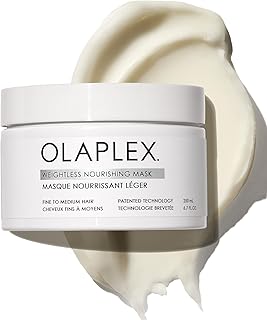


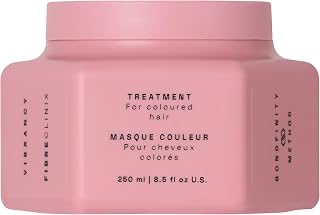


A good hair mask should match the condition of your hair rather than simply promise more shine or softness. Canadian shoppers may be dealing with dry indoor air during winter, frequent heat styling, colour-treated hair, hard-water exposure, summer humidity, or damage from repeated chemical processing. These factors can change which formula makes the most sense.
When comparing hair masks, look beyond attractive packaging and broad claims. Consider the ingredients, intended hair type, conditioning strength, application time, frequency of use, fragrance preferences, container size, and the manufacturer's directions. Customer feedback can also be useful, but it should be considered alongside the product specifications rather than treated as proof that a mask will work identically for everyone.
A hair mask is a more intensive conditioning treatment designed to be applied to the lengths and ends of the hair for a specified period before rinsing. Depending on its formulation, a mask may focus on conditioning, smoothing, reducing the feel of dryness, improving manageability, supporting the appearance of damaged hair, or enhancing softness and shine.
Hair masks are not all interchangeable. A lightweight conditioning mask can suit fine hair that becomes weighed down easily, while a richer formula may be more appropriate for coarse, very dry, curly, or highly processed hair. Some products are designed for general conditioning, whereas others target specific concerns such as colour-treated hair, frizz, breakage, or moisture loss.
Regular conditioner is generally designed for frequent use after shampooing, while a hair mask is commonly formulated as a more intensive treatment. However, there is no universal technical rule that makes every mask substantially stronger than every conditioner.
The best choice depends on your routine. Someone with healthy, fine hair may need only a conventional conditioner, while someone with dry or chemically treated lengths may prefer an occasional mask.
Read the ingredient list rather than relying only on marketing language. Conditioning agents can improve slip, softness, and manageability. Ingredients such as fatty alcohols, conditioning polymers, plant oils, butters, and silicones can appear in different combinations depending on the intended result.
Silicones are not automatically a disadvantage. Certain silicones can provide smoothness, reduce friction, improve combability, and give hair a polished feel. Whether you prefer silicone-free products is ultimately a formulation and personal-preference decision.
Some masks contain hydrolysed proteins or protein-derived ingredients. These formulas may appeal to people whose hair feels weakened after chemical processing, bleaching, or frequent heat styling. Protein-heavy products are not necessarily the best choice for every hair type, however, so avoid assuming that a higher protein content automatically means better results.
Humectants, oils, butters, and other emollient ingredients can contribute to a softer and more conditioned feel. Popular ingredients include glycerin, aloe-derived ingredients, shea butter, coconut oil, argan oil, jojoba oil, and various plant-derived oils. Their performance depends on the complete formulation rather than the presence of one headline ingredient.
Fragrance can make a hair-care product more enjoyable to use, but shoppers who prefer fragrance-free products should check the ingredient list carefully. A product described as botanical, natural, or gentle is not necessarily fragrance-free.
Compare the amount of product as well as the advertised price. A lower-priced tub may contain considerably less product than another option. For a fair comparison, consider the quantity, recommended application amount, and how frequently you expect to use the mask.
Dry-feeling hair generally benefits from formulas focused on conditioning, lubrication, and softness. Look for products containing a combination of emollients and conditioning ingredients rather than relying on a single oil or botanical extract.
If the hair is dry because of repeated bleaching or chemical processing, consider a product specifically formulated for damaged or processed hair. If the scalp is oily but the ends are dry, apply the mask mainly from the mid-lengths to the ends.
Hair that has been bleached, coloured, chemically straightened, or repeatedly exposed to high heat can become rough and difficult to manage. A suitable mask can improve the cosmetic feel and appearance of the hair, but it cannot permanently restore already broken hair fibres.
For significantly processed hair, compare products based on conditioning ingredients, protein content, intended use, and compatibility with your existing shampoo and conditioner.
Fine hair can become limp when a rich treatment is applied too heavily. Look for lighter formulations and use a smaller quantity initially. Concentrate the product on the areas that need conditioning most instead of automatically coating the roots.
Thick or coarse hair can often tolerate richer conditioning formulas. Butters, oils, fatty alcohols, and conditioning agents may provide the slip needed to make detangling easier. Application should still follow the product directions because excessive product does not necessarily produce better results.
Curly and wavy hair can benefit from improved lubrication and manageability because the shape of the hair can make distribution of natural scalp oils less uniform along the length. A mask can be useful when curls feel dry, tangled, or rough.
Choose according to your curl pattern, porosity preferences, styling routine, and tolerance for heavier ingredients. A very rich formula may work well for some dense curls but make finer waves feel flat.
Colour-treated hair often needs careful conditioning without unnecessarily aggressive cleansing or heat exposure. Look for products clearly intended for coloured or chemically treated hair when colour maintenance is an important consideration.
Always follow the colourist or manufacturer's recommendations when combining a mask with professional colour services, especially after bleaching or other chemical treatments.
Frizz can have several causes, including humidity, surface roughness, dryness, mechanical friction, and hair damage. A smoothing mask may temporarily improve the feel and appearance of the hair by increasing conditioning and reducing roughness.
For persistent frizz, consider the complete routine rather than relying on one product. Gentle washing, adequate conditioning, careful towel drying, suitable detangling, and reduced heat exposure can all influence the final result.
Shea butter is a rich emollient commonly used in conditioning products. It can make dry or coarse hair feel softer and more lubricated, although the overall formula determines how heavy the finished result feels.
Coconut oil is widely used in hair products because of its emollient properties and ability to coat the hair. Some people find it useful for dry-feeling hair, while others may prefer lighter formulations.
Argan oil is commonly included in smoothing and conditioning formulas. It can contribute to a softer, shinier appearance, particularly when combined with other conditioning ingredients.
Aloe-derived ingredients are frequently used in cosmetic formulations marketed around hydration and soothing properties. In a hair mask, the overall formulation matters more than the presence of aloe alone.
Glycerin is a humectant that helps attract and retain moisture. Its performance can vary according to the complete formulation and environmental conditions.
Hydrolysed proteins are broken-down protein ingredients used in many hair-care formulations. They can contribute to conditioning and the feel of stronger, more structured hair, particularly in products intended for damaged or chemically processed hair.
Ingredients such as cetyl alcohol, stearyl alcohol, and cetearyl alcohol are commonly used in conditioners and masks. Despite the word “alcohol,” these fatty alcohols are different from drying alcohols such as ethanol and can contribute to a creamy, conditioning texture.
Canada's climate varies considerably by region, so there is no single hair-care routine that works equally well across the country. Cold outdoor temperatures combined with heated indoor environments can leave hair feeling dry or static-prone. In warmer and humid conditions, some people may experience increased frizz or a heavier feel from rich styling products.
There is no universal frequency that applies to every hair type. Start with the manufacturer's instructions and assess how your hair responds. A dry, coarse, or highly processed hair type may tolerate more frequent intensive conditioning than very fine hair.
If your hair starts feeling coated, limp, greasy, or difficult to style, reduce the quantity or frequency and reassess the formula.
An ingredient such as argan oil, coconut oil, keratin, collagen, or aloe may sound appealing, but one ingredient does not determine the performance of a complete formula. Compare the full ingredient list and intended hair type.
Two people can have equally dry hair but very different densities. Fine, low-density hair may need considerably less product than thick, dense hair.
Price alone does not establish whether a hair mask is the right choice. Compare formulation, quantity, intended use, application instructions, and customer feedback before deciding.
Applying a large amount can make hair feel heavy without delivering proportionally better conditioning. Start with the recommended amount and increase it only when necessary.
Unless the manufacturer specifically recommends scalp application, intensive masks are often better suited to the lengths and ends. Applying a heavy formula close to an oily scalp can make the hair look greasy more quickly.
Hair masks can improve the cosmetic condition and manageability of existing hair. They cannot permanently reverse every form of structural damage. Split ends, for example, cannot be permanently repaired by a cosmetic mask.
When two products appear similar, use a consistent comparison method instead of relying on packaging claims.
| Buying Factor | Why It Matters | What to Check |
|---|---|---|
| Hair type | Determines how rich or lightweight the formula should be | Fine, thick, curly, dry, damaged or colour-treated hair suitability |
| Ingredients | Provides more useful information than marketing claims alone | Conditioners, oils, butters, humectants and proteins |
| Application time | Needs to fit realistically into your routine | Manufacturer's recommended treatment time |
| Product quantity | Helps make price comparisons fairer | Net weight or volume and expected usage |
| Formula weight | Affects volume, softness and manageability | Lightweight versus rich or intensive formulation |
| Fragrance | Influences everyday user experience | Fragrance ingredients and scent preferences |
When researching hair masks, established brands can provide a useful starting point because their product ranges often cover different hair types and concerns. However, brand reputation should not replace product-level comparison.
Availability, formulations, packaging, and retailer listings can change, so Canadian shoppers should verify the current product details before purchasing.
Look for products designed for weakened or damaged hair and examine whether they contain conditioning agents and proteins. Also consider the cause of breakage, since excessive heat, aggressive brushing, bleaching, tight hairstyles, and mechanical friction may all contribute.
A conditioning mask can temporarily improve the appearance and feel of split ends, but it cannot permanently fuse a split hair shaft back together. Regular trimming may be necessary when ends are extensively split.
Dullness can result from buildup, dryness, surface roughness, product residue, or environmental exposure. A smoothing and conditioning mask may improve shine, but buildup may require an appropriate cleansing routine instead.
Choose formulas that provide good slip and conditioning. Apply the product through the lengths and detangle gently rather than pulling aggressively through knots.
A mask can improve softness and manageability, but reducing the underlying cause is equally important. Use appropriate heat protection and avoid unnecessarily high temperatures or repeated passes with styling tools.
Hair porosity is often discussed in online hair-care communities, but it should not be the only factor used to select a product. The practical question is how your hair behaves after conditioning.
A hair mask does not eliminate the risks associated with excessive heat styling. If you regularly use a blow dryer, straightener, curling iron, or hot brush, consider the complete routine.
Hair masks are not limited by gender. Men with short hair may need less product because there is less length to condition, while men with long, curly, dry, bleached, or chemically treated hair may benefit from the same types of intensive conditioning used by anyone else.
For shorter hair, concentrate on avoiding unnecessary buildup near the scalp. For longer hair, apply enough product to coat the lengths evenly without saturating the roots.
Natural hair can still become dry, tangled, or rough, particularly when exposed to environmental conditions and heat styling. Chemically treated hair may have additional conditioning needs because colouring, bleaching, straightening, and other treatments can alter the hair's physical properties.
If you have recently received a professional chemical service, follow the aftercare guidance provided by your stylist and the product manufacturer. Introduce new intensive treatments gradually rather than changing every part of your routine simultaneously.
Customer reviews can help with commercial research, but they should be interpreted carefully. Hair products are highly individual, and the same formula can produce different experiences depending on hair texture, density, previous treatments, climate, and styling habits.
Before purchasing, answer five questions:
If you can answer these questions, it becomes easier to narrow a large selection into a few relevant options.
Persistent scalp irritation, severe itching, sudden hair loss, unexplained thinning, significant breakage, or other concerning changes should not automatically be treated as a cosmetic hair-care problem. A hair mask is intended for cosmetic conditioning and cannot diagnose or treat an underlying medical or scalp condition.
If you experience an ongoing or significant scalp or hair concern, consider discussing it with a qualified healthcare professional or dermatologist rather than repeatedly changing cosmetic products.
Consistency and correct application usually matter more than using a very large amount. Keep the treatment focused on the areas that need it, allow the recommended processing time, and rinse thoroughly when instructed.
For particularly dry hair, also review your shampooing frequency, water temperature, towel-drying technique, brushing habits, heat exposure, and chemical treatments. A hair mask works within a routine; it does not compensate for every source of hair stress.
There is no single best hair mask for everyone. The right option depends on hair texture, density, condition, styling habits, ingredient preferences, and budget. Compare products according to your specific requirements rather than choosing solely by overall popularity.
Follow the manufacturer's instructions and adjust according to how your hair responds. Fine hair may need less frequent intensive conditioning, while dry or coarse hair may benefit from a richer routine.
Some lightweight treatments may be suitable for more frequent use, but intensive masks are generally not designed to be used indiscriminately every day. Check the product directions before increasing frequency.
Only if the product instructions specifically recommend scalp application. Many intensive masks are designed primarily for the lengths and ends, particularly when the scalp becomes oily easily.
Hair masks can provide additional conditioning and improve the cosmetic feel of dry hair. Choose a formulation appropriate for your hair's thickness and condition, and use it according to the manufacturer's directions.
Hair masks can improve softness, smoothness, manageability, and appearance, but cosmetic treatments cannot permanently reverse every form of structural damage. Severely damaged or split hair may require trimming and changes to the routine causing the damage.
Not necessarily. A higher price does not guarantee that a product will be more suitable for your hair. Compare the formula, quantity, intended use, customer feedback, and your specific hair needs.
Consider products specifically formulated for colour-treated hair and check the manufacturer's recommendations. Gentle cleansing and limiting excessive heat can also help maintain the appearance of treated hair.
It depends on the product. Some masks are intended to replace conditioner during that wash, while others may be used as a treatment within a broader routine. Follow the specific directions rather than automatically layering products.
A cosmetic hair mask is primarily intended to condition the existing hair shaft. It should not be assumed to accelerate hair growth. If you are concerned about unusual hair loss or thinning, consider seeking professional medical advice.
No. “Natural” does not automatically mean more effective, safer, or more suitable for every hair type. Compare the complete formulation and consider your individual ingredient preferences and sensitivities.
Use the treatment for the time specified by the manufacturer. Leaving a product on significantly longer than instructed does not necessarily improve the result.
The smartest way to compare hair masks in Canada is to start with the condition of your hair, then evaluate formulation, texture, intended use, quantity, application time, and customer feedback. Avoid choosing solely because a product is labelled “best,” “professional,” “natural,” or “deep repair.” Those descriptions do not replace a close look at the actual product.
For dry or coarse hair, prioritise conditioning and lubrication. For fine hair, consider lighter textures and controlled application. For curly hair, focus on slip, manageability, and compatibility with your styling routine. For chemically treated hair, look for products designed around the needs of processed hair while reducing additional heat and mechanical stress.
Because retailer listings, packaging, formulations, customer ratings, and availability can change, verify the latest product information before purchasing. Comparing several suitable options side by side is usually more useful than searching for one universal winner.