

♥ Wishlist
Compare 55 Hair Treatment Oils for Nourished, Smooth and Healthy-Looking Hair products in Canada. Reviews, ratings, pros, cons and buying advice updated for October 2026.


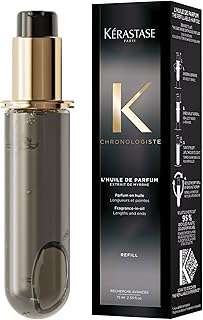


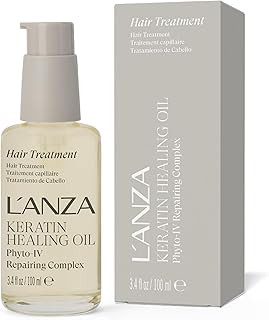


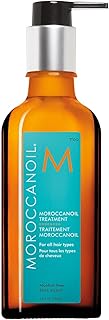

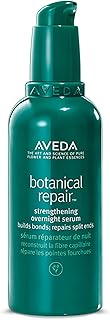

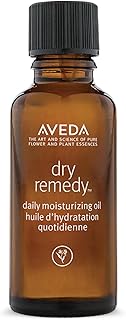
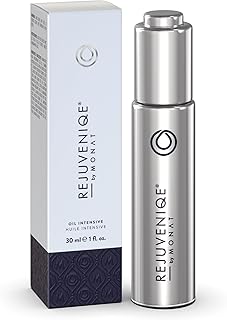
Choosing a hair treatment oil is not simply about selecting the product with the highest rating or the longest ingredient list. Hair texture, scalp condition, styling habits, climate, wash frequency and the type of damage you are trying to manage can all affect which oil makes the most sense. This buying guide is designed for Canadian shoppers comparing hair treatment oils in 2026, with emphasis on ingredients, formulation, usability, value and suitability for different hair needs.
Hair oils can serve several different purposes. Some are designed primarily to condition dry lengths and ends, while others are formulated for scalp massage, pre-shampoo treatments, frizz management, shine or protection against the drying effects of frequent styling. A product described as a “hair treatment oil” may therefore perform very differently from a lightweight finishing oil or a traditional scalp oil.
When comparing products, look beyond marketing claims and examine the complete ingredient list, directions, bottle size, dispensing method and suitability for your hair type. Customer feedback can also provide useful information about texture, scent, ease of application and whether a product feels heavy or lightweight, although individual results naturally vary.
Hair treatment oil is a cosmetic preparation intended to condition, soften, lubricate or otherwise improve the feel and appearance of hair. Depending on the formulation, it may contain plant oils, mineral-derived ingredients, esters, silicones, botanical extracts, fragrances or combinations of these components.
Unlike a conventional rinse-out conditioner, an oil treatment is generally used before shampooing, after washing, or as an occasional conditioning step. Some lightweight formulas can also be used in very small amounts on the ends between washes.
The important distinction is that “oil” does not automatically mean “better.” A rich formula may be useful for coarse, dry or highly textured hair but uncomfortable on fine hair. Conversely, a lightweight formula may be easier to use on straight or fine hair but may not provide the same rich conditioning feel for very dry lengths.
These terms are often used interchangeably, but they can describe different formulations and intended uses.
Before buying, identify which of these uses matches your routine. A product that performs well as a pre-wash treatment may not be the best choice for daily finishing.
Coconut oil is widely used in hair-care formulations and is particularly common in pre-wash treatments. It can provide a rich conditioning feel and help reduce friction during handling. However, individual hair types can respond differently, and some people find coconut-based products too heavy or stiff-feeling.
Argan oil is popular in products designed for softness, shine and manageability. It is commonly included in leave-in oils and finishing products because it can provide a relatively smooth cosmetic feel when used appropriately.
Jojoba oil is frequently used in hair and scalp products because of its lightweight, emollient characteristics. It can be an appealing ingredient for shoppers who prefer a less heavy oil texture.
Avocado oil is a richer botanical oil commonly selected for formulas intended for dry or coarse hair. It may be particularly appealing when the primary objective is conditioning and softness rather than an ultra-light finish.
Castor oil has a thick, viscous texture and is commonly found in traditional hair oils. It can contribute to a rich conditioning experience, but products containing a high proportion of castor oil may feel too heavy for fine hair.
Olive oil is another traditional hair-care ingredient. Its rich texture can suit dry hair routines, although the finished product may feel greasy if too much is applied.
Some hair oils contain silicone-based conditioning ingredients rather than relying exclusively on botanical oils. These ingredients can create a smooth surface feel, improve slip and help reduce the appearance of frizz. Shoppers who prefer silicone-free formulations should check the full ingredient list rather than relying on the word “natural” in the product description.
Rosemary, peppermint, tea tree, lavender and other botanical ingredients appear in many hair-care products. Their presence does not automatically establish that an oil will stimulate hair growth or resolve hair loss. If a product makes strong therapeutic or hair-growth claims, evaluate those claims carefully and distinguish cosmetic conditioning from treatment of a medical condition.
Fine hair can become weighed down quickly. Look for lightweight textures and avoid applying generous quantities to the roots or scalp unless the product is specifically intended for that purpose. A few drops distributed through the mid-lengths and ends may be more practical than coating the entire head.
Thicker hair can generally accommodate richer formulas, particularly when it is dry or chemically treated. A nourishing pre-shampoo oil may provide more noticeable conditioning than an extremely lightweight finishing product.
Curly hair can benefit from products that improve lubrication and manageability. The right oil can help hair feel softer and may support a routine designed to control dryness and friction. Application technique matters as much as the oil itself, especially when trying to avoid disrupting curl definition.
Coily hair often benefits from a carefully planned conditioning routine because natural oils may not distribute evenly from the scalp to the ends. Richer treatment oils can be useful as part of a pre-shampoo or conditioning routine, but the ideal amount depends on density, porosity and styling preferences.
For dry lengths and brittle-feeling ends, prioritise conditioning properties, spreadability and compatibility with your existing conditioner or mask. An oil can improve the feel and appearance of dry hair, but it should not be considered a replacement for appropriate hair-care practices when significant breakage is present.
This combination requires more targeted application. Applying a rich oil to the entire scalp may leave the roots looking greasy while the ends remain the actual area requiring conditioning. Consider concentrating the treatment on the lengths and ends unless the specific product instructions recommend scalp application.
Hair porosity describes how readily hair absorbs and retains moisture and conditioning substances. Although porosity tests found online are not always scientifically standardised, paying attention to how your hair behaves can still help you refine your routine.
Rather than choosing an oil solely because it is labelled for a particular porosity category, use your hair's actual response as the practical guide.
A pre-shampoo treatment can be a convenient way to incorporate a richer oil without leaving a heavy residue throughout the day.
Using more oil does not necessarily produce better results. Excess product can increase the amount of shampoo needed for removal and may leave fine or low-density hair looking flat.
When using an oil as a leave-in or finishing product, begin with a very small amount. Rub the product between your palms and distribute it primarily through the mid-lengths and ends. Avoid automatically applying it to the scalp.
For fine hair, one small application may be enough. For thick or highly textured hair, a larger amount may be appropriate, but it is usually better to build gradually than to apply too much at once.
If the product is intended specifically as a scalp treatment, follow the manufacturer's application instructions rather than treating every hair oil as interchangeable.
Frizz can result from several factors, including humidity, friction, dryness, hair damage and the natural structure of the hair. A conditioning oil can improve the cosmetic appearance of frizz by smoothing the hair surface and reducing the rough feel associated with dry strands.
For this purpose, lightweight finishing oils and serum-like formulas may be easier to control than very thick traditional oils. Apply sparingly, especially if your hair is straight or fine.
In Canada's humid summer conditions, a product that gives a smooth finish may be particularly useful for managing surface frizz. During cold winter weather, indoor heating and dry air can contribute to a dry-feeling hair routine, making conditioning and gentle handling equally important.
Hair oil can temporarily improve the appearance and feel of dry or split ends by coating and conditioning the hair. However, an oil cannot permanently repair a split hair fibre. Once a strand has split, trimming is the reliable way to remove the damaged section.
When breakage is the concern, consider the complete routine rather than relying on oil alone. Excessive heat, aggressive brushing, tight hairstyles, frequent chemical processing and rough towel drying can all contribute to mechanical or cosmetic damage.
Be cautious with products that imply a cosmetic oil will dramatically accelerate hair growth. Hair growth is influenced by biological and genetic factors, and noticeable hair loss can have many different causes.
Hair oils can support a grooming routine by conditioning hair, improving manageability and reducing the dry or rough appearance of the lengths. Those benefits should not be confused with proven treatment for a medical cause of hair loss.
If you are experiencing sudden, substantial or persistent hair loss, scalp inflammation, painful areas, scaling or unexplained changes in hair density, consider speaking with a qualified healthcare professional or dermatologist rather than relying solely on cosmetic oils.
“Natural” and “synthetic” are not reliable shortcuts for determining whether a hair product is better. Botanical oils can provide excellent cosmetic conditioning, while synthetic conditioning ingredients can offer useful properties such as consistency, spreadability and a smooth finish.
A more useful comparison considers the complete formula, intended use, hair type, scent preference, texture, ease of washing out and how well the product fits your routine.
Compare the amount of product rather than judging value from the sticker price alone. A small bottle can be economical when only a few drops are required per use, while a larger bottle may be more practical for frequent pre-shampoo treatments.
Droppers, pumps and pour bottles provide different levels of control. A precise dispenser can be particularly useful for concentrated oils because it reduces the chance of applying too much.
Hair oil remains close to the face for extended periods, so fragrance can significantly affect user satisfaction. Read the ingredient information and customer feedback for useful clues about scent strength, but remember that fragrance perception is subjective.
Texture should match the intended use. Thick oils may work well for intensive pre-wash treatments, whereas lighter formulations may be more convenient for daily or occasional finishing.
A rich oil that requires several shampoo applications may be inconvenient for frequent use. If you wash your hair infrequently, consider how the product fits your normal schedule before choosing a particularly heavy formula.
Opaque or UV-protective packaging can be relevant for formulations containing ingredients that may be affected by light. Secure caps are also important because oil can leak during storage or travel.
A useful comparison should not rely on star ratings alone. Create a consistent checklist for every product you are considering.
When researching hair treatment oils, shoppers may encounter established brands such as Moroccanoil, OGX, Mielle, L'Oréal Paris, Garnier, SheaMoisture, Kérastase, The Ordinary, Briogeo and Verb. Brand reputation can be a useful starting point, but the individual formulation still matters more than the name on the bottle.
Different brands also target different routines. For example, some focus on salon-style finishing products, while others emphasise botanical oils, textured-hair care, scalp-focused formulations or affordable everyday hair care. Compare the exact product rather than assuming that every oil from a particular brand will have the same performance characteristics.
A heavier oil is not automatically more nourishing for every hair type. Fine hair can become limp, greasy or difficult to style when overloaded.
A scalp oil, pre-shampoo treatment and finishing oil may have completely different formulations. Check the directions before purchasing.
Oil is concentrated by nature, so start small. You can add more if necessary, but removing excess product may require additional washing.
Cosmetic conditioning and medical hair-loss treatment are different categories. Do not select an oil solely because its marketing suggests it can solve hair loss.
A product can have an otherwise appealing formula but still be unsuitable for someone who dislikes strong fragrance. Check the ingredient list and available product information before buying.
Always consider price per unit of product where possible. This makes comparisons between different bottle sizes more meaningful.
Plant-derived ingredients can still cause irritation or sensitivity. If your skin or scalp reacts easily, review the ingredient list carefully and consider a patch test where appropriate.
Customer reviews can be useful, but the most valuable information often appears in the details rather than the headline rating.
Prioritise a conditioning formula that can be applied sparingly to the lengths and ends. A richer pre-shampoo treatment may be useful when the hair is particularly dry.
Consider a lightweight finishing oil or serum-style formula that spreads evenly without leaving a visibly greasy coating.
Look for a product that provides good surface conditioning and slip. Application technique is important: a small amount distributed evenly is usually easier to control than a heavy coating.
Consider richer conditioning oils when they fit your routine, particularly as a pre-wash step. Avoid assuming that more product will automatically improve definition or moisture retention.
Choose a lightweight formula and use a minimal amount. Concentrating application on the ends can help prevent the roots from looking oily.
Prioritise gentle handling, conditioning and reduced friction. An oil can complement a suitable conditioner and hair mask, but it should be part of a broader damage-management routine.
Canada's varied climate makes seasonal hair-care adjustments practical. Cold outdoor temperatures, dry indoor heating and frequent use of hats or scarves can change how hair feels during winter. In summer, humidity and heat can increase frizz and alter the way rich products feel.
During colder months, a richer pre-shampoo treatment may be more comfortable for dry lengths. In warmer or humid conditions, a lightweight finishing product may be easier to manage, particularly for fine or straight hair.
Seasonal changes do not mean that everyone needs a completely different oil. Start with your hair's behaviour and adjust application quantity and frequency before replacing a product unnecessarily.
Store hair oils according to the manufacturer's instructions. Excessive heat, direct sunlight and poor sealing can affect some cosmetic formulations over time.
Keep the cap securely closed and avoid introducing water or other substances into the bottle. If the product develops a noticeably different smell, colour or texture from its normal state, check the manufacturer's guidance before continuing to use it.
New cosmetic products can cause irritation or allergic reactions in susceptible individuals. If a hair treatment oil contains fragrance, essential oils or botanical extracts, review the ingredient list carefully if you have previously reacted to similar products.
Follow the product's safety directions and discontinue use if significant irritation occurs. A cosmetic hair oil should not be used on damaged or inflamed skin unless the product is specifically intended and labelled for that application.
Hair masks and oils can complement one another, but they are not identical. A mask is typically an emulsion or cream-based conditioning treatment containing water and conditioning ingredients, while an oil treatment is primarily oil-based.
There is no universal number of drops that works for every person. Hair density, length, texture, porosity, product concentration and intended application all influence the appropriate amount.
A practical starting point is to use less than you think you need, distribute it thoroughly and assess the result after styling. If the hair still feels dry, a small additional amount can be applied. If the hair looks greasy, flat or coated, reduce the quantity next time.
Frequency depends on the formulation and your hair. Some people may prefer an occasional pre-shampoo treatment, while others may use a small amount of finishing oil more frequently.
There is no requirement to oil hair every day. If your hair becomes heavy, greasy, coated or difficult to cleanse, reduce frequency or switch to a lighter formula.
The cheapest bottle is not necessarily the best value, and a premium product is not automatically superior. A smart purchase balances formula quality, suitability, quantity, usability and expected frequency of use.
For example, a concentrated oil that requires only a small amount per treatment may last longer than a larger bottle that needs generous application. Similarly, an inexpensive product that does not suit your hair may provide poor value if it remains unused.
When comparing current Canadian offers, check the final listed price, bottle size and current seller information separately. Prices, promotions and availability can change, so avoid treating a temporary deal as a permanent product characteristic.
Use the following framework when comparing the products featured on a hair treatment oil deals page:
There is no single best hair treatment oil for everyone. The right option depends on hair type, desired result, formula, texture, fragrance preference, application method and budget. Compare the products using the criteria in this guide rather than selecting solely on overall ratings.
Dry hair generally benefits from a conditioning formula that provides adequate lubrication without leaving an unwanted coating. Richer botanical oils can be useful for some hair types, while lighter blends may be preferable for fine hair.
A lightweight conditioning oil or serum can help improve the appearance of surface frizz by smoothing the hair and reducing a rough feel. Apply a small amount to avoid making the hair greasy.
Hair oil can improve the cosmetic feel and appearance of damaged hair, but it cannot permanently reverse structural damage such as a split end. Reducing heat and mechanical stress and trimming severely damaged ends remain important parts of a damage-management routine.
Only if the product is intended for scalp application and your scalp tolerates it. Some hair oils are designed mainly for the lengths and ends. Always follow the product directions.
Not necessarily. Price does not guarantee that a formulation will suit your hair. Compare ingredients, intended use, texture, bottle size, application method and user feedback before deciding.
Not automatically. Both natural and synthetic ingredients can have useful cosmetic properties. The complete formulation and its suitability for your hair matter more than the marketing category.
Follow the manufacturer's directions. Leaving an oil on for longer than recommended does not necessarily provide additional benefits and may make cleansing more difficult.
Some lightweight products can be used frequently, while richer treatments are better suited to occasional use. Adjust frequency according to how your hair feels and looks.
Yes. Applying too much oil or choosing a formula that is too rich for your hair can make it look greasy or flat. Start with a small quantity and build gradually.
Repeated use of rich oils and conditioning products can contribute to a coated or heavy feel for some people. If this occurs, reduce product quantity or frequency and review your cleansing routine.
Many hair oils can be incorporated into colour-treated hair routines, but compatibility depends on the specific formulation and the rest of your hair-care routine. Follow the product directions and prioritise gentle cleansing and conditioning.
Consider a formula that provides sufficient conditioning for your hair's needs and is practical to use with your winter routine. Indoor heating can make hair feel drier, while hats and scarves can increase friction, so gentle handling is also important.
Consider texture and intended use. Coconut oil is commonly used in rich pre-wash treatments, argan oil is popular for lightweight conditioning and shine, while castor oil is substantially thicker and is often used in richer formulations. The finished product's complete formula matters more than one ingredient alone.
The smartest way to compare hair treatment oils in Canada is to match the product to the job you actually want it to perform. Start with your hair type and primary concern, then examine the formula, texture, application method and bottle size. After that, consider customer feedback and current purchasing information.
For dry or coarse hair, a richer treatment may be useful. Fine hair often benefits from lighter products and careful dosing. Curly and coily hair may require more substantial conditioning, while people primarily concerned with shine or flyaways may prefer a lightweight finishing formula.
Most importantly, treat hair oil as one component of a complete hair-care routine. Appropriate shampooing, conditioning, gentle detangling, sensible heat use and protection from excessive mechanical stress can have a greater impact on overall hair condition than simply changing from one oil to another.
Before purchasing any product featured in a 2026 deals or recommendations list, verify the current ingredients, bottle size, usage instructions, seller information, customer feedback and price. Product formulations, packaging, promotions and availability can change during the year, so current product information should always take priority over older descriptions.
Editorial note: This guide is intended for independent consumer research and commercial comparison. Product suitability varies from person to person. Always review current manufacturer information and product labelling before making a purchase.
Would you prefer the next version focused on SEO-rich 5,000+ words, Amazon affiliate conversion, or maximum topical authority and AI Overviews?