

♥ Wishlist
Compare 64 Furniture Hardware for Repairs, Builds & Furniture Upgrades products in Canada. Reviews, ratings, pros, cons and buying advice updated for October 2026.
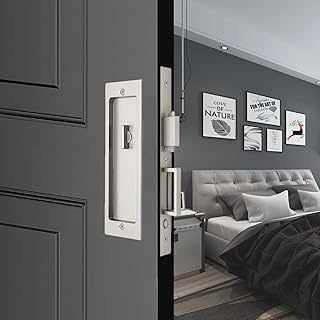


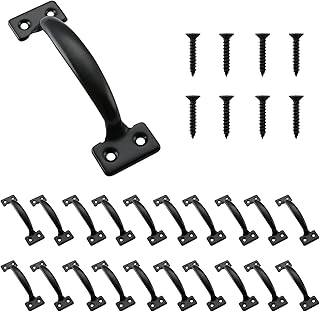


Finding a genuinely smart furniture hardware deal is about more than choosing the lowest advertised price. The right hardware should suit the furniture project, provide the required strength and adjustment, fit the existing dimensions, and offer a sensible balance between purchase cost and long-term usefulness. For Canadian shoppers, it is also important to consider product specifications, metric sizing, material quality, compatibility, retailer policies, and whether replacement components are readily obtainable.
This buying guide is designed for comparing furniture hardware before purchasing. It covers cabinet hinges, drawer slides, handles, knobs, furniture connectors, shelf supports, brackets, fasteners, jigs, installation accessories, and other hardware commonly used for furniture construction, repair, renovation, and upgrading.
Brands such as Blum, Hettich, Häfele, Richelieu, Kreg, Bosch, DEWALT, Makita, Milwaukee, Festool, and other established manufacturers may appear when comparing suitable hardware or installation tools. Brand recognition alone, however, should not determine the purchase. Always compare the actual specification of the individual product.
A smart buy combines suitability, durability, compatibility, installation requirements, and overall value. A product can look inexpensive while becoming poor value if it requires additional components, does not fit the furniture, or cannot provide the required load capacity.
For example, a drawer slide should be evaluated by its extension type, mounting arrangement, dimensions, load rating, adjustment options, and required clearance rather than price alone. A cabinet hinge should be checked for cup size, overlay requirements, opening angle, mounting plate compatibility, and adjustment range. Likewise, a furniture connector needs to match the panel thickness and construction method.
Cabinet hinges are among the most frequently replaced furniture components. Concealed hinges can provide a clean appearance while allowing adjustment for door alignment. When comparing hinges, pay attention to the hinge cup diameter, door overlay, mounting plate, opening angle, adjustment directions, and cabinet construction.
Soft-close hinges can be useful where controlled closing is preferred. Clip-on designs can simplify removal during cabinet servicing, while screw-mounted alternatives may suit particular cabinet constructions. Blum and Hettich are two established names frequently encountered when researching cabinet hinge systems, while Häfele and Richelieu provide extensive furniture hardware ranges.
Drawer slides require particularly careful measurement because a small dimensional error can prevent smooth operation. Before buying, measure the drawer box, cabinet opening, available side clearance, and required slide length.
Side-mount slides are commonly used for straightforward replacement projects. Undermount systems can provide a more concealed installation, but they often have different drawer construction and clearance requirements. Full-extension slides allow greater access to the rear of a drawer, while partial-extension designs may be appropriate for simpler applications.
Handles and knobs can change the appearance and usability of furniture without replacing the complete cabinet or drawer. The key specification is often the centre-to-centre measurement between fixing holes. Measuring the existing hardware before selecting a replacement can prevent unnecessary drilling or visible unused holes.
Consider the finish as well as shape. Brushed, polished, matte, black, brass, chrome, nickel, and other finishes can produce substantially different visual results. The fixing length should also match the thickness of the door or drawer front.
Cam locks, dowels, minifix connectors, joining bolts, threaded inserts, and other furniture connectors are useful for flat-pack furniture, cabinets, shelving, and custom furniture construction. The correct connector depends on panel thickness, hole diameter, drilling depth, joint design, and the required disassembly capability.
For replacement work, do not assume that two visually similar connectors are interchangeable. Measure the existing fitting and compare the complete dimensions before ordering.
Shelf supports range from small cabinet pins to heavy-duty brackets designed for larger shelves. The appropriate choice depends on shelf material, shelf depth, span, expected load, fixing surface, and mounting arrangement.
When a shelf is expected to carry books, tools, appliances, or other concentrated loads, consider the entire support system rather than the bracket rating alone. Wall construction, fixing hardware, shelf material, and installation quality can all influence the finished result.
Casters can make cabinets, workbenches, storage units, carts, and other furniture easier to move. Compare wheel diameter, total load capacity, mounting plate dimensions, stem type, brake configuration, and floor compatibility.
Locking casters can help prevent unwanted movement when the furniture is being used. However, the stated caster capacity should be evaluated against the combined weight of the furniture and its contents rather than the empty unit alone.
Steel is widely used for drawer slides, brackets, connectors, hinges, screws, and structural furniture components. Its suitability depends on the particular grade, manufacturing quality, coating, thickness, and intended application.
Stainless steel can be useful where corrosion resistance and appearance are important. It may be considered for furniture exposed to humid conditions or applications where the visible hardware needs to maintain a clean appearance.
Aluminium hardware is valued for its relatively low weight and resistance to corrosion. It is commonly encountered in furniture profiles, handles, rails, brackets, and specialised hardware systems.
Zinc-based hardware is common in furniture connectors, handles, knobs, brackets, and decorative components. The suitability of a zinc-alloy fitting depends on its design and intended load rather than the material name alone.
Plastic components can be appropriate for bumpers, spacers, guides, caps, furniture feet, cable-management parts, and selected low-load applications. For structural applications, verify the manufacturer's specifications rather than assuming that a polymer component has the same strength as a metal alternative.
Dimensions are one of the most important factors in furniture hardware purchasing. Compare length, width, height, mounting-hole spacing, screw-hole diameter, cup diameter, clearance, and fixing depth where relevant.
Canadian furniture projects may involve metric measurements, imperial measurements, or products originating from either measurement system. Do not rely on approximate conversions when a close mechanical fit is required.
Load capacity matters for drawer slides, shelf brackets, casters, hinges, table legs, supports, and other load-bearing hardware. Use the manufacturer's stated rating as a starting point and consider how the load is distributed in the actual furniture.
Heavy contents concentrated at the front of a drawer can place different demands on the slides than evenly distributed contents. Similarly, a shelf carrying a concentrated load may behave differently from one carrying lighter objects distributed across its surface.
Adjustability can make installation and later alignment considerably easier. Cabinet hinges may offer lateral, depth, and height adjustment. Some drawer systems provide multiple adjustment directions. When precision alignment is important, compare the available adjustment range instead of choosing solely on appearance.
The finish should match both the visual requirements and the environment. Compare how the surface treatment is intended to perform under normal use and cleaning. For visible hardware, consistency between handles, hinges, brackets, and other accessories can be important when completing a furniture renovation.
The cheapest component is not necessarily the best value. A lower-cost item can become more expensive if it requires additional parts, causes installation problems, or needs replacement sooner than expected.
Replacement hardware should be measured before purchasing. This is particularly important for drawer slides, cabinet hinges, handles, knobs, catches, and furniture connectors.
Two hinges may look nearly identical but use different mounting plates. Two drawer slides may have similar lengths but require different clearances. Two furniture connectors may have different drilling depths. Always compare the specification rather than relying on appearance.
Check whether the product includes the screws, mounting plates, brackets, clips, spacers, or other components needed for installation. If these are sold separately, include them when comparing total cost.
Solid wood, plywood, MDF, particleboard, laminate panels, and other materials can require different fixing approaches. A fastening method that works well in one material may not be appropriate for another.
Clearance is critical for moving components. Drawer slides, hinges, pull-out mechanisms, and rotating hardware need sufficient space to operate. Measure surrounding components before selecting the replacement.
Brand can be a useful starting point when researching furniture hardware, but it should not replace specification checking. Different manufacturers specialise in different product categories and product lines.
DIY furniture upgrades often require a combination of hardware rather than one isolated component. A cabinet renovation, for example, may involve hinges, handles, drawer slides, shelf supports, screws, and installation accessories.
Plan the complete project before purchasing individual items. This helps ensure that visible finishes match and that concealed components are compatible. It also reduces the risk of discovering halfway through an installation that a required mounting plate, screw size, spacer, or drilling accessory is missing.
Start by identifying the cabinet construction and existing hinge configuration. Measure the door overlay, hinge cup arrangement, mounting plate, and fixing locations. If changing to a different hinge system, verify that the new installation does not interfere with shelves, adjacent doors, drawer fronts, or cabinet walls.
Measure the existing drawer box and cabinet opening carefully. Check the slide length, mounting position, side clearance, and drawer construction. If replacing a basic slide with a soft-close or concealed system, confirm that the new mechanism is designed for the existing drawer.
Flat-pack and knock-down furniture benefit from connectors designed for repeated assembly and disassembly. Compare connector dimensions and panel thickness requirements, and use suitable drilling guides when precision is important.
Canadian homes experience a wide range of indoor climate conditions. Seasonal heating can reduce indoor humidity, while humid periods can increase moisture exposure. These environmental changes can affect wood movement and the long-term performance of furniture components.
For furniture placed in kitchens, bathrooms, laundry areas, garages, workshops, entryways, or other environments where moisture or temperature variation may be higher, pay closer attention to material, coating, corrosion resistance, and installation conditions.
Outdoor or semi-outdoor applications require additional consideration. Hardware intended for interior furniture should not automatically be assumed suitable for prolonged exposure to rain, snow, condensation, or changing outdoor temperatures.
Some furniture hardware can be installed with basic hand tools, while other systems benefit from drills, drivers, jigs, routers, or precision measuring equipment. The correct tool can improve repeatability, particularly when installing multiple hinges, handles, drawer slides, or connectors.
Brands such as Bosch, DEWALT, Makita, Milwaukee, and Festool offer tools commonly used in woodworking and furniture-related applications. Kreg is also relevant for drilling and joinery accessories. Select tools according to the project rather than purchasing unnecessary equipment.
A suitable drill or driver can simplify screw installation and pilot-hole drilling. For repeated cabinet hardware installation, adjustable clutch settings can help reduce the risk of overtightening fasteners.
Jigs can improve consistency when multiple holes need to be positioned at identical distances. This is especially useful for cabinet handles, knobs, hinges, and certain furniture connectors.
A reliable tape measure, combination square, ruler, marking gauge, or suitable precision measuring tool can prevent many installation errors. Accurate marking is often more important than using a more powerful tool.
Customer reviews can provide useful information, but they should be interpreted carefully. Look for patterns across multiple reviews instead of allowing a single positive or negative comment to determine the decision.
Higher-priced hardware may make sense when the furniture receives frequent use, requires precise adjustment, supports substantial loads, or forms part of a long-term renovation. A more sophisticated drawer system, for example, may provide features that justify additional expenditure when smooth operation and adjustment are priorities.
However, premium pricing should not automatically be interpreted as superior suitability. Compare the features that actually matter for the project. If a basic component meets the required dimensions, load, installation method, and performance requirements, spending more may provide little practical benefit.
Budget hardware can be appropriate for lightly used furniture, temporary projects, simple repairs, workshop storage, or situations where advanced adjustment and premium finishes are unnecessary.
The key is to distinguish a genuinely suitable budget product from one that is simply inexpensive. Verify dimensions, material, load capacity, fixing method, and compatibility before deciding that a lower-cost option provides better value.
When comparing a shortlist, give greater weight to specifications that directly affect the intended application. A useful ranking approach is to assess compatibility first, followed by functional performance, construction quality, installation requirements, adjustment options, and overall value.
For example, a drawer slide that fits correctly and meets the required load rating should generally receive more consideration than a visually attractive alternative that requires incompatible clearances. Similarly, a cabinet hinge with the correct overlay and mounting system can be a better choice than a cheaper hinge that requires substantial modification to the cabinet.
Kitchen cabinets place repeated demands on hinges, drawer slides, handles, catches, organizers, and support hardware. Frequently used drawers and doors can benefit from hardware selected specifically for regular movement.
Soft-close mechanisms may be desirable for homeowners who prefer controlled closing. Full-extension drawer systems can be useful where access to the rear of deep drawers matters. Adjustable hinges can simplify door alignment during installation and future maintenance.
Before replacing kitchen hardware, identify whether the existing cabinets use face-frame or frameless construction, because this can influence the hardware configuration required.
Wardrobes and bedroom storage systems commonly use hinges, drawer runners, handles, hanging-rail supports, shelf pins, brackets, and sliding-door components. Hardware selection should reflect the size and weight of the doors and drawers.
Large wardrobe doors can place greater demands on hinges and mounting points than small cabinet doors. Sliding systems require careful attention to track dimensions, door weight, adjustment, and available installation space.
Home office furniture can involve drawer slides, cable-management components, desk brackets, handles, casters, shelf supports, and monitor or equipment support hardware. Consider both the static load and the movement created when drawers or mobile furniture are used.
For rolling storage units, compare caster construction, wheel type, mounting method, and braking features. For desks and shelving, assess the support arrangement and fixing surface before choosing brackets or connectors.
Workshop and garage furniture can require more robust hardware because cabinets and drawers may hold tools, fasteners, machinery accessories, and other dense items. Load capacity becomes particularly important for drawer slides, shelving brackets, casters, and workbench components.
Metalworking and woodworking environments can also expose hardware to dust, vibration, impacts, and more frequent use. Choose components according to the actual working conditions rather than using decorative residential hardware for every application.
Regular inspection can help identify loose fasteners, misalignment, worn components, and damaged mounting points before they become larger problems.
Total value includes more than the initial purchase price. Consider the number of components required, installation time, compatibility with existing furniture, tools needed, replacement availability, and the expected demands of the application.
A multi-pack may be useful when several identical fittings are required, but only if every component will be used. Buying excessive quantities simply because the unit price is lower does not necessarily create savings.
Likewise, an integrated hardware system may have a higher initial cost but reduce the need to source multiple compatible components. Compare the complete solution rather than individual prices in isolation.
For simple replacement, matching dimensions and mounting configuration can reduce modification work. If upgrading to a different system, verify compatibility and installation requirements before purchasing.
Established brands can provide useful product information and broad ranges, but the specific specification remains more important than the logo. Compare the actual product dimensions, materials, capacity, features, and compatibility.
It can be worthwhile when controlled closing is an important priority, particularly for frequently used drawers and cabinet doors. If soft-close operation is not needed, a simpler mechanism may offer better value for the particular project.
Measure the drawer and available cabinet depth, then compare those measurements with the manufacturer's required installation dimensions. Do not assume that the cabinet's outside depth automatically equals the required slide length.
It is essential for load-bearing components. Compare the stated capacity with the expected contents and consider how those contents will be distributed during normal use.
If the goal is consistent operation and appearance, replacing a complete set can make sense. However, inspect the existing hinges first and confirm that the replacement model is compatible with the cabinet construction.
The best deal depends on the application, dimensions, required performance, and budget. Compare current products using specifications, compatibility, customer feedback, included components, and total project cost rather than choosing solely by advertised price.
A cabinet upgrade may require hinges, drawer slides, handles, knobs, shelf supports, catches, connectors, or mounting accessories. Identify the specific components required and measure the existing furniture before selecting replacements.
Blum, Hettich, Häfele, Richelieu, and Kreg are useful brands to research for furniture hardware and woodworking-related applications. Bosch, DEWALT, Makita, Milwaukee, and Festool can also be relevant when the project requires power tools or installation equipment.
No. Higher-priced hardware may provide useful features or construction advantages, but value depends on the application. A less expensive product can be the smarter choice when it meets the required dimensions, capacity, compatibility, and functional requirements.
Check slide length, available clearance, mounting style, extension type, load capacity, drawer construction, installation position, and any soft-close or push-to-open requirements.
Check the hinge cup configuration, door overlay, mounting plate, cabinet construction, opening angle, adjustment range, fixing method, and whether the hinge is intended for the particular cabinet application.
Measure the existing component and furniture carefully, photograph or document the installation arrangement for your own reference, identify the exact hardware category, and compare the manufacturer's technical specifications before ordering.
Both measurement systems can appear in products and existing furniture. Use the measurement system specified by the product and avoid relying on approximate conversions for components that require precise mechanical compatibility.
Yes. Reviews can reveal recurring issues involving fit, installation, missing components, alignment, or operation. Use multiple reviews as supplementary information and give priority to the official product specifications for technical requirements.
There is no universal replacement interval. Hardware should be assessed according to wear, damage, performance, usage frequency, and the requirements of the furniture. Components that become loose, damaged, excessively worn, or unsuitable for their load should be inspected and replaced where appropriate.
The strongest furniture hardware purchase is not necessarily the cheapest product or the most feature-rich option. It is the component that fits the furniture correctly, performs the required task, suits the installation method, and provides appropriate value for the project.
For Canadian shoppers, compare current specifications and retailer information before making a purchase because prices, stock, product configurations, and availability can change. Pay particular attention to measurements, load ratings, clearances, mounting systems, materials, finishes, and included accessories.
Whether you are upgrading kitchen cabinets, replacing drawer slides, renovating a wardrobe, building workshop storage, refreshing office furniture, or completing a custom woodworking project, a careful specification-first approach can help you avoid incompatible purchases and unnecessary installation work.
Use this guide as a framework for commercial comparison, then verify the exact product specifications and current retailer information for the item you are considering before purchasing.