

♥ Wishlist
Compare 14 Power Hand Tools for DIY, Repairs & Workshop Projects products in Canada. Reviews, ratings, pros, cons and buying advice updated for October 2026.


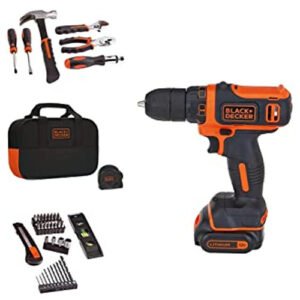
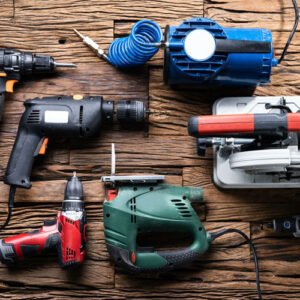


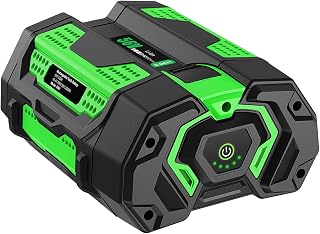

Choosing a power hand tool is not simply about finding the lowest advertised price. A smart purchase balances motor performance, battery compatibility, ergonomics, durability, included accessories, repairability and the type of work you actually expect to perform. For Canadian buyers, it is also worth checking voltage, battery-platform availability, seasonal working conditions and the long-term cost of compatible batteries and chargers.
This guide is designed for shoppers comparing power hand tools for home improvement, woodworking, renovation, automotive work, construction, maintenance and general DIY projects. Rather than focusing only on headline specifications, consider how each specification affects real-world use and whether the tool fits your existing equipment.
A smart buy is not necessarily the most powerful tool or the least expensive model. It is the product that provides the right combination of capability, reliability, convenience and ownership value for a particular job.
A cordless drill is one of the most versatile power tools for general household work. It can handle drilling and fastening tasks while providing freedom from an electrical cord. When comparing models, look beyond maximum voltage. Chuck capacity, clutch settings, speed ranges, torque control, overall weight and battery capacity can have a greater practical impact.
Brands such as DeWalt, Milwaukee, Makita, Bosch and Ryobi offer extensive cordless tool ecosystems. If you already own compatible batteries, staying within that platform may provide better overall value than buying a standalone tool from another system.
Impact drivers are designed primarily for driving fasteners and handling applications that require substantial rotational force. Their compact form can be useful when working in confined spaces. However, an impact driver is not a direct replacement for every drill because its operating characteristics are different.
When comparing impact drivers, evaluate torque claims alongside speed, impact rate, tool length, weight, trigger control and the type of fasteners you commonly use. A model with excessive power may not be the best choice for delicate assembly work.
Impact wrenches are particularly useful for automotive maintenance, mechanical work and heavy-duty fastening. The correct drive size should match the intended sockets and fasteners. Compact models can be easier to control, while larger models may be better suited to demanding applications.
For Canadian automotive users, consider whether the tool is intended for occasional wheel changes or more frequent mechanical work. Also compare the cost and availability of compatible batteries, chargers and sockets before choosing a cordless platform.
An angle grinder can perform cutting, grinding, surface preparation and material removal when equipped with the correct accessory. Because these tools operate at high rotational speeds, accessory compatibility and correct application are essential buying considerations.
Compare disc diameter, motor speed, power source, spindle configuration, guard design, handle positions and restart or overload protection features where specified by the manufacturer. Ergonomics are particularly important because grinders are often operated with both hands.
Random orbital sanders are useful for preparing wood, smoothing surfaces and removing finishes. Important specifications include sanding-pad diameter, variable-speed capability, dust collection design and grip configuration.
Do not evaluate a sander solely by motor power. Dust management and comfortable handling can substantially affect the experience during longer sanding sessions. Check which sanding discs are compatible and whether replacement abrasives are readily available in Canada.
Reciprocating saws are versatile cutting tools commonly used for demolition, renovation and rough cutting. Cordless versions are convenient for work away from electrical outlets, while corded models can be useful for extended cutting sessions.
Compare stroke length, strokes per minute, variable-speed control, blade-change mechanism, vibration characteristics and overall weight. A lighter saw may be easier to position overhead, while a more substantial model may be appropriate for demanding cutting tasks.
A circular saw is a practical choice for straight cuts in sheet goods, boards and other suitable materials. Blade diameter determines the potential cutting depth, but the appropriate blade also depends on the material and desired finish.
Look at bevel adjustment, cutting-depth adjustment, sight lines, shoe construction, motor braking where specified and the tool's balance. Cordless circular saws can be particularly convenient on renovation sites, but battery capacity and spare-battery costs should be included in the overall purchase calculation.
Rotary tools are compact and highly adaptable. With suitable accessories, they can be used for detail sanding, polishing, engraving, trimming, cleaning and small cutting applications.
The accessory ecosystem is often more important than raw motor specifications. Before buying, check the available collet sizes, accessory compatibility, speed range and whether the included accessories match your intended projects.
An oscillating multi-tool is useful when precision access is more important than cutting speed. It can help with plunge cuts, trimming, scraping, grout removal and other renovation tasks when the appropriate accessory is fitted.
Compare oscillation angle, speed adjustment, accessory attachment system, vibration and grip comfort. A quick accessory-change system can be valuable for users who frequently switch between blades and sanding attachments.
Power planers remove material from wood surfaces and can be useful for trimming doors, adjusting boards and correcting uneven edges. Key specifications include cutting width, maximum depth per pass, blade type and adjustment mechanism.
For occasional DIY use, simple controls and predictable depth adjustment may be more useful than selecting the highest-capacity model available.
The choice between corded and cordless equipment depends heavily on where and how frequently the tool will be used.
For a homeowner who performs short projects around the house, cordless equipment can provide convenience. For stationary workshop work or long-duration applications, corded equipment can still make considerable sense.
Battery compatibility is one of the most important considerations when comparing modern power tools. Manufacturers often build entire families of tools around shared battery systems. Once you own several batteries and a charger, additional bare tools from the same platform can sometimes be more economical than starting another system.
Before choosing a cordless tool, determine whether the product is sold as a bare tool or as a kit. A bare tool may be attractive when you already have compatible batteries. A kit can make more sense for a new user who needs the battery and charger as well.
Do not compare amp-hour ratings in isolation. Battery capacity affects runtime, but the actual runtime varies according to the tool, workload, operating conditions and battery technology.
Specifications can make two tools appear dramatically different even when both are appropriate for similar tasks. Understanding what each measurement represents helps prevent unnecessary overspending.
Voltage is commonly used to describe cordless tool platforms, but a higher voltage label does not automatically make a tool the best choice for every application. Compare the complete specification set rather than choosing solely on voltage.
Torque describes rotational force and is particularly relevant for drills, impact drivers and impact wrenches. Maximum torque figures can be useful for comparison, but practical control and the intended fastening application also matter.
Rotational or reciprocating speed affects how quickly a tool can perform certain tasks. Variable-speed controls can provide greater flexibility because different materials and accessories may require different operating speeds.
Battery capacity is commonly expressed in amp-hours. A higher capacity battery can potentially provide longer operation, although it may also increase weight and size. The best balance depends on the application and how often the tool needs to be carried.
Construction quality deserves close attention when comparing power tools. Look at the materials used in the housing, gear assemblies, tool base, chuck, switches and adjustment components where the manufacturer provides this information.
Metal components can be advantageous in areas exposed to repeated mechanical stress, but the presence of metal alone does not guarantee superior overall quality. Good engineering involves the complete tool design, including component fit, cooling, protection and ergonomics.
For workshop environments, also consider how easy the tool is to clean. Dust and debris can affect moving parts and ventilation openings, particularly during woodworking or construction applications.
A tool that looks excellent on paper may still be inconvenient if it is uncomfortable to hold. Weight, balance, grip shape, trigger placement and vibration can all influence usability.
Homeowners rarely need every specialized power tool. Start with the projects you actually perform and build a collection around those needs.
Brand selection can help narrow the field, particularly when battery-platform compatibility and replacement accessories are important. Well-known manufacturers commonly found in the Canadian market include DeWalt, Milwaukee, Makita, Bosch, Ryobi, Metabo HPT, Craftsman and Black+Decker.
Brand reputation should not replace product-level comparison. A manufacturer can offer different product ranges aimed at homeowners, serious DIY users and professional tradespeople. Compare the specific model, included equipment, specifications and intended application rather than assuming every tool within a brand has the same performance level.
Professional-grade tools are generally designed around frequent and demanding use, while consumer-focused products may emphasize affordability, simplicity and occasional projects. That does not mean a homeowner automatically needs professional equipment.
If a tool will be used several times each week, durability, serviceability, ergonomics and battery-platform depth may justify a higher initial investment. For a tool used a few times each year, paying significantly more for capabilities that remain unused may not represent a smart purchase.
More power is not automatically better. Excessive power can make some tools heavier or harder to control. Select performance according to the material, accessory and application.
A cordless tool may look inexpensive when listed as a bare tool. Always determine whether a battery and charger are included and calculate the complete cost of ownership.
If you already own cordless tools, check battery compatibility before purchasing another model. Starting a second platform can mean purchasing additional batteries and chargers.
Ratings can help identify patterns in customer experience, but they should not be the only buying criterion. Read verified customer reviews carefully and look for comments relevant to your exact application, workload and expected frequency of use.
A power tool is only as useful as the accessories available for the job. Confirm compatible blade sizes, discs, bits, sanding pads, sockets or other attachments before making a decision.
A larger tool can offer useful capacity but may become tiring during extended use. Compare dimensions and weight if you will work in confined spaces or hold the tool for long periods.
A discount is meaningful only when the underlying product fits your requirements. When comparing deals, evaluate the complete package rather than the displayed percentage reduction.
Canadian shoppers should consider more than the initial purchase price. Seasonal projects, workshop location and access to replacement components can influence the practical value of a power tool.
If you work in a detached garage or other cold environment, battery management becomes particularly relevant. Lithium-ion batteries should be handled and stored according to the manufacturer's instructions, especially in extreme temperatures. Always consult the product documentation for recommended operating and storage conditions.
For corded equipment, verify that the product is appropriate for the Canadian electrical environment and follow the manufacturer's electrical requirements. Avoid relying on assumptions about adapters or electrical compatibility.
Safety should be considered before price or convenience. Different tools require different protective features, and the relevant equipment depends on the application.
Proper maintenance can help keep power tools operating reliably. Maintenance requirements vary by product, so the owner's manual should always take priority.
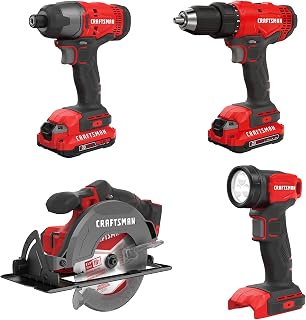
Combo kits can be attractive for buyers building a tool collection because several compatible tools may share the same batteries and charger. However, the number of tools in a kit should not be the only deciding factor.
Consider whether you will actually use every included tool. A smaller kit containing tools you regularly need can provide better practical value than a larger package containing several products that remain unused.
A bare tool can be an efficient choice for someone who already owns compatible batteries and a charger. A complete kit is usually more appropriate for someone entering a new cordless platform.
Always confirm the exact contents before comparing prices. Product names can appear similar while package contents differ substantially.
Customer reviews are most useful when they are interpreted systematically. Instead of focusing on a single positive or negative comment, look for repeated observations across multiple verified purchases.
When creating a shortlist, record the specifications that directly influence your intended application. For drills, this may include chuck size, torque settings and speed ranges. For saws, cutting capacity, blade compatibility and adjustment options may be more important. For grinders, disc size, speed and control features deserve close attention.
This approach avoids comparing unrelated numbers and makes it easier to identify which product actually meets your requirements.
A higher-priced tool can make sense when it provides a capability that you will use regularly. Examples can include better ergonomics, a deeper battery ecosystem, improved controls, higher capacity or construction intended for heavier workloads.
However, price alone does not establish quality. Compare the specifications, package contents and intended user category before deciding whether the additional cost is justified.
A budget-oriented model can be sensible for occasional DIY tasks when the tool meets the required specifications and has suitable accessories. Someone drilling a few holes or completing occasional home repairs may not benefit from paying for professional-level features designed for intensive daily use.
The key is to avoid confusing low price with value. A very inexpensive tool may become less economical if compatible batteries, accessories or replacement components are difficult to source.
Before purchasing one of the best power hand tools for your needs, use this checklist to make the comparison more objective:
There is no universal best tool because requirements differ. A cordless drill driver is often a versatile starting point for general household repairs, furniture assembly and routine drilling or fastening. Buyers with different projects may benefit more from a circular saw, oscillating multi-tool, sander or another specialized product.
Neither is universally better. Cordless tools provide mobility and convenience, while corded models can provide continuous operation without battery charging. The better option depends on the workspace, task duration and availability of electrical power.
A kit can be useful when you need several tools within the same battery platform. Individual tools can be better when you need only one specific product or already own compatible batteries.
Voltage should not be treated as the only measure of performance. Motor design, electronics, gearing, battery technology and the specific application all affect practical performance. Compare the complete specification set.
The best brand depends on your application, budget and preferred battery ecosystem. DeWalt, Milwaukee, Makita, Bosch, Ryobi, Metabo HPT, Craftsman and Black+Decker are among the established names Canadian shoppers may encounter. Compare individual models rather than choosing solely by brand.
Check the battery platform, included battery capacity, charger, tool weight, performance specifications, accessory compatibility, ergonomics and total ownership cost. If you already own compatible batteries, confirm that the new tool uses the same system.
No. A discounted product is worthwhile only when it meets your requirements and the complete package represents good value. Compare model numbers, specifications, package contents, accessories and current retailer terms rather than relying only on a discount percentage.
Maintenance requirements vary by tool and manufacturer. Inspect tools before use, keep them clean and follow the maintenance schedule and instructions supplied with the product. Heavy-use equipment may require more frequent attention than tools used occasionally.
The best power hand tool purchase is the one that matches the work you actually need to complete. Start with the application, then compare performance, construction, ergonomics, accessories, battery compatibility and ownership cost. This approach is more reliable than choosing based solely on price, voltage, brand recognition or a single customer rating.
For Canadian shoppers, pay particular attention to cordless battery ecosystems, accessory availability and the conditions in which the tool will be used. Compare current specifications and verified customer reviews, confirm exactly what is included in each package, and check today's retailer terms before making a purchase.
Whether you are assembling a first DIY toolkit, upgrading a workshop or replacing a frequently used professional tool, a careful specification-by-specification comparison can help you spend your budget on capabilities that genuinely matter.