

♥ Wishlist
Compare 62 Cabinet Hardware for Kitchen and Home Storage products in Canada. Reviews, ratings, pros, cons and buying advice updated for October 2026.


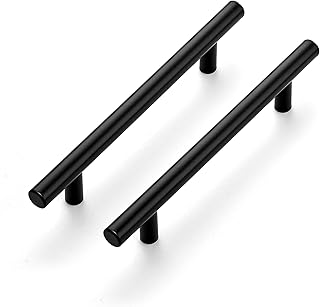
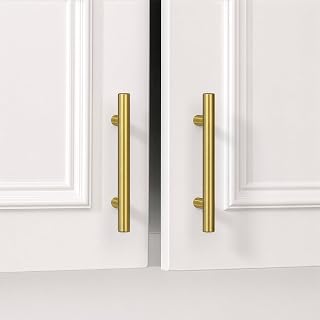


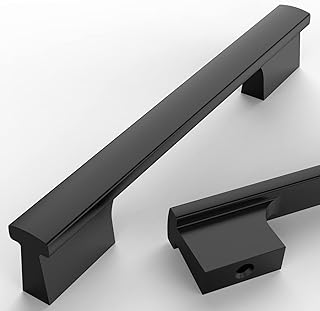


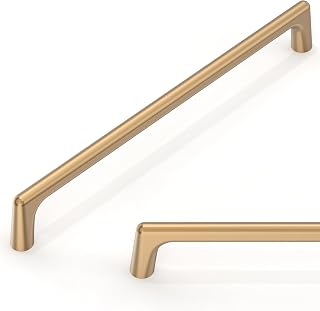


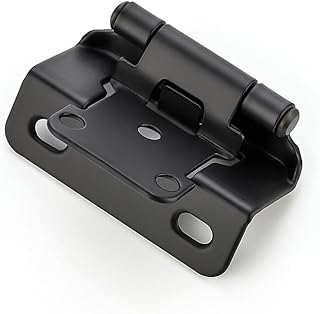


Choosing cabinet hardware is not simply a matter of picking the most attractive knob or handle. The right choice needs to balance cabinet compatibility, dimensions, material, finish, installation method, everyday comfort, and long-term durability. For Canadian shoppers, it is also worth checking whether the supplied mounting hardware matches the cabinet construction and whether the product specifications are presented in metric measurements, imperial measurements, or both.
This buying guide is designed to help compare cabinet hardware options objectively before purchasing. Product appearance can be judged from photographs, but dimensions, mounting-hole spacing, material descriptions, screw compatibility, finish information, and customer feedback are usually more important when deciding whether a particular option represents a smart buy.
A smart cabinet hardware purchase offers an appropriate combination of quality, usability, appearance, compatibility, and overall value. The cheapest option is not necessarily the best value, particularly when hardware will be installed on frequently used kitchen cabinets, bathroom vanities, utility cabinets, or storage furniture.
When comparing products, consider the following factors:
Cabinet knobs and pulls serve the same basic purpose but provide noticeably different handling characteristics. Knobs normally require only one mounting point, making them straightforward for many cabinet doors and smaller drawers. Pulls provide two mounting points and generally offer more space for the hand.
For frequently used drawers, longer pulls can be especially practical because they allow the user to distribute pulling force across a larger area. Knobs may be preferable when a minimalist appearance or traditional cabinet design is the priority.
There is no universal rule requiring knobs on doors and pulls on drawers. A coordinated combination can work well, provided the placement is consistent and the hardware feels comfortable in everyday use.
Centre-to-centre spacing is one of the most important specifications when replacing existing cabinet pulls. It refers to the distance between the centres of the mounting holes, not the total length of the pull.
For replacement projects, measure the existing holes before ordering. Measure from the centre of one screw hole to the centre of the other, rather than measuring from the outside edges of the holes or the overall length of the handle.
Common cabinet hardware listings may use measurements in millimetres, inches, or both. Canadian shoppers should pay particular attention to conversions because a small measurement difference can prevent a replacement pull from fitting the existing holes.
If you are installing hardware on new cabinets, you have much more flexibility because the mounting locations have not yet been drilled. If you are replacing existing hardware, the existing hole pattern becomes a major purchasing constraint.
For a replacement project, create a simple measurement record for each cabinet-door and drawer size before shopping. This can prevent ordering a visually attractive product that cannot use the existing mounting holes.
Cabinet hardware can be made from several materials and manufacturing combinations. The material description should be considered alongside the finish because the visible surface treatment does not necessarily tell you what the hardware is made from underneath.
Zinc alloy is widely used for decorative cabinet hardware because it can be formed into many shapes and profiles. It can suit modern, transitional, and traditional designs. When comparing zinc-alloy products, pay attention to the construction description and finish information rather than assuming that every product with a similar appearance will have identical durability.
Stainless steel can be an appealing choice for kitchens and other areas where moisture and frequent cleaning are considerations. Its appearance also works naturally with many contemporary appliances and fixtures. Check the exact material specification because a product described broadly as having a stainless finish is not necessarily constructed entirely from stainless steel.
Brass hardware can provide a warmer appearance and is available in finishes ranging from polished looks to more subdued antique-inspired treatments. It can work particularly well with wood cabinetry and traditional or transitional interiors.
Aluminium is relatively lightweight and can be used for contemporary cabinet pulls and minimalist designs. It may be worth considering when low weight is desirable, but the specific construction and finish should still be reviewed carefully.
Plastic or composite knobs and pulls can be useful for budget-conscious projects, children's spaces, temporary installations, or lightweight furniture. They should be evaluated according to their intended application rather than compared directly with heavy-duty metal hardware.
Brand recognition can be useful as a starting point, but it should not replace checking the specifications of the individual product. Established cabinet hardware names such as Liberty, Amerock, Richelieu, Hickory Hardware, Franklin Brass, and Knape & Vogt offer product lines covering different styles, materials, and applications. Blum is also a well-known name in cabinet hardware and fittings, particularly across cabinet-system components.
When comparing brands, focus on the particular model rather than assuming every product from a manufacturer has the same construction or finish. Compare dimensions, material, mounting hardware, installation requirements, and customer feedback for the exact item you are considering.
The finish is one of the most visible characteristics of cabinet hardware, but it also affects how easily fingerprints, water marks, dust, and everyday wear may be noticed.
Matte black hardware creates strong contrast against white, cream, light wood, and many neutral cabinet colours. It is frequently associated with contemporary and modern interiors. Before selecting a complete set, compare the finish under the lighting conditions of the room because black finishes can appear different depending on surrounding colours.
Brushed nickel provides a relatively versatile appearance and can work with many kitchen and bathroom styles. Its subdued surface can be useful where a less reflective appearance is preferred.
Chrome provides a bright, reflective appearance and can coordinate naturally with chrome plumbing fixtures and appliances. Its reflective surface may make fingerprints or water spots more noticeable depending on the environment.
Brass and gold-tone finishes can add visual warmth and make cabinet hardware a prominent design element. If multiple fixtures are being coordinated, compare the actual finish descriptions carefully because two products described as gold may have noticeably different tones.
Bronze-inspired finishes are particularly suitable for traditional, rustic, farmhouse, and transitional interiors. They can complement darker wood cabinets while also creating contrast against lighter cabinetry.
Kitchen cabinets generally receive frequent daily use, so comfort and durability should receive priority. Pulls should provide enough clearance for the hand, while knobs should be large enough to grip comfortably without appearing disproportionate to the cabinet.
Bathroom hardware may be exposed to humidity, splashes, cleaning products, and frequent hand contact. Consider materials and finishes appropriate for the environment, and follow the manufacturer's care instructions for the specific finish.
Bedroom furniture gives you more freedom to prioritise decorative appearance, although drawers still need hardware that can withstand repeated pulling. Longer pulls can visually emphasise wide drawers, while smaller knobs may suit compact furniture.
Utility areas generally benefit from practical hardware with an easy-to-grip profile. In a workshop or garage, prioritise usability and clearance over delicate decorative details.
Proportion is often overlooked when selecting cabinet hardware. A very short pull on a wide drawer may appear undersized, while an oversized pull can dominate a small cabinet door.
Instead of selecting every piece independently, consider the complete installation. Group hardware by cabinet function and size, then establish a consistent sizing strategy. A kitchen with several drawer widths may use different pull lengths while retaining the same design and finish.
Before buying a large quantity, use measurements or temporary positioning to visualise how the proposed hardware will look on the cabinet fronts. This is particularly useful when switching from small knobs to substantially larger pulls.
A cabinet pull should do more than look attractive. The distance between the pull and cabinet surface, the thickness of the grip, the shape of the ends, and the overall profile all affect comfort.
People with larger hands may prefer a pull with greater finger clearance, while a slim profile may suit users who prefer a more understated appearance. Rounded edges can also be preferable when cabinets are located in high-traffic areas.
For drawers containing heavier items, a comfortable two-point pull can provide a more controlled grip than a very small knob. Consider how the cabinet will actually be used rather than selecting hardware based only on its appearance in product photography.
Cabinet hardware installation is usually straightforward, but accurate measurement and alignment matter. A beautifully finished set can look poor if the mounting holes are uneven or the hardware is positioned inconsistently.
Cabinet hardware screws need to provide secure attachment without being excessively long. Cabinet-door and drawer-front thicknesses vary, so the correct screw length depends on the construction of the furniture and the hardware being installed.
Some hardware packages include mounting screws intended for a particular range of cabinet thicknesses, while other products may require different hardware. Never assume that a screw included with one product will be appropriate for a different cabinet construction.
Product photography is useful for judging style but cannot tell you everything about construction, dimensions, weight, mounting compatibility, or finish durability. Always read the specification information before purchasing.
This is one of the most common replacement-hardware mistakes. A pull can have a total length that differs considerably from its centre-to-centre mounting measurement.
Even when the hole spacing is correct, unsuitable screw length can create installation problems. Check the cabinet construction and the hardware's mounting requirements.
If the design, size, or finish is unfamiliar, consider evaluating a small quantity first. This allows you to inspect proportions, grip comfort, finish appearance, and installation compatibility before committing to a larger purchase.
Two products can both be labelled brushed nickel, black, brass, or bronze while having different tones or surface textures. If coordinating hardware from multiple product lines, compare finish descriptions and product photographs carefully.
A low-priced hardware set may not remain the lowest-cost option if additional mounting screws, templates, spacers, or other installation components are required. Review the package contents before comparing total value.
When several products appear similar, create a simple comparison based on measurable attributes rather than headline discounts. The following criteria can help narrow the options:
Customer reviews can provide useful information that may not be obvious from a specification sheet, but they should be interpreted carefully. Look for recurring themes rather than relying on one exceptionally positive or negative comment.
For cabinet hardware, particularly useful review topics include whether the dimensions match the listing, whether the finish looks like the photographs, whether mounting screws fit the intended cabinets, whether pieces arrive consistently finished, and whether installation is straightforward.
Pay particular attention to reviews that describe the reviewer's cabinet type and installation circumstances. A complaint about screw length, for example, may relate to a cabinet thickness different from yours rather than indicate a universal problem with the product.
Canadian shoppers should confirm product dimensions, package quantities, retailer terms, and current pricing at the time of purchase. Online listings can change, and the same product may be offered in different pack sizes or configurations.
Modern kitchens often benefit from clean lines, simple profiles, and consistent spacing. Slim bar pulls, low-profile handles, and simple geometric knobs can complement flat-panel cabinet doors without overwhelming the overall design.
For a modern appearance, finish consistency is particularly important. Hardware should coordinate with other visible elements such as faucets, lighting, appliances, and hinges where those components are exposed.
Traditional cabinetry can accommodate decorative knobs, cup pulls, rounded handles, and warmer metallic finishes. Transitional kitchens provide greater flexibility and can combine classic cabinet shapes with contemporary hardware profiles.
When mixing styles, establish one visual element that remains consistent, such as finish, shape, or mounting orientation. This helps prevent the installation from appearing visually disconnected.
Farmhouse and rustic interiors often pair well with cup pulls, simple black hardware, aged-looking finishes, and substantial handles. The cabinet material should influence the choice: heavily textured wood can support more substantial hardware, while delicate cabinet fronts may look better with a simpler profile.
Regular cleaning can help cabinet hardware maintain its appearance, but the safest cleaning method depends on the finish and material. Follow the care instructions supplied for the particular product rather than assuming that every metal finish can tolerate the same cleaning chemicals.
Replacement does not always need to wait until hardware becomes unusable. Updating knobs and pulls can change the appearance of existing cabinetry without replacing the cabinet boxes or doors.
Replacement may be worth considering when hardware has a damaged finish, loose mounting points, uncomfortable grips, broken components, or an outdated appearance. When replacing hardware, preserve the existing measurements if you want to avoid drilling new holes.
Before purchasing multiple sets, make a cabinet hardware schedule. Record every cabinet door and drawer, its width, the intended hardware type, mounting-hole requirement, and quantity.
Then decide which sizes will be used for small, medium, and large cabinet fronts. This approach makes it easier to maintain visual consistency and reduces the chance of ordering the wrong quantity.
If you are installing pulls vertically on doors and horizontally on drawers, decide on the positioning rules in advance. Consistency is often more important to the finished appearance than choosing an expensive hardware style.
The best cabinet hardware depends on cabinet design, usage, measurements, preferred finish, and budget. For frequently used kitchens, prioritise comfortable handling, suitable construction, correct dimensions, and a finish appropriate for regular cleaning rather than choosing solely on appearance.
Either can work. Knobs offer a compact single-point installation, while pulls generally provide a larger gripping area. Many kitchens use a combination of both to distinguish doors from drawers while maintaining a coordinated appearance.
For replacement hardware, start by measuring the existing centre-to-centre hole spacing. For new installations, consider the cabinet-front dimensions, desired visual proportion, grip comfort, and overall design before choosing a pull length.
Centre-to-centre is the distance between the centres of the mounting holes on a cabinet pull. It is different from the pull's total outside length.
Stainless steel can be a practical option for kitchens and other areas where moisture and frequent cleaning are considerations. However, the exact material specification and finish should be checked for the particular product.
There is no universally best finish, but neutral finishes such as brushed nickel and simple black designs can work across a wide range of cabinet styles. Coordination should also consider faucets, lighting, appliances, hinges, and other visible hardware.
Yes, provided the new pulls use the same centre-to-centre mounting measurement as the existing holes. Always verify the measurements before ordering.
Count every door and drawer requiring hardware, then add an appropriate spare quantity if you want replacements available for future damage or loss. For large renovation projects, also verify the package quantity because products may be sold individually or in multi-piece sets.
No. Price alone does not establish quality. Compare construction, dimensions, finish, mounting hardware, usability, package quantity, and customer feedback to determine whether a product offers appropriate value for your project.
Measure first, especially if replacing existing pulls. Confirm centre-to-centre spacing, overall dimensions, cabinet thickness, finish, package quantity, and screw requirements before purchasing. For an unfamiliar design, evaluating a smaller quantity first can also reduce the risk of a large mismatched order.
The strongest cabinet hardware purchase is the one that fits the cabinet correctly, feels comfortable during everyday use, complements the surrounding design, and provides an appropriate balance between construction quality and cost. Whether comparing options from Liberty, Amerock, Richelieu, Hickory Hardware, Franklin Brass, Knape & Vogt, Blum, or other manufacturers, evaluate the exact product specifications rather than choosing based solely on brand recognition or promotional wording.
Before making a purchase in Canada, recheck the current dimensions, finish, package quantity, mounting hardware, retailer terms, and current price. Product listings and offers can change, so the information displayed at the time of purchase should be treated as the final reference. A careful comparison of specifications and verified customer feedback can make it much easier to identify a cabinet hardware option that genuinely fits your project and represents good overall value.