

♥ Wishlist
Compare 52 Tool Organizers & Storage for Home Organization products in Canada. Reviews, ratings, pros, cons and buying advice updated for October 2026.


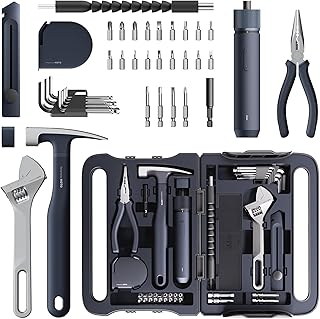


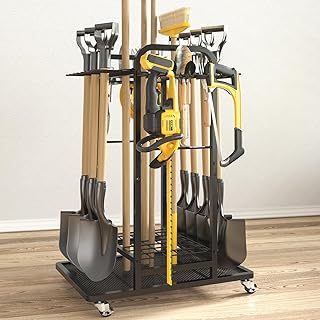
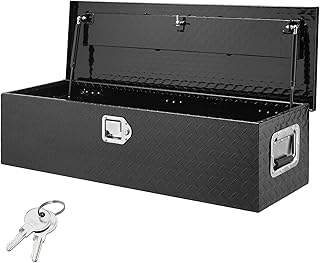


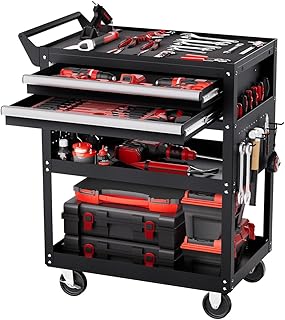




Finding the best tool organizers and storage products is not simply a matter of choosing the largest box or the cheapest cabinet. The right solution depends on what you need to store, how often you use it, where the storage will be placed and how much flexibility you need as your collection grows. For Canadian homes, garages, workshops, basements and utility spaces, storage products should also be evaluated for durability, available floor space, temperature changes and practical everyday access.
This buying guide focuses on the factors that matter when comparing tool organizers, storage containers, tool boxes, drawer systems, wall storage and broader home organization products in 2026. Brands such as DEWALT, Milwaukee, Stanley, Bosch, Husky, Rubbermaid and IRIS offer different approaches to organization, so comparing the actual specifications and intended use is more useful than choosing based on brand recognition alone.
Tool storage and household organization overlap, but they have different priorities. A tool organizer normally needs to handle heavier objects, frequent access and equipment with irregular shapes. Home storage often prioritizes capacity, appearance, stackability and efficient use of available space.
A dedicated tool organizer may include removable compartments, drawers, trays, tool holders or modular cases. A household storage container may instead use a large open compartment designed for seasonal clothing, documents, toys, cleaning supplies or miscellaneous household items.
Before buying, identify the primary purpose. A product that works well for lightweight household items may be unsuitable for heavy hand tools. Likewise, a large workshop cabinet may be unnecessary if the main requirement is organizing a small collection of screwdrivers, pliers and accessories.
Portable tool boxes are useful when tools need to move between a garage, workshop, vehicle or job site. Look for a practical handle, secure latches and an internal layout that keeps frequently used tools accessible.
Internal trays can be helpful for smaller accessories, while deeper compartments are better for power tools or larger hand tools. However, a large box is not automatically better. Excess capacity can make the box heavier and encourage tools to become mixed together.
Tool bags are often easier to carry and can provide flexible storage for frequently used equipment. They are particularly useful when the contents vary from one task to another.
When comparing soft organizers, inspect the number and arrangement of pockets, the rigidity of the base, handle construction and overall access. A bag with many small pockets may provide excellent organization for accessories but less useful capacity for bulky tools.
Modular storage is designed around interchangeable cases, organizers, boxes or mounting components. This approach can be useful for users who expect their tool collection to expand.
Compatibility is especially important. Before purchasing additional components, confirm that they belong to the same modular ecosystem and that the connection method, dimensions and intended load are suitable for your application.
Popular professional-oriented systems from brands such as Milwaukee, DEWALT and Bosch can differ considerably in configuration. Compare the complete system rather than evaluating one case in isolation.
Rolling cabinets provide substantially more storage than portable boxes and are appropriate for workshops or garages with sufficient floor space. Their value comes from organized drawers, vertical storage and the ability to keep a large collection in one location.
Important considerations include cabinet dimensions, drawer configuration, drawer extension, wheel construction, locking arrangements and the manufacturer's stated load specifications. A cabinet should fit the available area with enough clearance to open drawers comfortably.
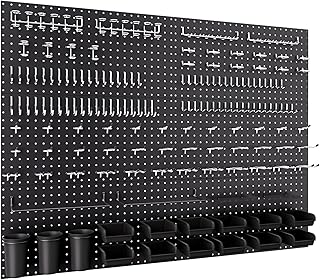
Wall storage can turn unused vertical space into practical organization. Pegboards, rails, hooks, shelves and dedicated tool holders can make frequently used equipment easier to see and retrieve.
Wall-mounted systems require careful attention to installation. The wall structure, fasteners and mounting hardware must be appropriate for the expected load. Do not assume that a storage panel's maximum capacity applies equally to every wall type or mounting arrangement.
Small parts organizers are designed for screws, nuts, bolts, washers, electrical accessories, drill bits and other small components. Transparent drawers or removable bins can make identification faster.
The best configuration depends on the variety of parts you own. Many small compartments are useful for a diverse collection, while larger compartments are more practical when storing fewer categories of components.
Material selection has a direct effect on storage performance. Common options include polypropylene and other plastics, steel, aluminium and fabric.
Do not judge durability from material type alone. Construction quality, hinges, seams, handles, latches, drawer hardware, wheels and connection points can have a major influence on long-term usability.
External dimensions do not always tell you how much usable storage a product provides. Thick walls, internal dividers, trays and structural components can reduce the available interior space.
When comparing organizers, consider usable compartment dimensions rather than only total external measurements. Measure your largest tools first and check whether they can be stored without forcing drawers, lids or compartments to remain partially open.
For home organization, also consider vertical capacity. A tall storage unit may occupy less floor area than several low containers while providing comparable or greater overall capacity.
For workshop cabinets and drawer organizers, the number of drawers is only one part of the decision. Drawer depth and layout can have a greater practical effect.
Shallow drawers work well for screwdrivers, measuring tools, fasteners and small accessories. Medium-depth drawers can accommodate hand tools and electrical equipment. Deep drawers are useful for larger equipment but can become difficult to organize if they lack internal dividers.
Try to match drawer dimensions to the objects you actually own. A cabinet filled with unsuitable drawer sizes can provide a large amount of nominal capacity while wasting significant usable space.
Stackable storage can save floor space, particularly in basements, garages and utility rooms. However, stacking is practical only when the containers remain stable and accessible.
Check whether lids are designed to support additional units and whether the manufacturer specifies a stacking configuration. A container that technically fits on top of another may not provide the same stability as a purpose-designed modular system.
Also consider access. If you regularly need an item from the bottom container, a tall stack may become inconvenient. Modular storage is most useful when frequently accessed items remain within easy reach.
Garages in Canada can present different storage conditions from climate-controlled indoor rooms. Temperature fluctuations, moisture and seasonal use should be considered when choosing storage for tools and household equipment.
For garage storage, prioritize durable construction, secure closures and a design that keeps contents organized. Where moisture may be present, avoid assuming that a storage container is waterproof simply because it has a lid. Look for clearly stated resistance or sealing specifications when protection from moisture is an important requirement.
Metal tools can also benefit from sensible environmental control. Keeping equipment clean and dry and avoiding unnecessary exposure to moisture can help reduce corrosion risk.
Limited floor space changes the buying decision. Instead of maximizing container volume, prioritize storage density and accessibility.
For apartments, noise and portability may also matter. A compact organizer that can be moved easily may be more practical than a large workshop cabinet.
A homeowner who performs occasional repairs generally does not need the same storage configuration as a professional tradesperson. A compact tool box or multi-compartment organizer may be enough for basic hand tools, measuring equipment, fasteners and common accessories.
Start by grouping tools according to actual use. Electrical tools, plumbing equipment, automotive tools, woodworking accessories and general household repair items can each benefit from dedicated sections when the collection becomes large enough.
The objective is not to own the most sophisticated storage system. The objective is to make every tool easy to identify, retrieve and return to its proper location.
A larger collection benefits from a combination of storage types rather than one oversized container. A rolling cabinet can hold heavier tools, wall storage can display frequently used equipment and small organizers can separate consumables.
This layered approach reduces clutter while keeping different categories together. It also makes future expansion easier because additional storage can be added where it is actually needed.
Measure width, depth and height before comparing products. For cabinets, include enough surrounding clearance for drawers, doors and movement.
List the tools and accessories you need to store. Identify unusually long, wide, tall or heavy items because these often determine the most appropriate organizer size.
Tools used every week should not be buried under equipment used once a year. Choose storage that allows regular-use items to remain immediately accessible.
Compare compartment dimensions instead of relying exclusively on the product's overall measurements.
Latches, hinges, handles, wheels and drawer slides receive repeated use. Their construction should match the expected frequency and weight of use.
Pay attention to stated dimensions, material information, load limits, compatibility details and installation requirements. Specifications provide more useful information than marketing descriptions alone.
Customer reviews can reveal practical issues that specifications do not always explain, such as ease of access, internal layout or assembly complexity. Focus on recurring comments rather than isolated opinions.
The lowest purchase price does not necessarily represent the lowest long-term cost. A poorly matched organizer can waste space or require replacement sooner than expected.
Extra capacity is useful only when you can organize it effectively. Oversized storage can encourage unnecessary accumulation and may occupy valuable floor space.
A heavy-duty organizer can become difficult to move once filled. Consider both the empty weight and the expected weight of the contents.
Storage that looks efficient when empty may be inconvenient when fully loaded. Think about how often each compartment will be opened and whether you can reach the contents comfortably.
Not every case, organizer or mounting accessory will work with every modular platform. Verify compatibility before building a multi-piece system.
Large storage products should never be selected from product dimensions alone. Check stairs, doorways, elevators, garage entrances and the final installation area when purchasing bulky equipment.
Good storage is more than placing everything inside a container. Organization should reduce the time needed to find and return items.
Not every feature adds equal value. Prioritize features that solve a real storage problem.
Brand selection can help narrow the market, but the specific product should always be evaluated on its own specifications and intended application.
DEWALT has a broad range of tool storage products aimed at different types of users. Milwaukee is particularly relevant when comparing modular and professional-oriented storage ecosystems. Stanley offers multiple traditional tool storage and organization formats. Husky is another name commonly associated with workshop storage and tool cabinets. Bosch can be relevant when storage needs are connected with power tools and accessories. Rubbermaid and IRIS are worth considering when the requirement is broader household organization rather than exclusively professional tool storage.
Brand familiarity should not replace product-level comparison. A highly regarded manufacturer can still offer products designed for very different purposes, sizes and budgets.
A discount is meaningful only when the product meets your requirements. When evaluating a deal, compare the current price with the product's specifications, capacity, included accessories and intended use.
Check whether the listed price applies to a complete system or only one component. Modular storage products can sometimes appear inexpensive when individual cases are displayed separately from optional accessories.
Before purchasing, compare current retailer pricing, shipping conditions, applicable Canadian taxes and return terms. Availability and pricing can change, so a deal should be evaluated using the current product listing rather than an old advertised price.
A smart purchase balances capacity, durability, accessibility, compatibility and cost. The most expensive product is not automatically the best choice, and the least expensive product may not provide adequate construction or organization.
A compact organizer can be the smarter purchase for a homeowner with a small tool collection. A modular system can make more sense for someone whose collection is growing. A rolling cabinet may provide better value for a dedicated workshop, while wall storage can be preferable when floor space is limited.
The best product is therefore the one that fits your tools, environment and working habits without paying for unnecessary features.
Regular maintenance helps keep storage systems functional and organized. Empty organizers periodically and remove accumulated dust, dirt and debris.
Do not overload shelves, drawers or mounting systems beyond their stated limits. Storage failure can damage both the organizer and the equipment stored inside it.
Instead of purchasing storage products individually without a plan, divide the home or workshop into functional zones. A garage might have separate areas for automotive equipment, gardening tools, household repairs and seasonal items.
Use the storage format that matches each category. Large seasonal products can use larger containers, small hardware can use compartment organizers and frequently used hand tools can remain in an accessible tool box or wall-mounted system.
This approach avoids the common problem of owning several storage containers while still being unable to locate specific items.
Portable storage is preferable when tools move frequently. Stationary storage is better when the primary objective is maximum workshop organization.
Consider how often you actually move your tools. If equipment normally stays in one garage, a cabinet may provide better access. If tools travel between rooms or locations, portability becomes much more important.
Open storage provides excellent visibility and fast access. Closed storage protects contents from dust and creates a cleaner visual appearance.
A mixed approach often works well. Frequently used tools can remain visible, while sensitive, seasonal or rarely used equipment can be kept in closed containers.
A compact tool box with a removable tray and organized compartments is usually a practical starting point. Focus on portability and straightforward access rather than maximum capacity.
A combination of portable cases, small-parts organizers and wall storage can accommodate a growing collection without requiring a large cabinet immediately.
Rolling cabinets, workbench storage and wall-mounted organizers can create a more permanent system. Prioritize drawer configuration and accessibility.
Durable modular systems and heavy-duty cabinets become more relevant as tool quantity and transport requirements increase. Compatibility and load capacity deserve particular attention.
Stackable containers, shelving and compartment storage may provide better value than dedicated workshop equipment. Choose based on the items being stored rather than the appearance of the storage system.
Before selecting a tool organizer or home storage product, confirm the following:
There is no single best organizer for every workshop. A rolling cabinet is generally more suitable for a large stationary collection, while modular cases or portable tool boxes are more practical when tools need to move. The best choice depends on tool quantity, available space and frequency of use.
They can be worthwhile when you expect your tool collection to grow or frequently transport tools. Their main advantage is the ability to combine compatible storage components. However, the initial and future cost should be compared with simpler storage alternatives.
Neither material is universally better. Plastic can provide lightweight and convenient storage, while steel can be advantageous for substantial workshop cabinets. Construction quality and the intended application are more important than material alone.
Group tools by function and frequency of use. Keep frequently used tools easy to reach, separate small accessories into compartments and avoid filling every space so tightly that removing one tool disturbs the others.
Yes, especially for small parts. Transparent drawers and containers can reduce the need to open multiple compartments when searching for screws, fasteners, drill accessories or other small components.
Check external dimensions, drawer dimensions, weight, load specifications, wheel construction, locking features, assembly requirements and available clearance. Also measure the route through which the cabinet must be moved before purchasing.
Vertical storage, wall-mounted organizers and compact modular containers can make efficient use of limited space. Measure the wall and floor area first, then select storage that preserves enough room for normal movement and vehicle access.
Inventory your tools and measure the largest items before purchasing. Compare those measurements with the organizer's internal dimensions rather than relying only on the external product size.
Both approaches can work. Wall storage provides immediate visibility, while drawers provide a cleaner and more protected arrangement. Choose according to the workspace, tool type and frequency of access.
There is no fixed schedule. Reorganize whenever tools become difficult to find, a storage area becomes overcrowded or your collection changes significantly. A simple periodic review can prevent unused items from taking valuable space.
The best tool organizers and home organization products are the ones that solve a specific storage problem efficiently. For Canadian buyers, the decision should combine product dimensions, usable capacity, construction, accessibility, environmental conditions, modular compatibility and current value.
Do not choose solely from a ranking, brand name or promotional price. Compare the specifications of the exact product, consider how it will be used in your home or workshop, and read verified customer feedback alongside the manufacturer's information.
Whether you need a compact tool box, small-parts organizer, modular storage system, rolling cabinet, wall organizer or general household container, a deliberate comparison can help you avoid wasted space and unnecessary purchases. The smartest storage solution is ultimately the one that keeps your tools and belongings organized, accessible and protected while fitting the space and budget you actually have.