

♥ Wishlist
Compare 46 Hallway Furniture for Stylish & Functional Entryways products in Canada. Reviews, ratings, pros, cons and buying advice updated for October 2026.


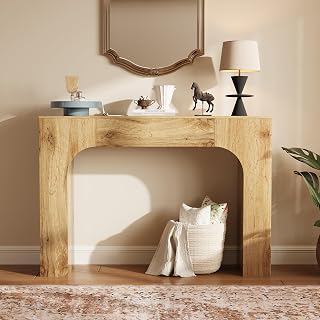


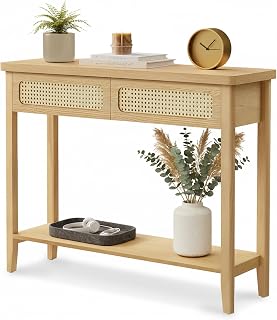


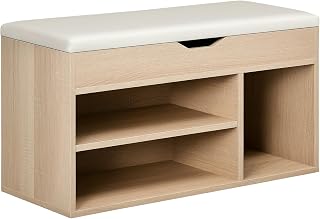
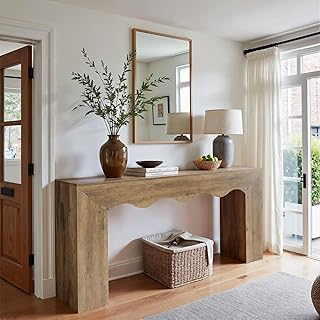


Choosing hallway furniture is about more than filling an empty entrance. The right combination of an entryway bench, console table, shoe storage, coat storage or hallway cabinet can make a narrow Canadian home feel more organised while providing practical storage for everyday essentials. Because hallways often experience heavy daily traffic, furniture needs to balance appearance, dimensions, durability, storage capacity and ease of maintenance.
For Canadian shoppers, seasonal conditions also deserve attention. Wet footwear, snow, road salt, muddy boots and bulky winter clothing can place considerably more demands on an entrance area than a decorative hallway alone. A smart purchase therefore considers how the furniture will perform throughout the year rather than focusing only on appearance.
A smart buy does not necessarily mean choosing the cheapest furniture. It means selecting a piece that provides the right combination of useful storage, suitable dimensions, appropriate construction and long-term practicality for its intended location.
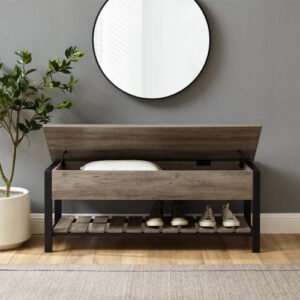
An entryway bench combines seating with practical functionality. It can provide a convenient place to sit while putting on or removing shoes and may also include a lower shelf, drawers, baskets or enclosed compartments.
Before buying a hallway bench, check the seat height, overall width, depth and maximum supported weight where the manufacturer provides that information. A deep bench can be comfortable, but it may reduce usable walking space in a narrow hallway.
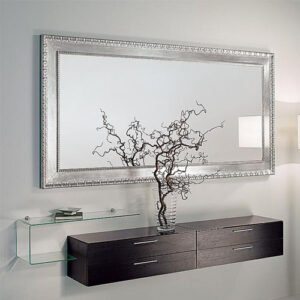
Console tables are useful where a hallway needs a slim surface for keys, mail, decorative objects or lighting. Their relatively narrow profile makes them suitable for many entrance areas, although the exact depth should always be checked against the available clearance.
For smaller homes, a console with drawers can offer considerably more practical value than a purely decorative table because everyday items can remain accessible without creating visual clutter.
Shoe storage is one of the most useful additions to a busy entrance. Open shelving provides quick access and ventilation, while enclosed cabinets create a tidier appearance and help keep footwear out of sight.
Canadian buyers should consider boot height as well as ordinary shoes. Tall winter boots may not fit in compact compartments designed primarily for trainers or low-profile footwear. Check internal dimensions rather than relying only on the product's external size.
A hallway cabinet can provide enclosed storage for shoes, accessories, cleaning items or other household necessities. Adjustable shelves can be particularly useful because they allow the internal layout to accommodate different objects.
Cabinet doors should have sufficient clearance to open without hitting nearby walls, doors or furniture. In a compact entrance, this simple measurement can make the difference between a practical cabinet and an inconvenient one.
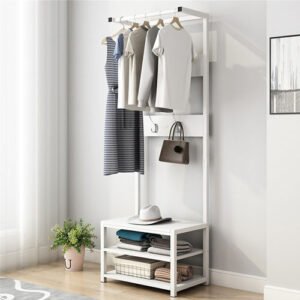
A hall tree combines several entrance functions in one unit. Depending on the design, it may include hooks, a bench, shelves, cubbies and shoe storage. This can be a strong option for households that want one organised station instead of several separate furniture pieces.
However, a larger hall tree can visually dominate a small entrance. Compare its full dimensions and storage capacity with the amount of available wall and floor space before choosing one.
Solid wood can provide a substantial appearance and may be an excellent choice when durability and traditional furniture styling are priorities. Different wood species vary significantly in hardness, grain, finish and maintenance requirements, so the exact material should be checked rather than assuming every wooden product offers the same characteristics.
Engineered wood is widely used in modern furniture because it can provide consistent panels and flexible designs. It is often paired with laminate, veneer or other finishes. Pay attention to the stated construction, edge finishing and care instructions, especially if the furniture will be positioned near wet footwear.
Metal frames can provide useful structural support and suit industrial, contemporary and minimalist interiors. Powder-coated metal can also be practical for furniture that needs a durable finished surface. Check how the frame connects to shelves, seats and other components.
Glass can make a hallway appear more open and visually lighter. It is most appropriate where the priority is display rather than heavy storage. Buyers should check the type of glass, thickness and any stated load limitations before placing substantial objects on glass shelves.
Many contemporary hallway furniture designs combine wood-effect panels, metal frames, fabric seating and other materials. Mixed-material construction can provide a useful balance between appearance and functionality, but the quality of each component matters. Examine the frame, joints, hardware, surfaces and finish rather than judging the entire product by one material alone.
Accurate measurement is one of the easiest ways to avoid a disappointing furniture purchase. Start by measuring the wall or floor area where the furniture will stand. Then consider the remaining walking clearance and the movement of nearby doors.
Do not assume that a product described as compact will fit your hallway. A few centimetres can have a major effect in a narrow entrance.
A furniture listing may advertise multiple drawers, shelves or cubbies, but the number of compartments does not tell the entire story. Internal dimensions, shelf spacing and accessibility are equally important.
For example, a cabinet with several shallow compartments may hold fewer useful items than a simpler design with fewer but deeper storage areas. Similarly, a shoe organiser needs compartments that match the footwear you actually own.
When comparing products, consider what will be stored inside each section. Create a simple list such as everyday shoes, winter boots, hats, gloves, umbrellas, keys, mail and bags. Then select furniture that provides suitable storage for those categories.
The best solution depends on household habits. If footwear and coats are used constantly, completely enclosed storage may be less convenient. If maintaining a visually tidy entrance is the priority, doors and drawers may be preferable.
Not every additional feature improves a furniture product. Focus on features that solve a genuine problem in your hallway.
Hallway furniture is positioned in an area where people frequently walk, turn and carry objects. Stability therefore matters as much as appearance.
Tall cabinets, shelving units and hall trees should be evaluated for tip-over risk. Follow the manufacturer's assembly and anchoring instructions where wall attachment is recommended. Do not exceed stated shelf or seating capacities, and avoid placing heavy objects high on unstable furniture.
Also consider sharp corners, protruding handles and narrow passageways. A design that looks attractive in a product photograph may be less suitable if it creates an obstruction in your particular entrance.
Canadian weather can make an entrance particularly demanding. Snow, rain, slush, mud and road salt can be carried indoors on footwear. Furniture placed directly beside an exterior door should therefore be selected with practical cleaning and moisture management in mind.
The goal is not to treat hallway furniture as outdoor equipment. Instead, it is to recognise that an entrance can expose indoor furniture to more moisture and dirt than other rooms.
Small spaces require careful prioritisation. Instead of choosing the largest unit that fits, decide which function matters most.
For very narrow hallways, depth is often more important than width. A wide but shallow piece may provide better circulation than a narrow but deep cabinet.
A larger entrance gives you more flexibility, but excessive furniture can still make the space feel crowded. A coordinated combination can work better than several unrelated pieces.
For example, a larger entrance might accommodate a console table, mirror, bench and separate coat storage. Keep the visual relationship between these pieces in mind. Similar finishes, complementary hardware or consistent design details can create a more deliberate appearance.
Modern designs commonly emphasise clean lines, simple profiles and practical storage. Neutral finishes can work particularly well where the hallway connects directly to other living spaces.
Traditional furniture can introduce warmer materials, decorative details and classic proportions. Solid-wood construction, panelled doors and traditional hardware may suit homes with established interior styling.
Industrial-inspired designs frequently combine metal frames with wood-effect or timber surfaces. They can provide a strong visual character while keeping the construction relatively straightforward.
Minimalist furniture prioritises simplicity and reduces visible clutter. Enclosed storage, slim silhouettes and limited decorative details can be particularly effective in smaller entrances.
When researching hallway furniture, shoppers may encounter established furniture and home brands alongside marketplace sellers and lesser-known manufacturers. Brands such as IKEA, HOMCOM, Vasagle, SONGMICS, Nathan James and Walker Edison can be worth comparing where relevant products are available in the Canadian market.
Brand recognition should not replace product-level research. Compare the exact model's dimensions, materials, assembly requirements, storage configuration, stated weight capacity and current customer feedback rather than assuming every product from a familiar brand is automatically the best choice.
Customer reviews can provide useful information, but they should be interpreted alongside the manufacturer's specifications. Look for recurring comments rather than relying on one unusually positive or negative review.
Reviews are most valuable when several customers independently identify the same strength or weakness.
Furniture assembly can affect both appearance and stability. Before purchasing, check whether the product arrives fully assembled or requires construction at home. Review the listed assembly requirements, tools, number of components and installation instructions where available.
After assembly, check that all joints and fasteners are correctly secured. Furniture should sit level and stable. If a product includes wall-anchoring hardware, use it according to the manufacturer's instructions and ensure the fixing method is suitable for the wall structure.
Product photographs can make furniture appear smaller or larger than it really is. Always compare listed dimensions with your actual space.
External dimensions do not tell you whether boots, bags or other belongings will actually fit inside.
A beautiful console that offers no useful storage may not solve an entrance clutter problem.
Hallways need usable walking space. Consider the furniture's depth after accounting for people walking past it and doors opening nearby.
Storage requirements can change significantly between summer and winter. Consider whether the chosen unit can accommodate bulkier seasonal accessories.
Some finishes require more careful cleaning than others. Consider how the surface will cope with everyday dust, dirt and occasional moisture.
The lowest listed price is not always the strongest value. A genuinely smart purchase should be judged by what you receive for the total cost.
Compare similar products according to material, storage capacity, dimensions, construction, included features and customer feedback. A slightly more expensive piece may offer better storage or more suitable construction, while a cheaper model may be the better choice when the requirements are simple.
When comparing Canadian listings, check the current price, delivery terms, taxes, retailer policies and product specifications directly before placing an order. Prices and availability can change, so older comparisons should not be treated as a guarantee of today's deal.
The best type depends on the main problem you want to solve. A shoe cabinet is useful for footwear, a bench adds seating, a console provides a surface for everyday items, and a hall tree can combine several functions in one unit.
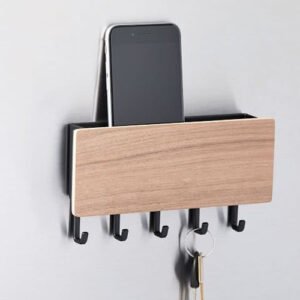
Slim console tables, shallow shoe cabinets, wall-mounted storage and compact benches are often practical choices. Measure the available depth carefully and maintain comfortable walking clearance.
A bench can be worthwhile when seating is useful and the entrance has enough space. Models with shoe storage can provide additional functionality without requiring a separate storage unit.
There is no single depth that suits every hallway. The correct depth depends on the available passageway, door positions and intended storage. Measure the space first and compare it with the furniture's published dimensions.
Open storage provides faster access and can allow footwear to air, while closed storage creates a tidier appearance. The better choice depends on household habits, available space and how frequently the footwear is used.
Common items include shoes, boots, hats, gloves, scarves, bags, keys, mail and other everyday accessories. Storage should be selected around the items you actually use rather than simply maximising the number of compartments.
Use a suitable entrance mat or boot tray, keep wet footwear from sitting directly against furniture surfaces and follow the manufacturer's cleaning and care instructions. Enclosed compartments should not be used as drying areas unless the furniture is specifically designed for that purpose.
Tall cabinets can be practical, but stability is important. Follow the manufacturer's assembly and wall-anchoring instructions where provided, keep heavy objects appropriately positioned and avoid exceeding stated load limits.
There is no universal best material. Solid wood can provide a substantial traditional feel, engineered wood allows many practical designs, metal can offer strong structural elements, and mixed materials can balance appearance with functionality. The exact construction and intended use matter more than the material name alone.
Start with measurements and storage needs, then consider seasonal conditions such as wet shoes, snow and bulky winter accessories. Compare construction, surface care, stability, storage capacity and customer feedback before checking current Canadian retailer listings.
Furniture pricing, promotions and availability can change throughout the year. Treat deal information as time-sensitive and verify the current listing, specifications and total purchase cost before making a decision.
The best hallway furniture is the piece that fits your space, solves a genuine storage or seating problem and remains practical after the novelty of a new purchase has disappeared. Start with measurements, identify your most important storage requirements and then compare construction, materials, usability and customer feedback.
For Canadian homes, give particular attention to footwear storage, winter accessories, moisture management and available circulation space. Whether you choose a compact console, shoe cabinet, storage bench, hall tree or larger hallway cabinet, compare the exact specifications rather than selecting solely on appearance or price.
Before buying, verify the latest product dimensions, materials, assembly requirements, customer reviews, retailer policies, current price and availability. This approach makes it easier to identify a genuinely smart buy and avoid furniture that looks good online but does not suit the realities of your hallway.