

♥ Wishlist
Compare 45 Car Electronics Accessories for Canadian Drivers products in Canada. Reviews, ratings, pros, cons and buying advice updated for October 2026.



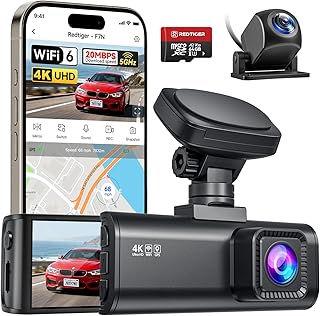


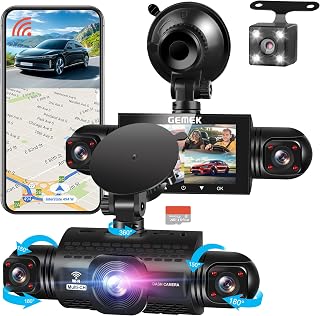


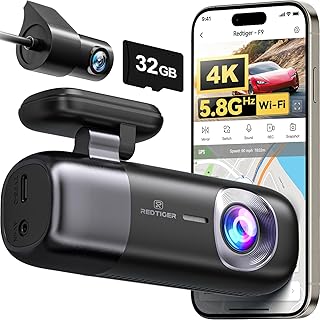


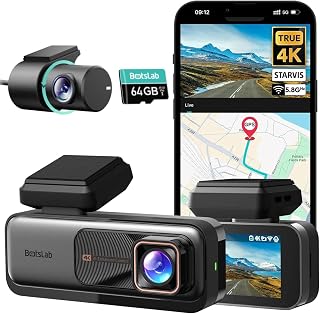


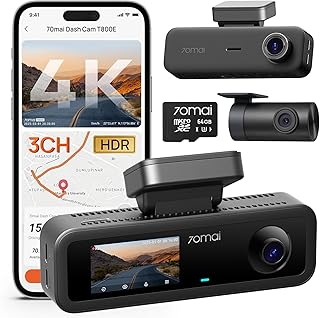


Choosing car electronics is less about buying the gadget with the longest feature list and more about matching the technology to your vehicle, driving conditions, climate, connectivity needs and budget. A useful comparison should consider compatibility, installation requirements, reliability, power consumption, software support, warranty terms and how well an accessory will continue working after months of everyday use.
For Canadian drivers, the environment deserves particular attention. Winter temperatures, snow, road salt, short daylight hours and large temperature changes can affect electronics, batteries, adhesive mounts, cables and screens. Before choosing any accessory, check the manufacturer's operating-temperature guidance and installation requirements rather than assuming that a product designed for another market will perform identically in Canada.
The first step is identifying exactly what your vehicle can support. Most accessories designed for passenger vehicles use the vehicle's 12-volt electrical system, but the way power is delivered varies between vehicles. Some products connect through a 12V accessory socket, while others use USB-A, USB-C, an OBD-II connector, a fuse tap or hardwiring.
A smart purchase is not necessarily the cheapest accessory or the product with the highest number of features. Value comes from the combination of useful functionality, dependable construction, compatibility and reasonable long-term ownership costs.
For example, a compact charger with appropriate USB-C Power Delivery support may be more useful than a larger multi-port charger if you normally travel alone. Likewise, a dash cam with reliable recording, adequate night performance and sensible storage management can be a better choice than a model that advertises an unusually high resolution but has inconvenient controls or questionable compatibility with memory cards.
Dash cams remain one of the most practical categories of automotive electronics because they can continuously record what happens around a vehicle. When comparing models, look beyond the advertised video resolution. Lens quality, dynamic range, night recording, field of view, recording reliability, storage management, mounting stability and ease of retrieving footage can be equally important.
Features such as parking-mode recording may require a dedicated hardwire kit or another continuous power arrangement. Before selecting this feature, determine how the camera handles low-voltage protection and whether your vehicle's battery and electrical system are appropriate for the intended setup.
A portable jump starter can be useful for drivers who travel long distances or want an emergency power option without depending entirely on another vehicle. Capacity alone should not determine the purchase. Compatibility with the vehicle's engine, clamp quality, safety protections, storage requirements and operating-temperature guidance deserve attention.
Canadian winter conditions make temperature specifications especially important. Lithium-based electronics can behave differently in very cold conditions, so read the manufacturer's storage and operating instructions before keeping a jump starter permanently in a vehicle during winter.
Car chargers are inexpensive compared with many other automotive electronics, but choosing the wrong specification can make them frustrating to use. Compare the total output, individual port output, supported charging standards and physical size.
Bluetooth FM transmitters can add hands-free calling or wireless audio to vehicles without modern infotainment connectivity. Their usefulness depends heavily on the vehicle's existing stereo and the local FM environment. Audio quality can vary depending on the transmitter, radio system and available frequency.
When comparing these devices, consider call-microphone placement, control layout, Bluetooth compatibility, charging output and how easily the selected FM frequency can be configured.
Wireless adapters can be attractive for vehicles that already support compatible wired smartphone integration but require a cable connection. However, compatibility is more important than the marketing description. An adapter cannot necessarily add smartphone integration to every older infotainment system.
Electronic tire-pressure monitoring accessories can provide additional information about tire pressure and, depending on the system, temperature. They should complement rather than replace the vehicle's factory tire-pressure monitoring system or regular tire inspection.
Canadian drivers should pay particular attention to seasonal temperature changes because tire pressure can change as ambient temperature changes. Follow the vehicle manufacturer's recommended cold-tire pressure rather than using a generic target printed on an accessory.
Aftermarket parking sensors and blind-spot alert products can provide additional assistance, particularly on vehicles without advanced factory driver-assistance equipment. Their usefulness depends on sensor placement, calibration, weather conditions and the system's ability to distinguish genuine obstacles from environmental interference.
Snow, ice, dirt and road spray can affect exterior sensors and cameras. Treat these products as driver aids, not replacements for direct observation, mirrors or the vehicle's original safety systems.
OBD-II accessories can connect compatible vehicles to diagnostic applications or display selected vehicle information. Before purchasing one, verify vehicle compatibility and understand what the device actually measures. A generic diagnostic adapter should not automatically be treated as a professional diagnostic tool capable of accessing every manufacturer-specific module.
Also consider whether the device remains connected continuously. If it draws power while the vehicle is parked, its power-management characteristics matter.
Power specifications deserve more attention than they often receive. A charger, compressor, camera, display or other electronic accessory may have different requirements for startup power, continuous operation and standby consumption.
For USB charging products, compare output in watts as well as the number of ports. A charger with several ports is not necessarily capable of delivering its maximum advertised output to every connected device simultaneously.
Wireless connectivity can make an accessory more convenient, but every wireless feature introduces another compatibility consideration. Bluetooth versions, Wi-Fi connections, smartphone operating-system requirements and proprietary applications can affect the ownership experience.
If an accessory depends on a mobile application, check whether the manufacturer documents the supported operating systems and whether the product can still perform its core function without the app.
Devices that continuously record video can place substantial demands on storage media. Do not select a memory card solely because it has a large capacity. Check the manufacturer's recommended card type, capacity range and performance requirements.
Important recordings should be transferred and backed up when appropriate. A memory card should not be treated as a permanent archival system.
Temperature ratings are especially relevant for Canadian vehicle electronics. A device can experience conditions very different from the comfortable indoor temperature at which it is configured. Direct sunlight can also create high internal temperatures even when outdoor temperatures are moderate.
Automotive accessories experience vibration, repeated plugging and unplugging, temperature changes and occasional impacts. A product that looks impressive in a product photograph may still be inconvenient if its connector becomes loose, its mount moves or its controls are difficult to use.
Pay attention to the construction of mounting brackets, cable strain relief, connectors, buttons, hinges and housings. These small details often influence practical longevity more than cosmetic design.
Mounting systems should be evaluated for the surface on which they will be installed and the temperature conditions they will experience. Adhesive performance can change with temperature and surface contamination, while suction mounts require an appropriate smooth surface and periodic inspection.
Good cable routing improves both appearance and safety. Cables should never be routed where they can interfere with pedals, steering controls, gear selection, airbags or normal entry and exit.
Before installing a hardwired product, identify whether the installation requires fuse access, trim removal or electrical knowledge. If there is uncertainty, professional installation can be preferable to improvising an electrical connection.
More features do not automatically create better value. Some drivers will never use advanced connectivity, multiple camera channels, elaborate displays or extensive app functionality.
Before paying extra, ask whether a feature improves a regular driving task. If it does not, consider putting the budget toward a better-built core product instead.
When researching automotive electronics, established brands can provide useful reference points for specifications, compatibility information and product documentation. Depending on the category, consumers may encounter brands such as Garmin, Nextbase, BlackVue, Thinkware, Anker, Belkin, NOCO, Vantrue, Pioneer, Kenwood, Sony and Alpine.
Brand reputation should not replace product-level research. A strong brand can have products aimed at very different budgets and use cases. Compare the exact model, specifications, compatibility information and current customer feedback rather than assuming every product from a familiar manufacturer is automatically the best choice.
Higher advertised resolution does not guarantee better real-world footage. Lens quality, exposure handling, sensor performance, compression and lighting conditions all influence what a camera records.
An accessory may be technically advanced but unsuitable for a particular vehicle. Confirm connector types, infotainment compatibility, physical dimensions and installation requirements before ordering.
Price is important, but electrical accessories deserve careful specification checking. Compare supported charging standards, output ratings, construction and documented safety features instead of choosing purely by cost.
The headline product price may not represent the complete setup. A dash cam may need suitable storage, a parking-mode kit or an additional mounting component. Other devices may require adapters, replacement cables or installation.
Wireless connectivity still depends on hardware and software compatibility. Always verify the vehicle, phone and operating-system requirements before buying an adapter.
Some accessories consume power while the vehicle is parked. If a device remains connected continuously, understand its standby behaviour and the manufacturer's recommendations before using it that way.
Customer reviews can provide useful information, but they are most valuable when evaluated alongside specifications. Look for recurring comments about installation, connectivity, durability, software, controls, mounting stability and compatibility.
Canadian winter driving creates several considerations that are easy to overlook when shopping for electronics. Cold temperatures can affect batteries, displays, adhesives and portable devices. Snow and ice can cover exterior sensors and cameras, while road salt and moisture can make exterior equipment more demanding to maintain.
Whenever an accessory is installed externally, check its weather-resistance specifications and follow the manufacturer's cleaning and maintenance instructions. Never assume that an electronic product is weatherproof simply because it is marketed for automotive use.
Even well-designed electronics benefit from routine inspection. Automotive environments are demanding, and small installation problems can become bigger problems when ignored.
A sensible setup begins with the problems you actually want to solve. A commuter may benefit most from dependable smartphone connectivity and charging. A frequent highway driver may place greater value on a dash cam and emergency power equipment. A family vehicle may benefit from additional charging capacity and convenient connectivity.
Instead of purchasing several overlapping devices, create a priority list.
Daily commuters typically benefit from accessories that reduce repeated friction. Reliable phone charging, convenient smartphone integration, hands-free calling and a simple dash cam can be more useful than highly specialized equipment.
Drivers who regularly cover long distances may prioritize dependable navigation connectivity, multiple charging options, emergency power equipment and durable recording systems. Portable accessories should be selected with storage temperature and battery considerations in mind.
Families often need multiple charging connections and straightforward controls. When several passengers use different devices, compare the total charging capacity rather than simply counting ports.
Older vehicles can benefit from modern accessories that add selected conveniences without replacing the entire infotainment system. Bluetooth adapters, FM transmitters, standalone displays, USB chargers and compatible smartphone accessories can be useful depending on the vehicle.
New vehicles may already include features that overlap with aftermarket electronics. Before buying an accessory, determine whether the vehicle already provides the same function through its factory infotainment or driver-assistance systems. Avoid paying for redundant equipment unless the aftermarket product provides a clear additional benefit.
Electronic accessories should never interfere with safe vehicle operation. Mount displays where they do not obstruct the driver's view, keep cables away from control mechanisms and follow the vehicle manufacturer's recommendations for electrical modifications.
Rules concerning devices, recording, privacy, windshield-mounted equipment and driver interaction can vary by Canadian province or territory. Before using a camera, screen, communication device or other electronic accessory on public roads, check the requirements applicable to your location and use the equipment in a way that does not create driver distraction.
Comparing products only by purchase price can lead to false savings. Consider the complete ownership equation: initial price, required accessories, installation, replacement consumables, storage media, software requirements and the expected usefulness of the device.
A slightly more expensive product can make sense when its additional capabilities directly address your requirements. Conversely, paying substantially more for features you will never use is poor value regardless of the brand.
The best choice depends on the vehicle and driver's needs. Commonly useful categories include dash cams, USB-C car chargers, smartphone connectivity accessories, portable jump starters, tire-related electronics and compatible parking or diagnostic equipment. The most valuable product is the one that solves a specific problem without creating unnecessary installation or compatibility issues.
Check vehicle compatibility, power requirements, physical dimensions, operating-temperature specifications, installation method, smartphone compatibility, required accessories and manufacturer documentation. Also consider how the product will behave when the vehicle is parked.
No. Price can reflect additional features, premium construction or advanced capabilities, but those advantages are valuable only when they match your requirements. A simpler product can be the better purchase when it provides the functions you actually need.
Many automotive dash cams are designed for vehicle use, but operating and storage temperature ranges vary by model. Check the manufacturer's specifications before purchasing, particularly if the camera will remain installed during severe seasonal temperature changes.
Neither approach is universally better. Wired connections can provide straightforward and predictable operation, while wireless systems can reduce cable clutter and improve convenience. The right choice depends on your vehicle, phone compatibility, power arrangement and tolerance for occasional connectivity troubleshooting.
Simple plug-in accessories can often be installed without specialized work, while hardwired cameras, electrical modifications and certain parking or sensor systems can require more technical knowledge. Follow the manufacturer's installation instructions and consider professional installation whenever the wiring or safety implications are beyond your experience.
Compare the exact model number across reputable Canadian retailers rather than comparing product names alone. Check whether the listed price includes the components you need, review current customer feedback and consider the complete cost of ownership. Promotions can change frequently, so verify today's price and availability before making a purchase.
A smart buy combines appropriate specifications, reliable construction, vehicle compatibility, useful features and reasonable overall cost. Current technology is valuable when it improves everyday driving rather than simply adding features that will rarely be used.
The strongest approach to buying car electronics is to start with compatibility and purpose, then compare technical specifications, construction, installation requirements and long-term practicality. Do not allow a long feature list, high advertised resolution or a familiar brand name to replace product-level research.
For Canadian buyers, also account for seasonal temperature changes, winter conditions, vehicle-specific electrical requirements and applicable local rules. Compare the exact model you are considering, read current customer feedback, verify manufacturer documentation and check today's prices and availability from trusted Canadian retailers before purchasing.
Whether you are looking for a dash cam, USB-C charger, smartphone connectivity adapter, jump starter, diagnostic device, parking accessory or another automotive electronic, the best choice is ultimately the one that fits your vehicle and solves your particular driving needs without unnecessary complexity.