
♥ Wishlist
Compare 55 Car Seat Accessories for Comfortable, Convenient Travel products in Canada. Reviews, ratings, pros, cons and buying advice updated for October 2026.


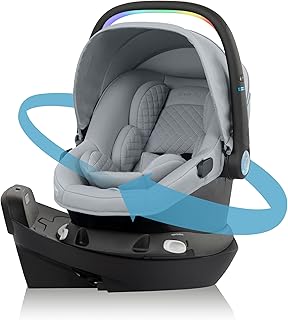


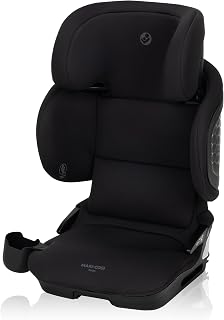


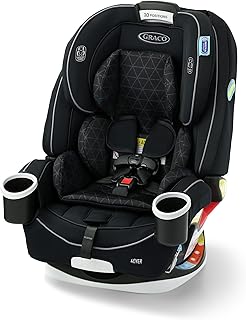


Choosing car seat accessories is not simply a matter of finding the most popular add-on or the lowest advertised price. In Canada, a useful accessory should work with the specific child restraint, vehicle and stage of use without interfering with the way the car seat was designed to protect a child. Compatibility, installation, material quality, ease of cleaning and everyday practicality are often more important than extra features.
This guide is designed to help Canadian shoppers compare car seat accessories more carefully before buying. The right choice can make everyday travel more convenient while preserving the proper use of the child restraint. Always consult the car seat manufacturer's instructions and your vehicle owner's manual before adding an accessory to a child restraint.
Car seat accessories cover a broad range of products used around a child restraint or during vehicle travel. Some are intended to organise belongings, protect vehicle interiors or improve convenience, while others interact more directly with the child seat. That distinction matters because an accessory that appears harmless can potentially affect harness positioning, installation, crash performance or the fit between the restraint and vehicle seat.
Common categories include travel organisers, seat-back organisers, storage bags, protective mats, sun shades, mirrors, cleaning products, replacement components and convenience accessories. Products that physically sit between a child restraint and the vehicle seat, attach to the harness, add padding or change the child's seating position deserve particularly careful consideration.
For these products, do not assume that universal sizing means universal safety or compatibility. The child restraint manufacturer is the most appropriate source for determining whether a particular accessory is approved for use with a specific model.
The most important buying criterion is whether an accessory can be used without compromising the child restraint. A car seat is a tested system, and adding an aftermarket component can change how the restraint contacts the vehicle seat or how the harness fits the child.
Before buying, read the owner's manual for the exact car seat model. Look for instructions covering approved accessories, harness use, inserts, seat protectors, covers and installation. If an accessory is not mentioned, contact the manufacturer rather than assuming it is acceptable.
Extra padding can look comfortable, especially for infants or during long journeys, but comfort should not override correct harness fit. Thick aftermarket cushions may change the child's position or create additional material between the child and the harness system.
Use only inserts and padding specifically permitted by the manufacturer for the relevant child restraint. A product marketed as an infant support pillow, head cushion or universal car seat insert should not automatically be treated as compatible with every infant carrier or convertible car seat.
Seat protectors can help keep upholstery cleaner, but their use needs to be evaluated against the child restraint manufacturer's installation instructions. The material, thickness, texture and shape of a protector can affect how the restraint sits on the vehicle seat.
Do not choose a seat protector solely because it is marketed as a universal car seat mat. Compatibility with your particular restraint and vehicle is more important than the number of vehicles or car seats mentioned in the product description.
Do not modify a harness, buckle, tether, belt path or structural component to accommodate an accessory. Safety-critical replacement parts should come from the appropriate manufacturer or an authorised source. If a component is damaged, missing or worn, replacing it with a generic alternative can be a poor substitute for obtaining the correct part.
Canadian shoppers should distinguish between a child restraint's legal requirements and optional convenience features. Car seats sold for use in Canada need to meet the applicable Canadian requirements, and parents should check the product's compliance information rather than relying on generic claims such as “internationally certified” or “universal safety.”
Transport Canada is an important reference point for Canadian child-restraint safety information. Provincial and territorial rules can also affect how child restraints must be used, so families should check the requirements applicable to their location.
When comparing products online, pay attention to the exact model, intended market and manufacturer documentation. A product designed primarily for another country should not be assumed to satisfy Canadian requirements simply because it has strong ratings or appears on a Canadian marketplace.
A structured comparison makes it easier to separate genuinely useful accessories from products that mainly add features without solving a meaningful problem.
Compatibility should be the first filter. Check the accessory against the exact child restraint model, not merely the general product category. A universal label is a marketing description, not proof that an accessory is approved for every car seat.
Consider how the accessory attaches and whether installation is secure without interfering with the restraint. Products that rely on loose straps, bulky attachments or complicated mounting systems deserve additional scrutiny.
Look for materials that are durable, easy to clean and appropriate for frequent vehicle use. For Canadian families, materials may also encounter winter clothing, road salt, snow, mud, food spills and temperature changes.
A practical accessory should be easy to maintain. Removable, washable components can be particularly useful for families travelling with young children. Check cleaning instructions before using detergents, disinfectants or other chemicals on materials that may contact the child restraint.
Measure the available space rather than assuming that a compact-looking product will work in your vehicle. Accessories can become inconvenient when they obstruct doors, seat controls, buckle access, visibility or access to neighbouring seating positions.
Consider how long the accessory is likely to remain useful. A product that only solves a very short-lived problem may offer less practical value than a simpler accessory that works through several stages of family travel.
A seat-back organiser can be useful for families carrying books, toys, wipes, snacks and other travel necessities. The most practical designs provide accessible compartments without becoming so large that they interfere with passengers or vehicle controls.
Look for secure pockets, durable stitching, easy-clean surfaces and a design that stays reasonably close to the seat. Avoid overloading an organiser with heavy objects that could become problematic during sudden braking or a collision.
Long-distance travel increases the value of organisation. A well-designed travel accessory can keep essentials within reach without requiring the driver to search through loose items.
Vehicle-seat protection is a common concern, particularly with convertible car seats that remain installed for long periods. However, protection should never take priority over correct restraint installation.
Before purchasing a protector, check the car seat instructions for guidance on whether one is permitted beneath the restraint. Consider the protector's thickness, surface texture and dimensions, and make sure it does not extend into areas where it could interfere with the installation.
A properly positioned mirror can make it easier for a driver or passenger to check on a rear-facing child without repeatedly turning around. Visibility should never require the driver to divert attention from the road, however.
Choose a mirror that can be securely installed in the vehicle and positioned without obstructing the driver's view. Check it regularly because vibration, temperature changes and repeated adjustment can affect positioning.
A dedicated car seat travel bag can make transporting a child restraint through an airport or between vehicles easier. Look for durable handles, strong seams and practical storage rather than choosing solely on appearance.
Before travelling by air, verify the airline's current policies and the requirements applicable to your particular child restraint. A travel bag is primarily a transportation convenience and does not replace proper use of the restraint during a journey.
Polyester is widely used in travel accessories because it can be lightweight, durable and relatively easy to clean. It is commonly found in organisers, bags and protective accessories.
Nylon can provide a strong, lightweight construction for travel bags and storage products. When comparing nylon products, examine stitching, seams, zippers and attachment points rather than judging durability from fabric type alone.
Mesh compartments can improve visibility and ventilation in organisers. They are particularly convenient when parents want to identify small items without opening every pocket.
Water-resistant materials can be helpful for Canadian travel, especially when accessories are exposed to snow, wet clothing, spilled drinks or muddy footwear. Water resistance does not necessarily mean waterproof construction, so check the manufacturer's specifications if liquid protection is important.
Canadian shoppers will encounter products from a mixture of dedicated child-safety companies, automotive brands and general travel-accessory manufacturers. Brand recognition can be useful as a starting point, but it should never replace model-specific compatibility checks.
Names such as Britax, Graco, Chicco, Evenflo, Diono, Clek and UPPAbaby are familiar in the child-restraint market, while brands such as Munchkin, Lusso Gear and Brica are also associated with family travel and vehicle accessories. The appropriate choice depends on the exact product and whether it is approved or recommended for the intended child restraint.
For safety-related accessories, manufacturer documentation should carry more weight than a brand's popularity alone. For convenience products, compare construction, dimensions, cleaning requirements and customer feedback alongside the advertised features.
Universal compatibility claims can be convenient but are not a substitute for checking measurements and manufacturer guidance. Two car seats can have significantly different harness layouts, contours, buckle positions and installation requirements.
Price can be an important consideration, but an inexpensive accessory that breaks, slips or becomes difficult to clean may provide poor overall value. Compare construction and practical features rather than focusing only on the initial purchase price.
A vehicle can quickly become cluttered with organisers, toys, mirrors, covers, cushions and storage products. More accessories do not necessarily create a better travel setup. Prioritise products that solve a genuine problem and remove anything that is unnecessary or interferes with safe use.
This is one of the most important mistakes to avoid. Online product descriptions are written to sell accessories, whereas the child restraint manual explains how the restraint is intended to be used. When the two appear to conflict, follow the appropriate safety guidance and seek clarification from the manufacturer.
Customer ratings can provide useful information about durability, packaging and everyday convenience, but reviews do not establish that a product is safe for use with a particular child restraint. Separate consumer satisfaction from technical compatibility.
Customer reviews are most useful when they provide specific information rather than simply saying that an item is “great” or “perfect.” Look for comments about actual dimensions, installation, durability, cleaning and compatibility.
Canadian shoppers should compare the complete value of an accessory rather than simply looking for the biggest discount. A deal is only useful when the product is appropriate for the intended vehicle and child restraint.
Before purchasing, compare the listed specifications, dimensions, included components, compatibility information and current customer feedback. Check today's price from reputable Canadian retailers because prices, promotions and inventory can change frequently.
For products sold through Amazon or other marketplaces, verify the exact model and seller information before completing a purchase. Product photographs can represent a different size, generation or configuration from the item selected, so the written specifications deserve careful attention.
Canadian winter conditions create practical challenges that are different from ordinary warm-weather driving. Snow, slush, wet clothing and low temperatures can increase the amount of cleaning and organisation required in a family vehicle.
One important consideration is winter clothing. Bulky coats can affect how a harness fits a child, so parents should follow appropriate child-restraint guidance for securing children in cold weather rather than relying on an accessory to compensate for thick clothing.
Useful winter-oriented accessories are generally those that help organise or clean the vehicle without interfering with the restraint. Durable storage bags, washable organisers and appropriate cleaning supplies can be more useful than products that add unnecessary layers around the child.
Children can quickly turn vehicle accessories into high-contact surfaces. Food, drinks, mud, sunscreen and other everyday substances can accumulate in pockets, seams and attachment points.
Cleaning is also a good opportunity to check whether an accessory has shifted from its original position. Any product that attaches to or interacts with a child restraint should be inspected regularly for changes in fit.
Replacement is appropriate when an accessory becomes damaged, loses its ability to remain securely attached, develops broken stitching, or can no longer be cleaned effectively. For accessories that contain structural or safety-related components, follow the manufacturer's replacement guidance rather than trying to repair the product yourself.
It is also worth checking whether the child restraint itself has reached the end of its permitted service life or whether the manufacturer has issued updated instructions. An accessory should not be treated as a reason to extend the useful life of an expired or unsuitable child restraint.
A well-organised setup does not need dozens of products. Start with the child restraint itself, confirm that it is appropriate for the child and vehicle, and then add only accessories that solve identifiable everyday problems.
Space is usually the primary concern. Choose smaller organisers and accessories that do not reduce legroom or obstruct access to neighbouring seating positions. Measure before buying bulky storage products.
Sedans can benefit from compact storage solutions, rear-seat organisers and carefully positioned travel accessories. Consider how an accessory affects visibility and access to the trunk or rear seating area.
The additional cabin space in many SUVs and crossovers can make storage easier, but it can also encourage overloading. Keep heavier objects appropriately secured and ensure that accessories do not interfere with additional passengers or seating configurations.
Families using minivans often need accessories that support multiple children and longer journeys. Prioritise organisation, durability and easy cleaning while keeping every child restraint installation independent and unobstructed.
A premium price does not automatically indicate a safer or more useful product. Compare the specific problem each product solves and identify which features have practical value.
For safety-critical components, compatibility and manufacturer approval should outweigh cosmetic features or premium branding. For purely organisational accessories, durability and usability may be the more important differentiators.
Deal hunting should come after compatibility and suitability. A heavily discounted accessory is not a smart purchase if it cannot be safely used with the intended child restraint.
When comparing August 2026 offers, check the exact product model, included accessories and current specifications rather than relying only on a percentage-off message. Retail prices can fluctuate, and marketplace listings can change, so compare the final current price and product details at the time you shop.
It can also be useful to compare several established brands and competing models before deciding. Read verified customer reviews for practical information, then use the manufacturer's documentation to confirm technical compatibility.
The most useful accessories depend on the family's needs. Organisers, travel bags and carefully selected cleaning or storage products can solve everyday problems without changing the function of the child restraint. Accessories that alter the child's position or installation require much greater caution.
No. A universal marketing claim does not establish compatibility with every child restraint. Always check the specific accessory and car seat manufacturer's instructions.
Do not assume that an aftermarket cushion is appropriate. Additional padding can change the child's position or harness fit. Use only products permitted by the child restraint manufacturer.
Only when its use is compatible with the child restraint manufacturer's instructions. A mat can affect the contact between the restraint and vehicle seat, so check the manual before installing one.
Not necessarily. Price can reflect materials, construction or additional features, but it does not by itself establish compatibility or safety. Compare the exact specifications and intended use.
A manufacturer-branded accessory may be easier to evaluate for compatibility, but the brand name alone is not enough. Check the instructions for the exact child restraint and accessory.
Inspect frequently used accessories during routine cleaning and whenever the vehicle setup changes. Pay particular attention to attachment points, stitching, buckles, elastic components and any signs of damage.
Some convenience accessories can be useful from the beginning, but newborns require particularly careful attention to correct positioning and harness fit. Avoid adding aftermarket padding or positioning products unless they are specifically permitted for the child restraint.
Prioritise Canadian-market suitability, manufacturer compatibility, clear instructions, appropriate materials, secure attachment, easy cleaning and good long-term usability. For anything that interacts directly with a child restraint, safety guidance should come before convenience.
Compare the exact model and specifications across reputable retailers, review current customer feedback, check compatibility and consider how frequently you will use the accessory. The best value is not necessarily the lowest purchase price; it is the product that solves the intended problem reliably without compromising the child restraint.
The best car seat accessory is not necessarily the one with the longest feature list, highest price or largest discount. For Canadian families, a smart purchase starts with compatibility and safe use, followed by durability, practicality, cleaning convenience and value.
Use established brands such as Britax, Graco, Chicco, Evenflo, Diono, Clek and UPPAbaby as comparison points, but evaluate the individual product rather than relying on brand recognition alone. For general travel accessories, compare construction and usability. For anything that attaches to, sits underneath, or changes the way a child restraint functions, follow the specific manufacturer's guidance.
Before completing a purchase, compare the latest specifications, read verified customer reviews, check the exact model number and review current Canadian pricing. Taking a few extra minutes to verify compatibility can be far more valuable than choosing an accessory simply because it is trending or discounted.