

♥ Wishlist
Compare 56 Travel Totes for Convenient Trips and Everyday Carry products in Canada. Reviews, ratings, pros, cons and buying advice updated for October 2026.


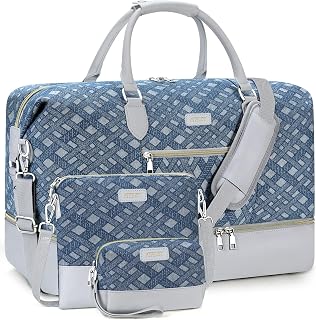


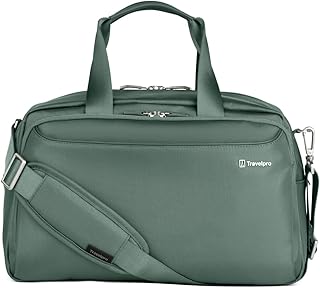


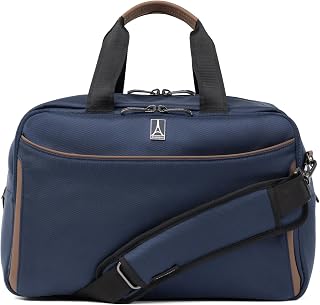
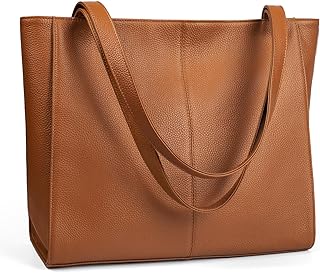


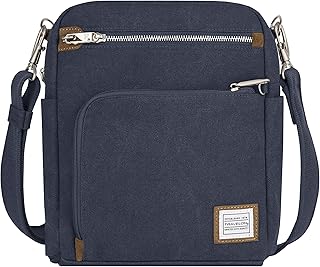


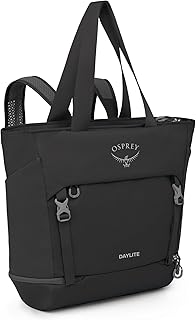


Choosing a travel tote is less about finding the largest bag and more about finding the right balance between capacity, organization, portability, durability and everyday convenience. A well-designed tote can work as a personal item for air travel, an overnight bag, a work-and-travel companion or a practical carryall for road trips and weekend escapes.
For Canadian travellers, the buying decision also deserves a little extra attention. A tote used during winter travel may need stronger materials and comfortable handles that remain practical when wearing bulky clothing. A bag used for flights should be easy to organize and sized appropriately for the airline and fare you are travelling with. For commuting, a padded laptop compartment, secure closures and comfortable shoulder straps may matter more than maximum capacity.
This 2026 buying guide focuses on the features that can help shoppers compare travel totes more intelligently. Instead of choosing only by appearance, consider construction, dimensions, weight, compartment layout, materials, security, cleaning requirements and the type of travel you expect to do most often.
A smart purchase is not necessarily the cheapest travel tote. It is the bag that delivers the features you actually need without adding unnecessary weight, bulk or complexity. A traveller who carries only clothing and small personal items has different requirements from someone who regularly travels with a laptop, tablet, camera, headphones and documents.
The best travel tote should make packing easier rather than creating another organizational problem. Look for an interior layout that matches the way you pack, handles that feel secure when the bag is loaded, and materials suited to your travel conditions.
The material affects the tote's weight, appearance, durability and resistance to everyday wear. There is no universally best material because different travel situations demand different characteristics.
Nylon is popular for travel bags because it can provide a useful combination of low weight and durability. Many nylon totes are also flexible, which makes them easier to store when they are not full. Depending on the construction, nylon can offer useful resistance to light moisture and everyday abrasion.
When comparing nylon bags, look beyond the word “nylon.” Fabric density, weave, stitching and reinforcement can vary substantially. A lightweight nylon tote may be excellent for air travel, while a heavier construction may be preferable for frequent use.
Polyester is another common material used in affordable and mid-range travel bags. It can provide good everyday durability and is available in many different textures and weights. Polyester may be particularly appealing when appearance, easy maintenance and affordability are important considerations.
Canvas offers a different character. It tends to have a more structured, casual appearance and can work well for weekend travel or everyday use. The trade-off can be additional weight compared with lightweight synthetic fabrics. Some canvas bags may also require more care when exposed to moisture or stains.
Leather can provide a polished appearance that suits business travel and city use. However, leather generally requires more attention to care, and a leather tote can be heavier than a synthetic alternative. Faux leather can offer a similar visual style at a different price and weight, although durability and surface aging depend heavily on the specific material and construction.
Capacity should be evaluated according to what you normally carry rather than what the bag can theoretically hold. A large compartment may look attractive in a product listing, but excessive unused space can make organization more difficult.
For a personal-item-style travel tote, external dimensions are especially important. Airlines can have different baggage rules, and allowances may vary by fare, route, aircraft and operating carrier. Always check the current baggage policy of the airline you are flying with before relying on a tote as a personal item or cabin bag.
For weekend trips, consider whether the tote can accommodate a change of clothing, toiletries, electronics and other essentials without becoming uncomfortable to carry. If you use packing cubes, measure how their dimensions will work with the tote's interior shape.
Compact travel totes are useful for light packers, commuters and travellers who want a secondary bag. Their smaller footprint can make them easier to carry through airports, train stations and crowded city streets.
A medium tote often provides the most versatile balance for everyday travel. It can carry personal essentials while still leaving room for items picked up during the journey. This size is often worth considering when you want one bag that can transition from airport use to daily activities.
Large totes can be useful for road trips, longer journeys and travellers who need to carry more equipment. The primary concern is loaded weight. A spacious tote becomes less practical when the contents make it uncomfortable or difficult to carry.
A luggage sleeve allows the tote to slide over the telescoping handle of a rolling suitcase. This simple feature can significantly improve airport mobility because the tote's weight can be supported by the suitcase rather than your shoulder.
If you work while travelling, check whether the laptop section is actually padded and whether its dimensions match your device. A compartment designed for a particular screen size should not automatically be assumed to accommodate every laptop with that advertised screen measurement because device dimensions and bezels vary.
Water resistance can be useful when travelling in Canada's changing weather conditions. However, water-resistant fabric is not necessarily waterproof. Examine product specifications carefully and consider whether the bag includes protected zippers, coated fabric or other construction details that improve weather protection.
Zippered main compartments can help prevent belongings from falling out and offer more protection than an entirely open tote. Magnetic snaps can provide fast access, while buckles and other closures may offer additional security. The best choice depends on how frequently you need access to the main compartment.
Pockets are helpful only when they serve a purpose. Look for compartments appropriate for passports, smartphones, chargers, water bottles, sunglasses and other items you routinely carry. Too many small pockets can sometimes reduce usable space.
Examine both the handle length and the way the straps attach to the bag. Short handles can work well when carrying the tote by hand, while longer shoulder straps may be more convenient for airport transfers. Padding can improve comfort when carrying heavier loads.
The points where handles connect to the body of the tote receive significant stress. Reinforced stitching or additional material around these areas can be an important indicator of thoughtful construction. When comparing products, inspect product photographs closely for stitching and reinforcement details.
Air travellers should prioritize manageable dimensions, lightweight construction, secure organization and easy access to essentials. A luggage sleeve is especially useful when travelling with a rolling carry-on.
Before purchasing, compare the tote's listed external dimensions with the current requirements of the airline you use most frequently. Do not rely solely on a generic statement such as “airline approved,” because airline policies can change and may differ between carriers.
Business travellers may benefit from a professional appearance, dedicated laptop storage, document organization and a secure main compartment. Brands such as Samsonite, Travelpro, TUMI and Briggs & Riley are commonly associated with travel luggage and business-oriented travel products, but individual models should always be compared by their actual specifications rather than brand reputation alone.
For short trips, look for a tote with enough capacity for clothing and toiletries while remaining easy to carry. A wide opening can simplify packing, while separate compartments can prevent shoes or toiletries from mixing with clean clothing.
Daily commuters may value a lighter design, laptop protection, water bottle storage and comfortable shoulder straps. If the tote will be carried every day, weight becomes particularly important because the bag itself contributes to the total load.
Road trips provide more flexibility around size, so organization and accessibility can become the main priorities. Multiple compartments can make it easier to separate snacks, electronics, travel documents and personal items while keeping frequently used belongings within reach.
The right travel bag depends on how you move and what you carry. A tote provides quick access and can transition easily between travel and everyday environments. A backpack generally distributes weight more evenly across the shoulders. A duffel can provide greater capacity for clothing and larger items.
A hybrid approach can be even more practical. For example, a rolling suitcase paired with a tote can provide substantial storage while keeping personal essentials accessible during airport transfers.
Durability is not determined by fabric alone. Examine the entire construction. Strong material can still fail if the handles, seams or zipper attachments are poorly reinforced.
For frequent travellers, durability should be evaluated against realistic usage. A tote carried occasionally to a hotel may face much less stress than one loaded every week for flights, commuting and train journeys.
A bigger bag is not automatically a better bag. Extra space can encourage overpacking and make the tote unnecessarily heavy.
Two totes with similar dimensions can have noticeably different empty weights because of their materials, padding, hardware and structural elements. Always consider the bag's weight before adding your belongings.
These terms should not be treated as interchangeable. If weather protection is important, examine the manufacturer's specific description of the fabric and construction.
Photographs can make bags appear larger or smaller than they really are. Compare the listed length, width and height with an item you already own so you can better understand the actual size.
The distance between the top of the bag and the point where the handles sit can affect comfort. A tote that looks attractive may be inconvenient if the straps are too short to carry comfortably over winter clothing.
A recognized brand can be a useful starting point, but the individual product still needs to meet your requirements. Compare dimensions, materials, compartments, closures and weight before making a final decision.
Product specifications can look straightforward, but several details deserve careful interpretation. Dimensions should normally be considered as external measurements unless the manufacturer explicitly states otherwise. Interior capacity may not be directly comparable between bags because manufacturers use different measurement methods.
Material descriptions also require context. Terms such as premium, durable, lightweight or water-resistant are marketing descriptions unless supported by specific construction details. Give greater weight to measurable specifications such as dimensions, fabric composition, weight and compartment sizes.
Some travel tote features can genuinely improve usability, while others may add complexity without providing much value. Prioritize features according to your travel habits.
Canadian travel can involve substantial changes in temperature and weather depending on the season and destination. A tote used primarily during summer city trips may have very different requirements from one used for winter commuting.
For wet conditions, consider coated or water-resistant materials and protected compartments for electronics. For winter, check whether the straps remain comfortable over heavier outerwear. If the tote will frequently be placed on wet floors or snowy surfaces, a reinforced or elevated base can be useful.
For travellers visiting destinations with significant temperature differences, flexible synthetic materials may offer practical versatility. However, no tote should be assumed to provide complete protection from prolonged exposure to rain or snow unless its specifications explicitly support that claim.
A well-organized tote can feel more spacious without actually having greater capacity. Start by separating items according to how often you need them.
Maintenance requirements depend on the material and construction. Before cleaning, follow the manufacturer's care instructions. Some fabrics may be suitable for gentle wiping, while others may require more specific treatment.
Avoid assuming that every travel tote can be machine washed. Leather, faux leather, coated fabrics, structured bags and bags with rigid components may require different care.
Regularly inspect handles, seams, zippers and the bottom of the bag. Addressing visible wear early can help prevent a small problem from becoming a larger failure during a trip.
Brand familiarity can help narrow a large selection, but it should not replace product-level research. Depending on the style and intended use, shoppers may encounter brands such as Samsonite, Travelpro, TUMI, Briggs & Riley, Bellroy, Herschel, BAGSMART and Longchamp.
These brands cover different design philosophies and price segments, so there is no single brand that is automatically the best choice for every traveller. Compare the exact model's materials, dimensions, weight, organization and intended use before deciding.
A good deal is more than a low advertised price. Compare the complete specification and consider whether the bag includes the features you would otherwise need to purchase separately.
Customer reviews can reveal practical details that specifications do not always communicate. However, individual experiences should be interpreted carefully. Look for repeated patterns rather than relying on one unusually positive or negative review.
Pay particular attention to comments concerning zipper performance, handle comfort, stitching, actual capacity, strap length, material quality and long-term durability. Reviews that describe how the bag was used can be more informative than comments that simply say the product looks good.
There is no single best travel tote for every Canadian traveller. The right choice depends on whether you need an everyday tote, personal-item-style bag, business travel bag, weekend tote or larger carryall. Compare dimensions, weight, material, organization and comfort against your specific travel needs.
Yes, a travel tote can be useful for flights, particularly when you want quick access to personal belongings. However, whether a particular tote can be used as a personal item or carry-on depends on the airline's current rules and the bag's dimensions.
Choose a size based on your normal packing list. A compact tote is appropriate for essentials, while a medium or larger tote may be more suitable for weekend travel. Always check external dimensions before purchasing.
Neither material is universally better. Nylon can offer an appealing balance of weight and durability, while polyester is widely used for practical and affordable travel bags. Compare the specific fabric construction rather than choosing based solely on the material name.
If you regularly travel with a laptop, a dedicated padded compartment can make organization and protection easier. Check the compartment's actual dimensions against your device rather than relying only on a general laptop-size label.
A zipper can improve security and help keep belongings contained. Open-top designs may provide faster access, but they offer less closure than a fully zippered main compartment. Choose according to your travel environment and security needs.
Common contents include travel documents, electronics, chargers, headphones, medication or personal necessities, a water bottle, reading material and small personal items. Keep heavier objects positioned centrally and separate liquids from electronics.
For short trips and light packing, a large travel tote may be sufficient. For longer trips or heavier loads, a suitcase can provide better weight distribution and easier transportation. Many travellers use both together.
Price alone does not determine value. A more expensive tote may justify its cost if it offers better construction, useful organization, durable materials or features that match your travel habits. Compare specifications and long-term usability rather than focusing only on the brand or price.
There is no fixed replacement schedule. Replace a tote when its structure, handles, closures or fabric no longer provide reliable performance for your intended use. Occasional travellers may use a bag for many years, while frequent travellers can place considerably more stress on the same components.
The smartest way to choose a travel tote is to start with how you travel and work backward to the features you need. Think about what you carry, how long you carry it, where the bag will be used and how frequently it will face demanding conditions.
For air travel, dimensions and weight deserve particular attention. For business use, laptop protection and organization may be more important. For weekend trips, capacity and packing access can take priority. For Canadian weather, material and weather resistance may influence the decision.
Before buying, compare several models from established brands and independent alternatives. Check specifications, examine verified customer feedback, compare current retailer pricing and confirm airline requirements when relevant. The best travel tote deal is ultimately the one that combines the right size, construction, comfort and features for your actual travel routine rather than simply offering the lowest price.