

♥ Wishlist
Compare 50 Freezers products in Canada. Reviews, ratings, pros, cons and buying advice updated for October 2026.


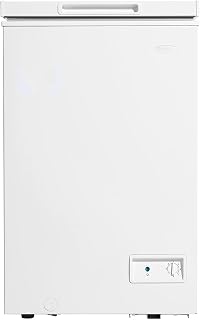



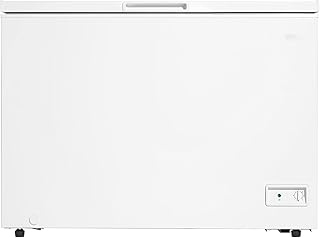
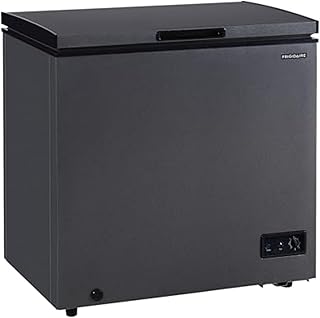


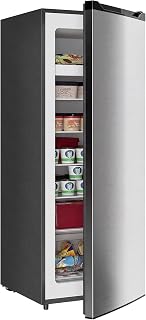


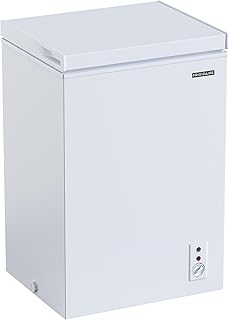


Choosing a freezer for a Canadian home involves more than finding the largest storage capacity at the lowest price. A good freezer needs to suit the available space, household size, food-storage habits, climate, electrical setup and expected running costs. Smart buying also means comparing usable capacity, temperature control, insulation, storage layout, noise, defrosting requirements and the type of installation before committing to a model.
This expanded buying guide is designed to help Canadian shoppers compare freezer options more carefully in 2026. Whether you need extra frozen-food storage for a family, a compact freezer for an apartment, a chest freezer for a basement or garage, or an upright model for easier organisation, the right choice depends on how and where you intend to use it.
A smart buy is not necessarily the cheapest freezer or the model with the highest number of features. It is the freezer that provides the right combination of capacity, reliability, energy efficiency, convenience and long-term practicality for your circumstances.
Before comparing individual models, consider the total ownership picture. A freezer that costs less initially may be less attractive if it has a layout that wastes usable space, requires frequent manual defrosting or does not fit comfortably through the intended doorway. Conversely, paying more for features you will never use may not represent good value.
The two most common standalone freezer formats are chest and upright models. Neither is universally better. The best configuration depends on available floor space, accessibility and how frequently you need to organise or retrieve frozen food.
A chest freezer opens from the top and generally provides a large continuous storage compartment. This configuration can be particularly useful when storing bulky packages, large quantities of meat, frozen vegetables or food purchased in bulk.
The top-opening design can also reduce the amount of cold air that escapes when the lid is opened because cold air tends to remain lower in the compartment. However, deep storage can make organisation more difficult. Items placed at the bottom may be harder to locate, particularly when the freezer is heavily loaded.
An upright freezer resembles a conventional refrigerator and stores food vertically. This design is often easier to organise because shelves, drawers and compartments divide the interior into accessible sections.
Upright models can be a strong choice for households that want quick access to individual packages. They are also useful when floor space is limited but vertical space is available. However, you must account for door clearance and the available width and height of the installation area.
Capacity should be based on your actual shopping and cooking habits rather than simply choosing the largest model that fits your budget. A household that buys fresh food frequently may need much less freezer space than a family that purchases meat, frozen vegetables and prepared meals in bulk.
When comparing specifications, distinguish between advertised total capacity and the storage space that is genuinely convenient to use. Shelving, baskets, drawers, evaporator components and interior design can affect how effectively the stated capacity translates into usable storage.
Compact freezers can suit apartments, smaller kitchens, offices, cottages and households that need supplementary storage rather than a primary frozen-food solution. Measure the intended area carefully because compact does not automatically mean suitable for every cabinet, utility room or basement location.
Medium-sized models offer a practical compromise for households that need additional frozen storage without dedicating a large section of the home to a freezer. They can be appropriate when you regularly store frozen meals, vegetables, meat and occasional bulk purchases.
Large freezers make more sense when you routinely buy food in quantity or want substantial long-term storage. Before selecting one, consider whether you can comfortably move it into the property, whether the floor can support it and whether the installation location provides adequate clearance.
Checking the published width, depth and height is only the first step. Measure the complete route from delivery access to the final installation position. Doorways, hallways, stairs, elevators, corners and cabinet openings can all affect whether a large appliance can be moved into place.
Also check the manufacturer's recommended clearance around the appliance. A freezer may physically fit into a tight space but still require additional room for ventilation, door operation, maintenance and heat dissipation.
Defrosting is an important ownership consideration. Manual-defrost freezers require the owner to periodically remove accumulated ice. Frost-free systems are designed to reduce the need for manual defrosting through an automatic defrosting process.
Do not assume that one configuration is automatically superior for every buyer. Compare the complete specifications, energy information, capacity, storage design and expected maintenance requirements.
Temperature management is central to freezer operation. Look for a model with controls that are easy to understand and adjust. Depending on the design, controls may be mechanical or electronic, internal or externally accessible.
Electronic controls can provide convenient adjustment and, on some models, additional monitoring features. Simpler controls can also be perfectly practical when you prefer straightforward operation. The key is to compare what the control system actually does rather than selecting a freezer based on the number of buttons or display functions.
Some freezers provide audible or visual warnings when the temperature rises beyond an expected range or when a door remains open. These features can be valuable because a temperature problem may otherwise go unnoticed for an extended period.
Power interruptions are an important consideration for Canadian households. When comparing freezers, investigate whether the manufacturer provides information about temperature retention or storage conditions during a power outage. Keep the freezer closed during an outage as much as possible and follow applicable food-safety guidance before consuming or refreezing food after prolonged loss of power.
A freezer operates continuously, so energy use should be part of the buying decision. Rather than judging efficiency by the freezer's size or marketing language, compare the official energy information available for the specific model.
Two freezers with similar capacity can have different energy requirements because of insulation, compressor technology, configuration, controls and other design factors. A slightly higher purchase price may be worth considering if the appliance offers characteristics that better suit long-term ownership.
Insulation helps a freezer maintain its internal temperature while the door seal helps prevent unwanted warm air from entering. These components are easy to overlook when comparing product photographs, but they are important to everyday operation.
Inspect the gasket design and overall door construction when reviewing a model. The door should close securely without excessive force, and the seal should make consistent contact around the perimeter. A damaged or poorly sealing gasket can reduce efficiency and contribute to frost or temperature problems.
Storage layout can determine whether a freezer feels spacious or frustrating. Look beyond the capacity figure and examine the number, size and position of shelves, baskets and drawers.
Think about the food you normally store. If you buy large cuts of meat, bulk packages or oversized containers, excessive internal dividers may reduce useful capacity. If you mainly store smaller packages and prepared meals, shelves and drawers can make the space considerably easier to manage.
Even an excellent freezer can become difficult to use without a sensible storage system. Grouping similar foods together makes it easier to locate products and reduces the time the door remains open.
Freezers produce operational sounds from the compressor, fans, refrigerant circulation and automatic functions. Noise may be less important in a basement or utility room but more noticeable in an open-plan kitchen, studio apartment or living area.
If noise is important to you, review the manufacturer's specifications where available and examine verified customer feedback for comments about operating sound. Avoid treating one isolated review as proof of a general performance characteristic.
A garage or basement can provide valuable freezer space, but the environment matters. Temperature extremes, humidity, dust, ventilation and electrical conditions can affect appliance suitability.
Before installing a freezer in an unheated garage, verify that the specific model is designed for the expected ambient temperature range. Not every freezer is intended to operate reliably in every cold or hot environment.
Smart shopping means separating genuinely useful features from specifications that simply make a product listing look more impressive.
A straightforward temperature-control system is useful because different storage conditions and seasonal circumstances may require adjustment. Controls should be clearly marked and easy to access.
An alarm can provide an additional warning if a door is accidentally left open or the internal temperature rises. This can be especially useful in busy households.
Good interior lighting makes it easier to find small packages and identify food stored toward the back of an upright freezer or at the bottom of a large compartment.
Some models include a temporary fast-freezing setting. If you are considering this feature, understand how it operates, when it should be used and whether the manufacturer recommends a specific procedure for returning the freezer to normal operation.
A reversible door can make an upright freezer easier to position in different rooms. However, confirm whether the reversal process is supported by the specific model and whether installation hardware or professional assistance is required.
Some modern appliances incorporate connected or smart-home features. Depending on the model, these may include app-based monitoring, alerts, diagnostics or other connected functions.
Smart connectivity can be useful if remote notifications provide meaningful information about the appliance. However, do not pay a substantial premium simply for connectivity if you do not expect to use it. Evaluate the core appliance first: capacity, temperature control, energy performance, storage layout, construction and suitability for your installation environment.
Canadian shoppers may encounter freezer products from established appliance brands such as Danby, Frigidaire, GE, Whirlpool, Maytag, LG, Samsung, Bosch and Insignia, among others. Brand recognition can be a useful starting point, but it should not replace model-specific research.
Different brands and product lines can use different configurations, controls, capacities and feature packages. Always compare the exact model number and specifications rather than assuming that every appliance from a particular manufacturer has the same performance or feature set.
When comparing two or more models, create a consistent checklist. Comparing one freezer's headline capacity with another freezer's premium feature package can make the decision unnecessarily confusing.
A very large freezer can look attractive when comparing specifications, but unused capacity occupies valuable floor space and may encourage inefficient storage. Select a size that reflects your normal purchasing habits.
Measuring only the appliance itself is a common mistake. Door opening, ventilation and access for cleaning or servicing can require additional space.
The lowest upfront price does not automatically represent the best value. Consider the entire specification, including energy information, storage layout, maintenance requirements and suitability for the installation environment.
A freezer intended for a climate-controlled kitchen may not be suitable for an unheated garage. Check the manufacturer's environmental requirements before purchase.
An upright freezer can technically fit into a space while remaining difficult to use if the door cannot open sufficiently. Measure the surrounding area before ordering.
Wi-Fi connectivity, digital displays and specialised modes can be convenient, but they do not compensate for unsuitable capacity, poor organisation or an incorrect installation environment.
Customer reviews can provide useful information about everyday ownership, but they should be interpreted carefully. Look for patterns rather than relying on a single positive or negative comment.
Useful review topics include installation difficulty, storage layout, noise, door sealing, temperature controls, basket quality, interior visibility and long-term usability. Pay attention to reviews that clearly identify the exact model being discussed.
A chest freezer can be a strong choice for households that regularly purchase large quantities of frozen food. Prioritise capacity, basket design, insulation, temperature control and the available floor area.
An upright freezer with multiple shelves and drawers is generally easier to organise by food category. Choose a layout that provides enough space for both everyday items and larger packages.
A compact upright freezer can make sense where floor space is limited. Measure carefully and consider how much usable capacity you genuinely need.
For basement installation, consider available electrical access, ventilation, floor conditions, humidity and the manufacturer's environmental requirements. A convenient location is one that allows easy access without creating a crowded storage area.
Garage installation requires particular attention to ambient temperature. Verify that the freezer is designed for the temperature range expected in the garage before purchasing.
Regular maintenance can help keep a freezer clean and operating as intended. Always follow the manufacturer's instructions because maintenance procedures vary between models.
A freezer is a food-storage appliance, so temperature control and safe food handling should remain priorities. Store food according to appropriate food-safety guidance and use suitable packaging designed for freezing.
Do not rely solely on the freezer's appearance to determine whether food is safe after a prolonged temperature interruption. If there has been a significant power failure or suspected temperature problem, consult current Canadian food-safety guidance and the manufacturer's recommendations before deciding whether food should be kept, discarded or refrozen.
The best deal is not always the model with the largest discount displayed on a retailer page. Compare the actual model number, specifications and total value across multiple trusted Canadian retailers.
Freezer models and retail offers can change throughout the year, so current availability and pricing should always be checked at the time of purchase. A strong 2026 buying decision should focus on the exact model rather than assuming that an older recommendation remains the best option.
When evaluating a current offer, verify the model number, capacity, dimensions, energy information, storage configuration and included features. Then compare those specifications with similarly priced alternatives. This approach helps prevent a prominent sale label from distracting you from the features that matter most.
There is no single best configuration for every Canadian household. Upright freezers are often convenient when organisation and easy access are priorities, while chest freezers can be particularly useful for bulk storage. The best option depends on available space, storage habits and installation conditions.
Neither type is universally better. Chest freezers can provide practical bulk storage, while upright models generally make individual foods easier to organise and access. Compare the storage layout and physical dimensions against your intended use.
Start with your household's normal frozen-food requirements and then check the physical space available. Avoid choosing a capacity that is substantially larger than your actual needs unless you regularly purchase or store food in bulk.
Frost-free operation can be worthwhile if you want to minimise manual defrosting and prefer lower-maintenance ownership. If simplicity and purchase value are higher priorities, a manual-defrost model may also be appropriate.
It depends on the exact freezer. Canadian garage temperatures can vary substantially by season, so check the manufacturer's specified operating environment before placing a freezer in an unheated space.
Connected features can be useful when remote alerts or monitoring provide genuine convenience. However, they should be treated as secondary features. First compare capacity, temperature management, energy information, storage layout, dimensions and installation suitability.
Useful features depend on your routine, but adjustable temperature control, effective storage organisation, reliable door sealing, interior lighting and temperature or door alerts can provide practical benefits. Choose features that solve a real problem rather than paying for technology you will rarely use.
Energy efficiency matters because a freezer operates continuously. Compare the official energy information for the exact models you are considering and evaluate it alongside capacity and purchase cost.
Follow the manufacturer's installation requirements, maintain appropriate ventilation, keep the door seal clean and intact, avoid leaving the door open unnecessarily and keep the freezer organised. Do not overload or obstruct internal airflow areas.
The appropriate interval varies with the model, usage and amount of ice accumulation. Follow the manufacturer's instructions and defrost when ice buildup begins to interfere with storage capacity or normal operation.
Check the exact model number, dimensions, capacity, defrost system, energy information, electrical requirements, door configuration, storage layout and manufacturer installation instructions. Also verify the retailer's current delivery, return and warranty information before completing a purchase.
The strongest freezer purchase is one that fits your home and your habits rather than one that simply has the longest feature list. Start by deciding whether a chest or upright configuration makes more sense. Then narrow your choices using capacity, dimensions, energy information, storage layout, temperature controls and installation requirements.
For Canadian shoppers, location deserves particular attention. A freezer placed in a kitchen, finished basement and unheated garage may face very different operating conditions. Always check the manufacturer's requirements for the exact model before installation.
When comparing the top freezer options for 2026, use verified product specifications and current customer feedback as supporting evidence rather than relying on promotional claims alone. Compare several similarly sized models from established brands such as Danby, Frigidaire, GE, Whirlpool, Maytag, LG, Samsung, Bosch and Insignia, then select the model whose capacity, layout, operating characteristics and features best match your needs.
Because prices, stock levels, model ranges and retailer promotions can change during 2026, check today's specifications and pricing before purchasing. A careful comparison of the exact model number is the most reliable way to identify a genuinely smart freezer deal in Canada.