

♥ Wishlist
Compare 59 Water Filtration Softeners products in Canada. Reviews, ratings, pros, cons and buying advice updated for October 2026.


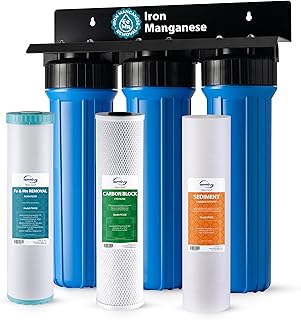
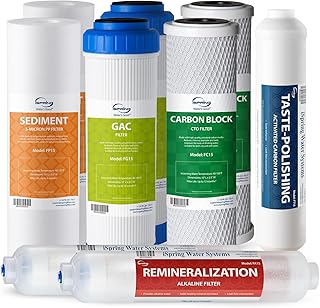


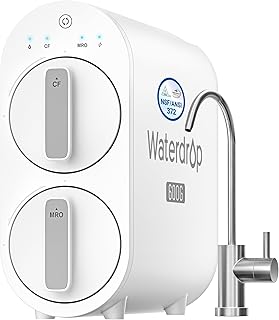


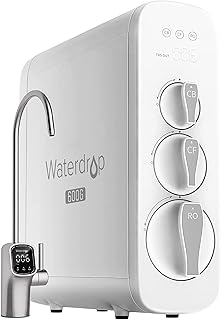


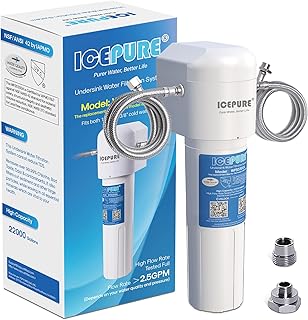


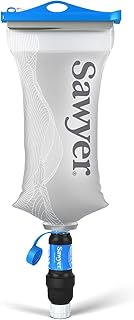

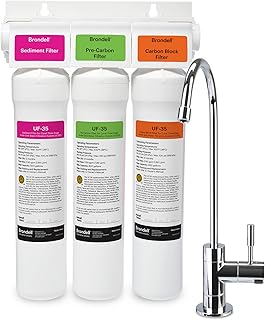

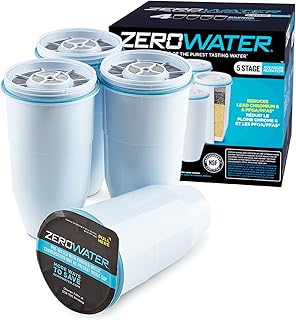


Choosing a water filtration or softening system for a Canadian home requires more than comparing prices. The right option depends on the water source, hardness level, contaminants, household size, plumbing configuration, available installation space, and ongoing maintenance requirements. A system that works well for one home may be unsuitable for another.
This 2026 buying guide focuses on the factors that matter when comparing water filtration systems, water softeners, combination units, under-sink filters, whole-house systems, and related treatment equipment in Canada. Before buying, compare specifications carefully and confirm that the product is appropriate for your local water conditions.
The following categories provide a practical framework for comparing products when shopping in Canada. They are not a claim that every individual model is equally suitable for every household.
Water filtration and water softening solve different problems. Understanding this distinction is one of the most important steps before purchasing a treatment system.
A water filter is designed to reduce particular substances from water. Depending on the technology, a filter may target sediment, chlorine, taste and odour compounds, or other contaminants. Performance varies considerably between filter types, so buyers should never assume that a filter removes every possible contaminant.
A conventional water softener is designed primarily to address hardness. Hard water can contribute to mineral deposits on fixtures, shower surfaces, appliances and plumbing components. It can also affect how soap behaves and may leave mineral residue after water evaporates.
Some households need both hardness treatment and filtration. In that situation, a combination system or appropriately configured multi-stage setup may be more practical than expecting one cartridge or appliance to solve every water-quality issue.
However, combination equipment should be selected according to the actual water problem. More treatment stages do not automatically mean better water. Each stage can increase purchase cost, replacement requirements, pressure loss, installation complexity and maintenance.
The best water treatment equipment depends heavily on where the home's water comes from. Municipal water and private wells can present very different treatment requirements.
Municipal supplies are generally treated before reaching the property, but household water can still have characteristics that make filtration or softening desirable. Taste, odour, chlorine, sediment, hardness and plumbing-related concerns can influence the choice of equipment.
Well owners should take water testing particularly seriously. A private well can have conditions that vary by location and season. Iron, manganese, sediment, hardness, acidity and other characteristics may require specialized treatment.
A general-purpose filter should not be selected as a substitute for appropriate well-water testing. If laboratory results identify a specific contaminant, choose treatment equipment designed and, where applicable, independently certified for that contaminant.
Hardness is one of the most important specifications when comparing water softeners. It is generally associated with dissolved calcium and magnesium. The greater the hardness and the higher the household water consumption, the more treatment capacity may be required.
Canadian water hardness can differ substantially between municipalities and properties. Buyers should therefore avoid choosing a softener solely because it is advertised as suitable for a particular number of bathrooms.
Look for the system's actual capacity and operating specifications. Consider the number of people in the household, typical daily water consumption, peak demand and the hardness measurement from your water report or test.
Capacity is more useful than simply looking at the physical size of the tank. A softener's usable capacity relates to how much hardness it can handle under specified operating conditions before regeneration is required.
A system that is significantly undersized may regenerate too frequently. An unnecessarily oversized system can add cost and may not provide a meaningful benefit for the household.
Salt-based and salt-free systems should not be treated as interchangeable products.
Traditional salt-based systems use ion-exchange technology to reduce hardness minerals. They require salt replenishment and typically use water during regeneration. Buyers should compare regeneration controls, capacity, maintenance requirements and operating costs rather than focusing only on the initial purchase price.
Salt-free products are generally positioned around scale control rather than conventional removal of calcium and magnesium. This distinction is important when comparing claims and deciding whether the technology addresses the actual problem in your home.
If your main objective is genuinely softer water, verify that the selected technology provides the type of hardness treatment you require.
Carbon filtration is widely used in household water treatment. Depending on the specific media and certification, carbon filters can help reduce chlorine, taste, odour and certain other substances. Performance is model-specific, so check the stated contaminant reduction claims rather than assuming all carbon cartridges work identically.
Sediment filters capture particulate material. They are often useful as a preliminary stage in a multi-stage system because excessive sediment can reduce the performance or lifespan of downstream filtration equipment.
Reverse osmosis uses a semipermeable membrane and is normally installed at a point of use. It can provide extensive treatment for drinking and cooking water, but the system has additional components and maintenance requirements compared with a simple carbon filter.
Some water conditions require specialized filtration media. For example, systems designed for iron, manganese or other specific water-quality challenges should be selected only after identifying the problem and confirming the manufacturer's stated operating range.
Certification can make product comparison easier because it provides an independent basis for evaluating particular performance claims. However, buyers should examine exactly what has been certified.
Brands such as 3M, Culligan, Pentair, Aquasana, iSpring, Brita, Whirlpool, GE and A. O. Smith offer various water-treatment products or related equipment, but individual models differ significantly. Always evaluate the exact model rather than choosing a brand solely because it is familiar.
Whole-house and point-of-use systems serve different purposes.
A whole-house system treats water at or near the point where it enters the property. This approach can provide treated water at multiple fixtures, but it usually requires greater installation space and more attention to flow rate, plumbing connections and filter capacity.
An under-sink system concentrates treatment where drinking and cooking water are consumed. It can be a more targeted solution when whole-home treatment is unnecessary.
Before choosing either approach, identify whether the problem affects every fixture or primarily the water used for drinking.
A filtration system can perform well on paper but still be frustrating if it restricts household water flow. This is particularly important for whole-house equipment.
Compare the manufacturer's stated flow rate with the household's expected demand. Consider simultaneous use of showers, taps, toilets, washing machines and other fixtures.
Also examine pressure requirements and pressure drop across the filter. A system that creates excessive restriction can affect the user experience even when its filtration performance is otherwise appropriate.
The purchase price is only one part of the cost of owning a filtration system. Replacement cartridges, salt, membranes, pre-filters, post-filters and other consumables can influence long-term value.
A system with a lower purchase price may not be the cheapest option over several years if its consumables are expensive or require frequent replacement.
Installation requirements vary significantly between filtration and softening systems. Before purchasing, inspect the available plumbing connections and installation location.
Canadian homeowners should also consider seasonal conditions. Equipment installed in an area exposed to freezing temperatures can require additional protection because water trapped inside treatment components can cause damage.
The cheapest system is not necessarily the best value. Compare capacity, filtration performance, replacement costs, installation requirements and maintenance.
Water treatment should be based on an identified problem. Testing can prevent buyers from paying for technology they do not need while helping identify treatment that may actually be required.
A filter designed to improve taste or reduce sediment should not automatically be considered a substitute for a conventional water softener.
Proprietary cartridges may become inconvenient if they are difficult to obtain. Check current availability and replacement specifications before committing to a system.
Whole-house equipment needs to support normal household demand. Examine rated flow and pressure-drop information before purchasing.
Brand reputation can be useful, but individual models can have different technologies, capacities, certifications and maintenance requirements. Always compare the exact specifications.
When browsing products from established names such as Culligan, 3M, Pentair, Aquasana, iSpring, A. O. Smith, GE, Whirlpool and Brita, focus on the technology and specifications rather than brand recognition alone.
Modern water treatment systems can include digital controls, demand-based regeneration, monitoring functions, leak detection or connectivity features. These features can improve convenience, but they should not distract from the fundamental treatment requirements.
A connected system is not automatically a better filtration system. First establish that the core treatment technology is appropriate. Then consider whether additional monitoring or automation justifies the extra cost.
When comparing multiple products, create a consistent checklist so that marketing language does not dominate the decision.
Customer ratings can be useful, but they should be treated as one part of the buying process. A high rating does not prove that a product is appropriate for every water condition.
When reading verified customer reviews, look for recurring comments about installation, replacement filters, operating noise, water pressure, maintenance, durability and compatibility. Give more weight to reviews that describe the user's water source and installation situation in enough detail to make the comparison meaningful.
Also look for patterns rather than relying on one unusually positive or negative review.
A smart buy should balance initial cost with performance, operating expenses, maintenance and expected convenience. A moderately priced system with readily available replacement components may provide better long-term value than a cheaper product with expensive proprietary consumables.
For larger households, capacity and flow can be more important than a small difference in purchase price. For apartments or smaller homes, a compact point-of-use filter may make more sense than installing a complete whole-house treatment system.
Regular maintenance is essential for maintaining treatment performance. The exact schedule depends on the equipment, water quality and manufacturer's instructions.
Professional advice can be particularly useful when water testing identifies unusual or complex conditions. This may include substantial iron or manganese, persistent sediment, unusual odour, very high hardness, low pH or concerns involving a private well.
Professional guidance can also help when several treatment technologies need to work together. Instead of purchasing multiple products independently, a qualified water-treatment professional can help determine the correct treatment sequence and system sizing.
Before placing an order, Canadian shoppers should confirm the following:
There is no single best system for every Canadian home. The appropriate choice depends on water hardness, contaminants, water source, household size, desired treatment level, flow requirements and budget. Compare verified specifications and select a system that matches your actual water conditions.
Choose based on the problem you need to solve. Water softeners primarily address hardness, while filters are designed to reduce specific substances depending on their technology and certification. Some households may require both.
Testing is strongly recommended when the water-quality problem is unknown, particularly for private well water. A test can help identify hardness and other characteristics that influence treatment selection.
No. Salt-based softeners use ion exchange to reduce hardness minerals. Salt-free systems are generally intended for scale control and should not automatically be considered equivalent to conventional water softening.
Neither is universally better. A whole-house system is appropriate when treatment is desired at multiple fixtures, while an under-sink system can be more targeted when drinking and cooking water are the primary concerns.
Replacement intervals vary by product, water quality and consumption. Follow the manufacturer's specified replacement schedule and pay attention to any capacity indicators or changes in water flow and quality.
Higher cost can be justified when a system provides treatment that your household genuinely needs, has suitable capacity, reasonable maintenance requirements and appropriate certification. Price alone does not establish performance.
No. Different treatment technologies target different substances. Always check the exact contaminant-reduction claims and certification for the model you are considering.
Compare the complete ownership cost rather than only the advertised purchase price. Look at treatment technology, capacity, flow rate, certification, replacement filters, maintenance requirements, installation needs and current availability in Canada.
The smartest way to choose a water filtration or softening system is to start with the water problem rather than the product category. Test the water when necessary, identify the treatment objective and then compare systems using consistent technical criteria.
For 2026 shopping, pay particular attention to the exact model number, certification claims, treatment capacity, flow rate, replacement requirements and ongoing operating costs. Compare current specifications from trusted retailers and read verified customer reviews for practical installation and maintenance insights.
Whether you are considering Aquasana, iSpring, Culligan, Pentair, 3M, Brita, GE, Whirlpool, A. O. Smith or another manufacturer, evaluate the individual product against your home's requirements. A well-matched system can be a smarter purchase than simply choosing the most heavily advertised or highest-priced option.