
Best Learning & Education Products for Home, School & Study Products online Canada
Explore our real-time updated product directory index curated for performance, verified star metrics, and historical consumer trust rankings.
Explore Sub-Collections
11 Sections Found
Early Development Activity Toys for Learning & Growing
Electronic Learning Toys for Interactive Educational Play
Flash Cards for Learning, Studying & Skill Practice

Geographic Globes for Learning, Home & Office
Habitats: Explore Animal Habitats, Nature & Educational Products
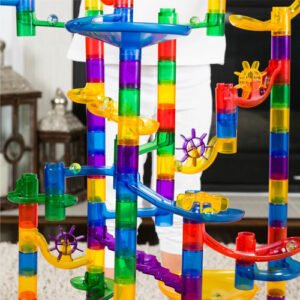
Marble Runs for Kids and Families

Musical Instruments for Beginners, Hobbyists and Performers

Optics for Outdoor Viewing, Astronomy & More in Canada
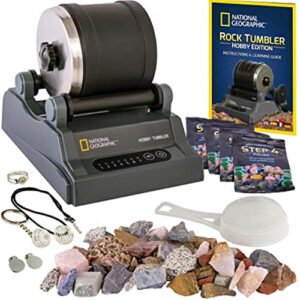
Rock Tumblers for Polishing Stones & Gems
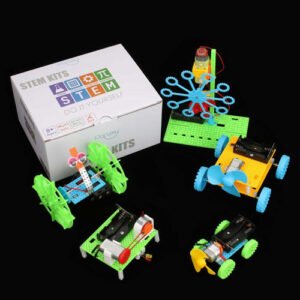
Science Kits Toys for Curious Kids in Canada
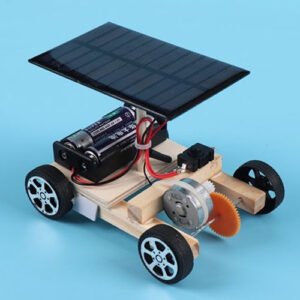
Solar Power Kits for Canadian Homes, Camping & Off-Grid Power
Verified Deal Selections
60 Items Indexed













Shop Learning & Education Products
Learning can happen at home, in the classroom, during travel or anywhere curiosity takes you. The Learning & Education category brings together products that can support different stages of learning and a wide range of educational activities. Whether you are shopping for a child who enjoys hands-on activities, a student preparing for schoolwork, or useful supplies for a home study space, choosing products that match the learner's age, interests and goals can make everyday study more enjoyable and organised.
For Canadian shoppers, educational products can be useful throughout the year. Back-to-school preparation may call for study supplies and learning resources, while families may also look for activities that keep children engaged during weekends, holidays and school breaks. A well-chosen educational product can combine learning with play, helping children practise concepts, explore new subjects and develop independent skills. Students and adults can also benefit from practical tools that make reading, writing, revision and focused study easier.
Learning Products for Different Ages and Interests
Educational needs change as learners grow. Younger children may benefit from products that encourage recognition, language development, counting, matching, creativity and hands-on exploration. Older children may prefer activities connected with science, mathematics, reading, problem-solving or creative projects. Students can look for products that complement school subjects and support revision, organisation and independent study.
When selecting an educational product, consider the intended age range and level of difficulty. A product that is too advanced may become frustrating, while one that is too simple may not provide enough challenge. Look for options that encourage active participation and allow the learner to practise a skill rather than simply consume information. For families, products that can be reused or adapted for different activities can also provide greater flexibility.
Educational Activities for Home Learning
Home learning does not have to feel like a formal classroom. Educational activities can be incorporated into everyday routines through reading, puzzles, creative projects, experiments, practice exercises and interactive games. Parents and caregivers can create a dedicated study area or keep a selection of learning products available for independent exploration.
For children, variety can help maintain interest. Alternating between reading-focused activities, creative tasks and problem-solving exercises can provide opportunities to practise different skills. Parents can also use educational products as starting points for conversations and practical projects. The goal is to create an environment where asking questions, experimenting and making mistakes are recognised as natural parts of learning.
How to Choose Learning & Education Products
Start by identifying the learner and the purpose of the purchase. If the product is intended for school support, consider which subject or skill it should complement. For recreational learning, think about the child's interests and whether the activity encourages creativity, reasoning or hands-on participation. For students, portability, ease of use and suitability for regular study may be important considerations.
Material quality, instructions, age recommendations and product dimensions can also matter. Canadian shoppers should check the available product information carefully, especially when buying items for younger children. If a product contains multiple components, consider how it will be stored between uses. For home study, products that fit comfortably into an existing desk, shelf or storage system can help keep the learning area organised.
Support Curiosity, Creativity and Independent Study
The value of an educational product extends beyond a single lesson. The right learning resource can encourage children to ask questions, practise independently and explore subjects at their own pace. Creative products can provide opportunities for self-expression, while puzzles and problem-solving activities can encourage persistence and logical thinking. Study-focused products can help older learners build routines and approach schoolwork in a more structured way.
Learning is personal, so there is no single product that suits every student or family. Consider the learner's interests, current abilities and preferred way of engaging with information before making a choice. With the right combination of resources, everyday activities can become opportunities to read, create, investigate, practise and discover something new.
Learning & Education Shopping in Canada
Canadian families and students may shop for educational products throughout the year, with demand often changing around school terms, holidays and seasonal learning activities. When comparing products, pay attention to the listed specifications, intended use and available product details rather than choosing solely on appearance. A practical learning product should fit the learner, the activity and the environment in which it will be used.
Explore the Learning & Education category to discover products that can complement home study, classroom activities, creative learning and skill development. Whether you are preparing for a new school year or simply looking for ways to make learning more engaging, thoughtful product selection can help create useful opportunities for education at every stage.
Frequently Asked Questions
What products are included in the Learning & Education category?
This category can include educational resources, learning activities, study-related products and items designed to support children's development, student learning and educational activities at home or in school.
Who can use learning and education products?
Learning products can be suitable for children, school-age students, parents, teachers, families and other learners. The appropriate choice depends on the product's intended age, subject and level of difficulty.
How do I choose an educational product for a child?
Consider the child's age, interests, current skills and the type of learning you want to encourage. Check age recommendations, product details and instructions before purchasing.
Can educational products be used for home learning?
Yes. Many learning resources can complement reading, practice, creative projects, problem-solving activities and other home-learning routines when used appropriately for the learner.
What should I consider when buying educational products in Canada?
Review the product specifications, dimensions, materials, age recommendations and intended use. Also consider how the product will fit into your home, classroom or study routine.
Are learning products useful outside school?
Yes. Educational activities can support curiosity and skill development during weekends, holidays and other times outside formal classroom learning.
How can educational products make learning more engaging?
Hands-on activities, creative projects, puzzles and interactive resources can give learners opportunities to practise concepts actively. Choosing activities that match personal interests can also help maintain engagement.
Introduction
Discover practical learning and education products designed to support study, creativity, skill development and everyday learning. From educational activities and study essentials to resources that make learning more engaging, this category brings together products for children, students, families, teachers and home learning environments.
Frequently Asked Questions (FAQ)
❓ How are these Learning & Education Products for Home, School & Study options ranked?
Our custom data engine continuously scans product entries to verify high-performing items that carry a consistent rating above 4.2 stars, filtering out unreliable listings or items with artificial review jumps.
❓ Does clicking outbound links increase my checkout price?
Absolutely not. All generated product buttons use standard, secure commercial tracking tags. The item cost values reflect the official live marketplace catalog pricing identically.
❓ How often are the pricing deals updated on this page?
Our data tables utilize automated cache transients refreshed continuously throughout the week to fetch the freshest inventory nodes, live pricing metrics, and tracking structures.
❓ Are these products backed by standard consumer warranties?
Yes. Because our directory routes you directly to the verified official listing pages on Amazon, your purchases qualify for complete merchant protections, returns, and original brand manufacturing warranties.