Best Climbing Gear and Equipment Products online Canada
Explore our real-time updated product directory index curated for performance, verified star metrics, and historical consumer trust rankings.
Verified Deal Selections
58 Items Indexed






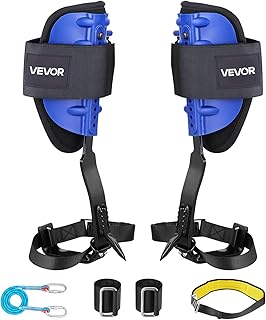







Find Climbing Gear for Your Next Adventure
Climbing combines technique, strength, balance and careful equipment selection. The right gear can help climbers prepare for different environments, from indoor climbing walls to outdoor rock faces. This climbing category brings together equipment and accessories associated with climbing so shoppers can explore options based on their activity, experience and planned use.
For Canadian shoppers, climbing equipment can be relevant throughout the year. Indoor climbing gyms provide a convenient way to practise movement and technique during colder months, while outdoor climbing becomes an option when conditions are suitable. Depending on the activity, climbers may look for equipment suitable for bouldering, sport climbing, trad climbing, mountaineering or general climbing practice. Each discipline can involve different equipment requirements, so it is important to understand what a product is intended for before purchasing.
Choose Equipment Based on Your Climbing Style
Climbing gear is not one-size-fits-all. Bouldering generally involves shorter climbing routes without ropes, while roped climbing requires additional equipment for protection, belaying and connection systems. If you are building a climbing setup, consider your preferred discipline first and then identify the equipment required for that activity.
Climbing shoes are commonly selected for their fit, sensitivity and intended climbing style. A secure fit can help climbers maintain contact with footholds, while different shoe shapes and constructions may suit different techniques. Beginners may also want to consider comfort and everyday usability when choosing their first pair.
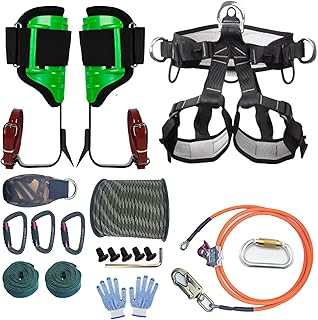
For roped activities, harnesses, ropes, carabiners, belay devices and protection equipment can form part of a more technical equipment system. These products should always be used according to their manufacturer instructions and within their stated applications. When safety-critical equipment is involved, product specifications, certification and compatibility should take priority over appearance or price alone.
Climbing Accessories and Essentials
Smaller accessories can also make a climbing session more organised and practical. Chalk and chalk bags are commonly used to help manage hand moisture, while climbing brushes can help maintain holds during training or gym sessions. Gear bags and storage solutions can make it easier to transport climbing equipment between home, the gym and outdoor locations.
When shopping for climbing accessories, consider how frequently you climb, where you normally climb and what equipment you already own. A beginner assembling a basic indoor setup may have different priorities from an experienced outdoor climber preparing for a longer route. Creating a checklist before shopping can reduce unnecessary purchases and help ensure that important equipment is not overlooked.
Climbing Gear for Canadian Conditions
Canada offers a wide range of climbing environments, from indoor facilities to outdoor rock and mountain areas. Weather and seasonal conditions can influence when and where outdoor climbing is practical. For outdoor use, climbers should consider local conditions, route characteristics and the requirements of the specific climbing area.
Cold temperatures can also affect equipment handling and personal comfort. Depending on the season and activity, climbers may need appropriate clothing layers, gloves, footwear and other outdoor essentials alongside their technical climbing equipment. Always check local conditions and follow established climbing-area guidance before heading outdoors.
How to Shop for Climbing Equipment
Start by identifying the type of climbing you plan to do. Next, determine which equipment is essential for that activity and which accessories are optional. Pay attention to product sizing, materials, specifications, intended use and compatibility. For technical safety equipment, verify the relevant standards and manufacturer information before use.
Budget is another useful consideration. Beginners do not necessarily need every type of climbing product at once. Building a setup gradually can make it easier to understand your needs as your experience develops. Compare products according to their intended application rather than relying only on price, branding or appearance.
Build a Practical Climbing Setup
A well-planned climbing kit should match the activity rather than simply contain as many products as possible. Think about where you climb, how often you climb, whether you climb independently or with a partner, and what equipment is already available at your gym or climbing area. This approach can help you focus on useful equipment while avoiding incompatible or unnecessary purchases.
Whether you are searching for climbing gear for indoor training, outdoor recreation or a new climbing discipline, use the category to compare products according to your requirements. Read specifications carefully, select appropriate sizes and follow all manufacturer instructions for safety-critical equipment.
Introduction
Discover climbing gear for training sessions, indoor climbing gyms, outdoor crags and climbing adventures across Canada. Whether you are getting started or refining an established setup, explore equipment and accessories designed around different climbing activities, environments and experience levels.
Frequently Asked Questions
What climbing gear does a beginner need?
Beginner requirements depend on the type of climbing. Indoor bouldering may require relatively little personal equipment, while roped climbing can require items such as climbing shoes, a harness and other technical equipment. Always follow the requirements of your climbing facility and the manufacturer's instructions.
What is the difference between bouldering and roped climbing?
Bouldering generally involves shorter climbs without ropes and focuses heavily on movement and technique. Roped climbing uses a rope and additional equipment for protection and belaying. The gear required therefore differs between the two activities.
How should climbing shoes fit?
Climbing shoes are normally intended to fit securely so the foot does not move excessively inside the shoe. The ideal fit varies by shoe design, climbing style and personal preference. Avoid choosing a size solely from another brand's sizing because fit can vary between models.
What should I consider when buying a climbing harness?
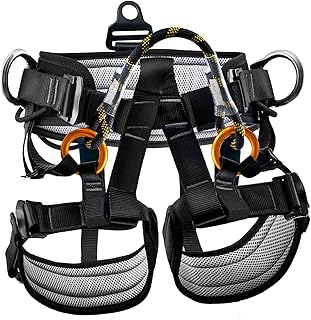
Consider the harness's intended activity, sizing system, adjustability, gear loops and manufacturer specifications. For safety-critical equipment, verify that the harness is appropriate for your planned use and follow all fitting, inspection and usage instructions.
Can climbing gear be used in different climbing disciplines?
Some equipment may be suitable for more than one activity, but compatibility and intended use vary by product. Technical gear should only be used for applications specifically covered by the manufacturer. Check specifications and instructions before using equipment in a different discipline.
What climbing accessories are useful for regular sessions?
Common accessories can include chalk bags, chalk, climbing brushes, gear bags and equipment-storage solutions. The most useful additions depend on whether you primarily climb indoors, outdoors, boulder or climb with ropes.
How should climbing equipment be maintained?
Follow the manufacturer's cleaning, inspection and storage instructions for each item. Regularly inspect technical equipment for signs of damage, excessive wear or other conditions identified in the manufacturer's guidance, and retire equipment when required.
Frequently Asked Questions (FAQ)
❓ How are these Climbing Gear and Equipment options ranked?
Our custom data engine continuously scans product entries to verify high-performing items that carry a consistent rating above 4.2 stars, filtering out unreliable listings or items with artificial review jumps.
❓ Does clicking outbound links increase my checkout price?
Absolutely not. All generated product buttons use standard, secure commercial tracking tags. The item cost values reflect the official live marketplace catalog pricing identically.
❓ How often are the pricing deals updated on this page?
Our data tables utilize automated cache transients refreshed continuously throughout the week to fetch the freshest inventory nodes, live pricing metrics, and tracking structures.
❓ Are these products backed by standard consumer warranties?
Yes. Because our directory routes you directly to the verified official listing pages on Amazon, your purchases qualify for complete merchant protections, returns, and original brand manufacturing warranties.