
Best Measuring and Layout Tools for Accurate Project Work Products online Canada
Explore our real-time updated product directory index curated for performance, verified star metrics, and historical consumer trust rankings.
Explore Sub-Collections
7 Sections Found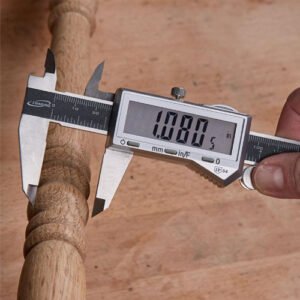
Calipers for Precision Measurement
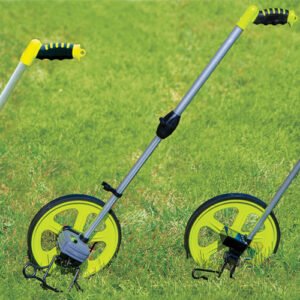
Measuring Wheels for Accurate Distance Measurement
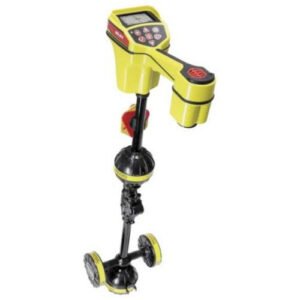
Pipe Locators for Underground Pipe and Utility Detection
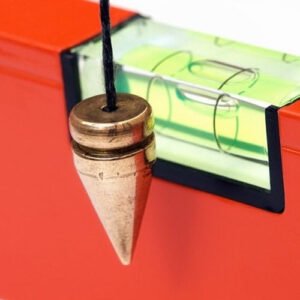
Plumb Bobs for Accurate Vertical Alignment
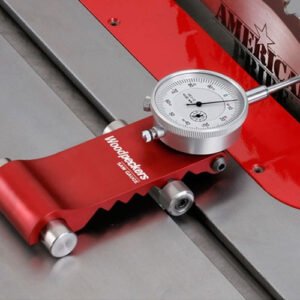
Saw Gauges for Accurate Saw Setup and Woodworking
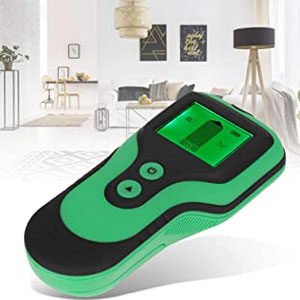
Scanners & Testers for Canadian Shoppers
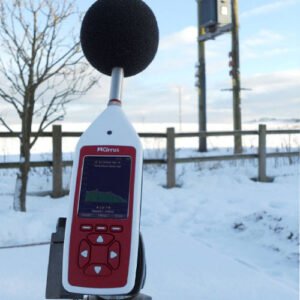
Sound Measurement Equipment
Verified Deal Selections
47 Items Indexed




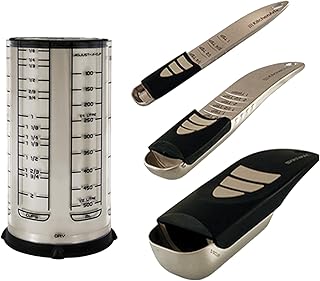


Choose Measuring and Layout Tools for Precise Work
Good project results often begin with accurate measuring and careful layout. Whether you are preparing timber for a woodworking project, checking dimensions during a renovation, positioning materials for installation, or completing general maintenance around the home, the right measuring and layout tools can make the work more controlled and repeatable. This category brings together tools designed to help with measuring distances, establishing straight lines, checking angles, transferring dimensions, and marking workpieces.
For Canadian shoppers, choosing a suitable tool depends on the type of project, the material being worked on, the level of accuracy required, and how frequently the tool will be used. A basic measuring tool may be sufficient for occasional household tasks, while tradespeople and experienced DIY users may need specialised equipment for repeated measurements and more demanding applications.
Common Types of Measuring and Layout Tools
Measuring and layout equipment covers a broad range of tools, each intended for a particular stage of project preparation. Tape measures are practical for measuring lengths and dimensions across many household, construction, and workshop applications. Rules and measuring scales can be useful when working with smaller components or when a more controlled reference is required.
Squares and angle-measuring tools help establish or verify relationships between surfaces and lines. They can be particularly useful in woodworking, framing, cabinetry, flooring, and installation work where accurate angles and straight reference lines matter. Levels are also valuable when checking whether a surface, component, or installation is correctly aligned.
Marking tools complement measuring equipment by helping transfer measurements onto materials. Depending on the application, these may be used to create visible reference lines, indicate cutting positions, identify drilling locations, or establish repeatable layout points.
Measuring Tools for Woodworking and Construction
Woodworking projects often require careful measurement before cutting, drilling, routing, or joining materials. Small measurement errors can affect how components fit together, making dependable measuring equipment an important part of workshop preparation. Layout tools can also help maintain consistent dimensions when several components need to match.
Construction and renovation tasks can involve larger dimensions and different materials, so shoppers should consider the tool's measurement range, readability, durability, and suitability for the working environment. For jobs performed on site, portability can be just as important as precision.
Layout Tools for DIY and Home Projects
Home improvement projects frequently involve measuring walls, shelves, flooring, furniture components, fixtures, and other surfaces. A practical selection of measuring and layout tools can help DIY users plan work before materials are cut or installed. Using a dedicated layout tool rather than relying on visual estimates can make repeat measurements easier and reduce avoidable mistakes.
For occasional DIY work, shoppers may prefer versatile tools that can serve multiple purposes. Those completing projects regularly may benefit from selecting individual tools based on the specific tasks they perform most often.
What to Consider When Choosing Measuring and Layout Tools
Measurement Range and Scale
Consider the dimensions you normally work with and select tools with an appropriate range. Clear graduations and easy-to-read markings can make measurements quicker to interpret.
Accuracy and Repeatability
For projects where components need to align or fit together, consistent measurements are important. Choose tools appropriate to the precision demanded by the task rather than relying on a one-size-fits-all approach.
Material and Build Quality
Workshop and job-site tools may experience frequent handling, storage, and exposure to dust or other working conditions. Consider construction quality and intended use when comparing options.
Ease of Use
A tool should be practical for the way you work. Features such as clear scales, comfortable handling, convenient storage, and straightforward operation can be useful during longer projects.
Metric Measurements
Metric measurements are widely used in Canada, so shoppers should check whether a tool provides millimetre and centimetre markings when these are useful for the intended application. Some tools may provide both metric and imperial scales, which can be convenient for projects involving different specifications.
Shop Measuring and Layout Tools for Your Project
Before choosing a measuring or layout tool, identify the measurements, angles, surfaces, and materials involved in your project. A tool designed for accurate layout can help establish reliable reference points before cutting, drilling, assembling, or installing. For professional work, consider how the tool will perform under repeated use. For home projects, prioritise versatility, readability, and ease of storage.
Explore the Measuring Layout Tools category to compare suitable options for woodworking, construction, renovation, workshop tasks, installation work, and everyday DIY projects. Selecting the right measuring and layout equipment can provide a dependable foundation for more accurate project planning and execution.
Frequently Asked Questions About Measuring and Layout Tools
What are measuring and layout tools used for?
They are used to determine dimensions, check angles and alignment, establish reference points, and mark materials before cutting, drilling, assembling, or installing components.
Which measuring tools are useful for DIY projects?
A tape measure, suitable rule or scale, square, level, and appropriate marking tool can cover many common DIY measuring and layout tasks. The best combination depends on the project.
Are metric measuring tools suitable for Canadian projects?
Yes. Metric measurements are commonly used in Canada. Tools with millimetre and centimetre scales can be useful for projects specified in metric dimensions.
What is the difference between measuring and layout tools?
Measuring tools primarily determine dimensions or distances, while layout tools help transfer measurements, establish lines, check angles, and position components accurately. Many tools can perform both functions.
Why is accurate layout important in woodworking?
Accurate layout helps establish consistent cutting, drilling, and joining positions. This can improve fit and alignment when several pieces must work together.
How should I choose a measuring tool for construction work?
Consider the measurement range, scale readability, required accuracy, durability, portability, and the conditions in which the tool will be used. The dimensions and materials involved should also guide your selection.
Can one layout tool be used for multiple projects?
Some versatile tools can support several tasks, but specialised projects may require dedicated equipment. Choose based on the measurements, angles, materials, and accuracy requirements of your regular work.
Introduction
Accurate measurements and precise layout work are essential for woodworking, construction, renovation, installation, and DIY projects. Measuring and layout tools help you determine dimensions, mark reference points, check angles, and maintain consistency from the first measurement to the final cut or installation. Explore measuring and layout tools suited to different project requirements, working environments, and levels of experience.
Frequently Asked Questions (FAQ)
❓ How are these Measuring and Layout Tools for Accurate Project Work options ranked?
Our custom data engine continuously scans product entries to verify high-performing items that carry a consistent rating above 4.2 stars, filtering out unreliable listings or items with artificial review jumps.
❓ Does clicking outbound links increase my checkout price?
Absolutely not. All generated product buttons use standard, secure commercial tracking tags. The item cost values reflect the official live marketplace catalog pricing identically.
❓ How often are the pricing deals updated on this page?
Our data tables utilize automated cache transients refreshed continuously throughout the week to fetch the freshest inventory nodes, live pricing metrics, and tracking structures.
❓ Are these products backed by standard consumer warranties?
Yes. Because our directory routes you directly to the verified official listing pages on Amazon, your purchases qualify for complete merchant protections, returns, and original brand manufacturing warranties.