
Best Pipe Locators for Underground Pipe and Utility Detection Products online Canada
Explore our real-time updated product directory index curated for performance, verified star metrics, and historical consumer trust rankings.
Verified Deal Selections
56 Items Indexed








Shop Pipe Locators in Canada
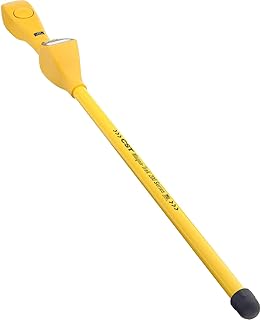
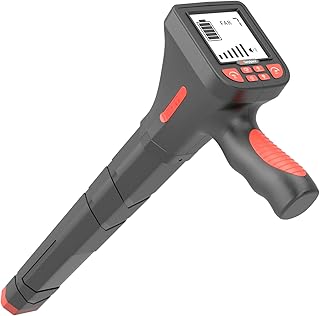
Pipe locators are specialised detection devices used to help identify the position, route or approximate depth of pipes and other buried infrastructure. They can be useful for plumbers, contractors, maintenance teams, utility professionals and property owners who need better information before drilling, digging, repairing or inspecting a pipe system. The Pipe Locators category on UseBuyOnline includes a broad selection of equipment, ranging from dedicated underground pipe detectors to 512Hz receivers, remote sondes, sewer cameras with locating capability and underground cable tracers.
The products listed in this category vary considerably in their intended applications. Some are designed to detect or trace pipe blockages through walls, floors or underground areas, while others work with a transmitter and receiver arrangement to locate a camera head or sonde inside a drain or pipeline. There are also products intended for detecting buried cables, water lines and gas supply paths. Choosing the correct type therefore starts with identifying what you need to locate and how the locating signal will be generated.
Types of Pipe Locators to Consider
512Hz Pipe Locators and Receivers
512Hz equipment is commonly represented in the category by receivers, locating wands, transmitters and sewer inspection systems. These products can be useful when a compatible 512Hz transmitter or sonde is placed inside a pipe or connected to inspection equipment. The receiver is then used above ground to help identify the position of the signal. When comparing these products, check frequency compatibility and whether the transmitter is included, because some receiver-only products require separate equipment.
Pipe Blockage and Wall Scanners
Pipe blockage detectors are another important group. Current category listings include devices described for PVC, ABS, plastic, metal and other pipe applications, with examples offering ranges expressed in metres or feet. These tools can be relevant when investigating a suspected blockage or tracing a pipe route through a wall, floor or underground area. Check the stated detection range, compatible materials, probe configuration and waterproof rating before purchase.
Sewer Cameras with Locating Functions
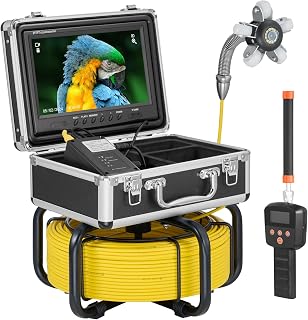
Some pipe locating systems combine inspection and locating capabilities. Sewer inspection cameras listed in this category include models with 512Hz locating functionality, waterproof camera assemblies, screens, lighting, distance counters and recording features. These systems can provide visual information inside a drain while a compatible locator helps identify the camera's position from above ground. They may be especially useful when inspection and location work need to be performed as part of the same task.
Underground Cable and Utility Locators
Some products extend beyond pipe detection into underground utility tracing. Listings include cable locators and wire trackers intended for applications involving buried wires, electrical circuits, irrigation systems, water supply paths and gas pipeline routes. If your project involves several types of buried infrastructure, review the product's stated detection capabilities carefully rather than assuming that every pipe locator can detect every material.
Key Features to Compare
Detection range is one of the first specifications to check. Category listings include equipment with ranges such as 20 metres, 30 metres, 40 metres and various measurements in feet. The quoted range is product-specific, so it should be treated as a stated capability rather than a guarantee of performance in every environment.
Frequency is another important consideration, particularly for locating equipment used with sewer cameras and sondes. Several products in this category use 512Hz systems. Make sure the receiver and transmitter are compatible before ordering. For blockage detectors and wall scanners, also check whether the equipment is intended for metal pipes, PVC, ABS or multiple pipe materials.
Water resistance and waterproof construction can matter when equipment is used around drains, sewers and damp environments. Some listed models specify waterproof or water-resistant construction, while certain sewer cameras use IP-rated camera components. Battery type, display design, probe quantity, receiver size, carrying case and included accessories can also influence day-to-day usability.
How to Choose a Pipe Locator
Start by identifying the utility or pipe you need to locate. For a sewer camera system, look for a receiver and transmitter combination with matching frequency requirements. For a blockage investigation, compare detection range and compatibility with the pipe materials involved. If your work involves buried electrical wires or multiple utility types, consider a dedicated underground cable or utility locator instead.
Next, consider the working environment. Indoor wall tracing, residential plumbing, underground drainage and larger utility projects can require different equipment. Portable receivers may be convenient for routine service work, while integrated sewer camera systems can provide both inspection footage and locating functionality. Canadian users should also consider how the equipment will be transported, stored and used in changing outdoor conditions.
Pipe Locator Buying Guide for Canadian Shoppers
When comparing products, pay attention to the exact contents of each listing. A receiver may be sold without a transmitter, while another system may include a sonde, camera, probe or accessories. Product measurements can appear in both metric and imperial formats, so Canadian shoppers should check the original specification carefully rather than comparing numbers without confirming the unit.
It is also useful to distinguish between locating a pipe and locating a blockage. A locator designed to trace a signal is not necessarily a diagnostic tool for identifying the nature of a clog. Likewise, a sewer inspection camera can provide visual information but may require a compatible locating transmitter and receiver to identify the camera's underground position. Matching the equipment to the actual task can help avoid buying an unsuitable device.
Safe Use of Pipe Locators
Pipe locating should be treated as an aid to utility identification rather than an automatic guarantee that an excavation area is clear. Follow applicable Canadian utility-location procedures and local requirements before digging. Use appropriate personal protective equipment and maintain awareness of surrounding hazards. Weather, soil conditions, interference and the characteristics of the buried utility can affect detection performance, so product instructions and professional locating practices should always be followed.
Find the Right Pipe Locator for Your Project
Whether you need a portable pipe blockage detector, a 512Hz receiver, a remote sonde, a sewer camera with locator or an underground cable tracing device, compare the intended application and specifications before purchasing. UseBuyOnline's Pipe Locators category brings together multiple types of locating equipment so Canadian shoppers can review available options according to detection method, range, compatibility, construction and included features.
Introduction
Find pipe locators designed to help identify underground pipes, sewer lines, water lines, cables and other buried utilities. The category includes portable pipe blockage detectors, 512Hz receivers and sondes, sewer inspection cameras with locating functions, magnetic locators and underground cable tracing equipment. For Canadian shoppers, compare detection method, compatible pipe materials, operating range, depth capability, waterproofing, frequency options and included accessories before choosing a locator for plumbing, construction, utility or maintenance work.
Frequently Asked Questions
What are pipe locators used for?
Pipe locators are used to help identify the position or route of underground pipes, sewer lines, water lines and, depending on the model, buried cables and other utilities. Some products are also designed for locating pipe blockages or tracking a sewer inspection camera.
What is a 512Hz pipe locator?
A 512Hz pipe locator system uses a 512Hz signal for locating compatible sondes, transmitters or sewer inspection equipment. Check that the receiver and transmitter or sonde use compatible specifications before purchasing.
Can pipe locators detect PVC pipes?
Some products in this category are specifically described for PVC or plastic pipes, while others are designed primarily for metallic utilities or signal-carrying systems. Always check the manufacturer's stated compatible materials and detection method for the individual product.
What is the difference between a pipe locator and a sewer camera?
A pipe locator is intended to help identify the position or route of a pipe, sonde or compatible transmitter. A sewer camera provides visual inspection inside a pipe. Some combined systems include a sewer camera and a locating transmitter so the camera's underground position can also be traced.
Do pipe locator receivers include a transmitter?
Not always. Some listings are for receivers or locating wands only, while other kits include a transmitter, sonde or integrated camera system. Check the package contents carefully before ordering.
What pipe locator range should I choose?
The appropriate range depends on the depth, distance and application involved. Category listings include models with different stated ranges, including examples measured in metres and feet. Compare the manufacturer's specified range with your expected working conditions.
Are pipe locators suitable for professional plumbing work?
Some pipe locators are specifically marketed for plumbers, electricians and contractors, while others are intended for more general detection tasks. Professional users should select equipment based on the required detection method, accuracy, range, compatibility and site conditions.
Frequently Asked Questions (FAQ)
❓ How are these Pipe Locators for Underground Pipe and Utility Detection options ranked?
Our custom data engine continuously scans product entries to verify high-performing items that carry a consistent rating above 4.2 stars, filtering out unreliable listings or items with artificial review jumps.
❓ Does clicking outbound links increase my checkout price?
Absolutely not. All generated product buttons use standard, secure commercial tracking tags. The item cost values reflect the official live marketplace catalog pricing identically.
❓ How often are the pricing deals updated on this page?
Our data tables utilize automated cache transients refreshed continuously throughout the week to fetch the freshest inventory nodes, live pricing metrics, and tracking structures.
❓ Are these products backed by standard consumer warranties?
Yes. Because our directory routes you directly to the verified official listing pages on Amazon, your purchases qualify for complete merchant protections, returns, and original brand manufacturing warranties.