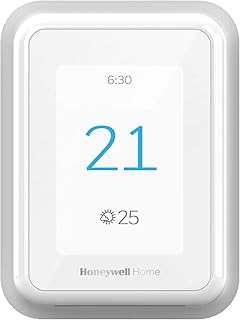
Best Smart Home Utilities for Connected Canadian Homes Products online Canada
Explore our real-time updated product directory index curated for performance, verified star metrics, and historical consumer trust rankings.
Verified Deal Selections
51 Items Indexed








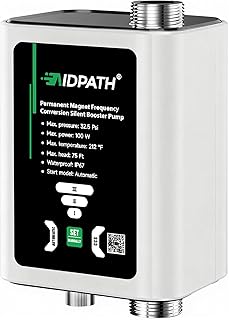


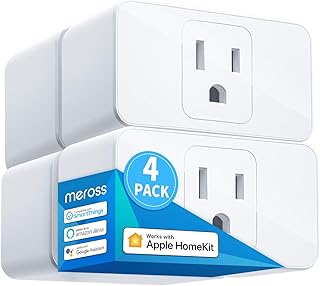


Smart home utilities bring connected technology into practical parts of everyday household life. Instead of focusing only on entertainment or security, this category covers useful devices that can help homeowners monitor, control, automate, and manage different areas of the home. For Canadian shoppers, smart home utilities can be especially useful when managing seasonal temperature changes, energy use, lighting routines, household access, and day-to-day tasks.
When shopping for smart home utilities in Canada, it is helpful to consider what you want a device to accomplish before choosing a product. Some connected devices are designed for monitoring, while others provide automated control. Depending on the product, smart utilities may connect through Wi-Fi, Bluetooth, Zigbee, Z-Wave, Matter, or another compatible smart home ecosystem. Checking compatibility before buying can help ensure that the device works with the technology already used in your home.
Practical Smart Home Solutions
Smart home utilities can cover a broad selection of household products. Common examples include smart plugs, connected switches, smart thermostatic controls, environmental monitors, water-leak sensors, temperature sensors, energy-monitoring devices, smart buttons, and other home automation accessories. Each type serves a different purpose, so shoppers can build a connected setup based on their specific household requirements.
Smart plugs are a simple option for adding connected control to compatible appliances and electronics. They can be useful for scheduled operation, remote control, or integrating everyday devices into an existing automation routine. Smart switches can provide another approach by connecting lighting or other compatible electrical controls to a smart home system.
Monitoring devices can also play an important role in a connected home. Temperature and humidity sensors can provide information about indoor conditions, while water-leak sensors can help identify moisture in areas where an unnoticed leak could cause problems. Energy-monitoring products can provide additional information about electricity consumption, depending on the device and installation requirements.
Choose Smart Utilities Based on Compatibility
Compatibility is one of the most important considerations when selecting smart home products. Before purchasing, check whether the device supports your preferred platform and connection method. Some products work with major voice-assistant ecosystems, while others may require a dedicated mobile application or smart hub. Matter-compatible products can be another option for shoppers looking for broader interoperability across supported smart home platforms.
Canadian shoppers should also pay attention to electrical specifications. For products that connect directly to household power, verify voltage, current ratings, plug type, certification information, and installation requirements. Products intended for permanent electrical installation may require professional installation or compliance with applicable Canadian electrical requirements. Always follow the manufacturer's instructions.
Smart Home Utilities for Canadian Homes
Canadian homes can have different smart-home requirements throughout the year. During colder months, connected temperature monitoring and compatible heating controls may help homeowners keep track of indoor conditions. In warmer periods, smart plugs, lighting controls, and other automation devices can support convenient household routines. These examples are not a guarantee of energy savings or performance, but they show how connected utilities can be selected around seasonal needs.
For renters, portable products such as smart plugs and wireless sensors may be more practical than permanent installations. Homeowners may have more flexibility to consider connected switches, thermostatic controls, and other installed solutions. The right choice depends on the property, existing electrical systems, household routines, and the level of automation desired.
Build a Connected Home Setup
A smart home does not need to be built all at once. Starting with one practical utility can make it easier to understand how connected devices work. For example, a shopper might begin with a smart plug or sensor and then expand into lighting, environmental monitoring, security, or other automation categories. Keeping devices within a compatible ecosystem can make future expansion simpler.
It is also worth considering app usability, connectivity range, power requirements, privacy settings, automation options, and ongoing support. Wireless devices may depend on reliable network coverage, while battery-powered sensors require periodic battery replacement or charging. Reading product specifications carefully can help shoppers select devices that suit their home rather than choosing solely on appearance or price.
Explore Smart Home Utilities Online
Whether you are improving a single room or creating a broader connected-home setup, smart home utilities offer practical ways to introduce automation and monitoring into everyday routines. Explore the available category options and compare specifications, compatibility, connectivity, installation requirements, and intended use before making a purchase. With the right combination of devices, Canadian households can create a connected environment that fits their routines and technology preferences.
Introduction
Make everyday home routines more connected with smart home utilities designed for convenience, control, monitoring, and automation. From practical sensors and connected controls to home-management accessories, explore smart devices that can fit modern Canadian households.
Frequently Asked Questions
What are smart home utilities?
Smart home utilities are connected household devices designed to support monitoring, automation, remote control, convenience, or home management. Examples can include smart plugs, sensors, connected switches, energy monitors, and other compatible home automation devices.
What smart home utilities are useful in Canada?
Useful options depend on the household. Temperature sensors, water-leak sensors, smart plugs, connected switches, energy-monitoring devices, and other automation accessories can address different home-management needs.
Do smart home utilities work with every smart home system?
No. Compatibility varies by product. Check the supported platforms, communication standards, mobile apps, hubs, and voice assistants before purchasing a smart home utility.
What is Matter compatibility for smart home devices?
Matter is a smart home connectivity standard intended to improve interoperability between compatible devices and supported smart home platforms. A Matter-compatible product may still have specific setup or feature requirements, so review its specifications before buying.
Are smart home utilities suitable for apartments and rentals?
Many portable devices, such as smart plugs and wireless sensors, can be suitable for rental properties because they generally require less permanent modification. Always check property rules and product installation requirements.
Should I check electrical specifications before buying smart home utilities?
Yes. For powered products, check voltage, current capacity, plug type, certification information, and installation requirements. Products requiring permanent electrical installation should be installed according to applicable requirements and manufacturer instructions.
Can smart home utilities help reduce energy use?
Some devices can provide monitoring, scheduling, or automated control that may help households manage energy use. Actual results depend on the device, appliances, settings, household behaviour, and other factors.
Frequently Asked Questions (FAQ)
❓ How are these Smart Home Utilities for Connected Canadian Homes options ranked?
Our custom data engine continuously scans product entries to verify high-performing items that carry a consistent rating above 4.2 stars, filtering out unreliable listings or items with artificial review jumps.
❓ Does clicking outbound links increase my checkout price?
Absolutely not. All generated product buttons use standard, secure commercial tracking tags. The item cost values reflect the official live marketplace catalog pricing identically.
❓ How often are the pricing deals updated on this page?
Our data tables utilize automated cache transients refreshed continuously throughout the week to fetch the freshest inventory nodes, live pricing metrics, and tracking structures.
❓ Are these products backed by standard consumer warranties?
Yes. Because our directory routes you directly to the verified official listing pages on Amazon, your purchases qualify for complete merchant protections, returns, and original brand manufacturing warranties.