

♥ Wishlist
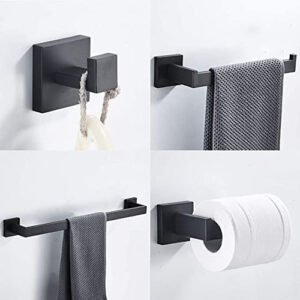
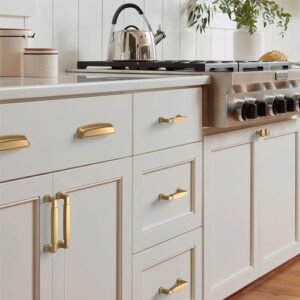
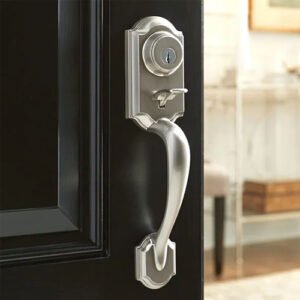

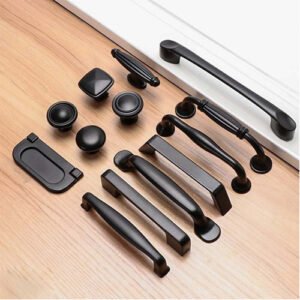



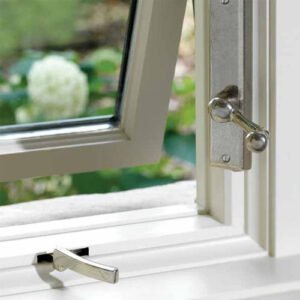


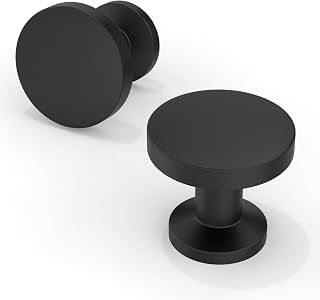


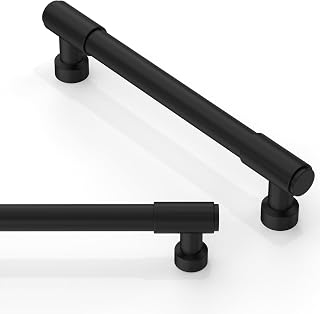


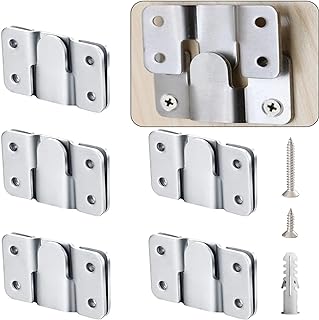


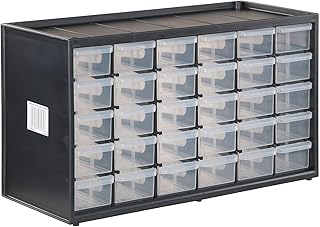


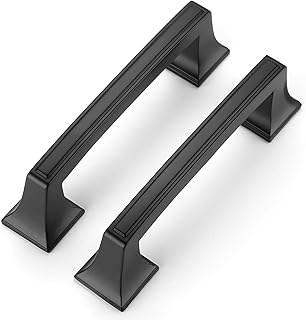


Hardware is a broad category covering the practical components and supplies used for building, repairing, maintaining, installing and improving everyday spaces. From home maintenance and furniture projects to workshop tasks and general DIY work, the right hardware can help you complete a project with greater convenience and confidence. This category brings together products that can support a wide range of practical needs, making it easier to explore options before choosing what fits your particular job.
Homeowners, renters, DIY enthusiasts and professionals may all have different hardware requirements. A simple repair could call for a small fastening component, while a furniture, renovation or installation project may require several complementary hardware products. When shopping online in Canada, consider the type of project, the material being worked with, the required dimensions and the intended environment before making a selection.
Hardware products can be useful for assembling, securing, connecting, mounting, repairing or replacing components. Depending on the specific product, they may be suitable for applications involving wood, metal, walls, furniture, fixtures or other common materials. Reviewing product specifications carefully can help you select an option that matches your intended use rather than choosing based only on appearance or price.
The best hardware choice depends on what you are trying to accomplish. For furniture assembly or repair, compatibility with existing components is important. For installation tasks, measurements, mounting requirements and the characteristics of the surface can affect which products are appropriate. For workshop and DIY projects, durability, ease of handling and suitability for repeated use may also influence your decision.
Before ordering, check dimensions and product details wherever they are provided. Canadian shoppers should also pay attention to measurement units, compatibility information and any installation requirements. If a project involves replacing an existing component, comparing the new product with the original size and configuration can reduce the chance of ordering an unsuitable item.
Regular home maintenance often involves small repairs and adjustments. Having suitable hardware available can make it easier to address routine projects around living areas, storage spaces, furniture and other household applications. Whether you are replacing a worn component or working on a new DIY project, selecting hardware designed for the intended application is an important part of the process.
For repair projects, consider the material, dimensions, load requirements and installation method involved. If the product will be exposed to moisture, outdoor conditions or frequent handling, check the available specifications to determine whether it is suitable for that environment. Matching the product to the application can help support reliable results.
DIY projects can vary from simple household improvements to detailed workshop builds. Hardware can provide the practical connection, mounting or fastening elements needed to bring these projects together. Planning your materials before beginning can help you identify which components are required and avoid unnecessary purchases.
For workshop use, think about frequency of use, storage, accessibility and compatibility with your existing tools or materials. For occasional home projects, straightforward products that match the required dimensions may be sufficient. Reading product descriptions and specifications is particularly useful when several similar options appear in an online category.
Online shopping makes it convenient to compare hardware products, but careful product evaluation remains important. Start with the intended application and then check dimensions, materials, compatibility, quantity and other listed specifications. If you are replacing an existing component, compare its measurements with the product information before placing an order.
Canadian shoppers may also want to consider the project location and seasonal conditions. Products intended for indoor use may have different requirements from hardware used in garages, workshops or outdoor areas. Where relevant, check whether the product is designed for the environment in which it will be installed or used.
For larger projects, creating a shopping list before purchasing can make the process more organised. Group products according to their purpose, such as fastening, mounting, joining, replacement or installation. Confirm quantities and dimensions before ordering, and consider whether additional compatible components may be needed to complete the project.
A well-planned hardware purchase can reduce interruptions during installation or repair work. Instead of selecting products solely because they look similar, use the project requirements and manufacturer-provided specifications as the main reference points. This approach can make online hardware shopping more precise and practical.
Whether you are maintaining a home, repairing furniture, preparing a workshop project or tackling a DIY improvement, hardware selection starts with understanding the job. Explore the available category options, compare relevant specifications and choose products that match your materials, measurements and intended application.
Find practical hardware products for repairs, maintenance, installation, building and DIY projects. Whether you are completing a small household task or preparing for a larger project, explore hardware options online with Canadian shoppers in mind.