
Best Furniture Hardware for Repairs, Builds & Furniture Upgrades Products online Canada
Explore our real-time updated product directory index curated for performance, verified star metrics, and historical consumer trust rankings.
Verified Deal Selections
64 Items Indexed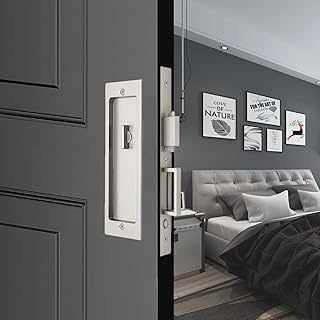


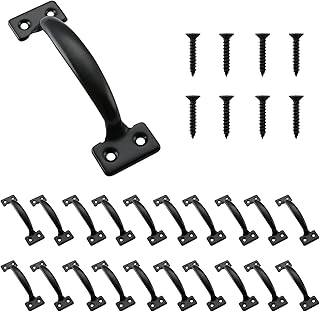


Furniture hardware includes the functional components used to assemble, secure, repair, support or enhance furniture. These small parts can have an important role in how a cabinet door opens, how a shelf is supported, how two panels are joined or how a piece of furniture is secured during assembly. For Canadian homeowners, renters, DIY enthusiasts and furniture makers, choosing suitable hardware can make repairs and projects easier while helping furniture remain practical and dependable.
Depending on the project, furniture hardware can include hinges, brackets, corner braces, screws, bolts, nuts, connectors, handles, knobs, drawer fittings, mounting plates and other joining or support components. Each type serves a different purpose, so it is useful to identify the furniture application before choosing a replacement or new fitting. A cabinet door may require a suitable hinge, while a shelving project may need brackets that match the shelf size and mounting surface.
Furniture Hardware for Repairs and Replacements
Replacing a damaged or missing component can often be a straightforward way to extend the useful life of furniture. Before ordering replacement hardware, check the dimensions, mounting points, hole spacing, material requirements and style of the existing component. Taking measurements first can help reduce the chance of choosing a fitting that does not align with the original furniture.
Replacement hardware is useful for cabinets, wardrobes, dressers, desks, cupboards, shelving units, tables and other household furniture. When replacing an existing part, comparing the new component with the original can help confirm compatibility. For visible pieces such as cabinet handles and knobs, appearance can also matter, particularly when updating furniture without replacing the entire item.
Hardware for Furniture Assembly and DIY Builds
Furniture hardware also plays an important role in new builds and DIY projects. Fasteners and connectors help join panels and structural components, while brackets and braces can provide additional support where required. For custom furniture, consider the thickness and material of the panels, the intended load, the mounting surface and the location of each fitting before selecting hardware.
For home projects, it can be helpful to organise hardware by application before beginning assembly. Separating screws, connectors, brackets and other components can make installation more efficient and reduce the risk of using an unsuitable fastener. Always follow the instructions supplied with the furniture or hardware and use appropriate installation equipment for the material involved.
Cabinet Hinges, Handles and Furniture Fittings
Cabinet and storage furniture often relies on several types of hardware working together. Hinges allow doors to open and close, while handles and knobs provide a convenient grip. Mounting plates, catches and other fittings may also be used depending on the design. When selecting replacement parts, pay attention to the existing configuration rather than relying only on the appearance of the hardware.
For a furniture refresh, changing visible hardware such as knobs or handles can create a noticeable design change without replacing the complete piece. Neutral, contemporary or traditional hardware can be selected according to the surrounding furniture and room style. Measurements remain important, particularly when replacing handles with existing drilled holes.
Brackets, Fasteners and Support Hardware
Brackets and fasteners are commonly used to connect or support furniture components. Corner braces can reinforce joints, while shelf brackets can provide support for shelving applications. Screws, bolts and other fasteners should be selected according to the material, dimensions and intended use of the project. The correct installation method is equally important for achieving a secure result.
For Canadian homes, furniture hardware can be useful across bedrooms, kitchens, living rooms, home offices, garages and utility areas. Whether you are repairing a favourite piece, assembling furniture or working on a custom project, checking compatibility before purchase can help you select components that fit the intended application.
How to Choose the Right Furniture Hardware
Start by identifying what the hardware needs to do. Determine whether you need a joining component, support bracket, hinge, handle, drawer fitting or replacement fastener. Measure the relevant furniture component and check hole spacing, screw size, thickness and mounting requirements. For visible hardware, consider finish, shape and overall style as well.
It is also important to consider the furniture material and environment. Hardware used on a lightweight indoor cabinet may have different requirements from hardware supporting a heavier structure. For projects exposed to moisture or changing conditions, check whether the selected hardware is intended for that environment. Reviewing product specifications and installation requirements before purchasing can help ensure the hardware is appropriate for the job.
Explore furniture hardware for practical repairs, furniture assembly, cabinet updates and DIY projects. By matching each component to the furniture design, dimensions and intended application, you can make more informed purchasing decisions and complete projects with greater confidence.
Introduction
Find practical furniture hardware for building, repairing, assembling and updating furniture around your home or workspace. From hinges and brackets to fasteners, handles and other fittings, the right hardware can help create secure connections and improve the function of cabinets, tables, wardrobes, shelving and other furniture projects. Explore furniture hardware with Canadian shoppers in mind, whether you are completing a DIY project, replacing worn components or making a simple furniture upgrade.
Frequently Asked Questions
What is furniture hardware?
Furniture hardware refers to components used to assemble, join, support, repair or enhance furniture. Common examples include hinges, brackets, fasteners, handles, knobs and connectors.
What furniture can use furniture hardware?
Furniture hardware can be used with cabinets, wardrobes, dressers, desks, tables, shelving units, cupboards and many DIY furniture projects. The correct component depends on the furniture design and application.
How do I choose replacement furniture hardware?
Compare the replacement part with the original and check dimensions, mounting points, hole spacing, material compatibility and installation requirements before purchasing.
Can furniture hardware be used for DIY projects?
Yes. Brackets, fasteners, connectors, hinges and other fittings can be useful for DIY furniture construction, repairs and modifications when they are suitable for the materials and intended application.
What should I measure before buying furniture hardware?
Depending on the product, useful measurements can include overall length and width, thickness, screw size, hole spacing, mounting depth and the dimensions of the furniture component being repaired or assembled.
Can changing furniture hardware update the look of furniture?
Yes. Replacing visible items such as cabinet handles, drawer pulls or knobs can change the appearance of furniture without replacing the entire piece.
Does furniture hardware need to match the furniture material?
The hardware should be appropriate for the furniture material and installation method. Always check the product specifications and recommended mounting method before installation.
Frequently Asked Questions (FAQ)
❓ How are these Furniture Hardware for Repairs, Builds & Furniture Upgrades options ranked?
Our custom data engine continuously scans product entries to verify high-performing items that carry a consistent rating above 4.2 stars, filtering out unreliable listings or items with artificial review jumps.
❓ Does clicking outbound links increase my checkout price?
Absolutely not. All generated product buttons use standard, secure commercial tracking tags. The item cost values reflect the official live marketplace catalog pricing identically.
❓ How often are the pricing deals updated on this page?
Our data tables utilize automated cache transients refreshed continuously throughout the week to fetch the freshest inventory nodes, live pricing metrics, and tracking structures.
❓ Are these products backed by standard consumer warranties?
Yes. Because our directory routes you directly to the verified official listing pages on Amazon, your purchases qualify for complete merchant protections, returns, and original brand manufacturing warranties.