
Best Rock Tumblers for Polishing Stones & Gems Products online Canada
Explore our real-time updated product directory index curated for performance, verified star metrics, and historical consumer trust rankings.
Verified Deal Selections
25 Items Indexed


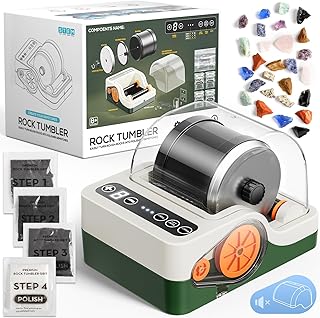


Explore Rock Tumblers for Stone Polishing
Rock tumblers are designed to transform rough, uneven stones into smoother and more polished pieces through controlled abrasion. A typical tumbler uses a barrel or bowl, rocks, abrasive grit and water, while the machine provides the movement needed to gradually wear down sharp edges and surface imperfections. For Canadian shoppers, choosing the right rock tumbler depends on the type and quantity of material you want to process, available workspace, preferred tumbling method and whether you are starting a hobby or looking for equipment for more frequent use.
The rock tumblers available in this category include options aimed at beginners, children with adult supervision, hobbyists, collectors and more experienced users. Some listings are supplied as complete kits with rocks, gemstones, grit or other accessories, while others focus on the tumbler itself. Comparing what is included can help you avoid purchasing supplies separately when you are ready to begin your first batch.
Choose Between Rotary and Vibratory Rock Tumblers
Rotary rock tumblers use a rotating barrel to continuously move stones and abrasive material. This traditional approach can gradually round rough stones while smoothing their surfaces. Rotary models are available in different capacities, including compact units for smaller batches and larger designs intended for users who want to process more material at once. They can be useful for general rock tumbling, gemstone projects, collecting and craft applications.
Vibratory rock tumblers use vibration rather than continuous barrel rotation. The movement can polish material while generally preserving more of the original shape and edges than a conventional rotary process. Vibratory models may therefore appeal to users who have particular finishing requirements or who want a different approach to polishing stones.
What to Look for When Buying a Rock Tumbler
Capacity and Barrel Size
Capacity is one of the first specifications to consider. Smaller tumblers can be practical for beginners, limited batches and hobby spaces, while larger-capacity machines can accommodate more material. Check the manufacturer's stated capacity and understand whether it refers to the barrel's total capacity or the recommended load before comparing models.
Motor and Operating Controls
The motor and drive system determine how the tumbler moves its barrel or produces vibration. Some modern rock tumblers include adjustable speed settings, digital controls, memory functions or programmable timers. A timer can be particularly convenient when a tumbling stage needs to run for an extended period without constant manual monitoring.
Noise Reduction
Rock tumbling can involve extended operating periods, so noise is an important consideration for many home users. Some models feature rubber barrels, covers, enclosed designs or other noise-reduction features. If the tumbler will operate in a shared living area, workshop or home environment, compare the product's stated noise-control features before purchasing.
Complete Tumbler Kits
A complete rock tumbler kit can be a convenient starting point because it may combine the machine with rough stones, gemstones, polishing grit and other supplies. Kits can be especially useful for beginners who want a ready-to-start project. Always check the individual listing to confirm exactly which accessories and consumables are included.
Rock Tumblers for Beginners, Hobbyists and Collectors
Beginners often benefit from straightforward controls, manageable capacity and a kit that includes the basic materials needed for an initial project. Families and educators may also look for rock tumbler kits that combine hands-on activity with lessons about rocks, minerals, abrasion and geological processes. Adult supervision is important when children are involved, particularly when handling machinery, abrasive grit or small components.
Experienced hobbyists may prioritise capacity, durability, motor design, adjustable controls and compatibility with different tumbling media. Collectors can also consider whether a rotary or vibratory process better suits the stones they want to finish. Comparing several specifications rather than focusing only on price can make it easier to select equipment that matches your intended workload.
Rock Tumbler Accessories and Supplies
Successful tumbling requires more than the machine itself. Abrasive grit is normally used in stages, moving from coarser material toward finer polishing media as the stones progress through the process. Water is also commonly used with the abrasive material to create the working slurry. Some kits include several grades of grit, while others require supplies to be purchased separately.
Additional rocks, gemstones and replacement tumbling media can help extend the usefulness of a tumbler. Before buying accessories, check the manufacturer's recommendations for compatible materials, barrel size and operating procedure. Using appropriate supplies and following the instructions supplied with the machine can help support consistent results.
Using a Rock Tumbler Safely
Place a rock tumbler on a stable, level surface and follow the manufacturer's operating instructions. Keep abrasive grit away from eyes and avoid inhaling dust generated by dry materials. Work in a suitable, well-ventilated area when handling dusty materials, and use appropriate protective equipment where recommended. Electrical components should be kept away from unintended water exposure, and children should use rock tumblers only with suitable adult supervision.
Find the Right Rock Tumbler in Canada
Whether you are polishing collected stones, exploring a new lapidary hobby, creating materials for crafts or looking for an educational activity, rock tumblers offer a practical way to experiment with stone finishing. Compare rotary and vibratory designs, capacity, controls, noise-reduction features, included accessories and replacement-supply requirements before making a purchase. For Canadian shoppers, reviewing the complete product listing and current seller information can also help you understand availability, pricing and what is included with each option.
Introduction
Explore rock tumblers for turning rough stones and gemstones into smooth, polished pieces. Compare rotary and vibratory models, tumbler kits, capacities, polishing features and useful accessories for hobbies, collecting, crafts and educational projects.
Frequently Asked Questions
What is a rock tumbler used for?
A rock tumbler is used to smooth and polish rough stones and gemstones through controlled abrasion. Depending on the machine and process, tumbling can create smoother, rounded and more polished pieces suitable for collecting, crafts, jewellery projects and decorative uses.
What is the difference between a rotary and vibratory rock tumbler?
A rotary tumbler moves stones by rotating a barrel, while a vibratory tumbler uses vibration to move the material in a bowl or container. Rotary tumbling is commonly associated with rounding and smoothing stones, while vibratory tumbling can provide a different finishing approach and may preserve more of a stone's original shape.
Are rock tumbler kits good for beginners?
Complete rock tumbler kits can be convenient for beginners because some include the tumbler together with rough rocks, gemstones, grit and other starter supplies. Check each product listing carefully because kit contents vary between models.
What size rock tumbler should I choose?
The appropriate size depends on how much material you plan to tumble and how frequently you expect to use the machine. Smaller capacities can suit beginners and small batches, while larger barrels can be useful for processing greater quantities. Always compare the manufacturer's recommended load and capacity specifications.
Do rock tumblers need polishing grit?
Yes, abrasive grit or suitable polishing media is normally an essential part of the rock-tumbling process. Different stages commonly use progressively finer abrasive materials. Some complete kits include multiple grades, while other tumblers require grit to be purchased separately.
Are rock tumblers noisy?
Noise levels vary by design, motor, barrel and construction. Some rock tumblers include rubber barrels, covers or other noise-reduction features. If noise is important for your setup, compare the model's stated noise-control features before purchasing.
Can children use rock tumblers?
Some rock tumbler kits are marketed for children and educational activities, but adult supervision is important. Children should follow the manufacturer's instructions and should not handle machinery, abrasive grit or small components without appropriate supervision.
Frequently Asked Questions (FAQ)
❓ How are these Rock Tumblers for Polishing Stones & Gems options ranked?
Our custom data engine continuously scans product entries to verify high-performing items that carry a consistent rating above 4.2 stars, filtering out unreliable listings or items with artificial review jumps.
❓ Does clicking outbound links increase my checkout price?
Absolutely not. All generated product buttons use standard, secure commercial tracking tags. The item cost values reflect the official live marketplace catalog pricing identically.
❓ How often are the pricing deals updated on this page?
Our data tables utilize automated cache transients refreshed continuously throughout the week to fetch the freshest inventory nodes, live pricing metrics, and tracking structures.
❓ Are these products backed by standard consumer warranties?
Yes. Because our directory routes you directly to the verified official listing pages on Amazon, your purchases qualify for complete merchant protections, returns, and original brand manufacturing warranties.