Best Tiller Cultivators for Garden and Soil Preparation in Canada Products online Canada
Explore our real-time updated product directory index curated for performance, verified star metrics, and historical consumer trust rankings.
Explore Sub-Collections
1 Sections FoundVerified Deal Selections
27 Items Indexed




Choose a Tiller Cultivator for Canadian Gardens
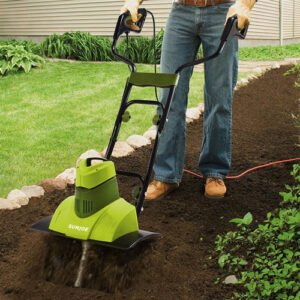
A tiller cultivator can be a useful addition to a garden toolkit when soil needs to be loosened, mixed or prepared for planting. These machines use rotating tines to work through the soil, helping break apart compacted areas and incorporate suitable amendments. For Canadian shoppers, the right choice depends on garden size, soil conditions, available storage and how often the machine will be used.
Understand the Difference Between Tilling and Cultivating
The terms tiller and cultivator are often used interchangeably, but they can describe machines intended for somewhat different jobs. Cultivators are commonly used for lighter work between established planting areas, while larger tillers can be designed to break up harder or previously unworked soil. Consider the condition of your garden before choosing a machine. A small cultivator may be practical for maintaining established beds, while a more substantial tiller can be useful when preparing larger areas.
Consider Tilling Width and Depth
Tilling width affects how quickly you can cover an area. A narrower machine can be easier to manoeuvre around existing plants and in smaller garden beds. Wider models may cover more ground with each pass and can be suitable for larger plots. Tilling depth is also important because different gardening tasks require different levels of soil disturbance. Look for adjustable settings when you want greater control over the working depth.
Compare Power Options
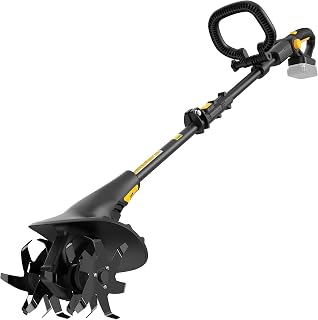
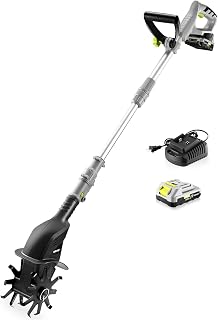
Tiller cultivators can use different power systems, including electric and petrol-powered designs. Electric models can be convenient for residential gardens where access to power is suitable, while battery-powered options can provide cordless operation without requiring a petrol engine. Petrol tillers may be considered for larger or more demanding jobs where longer operating flexibility is important. When comparing options, consider runtime, charging requirements, fuel needs, maintenance and the size of the area you plan to cultivate.
Match the Machine to Your Soil
Garden soil can vary considerably across Canada. Some areas may have loose, workable soil, while other gardens can contain compacted clay, roots, stones or dense ground. Soil condition should therefore be part of your buying decision. Check the manufacturer's specifications for the intended application and operating conditions. Avoid assuming that a compact cultivator will perform the same way as a larger tiller in difficult ground.
Features to Check Before Buying
Practical features can make a noticeable difference during garden work. Adjustable tilling width and depth can provide greater flexibility for different beds. Forward and reverse functions may help with positioning and manoeuvring. Transport wheels can make moving the machine between storage and the garden easier. Also consider handle design, controls, tine configuration, overall weight and available safety features.
Think About Storage and Seasonal Use
Canadian gardening equipment may be used seasonally, so storage requirements are worth considering before purchase. Measure your available storage area and check the machine's dimensions. A compact model may be easier to store in a garage or shed. If the tiller needs to be transported regularly, weight and portability can also influence which option is practical.
Shop Tiller Cultivators in Canada
When comparing tiller cultivators, focus on the work you need the machine to perform rather than choosing solely by size or power rating. Review working width, tilling depth, power source, operating controls and manufacturer specifications. Consider your garden layout and soil conditions as well. A suitable tiller cultivator can help simplify soil preparation and routine garden maintenance throughout the growing season.
Use Your Tiller Cultivator Responsibly
Always read the manufacturer's instructions before operating a tiller cultivator. Wear appropriate protective equipment and keep people, pets and obstacles away from the working area. Inspect the machine before use and follow the recommended maintenance procedures. Never work beyond the machine's specified capabilities. Proper operation and storage can help support reliable use over time.
Frequently Asked Questions
What is a tiller cultivator used for?
A tiller cultivator is used to loosen, break up and cultivate soil. It can help prepare garden beds and planting areas before sowing or planting.
What size tiller cultivator should I choose?
The appropriate size depends on your garden area, soil condition and the type of work required. Smaller models can be easier to manoeuvre in compact beds, while larger machines can cover more ground.
Are electric tiller cultivators suitable for home gardens?
Electric models can be suitable for many residential gardens. Check the machine's working capacity, power requirements and the size of the area you intend to cultivate.
Should I choose a battery or petrol tiller?
Battery models offer cordless operation and avoid petrol storage, while petrol models can provide longer operating flexibility for demanding jobs. Compare runtime, power requirements, maintenance and garden size before choosing.
What tilling width is best for vegetable gardens?
A narrower working width can be useful when cultivating between established rows or working in smaller beds. Larger gardens may benefit from a wider working width for faster coverage.
Can a tiller cultivator work in hard soil?
Some tillers are designed for more demanding soil preparation than compact cultivators. Check the manufacturer's specifications and recommended soil conditions before using a machine on hard, compacted or stony ground.
What should I check before operating a tiller cultivator?
Read the operating instructions, inspect the machine, check the tines and controls, clear the working area and use the protective equipment recommended by the manufacturer.
Frequently Asked Questions (FAQ)
❓ How are these Tiller Cultivators for Garden and Soil Preparation in Canada options ranked?
Our custom data engine continuously scans product entries to verify high-performing items that carry a consistent rating above 4.2 stars, filtering out unreliable listings or items with artificial review jumps.
❓ Does clicking outbound links increase my checkout price?
Absolutely not. All generated product buttons use standard, secure commercial tracking tags. The item cost values reflect the official live marketplace catalog pricing identically.
❓ How often are the pricing deals updated on this page?
Our data tables utilize automated cache transients refreshed continuously throughout the week to fetch the freshest inventory nodes, live pricing metrics, and tracking structures.
❓ Are these products backed by standard consumer warranties?
Yes. Because our directory routes you directly to the verified official listing pages on Amazon, your purchases qualify for complete merchant protections, returns, and original brand manufacturing warranties.