
Best Range Hoods for Kitchen Ventilation Products online Canada
Explore our real-time updated product directory index curated for performance, verified star metrics, and historical consumer trust rankings.
Verified Deal Selections
17 Items Indexed
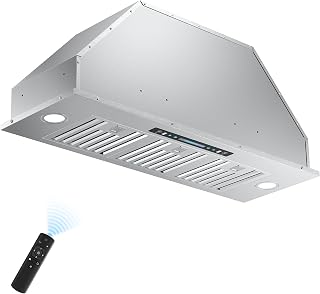


Choose the Right Range Hood for Your Kitchen
A range hood is an important part of kitchen ventilation, helping move cooking fumes, steam, smoke, grease, and odours away from the cooking area. Whether you are updating a compact apartment kitchen, renovating a family kitchen, or planning a new cooking space, choosing the right range hood involves more than appearance. The hood should work with the size and layout of your cooking surface, the available installation space, and the way you prepare food.
Range Hood Styles to Consider
Kitchen layouts vary considerably, so range hoods are available in several configurations. Under-cabinet hoods are designed to fit beneath kitchen cabinets and can be useful where space is limited. Wall-mounted hoods can provide a prominent ventilation solution above a cooking range while also contributing to the overall kitchen design. Island-style hoods are intended for cooking surfaces positioned away from a wall and can become a central visual feature in an open kitchen.
Other configurations may suit kitchens where the ventilation equipment needs to be integrated into existing cabinetry or a particular architectural arrangement. When comparing styles, consider the position of your range or cooktop, cabinet dimensions, available clearance, ducting arrangements, and the visual appearance you want to achieve.
What to Look for When Buying a Range Hood
Size and Coverage
Start by checking the dimensions of your cooking surface and the available space for the hood. A hood that is appropriately sized for the cooking area can provide more effective coverage. Measure the installation area carefully before choosing a model, especially when replacing an existing hood or fitting ventilation into established cabinetry.
Ventilation Type
Range hoods may use ducted or recirculating ventilation depending on the product and kitchen setup. Ducted systems move air outside through suitable ductwork, while recirculating designs filter air and return it to the room. Your home's layout, existing ventilation infrastructure, and installation requirements can determine which approach is practical.
Filters
Filters help capture grease and other particles produced during cooking. Look for a design that makes filter removal and cleaning manageable. Regular maintenance can help keep the ventilation system working as intended and can also reduce the accumulation of cooking residue.
Noise and Controls
Noise level can matter when the kitchen connects directly to a dining or living area. Compare available fan settings and control arrangements if quiet operation is important to you. Depending on the model, controls may include buttons, switches, touch controls, or other interfaces. Choose a control layout that feels convenient for everyday cooking.
Range Hoods for Different Canadian Kitchens
Canadian homes include a wide variety of kitchen layouts, from smaller condominium kitchens to spacious open-plan rooms. For compact spaces, an under-cabinet configuration can make efficient use of existing cabinetry. Larger kitchens may accommodate wall-mounted or island designs that combine ventilation with a stronger visual presence.
If you frequently fry, grill, sauté, or cook foods that generate noticeable smoke and odours, ventilation performance should be a major consideration. If your cooking is lighter and your kitchen has other ventilation provisions, a different configuration may be sufficient. Consider your actual cooking habits rather than choosing solely on appearance.
Installation Considerations
Before purchasing a range hood, check the product dimensions, mounting requirements, electrical requirements, ventilation configuration, and recommended installation clearances. Existing ductwork can influence which products are suitable for a replacement project. If the installation involves electrical work, structural changes, or new ducting, professional installation may be appropriate.
Always follow the manufacturer's installation instructions and local requirements. The correct positioning of the hood above the cooking surface is important for effective operation and safe installation. Confirm measurements before ordering to avoid compatibility problems.
How to Compare Range Hoods Online
When shopping online, compare the specifications rather than relying only on product photographs. Review the hood's dimensions, ventilation method, filter design, controls, fan settings, installation style, and other listed features. Pay attention to measurements in centimetres, millimetres, or inches as provided and compare them with your available kitchen space.
It can also help to consider cleaning requirements and replacement filter availability over the long term. A visually appealing range hood should also be practical for your daily cooking routine. By comparing installation requirements and functional features together, Canadian shoppers can narrow down the options that fit both their kitchen and their needs.
Make Kitchen Ventilation Part of Your Renovation Plan
A range hood should be considered alongside your cooktop or range, cabinets, backsplash, lighting, and overall kitchen layout. Planning these elements together can help create a more cohesive installation and reduce the possibility of discovering space or ventilation limitations later in a renovation.
Whether you are replacing an older hood or selecting ventilation for a new kitchen, focus on dimensions, installation compatibility, ventilation approach, maintenance, controls, and everyday usability. Explore the available range hoods to compare options and find a configuration that works with your Canadian kitchen.
Introduction
Explore range hoods designed to help manage cooking smoke, steam, odours, grease, and airborne particles in the kitchen. Compare different hood styles, sizes, ventilation approaches, and features to find an option that suits your cooking habits and kitchen layout in Canada.
Frequently Asked Questions
What is the purpose of a range hood?
A range hood helps manage smoke, steam, grease, cooking odours, and airborne particles generated while preparing food. Depending on its ventilation design, it may exhaust air outside or filter and recirculate it.
How do I choose the right range hood size?
Compare the hood dimensions with the width and layout of your cooking surface and the available installation space. Always check the product's specified dimensions and installation requirements before purchasing.
What is the difference between ducted and recirculating range hoods?
Ducted range hoods move air outside through ductwork, while recirculating models filter the air before returning it to the kitchen. The suitable option depends on the kitchen's layout, existing infrastructure, and installation requirements.
Are under-cabinet range hoods suitable for small kitchens?
Under-cabinet range hoods can be practical where the cooking area is positioned beneath existing cabinets and available space is limited. Check the hood dimensions and cabinet configuration for compatibility.
How often should a range hood filter be cleaned?
Cleaning frequency depends on cooking habits and the filter design. Homes where frying and high-heat cooking are frequent may require more regular cleaning. Follow the manufacturer's maintenance instructions for the specific product.
What should I check before installing a range hood?
Check the product dimensions, mounting method, electrical requirements, ventilation type, ducting arrangements, and required clearances. Follow the manufacturer's installation instructions and applicable local requirements.
How can I reduce range hood noise?
Compare the available fan settings and listed noise specifications when provided. Selecting a hood with operating settings appropriate for your cooking needs can help balance ventilation performance and noise.
Frequently Asked Questions (FAQ)
❓ How are these Range Hoods for Kitchen Ventilation options ranked?
Our custom data engine continuously scans product entries to verify high-performing items that carry a consistent rating above 4.2 stars, filtering out unreliable listings or items with artificial review jumps.
❓ Does clicking outbound links increase my checkout price?
Absolutely not. All generated product buttons use standard, secure commercial tracking tags. The item cost values reflect the official live marketplace catalog pricing identically.
❓ How often are the pricing deals updated on this page?
Our data tables utilize automated cache transients refreshed continuously throughout the week to fetch the freshest inventory nodes, live pricing metrics, and tracking structures.
❓ Are these products backed by standard consumer warranties?
Yes. Because our directory routes you directly to the verified official listing pages on Amazon, your purchases qualify for complete merchant protections, returns, and original brand manufacturing warranties.