

♥ Wishlist















![SuperHandy Foldable Mobility Scooter - 4-Wheel, Lightweight, 48V 2Ah Li-Ion Battery, Adjustable Comfort, Flat-Free Tires, 330lbs Capacity [Patent Pending] SuperHandy Foldable Mobility Scooter - 4-…](https://m.media-amazon.com/images/I/71hojtlLyLL._AC_SR160,134_CB1169409_QL70_.jpg)
![SuperHandy Mobility Scooter Explorer – 4 Wheels, 500W Brushless Motor, 48V-2Ah/4Ah Battery, 350LBS Capacity, 5mph Top Speed, Lightweight Aluminum 50lb Frame [Patent Pending] SuperHandy Mobility Scooter Explorer – 4…](https://m.media-amazon.com/images/I/71ojndV6ssL._AC_SR160,134_CB1169409_QL70_.jpg)

Mobility and daily living aids are designed to help people manage movement, transportation and everyday routines with greater convenience. For Canadian shoppers, choosing an appropriate product often starts with understanding where and how it will be used. A compact mobility scooter may suit short trips and travel, while a rollator or walker can be useful when walking support is the primary consideration. Wheelchairs and powered mobility products provide other options for people who require seated mobility.
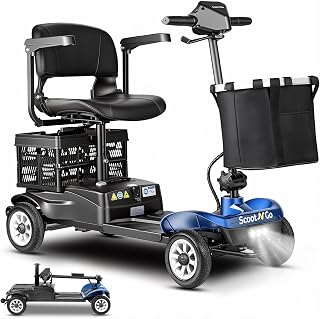
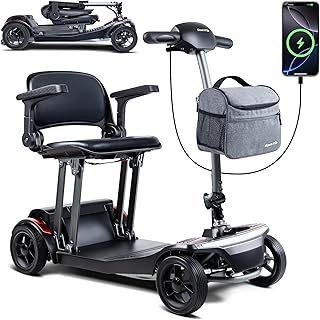
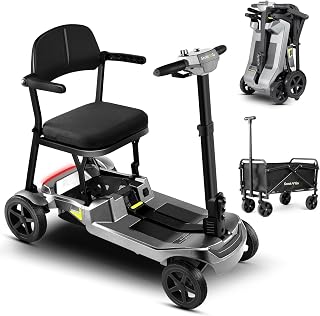
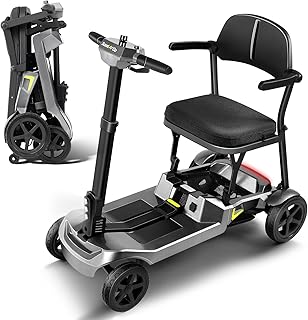
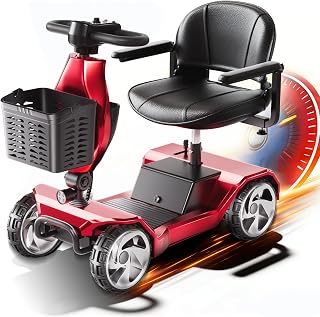
The Mobility Daily Living Aids category includes a range of products intended for adults and seniors. Mobility scooters are available in different configurations, including three-wheel and four-wheel designs, foldable travel models and heavier-duty options. Features can vary by product, so shoppers should review dimensions, battery specifications, maximum supported weight, wheel configuration and portability before making a purchase.
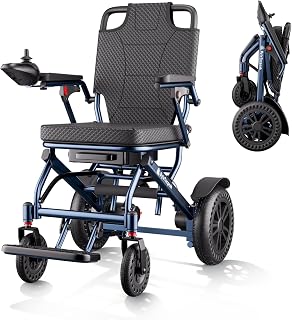
For people who need seated mobility, wheelchairs and electric wheelchair-style products can provide an alternative to walking for suitable situations. Depending on the design, features may include folding frames, powered operation, adjustable seating and travel-oriented construction. Before choosing one, consider the user's mobility requirements, available storage space, transportation arrangements and the surfaces where the product will be used.
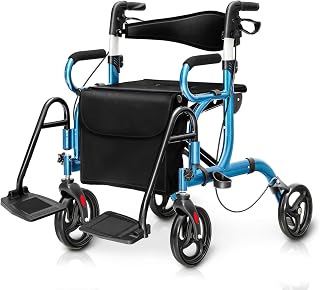
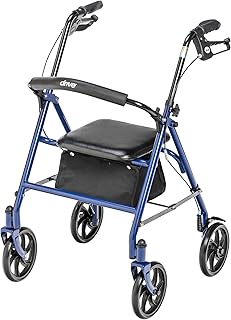
Walkers and rollators are another important part of everyday mobility. A traditional walker can provide a stable support structure for walking, while a rollator uses wheels to make movement easier for users who can walk but benefit from additional support. Many rollators include seats, allowing the user to take a break during longer outings or while completing daily activities.
When comparing walkers and rollators, pay attention to handle height, frame dimensions, wheel size, seat design, folding capability and weight capacity. A properly sized aid should suit the user's body and intended environment. For outdoor use, wheel design and overall manoeuvrability can be especially important, while a compact frame may be preferable when storage space is limited.
Mobility support is not limited to scooters, wheelchairs and walking aids. Daily living aids can also help with routine activities around the home. Products such as toilet safety rails and other support equipment can be useful for people who need additional stability when completing everyday tasks. The right choice depends on the user's specific needs, the room where the product will be installed or used and the available space.
For safety-related products, always check the manufacturer's installation instructions, weight limits and compatibility requirements. Measurements matter when purchasing equipment for bathrooms, hallways, vehicles and other confined areas. Taking measurements before ordering can help reduce the risk of choosing a product that does not fit the intended location.
Start by identifying the main purpose of the product. If the priority is independent outdoor travel, compare mobility scooters according to range, portability, seating, wheel configuration and terrain suitability. If walking assistance is the main requirement, compare walkers and rollators according to stability, adjustability, wheel size and whether a built-in seat is useful.
Weight and dimensions are also important. Check both the user's requirements and the product's listed capacity. For products that need to be transported, look at folded dimensions, product weight and whether the frame or battery can be separated for easier handling. Canadian shoppers should also consider the storage environment, seasonal conditions and the practical requirements of transporting a mobility product by vehicle.
Two mobility aids can look similar while offering very different specifications. Compare measurable details such as maximum weight capacity, battery type, charging requirements, dimensions, wheel configuration, seat measurements, frame material and adjustability. For powered products, review the stated speed, range and charging information rather than relying on general product descriptions.
Portability can be particularly important for Canadian households with limited storage or for users who regularly travel. Foldable mobility scooters and compact rollators may be easier to store, while larger heavy-duty designs may provide different capacity and construction characteristics. The best match depends on the user's circumstances rather than a single feature.
Think about where the aid will be used most often. Indoor spaces may require a compact turning radius and manageable dimensions. Outdoor use may call for larger wheels, stronger frames or a design intended for a wider range of surfaces. Travel use can make folding capability, product weight and removable components more significant.
Mobility and daily living aids should support practical everyday use without creating unnecessary handling difficulties. Review the complete specifications and operating instructions before purchase, and seek professional advice when an individual's mobility requirements are complex or when a medical or rehabilitation professional has recommended specific equipment.
Use this category to compare mobility-focused products and everyday support equipment in one place. Whether you are researching a mobility scooter for local travel, a wheelchair for seated mobility, a rollator for walking support or a practical safety aid for home use, focus on specifications that match the intended user and environment. Checking dimensions, capacity, portability and operating requirements can make the shopping process more straightforward.
For Canadian shoppers, product availability, delivery details, warranty information and seller policies should also be reviewed before ordering. By combining the user's needs with the product's measurable specifications, you can narrow the available choices and select a mobility or daily living aid that fits the intended routine.
Finding the right mobility and daily living aids can make everyday routines more comfortable, convenient and manageable. This category brings together practical products designed to support movement, transportation and daily activities, with options suited to adults and seniors with different mobility needs. Canadian shoppers can explore mobility scooters, wheelchairs, rollators, walkers and other helpful aids while comparing features such as portability, weight capacity, adjustability, folding designs and intended use.