

♥ Wishlist
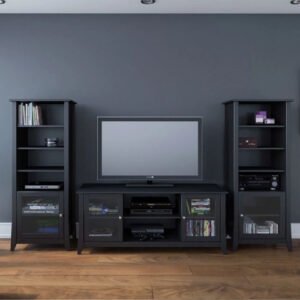


The living room is often one of the most frequently used areas in a home, making furniture selection an important part of creating a comfortable and functional space. Living room furniture can include seating, tables, storage solutions and complementary pieces that help bring the room together. When shopping in Canada, consider your available floor space, household needs, preferred design style and how the room will be used before choosing individual pieces.
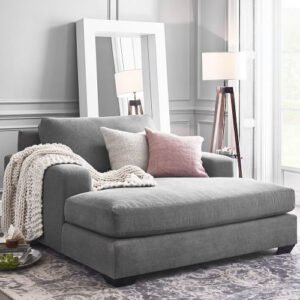
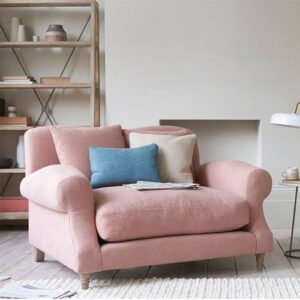
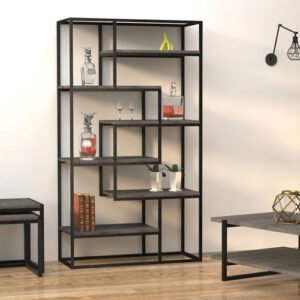
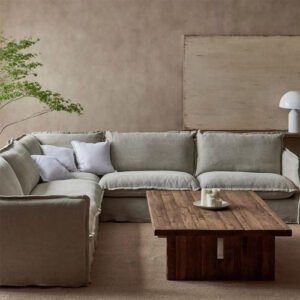
A sofa or sectional often provides the main seating area, while accent chairs can add flexible seating without overwhelming the room. Coffee tables provide a convenient central surface for everyday essentials, while side tables can work well beside sofas and chairs. Storage furniture can also help keep books, media accessories, blankets and decorative items organised. Combining these pieces thoughtfully can create a living room that is practical while still reflecting your personal style.
Room dimensions and layout should guide furniture choices. Larger living rooms may accommodate a spacious sofa, sectional, multiple chairs and a larger coffee table, while compact rooms may benefit from streamlined furniture with a smaller footprint. Before purchasing, measure the available area and consider doorways, hallways and other access points to make sure furniture can be delivered and positioned comfortably.
Think about circulation as well as appearance. Furniture should leave enough room for people to move naturally through the space. A coffee table that is too large can restrict movement, while seating placed too far apart may make conversation less convenient. A balanced arrangement can make even a smaller Canadian living room feel more open and usable.
Sofas and sectionals can form the foundation of a living room arrangement. Consider the number of people who regularly use the room, available floor space and the overall layout when choosing seating. Sectionals can provide generous seating for larger households, while traditional sofas may offer more flexibility in compact or frequently rearranged rooms.
Accent chairs can add additional seating while introducing another shape, texture or design element to the room. They can be positioned beside a sofa, near a window or in a reading area depending on the available space and layout.
Coffee tables provide a central surface for everyday items, while side tables are useful beside seating. Choose table dimensions that complement the surrounding furniture without making the room feel crowded. Consider the height and proportions of nearby seating when selecting a table.
Storage furniture can help maintain an organised living space. Cabinets, shelving and other storage pieces can provide designated areas for books, entertainment accessories, décor and household essentials. Closed storage can help create a cleaner visual appearance, while open shelving can make frequently used or decorative items easy to access.
Living room furniture is available in many styles, from contemporary and minimalist designs to traditional and more decorative looks. Choose pieces that complement the existing colours, finishes and proportions of your room. Neutral furniture can provide a flexible foundation, while distinctive chairs, tables or accent pieces can introduce visual interest.
Materials and construction also matter for everyday use. Households with children or pets may want to consider furniture that is practical to maintain, while a formal sitting room may allow greater emphasis on decorative details. Pay attention to upholstery, frame construction, surface finishes and care requirements so your choices suit the way the room is actually used.
Start by identifying the pieces you need rather than buying furniture solely because it looks appealing. Measure the room, note the position of windows and doors, and consider existing furniture that will remain. Establishing a realistic budget can also help you compare options according to size, materials, functionality and design.
For Canadian shoppers, also consider the practical requirements associated with delivery and home access. Check product dimensions carefully and make sure larger furniture can pass through entrances, stairways and other restricted areas. If you are furnishing a condominium or apartment, building access and elevator dimensions may also be important considerations.
A well-planned living room combines comfort, movement and useful surfaces without overcrowding the space. Start with the main seating, then add tables and storage according to how the room will be used. Leave appropriate pathways between furniture and keep frequently used items within convenient reach.
Whether your goal is a cosy family room, a stylish entertaining area or a flexible space for relaxing and working, living room furniture can help shape the room around your lifestyle. Compare dimensions, design, materials and practical features to build a setup that works for your home.
From core seating to tables and storage, living room furniture can be selected piece by piece or coordinated as part of a complete room design. Focus on the dimensions and functions that matter most to your household, then choose styles and finishes that complement your existing décor. With thoughtful planning, the right furniture can make your living room more comfortable, organised and inviting throughout the year.
Create a living space that feels comfortable, organised and suited to everyday life with living room furniture for Canadian homes. From sofas and accent chairs to coffee tables, side tables and practical storage pieces, the right furniture can help define how your living room looks and functions. Whether you are furnishing a new home, refreshing an existing space or replacing a single piece, explore furniture options based on room size, layout, comfort, style and everyday needs.