
Best Lawnmowers for Canadian Lawns Products online Canada
Explore our real-time updated product directory index curated for performance, verified star metrics, and historical consumer trust rankings.
Explore Sub-Collections
8 Sections Found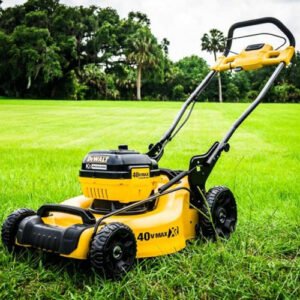
DEWALT Lawnmower for Canadian Lawn Care
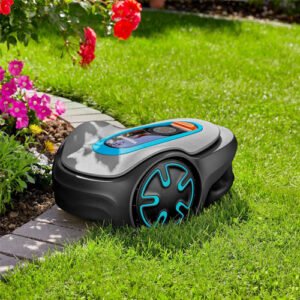
Gardena Lawnmowers for Canadian Lawns
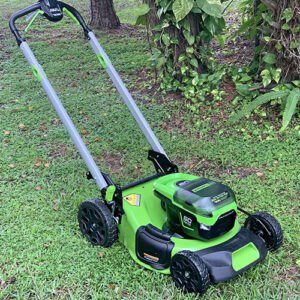
Greenworks Lawnmower
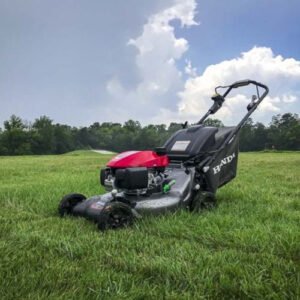
Honda Lawnmowers in Canada
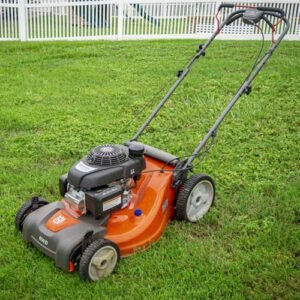
Husqvarna Lawnmowers for Canadian Lawns
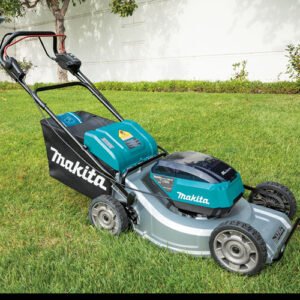
Makita Lawnmower
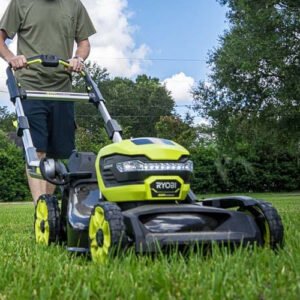
Ryobi Lawnmowers
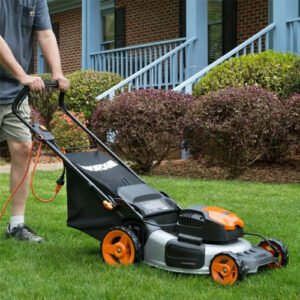
Worx Lawn Mowers for Canadian Lawns
Verified Deal Selections
12 Items Indexed
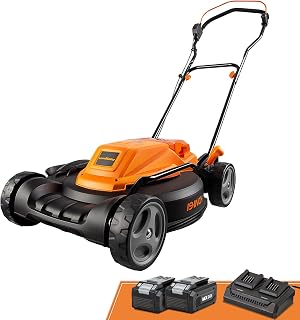


Choose the Right Lawnmower for Your Yard
A lawnmower is one of the most useful pieces of outdoor equipment for maintaining a tidy and healthy-looking lawn. The best choice depends on more than the appearance of the machine. Lawn size, terrain, grass conditions, storage space, available power sources, and the amount of physical effort you want to put into mowing can all influence which mower is practical for your property.
For smaller and relatively level lawns, a compact mower can be convenient to manoeuvre around garden borders, pathways, trees, and other obstacles. Larger lawns may benefit from a wider cutting deck or a powered mower that can cover more ground efficiently. If your property includes slopes or uneven areas, handling, wheel design, traction, and overall mower control become particularly important considerations.
Explore Different Types of Lawnmowers
Lawnmowers are available in several formats, each designed around different lawn-care preferences. Push mowers require the operator to guide the machine across the lawn and can be suitable when you want a straightforward mowing experience. Self-propelled models provide powered assistance for movement, which can be useful on larger properties or areas where pushing a mower for an extended period would be less convenient.
Electric lawnmowers can be an attractive option for shoppers looking for a mower without the need to store or handle petrol. Corded models require access to a suitable power connection, while cordless battery-powered mowers provide greater freedom of movement. Gas-powered lawnmowers remain another option for shoppers who prefer traditional fuel-powered outdoor equipment and want to consider runtime and power according to their mowing requirements.
Consider Lawn Size and Cutting Width
The size of your lawn should be one of the first factors considered when comparing lawnmowers. A narrower cutting width can make it easier to navigate small or complicated lawns, particularly where there are many corners and obstacles. A wider cutting deck can reduce the number of passes required across an open lawn, potentially making routine mowing more efficient.
When comparing models, consider how much open grass you normally mow and whether your yard contains narrow passages or landscaped sections. The ideal cutting width is therefore a balance between coverage and manoeuvrability rather than simply choosing the largest available option.
Look at Mower Features That Match Your Routine
Modern lawnmowers can include features designed to make mowing, adjustment, collection, and storage more convenient. Adjustable cutting-height settings allow you to select a mowing height appropriate for your lawn-care routine. Grass collection systems can help keep clippings contained, while mulching capabilities can be useful for shoppers who prefer to return finely cut grass material to the lawn.
Foldable handles or compact designs may also be valuable when storage space is limited. For battery-powered models, battery compatibility, charging requirements, operating time, and the availability of replacement batteries are useful details to check before purchase. For any mower, consider the controls, handle design, wheel arrangement, weight, and ease of adjustment alongside headline specifications.
Lawnhmowers for Canadian Outdoor Spaces
Canadian homeowners may deal with different lawn conditions depending on region, property type, seasonal weather, and local grass varieties. During active growing periods, regular mowing can help keep lawns manageable, while spring and autumn maintenance may involve additional cleanup and preparation. A mower should therefore be selected with the full seasonal routine in mind rather than based only on one mowing session.
Storage is another practical consideration in Canada. Before choosing a mower, check the available garage, shed, or storage area and consider the machine's overall dimensions. Battery-powered models may also require suitable storage for batteries and chargers, while fuel-powered equipment requires appropriate consideration of fuel storage and manufacturer instructions.
How to Compare Lawnmowers Before Buying
Start by measuring or estimating the area you regularly mow. Next, consider whether the lawn is flat, sloped, uneven, open, or divided by landscaping. Decide whether you prefer manual pushing, assisted movement, battery power, corded operation, or fuel power. From there, compare cutting width, cutting-height adjustment, collection or mulching options, mower dimensions, weight, and storage requirements.
It is also worth checking the manufacturer's specifications and operating guidance for the particular model you are considering. Pay attention to information such as recommended operating conditions, battery or fuel requirements, maintenance needs, safety instructions, and any included accessories. Taking these factors into account can help you narrow a broad selection of lawnmowers to models that fit your actual lawn-care routine.
Make Everyday Lawn Care More Manageable
The right lawnmower can make routine grass cutting a more organised part of outdoor maintenance. Instead of focusing on one feature alone, compare the mower's overall design with your lawn size, terrain, power preferences, storage space, and mowing habits. Whether you need a compact machine for a smaller residential lawn or a more capable mower for a larger property, understanding these differences can help you shop with greater confidence.
Explore the lawnmower category to compare suitable options and consider the specifications that matter most for your Canadian yard. A practical match between mower design and property conditions can make regular mowing more convenient throughout the lawn-care season.
Introduction
Keep your lawn looking neat and manageable with the right lawnmower for your yard. Whether you maintain a compact urban lawn, a spacious suburban property, or a larger outdoor area, choosing a mower that matches your grass, terrain, lawn size, and preferred mowing routine can make regular yard care easier. Explore lawnmowers with different power options, cutting widths, operating styles, and features to find an option suited to your needs in Canada.
Frequently Asked Questions
What type of lawnmower is suitable for a small lawn?
A compact push or electric lawnmower can be suitable for a smaller lawn, particularly when the property is relatively level and has narrow areas or obstacles. Compare cutting width, mower dimensions, weight, and storage requirements to find a practical fit.
Are battery lawnmowers suitable for Canadian homes?
Battery lawnmowers can be suitable for many residential lawns where cordless operation is convenient. Before choosing one, check the battery runtime, charging requirements, compatible batteries, cutting width, and the size of the area you normally mow.
What should I consider when buying a self-propelled lawnmower?
Consider the mower's propulsion system, controls, cutting width, cutting-height adjustment, weight, terrain suitability, and available collection or mulching features. Self-propelled operation may be particularly useful when covering larger areas or dealing with terrain where pushing requires more effort.
How do I choose the right cutting width for a lawnmower?
Consider the size and layout of your lawn. A wider cutting width can cover more open ground per pass, while a narrower mower can be easier to manoeuvre through confined areas, around landscaping, and along tighter paths.
Should I choose a mower with a grass collection bag?
A grass collection bag can be useful if you prefer to collect clippings after mowing. If you prefer to leave finely cut clippings on the lawn, you may instead consider a model with a suitable mulching function, subject to the manufacturer's recommendations.
What lawnmower features should I compare before buying?
Compare power type, cutting width, cutting-height adjustment, propulsion, collection or mulching options, mower weight, dimensions, storage requirements, battery or fuel requirements, and manufacturer maintenance guidance.
How should I store a lawnmower in Canada?
Follow the manufacturer's storage instructions and keep the mower in an appropriate dry, protected location. Battery-powered models may require specific battery storage practices, while fuel-powered equipment requires attention to fuel and seasonal storage guidance.
Frequently Asked Questions (FAQ)
❓ How are these Lawnmowers for Canadian Lawns options ranked?
Our custom data engine continuously scans product entries to verify high-performing items that carry a consistent rating above 4.2 stars, filtering out unreliable listings or items with artificial review jumps.
❓ Does clicking outbound links increase my checkout price?
Absolutely not. All generated product buttons use standard, secure commercial tracking tags. The item cost values reflect the official live marketplace catalog pricing identically.
❓ How often are the pricing deals updated on this page?
Our data tables utilize automated cache transients refreshed continuously throughout the week to fetch the freshest inventory nodes, live pricing metrics, and tracking structures.
❓ Are these products backed by standard consumer warranties?
Yes. Because our directory routes you directly to the verified official listing pages on Amazon, your purchases qualify for complete merchant protections, returns, and original brand manufacturing warranties.