

♥ Wishlist


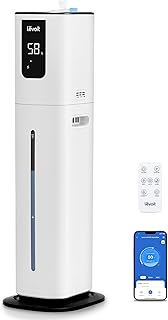


Indoor air can become noticeably dry during the Canadian heating season, particularly when furnaces and other heating systems run regularly. A humidifier adds moisture to indoor air and can be a practical choice for bedrooms, living areas, home offices, nurseries, and other spaces where dry conditions are uncomfortable. Choosing the right model depends on factors such as room size, operating preferences, water capacity, maintenance requirements, and available features.
Humidifiers come in several designs, including cool mist, warm mist, ultrasonic, and evaporative models. Each type approaches moisture delivery differently, so shoppers should consider how and where the appliance will be used. A compact humidifier may suit a bedside table or smaller office, while a model designed for larger rooms can be more appropriate for open living spaces. Checking the manufacturer's recommended coverage area is an important step before purchasing.
Cool mist humidifiers release moisture without producing heated mist. They can be useful in bedrooms, living rooms, and other everyday spaces. Their operation can be especially appealing for households looking for a humidifier that does not add noticeable heat to the room.
Warm mist humidifiers heat water before releasing moisture into the air. They can be considered for personal spaces during colder months, although shoppers should take care around hot surfaces and heated water, particularly in homes with children or pets.
Ultrasonic humidifiers use high-frequency vibrations to create a fine mist. Many models are designed with compact footprints and quiet operation, making this style popular for bedrooms, workspaces, and other areas where noise may be a consideration.
Evaporative humidifiers use a wick or similar material and a fan to encourage evaporation. These models can provide a straightforward approach to adding moisture and are available in designs intended for different room sizes.
Start by considering the room where the humidifier will be placed. Measure or estimate the space and compare it with the manufacturer's stated coverage area. Using a unit intended for a suitable room size can make it easier to manage humidity without choosing an unnecessarily large appliance.
Water-tank capacity is another practical consideration. A larger tank may reduce how frequently you need to refill the appliance, while a compact tank can make sense when portability and countertop space are priorities. Look for a tank design that is easy to remove, fill, and clean.
Noise level can matter when purchasing a humidifier for a bedroom, nursery, or home office. Features such as adjustable mist output, multiple operating modes, timers, automatic shut-off, and low-water indicators can also make everyday use more convenient. If you prefer precise humidity management, consider models with humidity sensors or built-in controls where available.
Modern humidifiers can include features designed around convenience and routine maintenance. Adjustable mist settings allow users to change moisture output according to their needs. Automatic shut-off can stop operation when the water level becomes too low, while timers can help control operating periods. Some models also include digital displays, remote controls, humidity monitoring, or replaceable filters.
When comparing products, avoid choosing a humidifier based solely on the number of features. Consider which functions you are likely to use and whether replacement filters, cleaning accessories, or other consumables are required. Product specifications should always be checked for exact requirements, dimensions, capacity, and compatibility.
Regular cleaning is an important part of humidifier ownership. Standing water and moisture can create an environment where deposits and unwanted buildup may develop. Follow the manufacturer's cleaning instructions and recommended maintenance schedule, and empty or refresh the water as directed.
Water quality can also affect maintenance. Depending on the humidifier design and local water characteristics, mineral deposits may accumulate over time. Some manufacturers recommend specific water types or cleaning methods, so consult the product instructions before use. Filters and wicks should also be replaced according to the manufacturer's recommendations.
Whether you need moisture for a bedroom during a dry winter, a comfortable home office, or a larger living area, the right humidifier should match the space and your daily habits. Compare humidifier types, room coverage, tank capacity, noise considerations, controls, and maintenance requirements before choosing a product.
For Canadian shoppers, seasonal indoor conditions make it useful to think about where and when the appliance will be used. A portable unit can provide flexibility between rooms, while a larger model may be more convenient for a frequently used living space. Consider placement carefully and always follow the manufacturer's safety and operating instructions.
Explore the humidifier category to compare available options and identify a model that fits your room, routine, and preferred features. Taking a few minutes to compare specifications can help you choose an appliance that is practical for regular indoor use.
Discover humidifiers for bedrooms, living rooms, offices, nurseries, and other indoor spaces where balanced humidity can make the environment feel more comfortable. Browse different humidifier styles and features to find an option suited to your room size, daily routine, and seasonal needs in Canada.