

♥ Wishlist


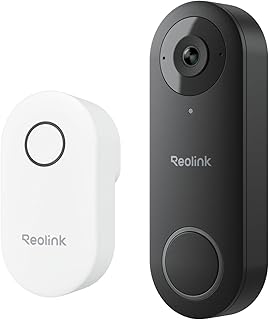
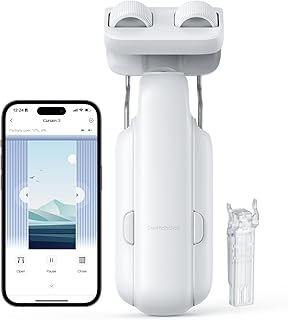


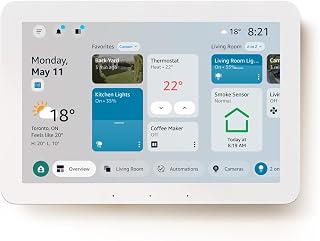


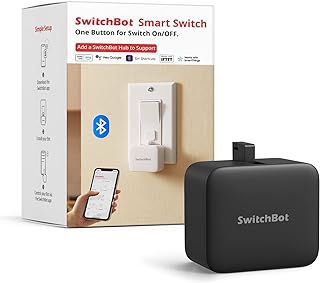


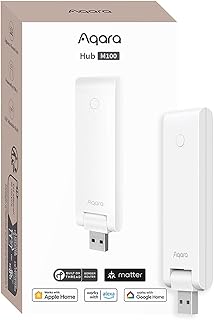


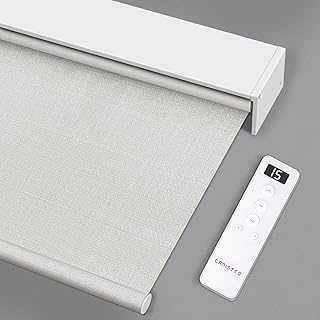


Home automation devices are designed to connect everyday household functions with smart technology, giving you more convenient ways to control, monitor and manage your home. Instead of relying only on traditional switches, timers or manual controls, connected devices can help bring different routines together through compatible apps, hubs, controllers or voice-enabled systems. For Canadian households, this can be particularly useful for managing daily routines, improving convenience and keeping track of connected equipment while at home or away.
The home automation category can include a wide variety of smart home products. Depending on the specific setup, shoppers may find connected controls, smart sensors, automated lighting accessories, smart plugs, security-related devices, environmental monitors and other products designed to communicate with a connected home ecosystem. Each type serves a different purpose, so understanding how a device fits into your existing setup is an important part of choosing the right product.
Start by considering which part of your home you want to automate. Smart lighting products can make it easier to control lights according to your routine, while smart plugs can add connected control to compatible appliances and electronics. Sensors can provide useful information about activity, doors, windows, temperature or other household conditions, depending on the product. For entertainment areas, connected controls can help simplify how compatible devices are managed.
Think about how you currently use your home before adding new devices. A shopper who wants simple remote control may need a different type of product from someone building a larger interconnected smart home. Starting with one practical automation can also make it easier to understand compatibility and expand the system gradually.
Compatibility is one of the most important factors when shopping for home automation devices. Smart products can rely on different communication methods, applications, hubs, operating systems and smart home platforms. Before purchasing, check the manufacturer's compatibility information and confirm that the device can work with the equipment or ecosystem you already use.
Connectivity requirements are also worth checking. Some products may depend on Wi-Fi, Bluetooth, a dedicated hub or another wireless technology. Understanding these requirements can help you avoid buying a device that does not integrate smoothly with your existing setup. If you are planning several connected products, consider whether you want them managed through one central platform or through separate manufacturer applications.
Features can vary considerably between home automation products. Depending on the device, useful considerations may include remote access, scheduling, automation routines, notifications, voice control, sensor functionality and app-based management. Look beyond the number of features and consider which functions will actually improve your daily routine.
For example, scheduling can be useful when you want a connected device to follow a regular routine, while notifications may be more relevant when monitoring a particular condition. Voice control can make compatible devices easier to operate, but only when the product supports the voice platform you use. Reading the product specifications carefully can help you identify practical features rather than paying for functions you may not use.
Canadian shoppers may also want to consider seasonal routines and household requirements when selecting connected devices. Smart home products can support everyday convenience during busy workdays, colder months, travel periods and changing household schedules. Depending on the product, automation may help simplify lighting, appliance control, monitoring or other routine tasks.
When shopping online in Canada, check dimensions, power requirements, connectivity specifications and included accessories before ordering. Product requirements can differ between models, and a device that looks suitable may require additional equipment or a particular setup. If you are replacing an existing smart device, comparing its specifications with the new product can help reduce compatibility issues.
You do not need to automate every part of your home at once. A gradual approach can make it easier to identify which connected features are genuinely useful. Start with a room or routine that would benefit from greater convenience, then expand your setup as needed. Keeping your devices within a compatible ecosystem can also simplify everyday management.
Whether you are upgrading a single room or creating a more connected household, home automation devices offer flexible ways to introduce smart functionality into everyday routines. Compare compatibility, connectivity, features, installation requirements and intended use before choosing a product. A thoughtful setup can help you create a connected home that fits the way you actually live.
Make everyday routines more convenient with home automation devices designed to bring connected technology into your living space. From smart controls and connected sensors to devices that help manage lighting, security, comfort and entertainment, home automation products can make it easier to monitor and manage different parts of your home. This category is useful for Canadian shoppers looking to build a new smart home setup or add connected functionality to an existing one.