
♥ Wishlist


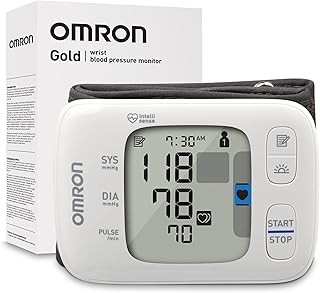


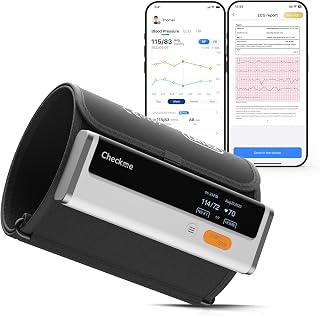


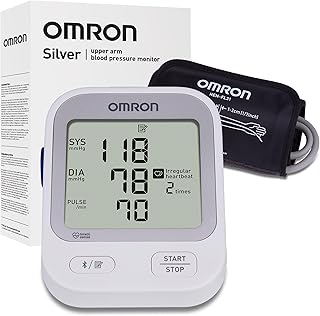


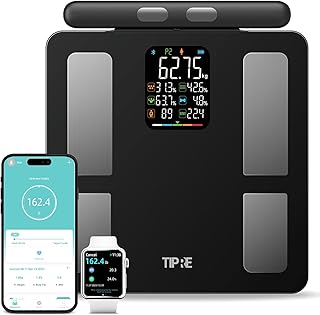
Health monitors can make everyday wellness tracking more convenient by putting useful measurement tools within easy reach at home. Whether you want to monitor blood pressure, check body temperature, measure blood oxygen saturation or keep track of other routine indicators, choosing the right device can help you build a consistent monitoring routine. The Health Monitors category brings together practical products intended for different personal monitoring needs, making it easier for Canadian shoppers to explore suitable options in one place.
Health monitoring products can vary considerably in their purpose, features and measurement methods. Blood pressure monitors are commonly used for routine blood pressure checks, while digital thermometers can provide convenient temperature readings. Pulse oximeters are designed to measure blood oxygen saturation and pulse rate, and other wellness monitors may support additional forms of personal tracking. Understanding the purpose of each product before buying helps you focus on devices that match your everyday requirements.
Blood pressure monitors are designed for people who need or prefer to check blood pressure at home. Depending on the design, a monitor may use an upper-arm or wrist cuff and provide a digital reading on an integrated display. When comparing models, consider cuff compatibility, display readability, operating method, portability and any available memory or measurement features. Always follow the manufacturer's instructions for proper positioning and use.
Digital thermometers provide a straightforward way to check body temperature when needed. They are available in different designs and may be intended for different measurement methods. For Canadian households, a thermometer can be a useful addition to a home wellness kit. Look for clear displays, simple controls, easy cleaning and a design that suits the intended user.
Pulse oximeters are compact monitoring devices commonly designed to measure blood oxygen saturation and pulse rate. Their small size can make them convenient for home use and travel. Other health monitors may focus on different measurements or wellness-tracking functions. Before purchasing, check the product specifications carefully to understand exactly what the device measures and how it should be used.
Start by identifying the measurement you actually need. A product intended for blood pressure monitoring serves a different purpose from a thermometer or pulse oximeter, so choosing based on the required function is more important than simply selecting the device with the most features. Once you know the purpose, compare ease of use, display design, measurement method, size, power requirements and portability.
Canadian shoppers should also consider whether the product is suitable for the intended household members. If multiple people will use the device, check whether the design supports different users or sizes where applicable. For products that use cuffs, sensors or other fitted components, confirm the relevant size specifications before ordering. A comfortable and appropriately sized design can make routine monitoring easier to maintain.
Different health monitors offer different functions, so product descriptions and specifications should be reviewed carefully. Useful considerations can include large or easy-to-read displays, simple controls, memory storage, automatic operation, measurement indicators, portability and battery or power requirements. Some devices may also include additional connectivity or tracking functions. These features can be convenient, but the most important consideration is whether the device performs the measurement you need in a practical way.
Many monitoring devices are designed with home use in mind, while compact models can be convenient for travel. If you plan to carry a monitor between locations, consider its dimensions, weight, power source and storage requirements. A compact design can be useful when space is limited, while a larger display may be preferable for users who prioritise readability. Keeping the device clean, protected and stored according to the manufacturer's guidance can also support regular use.
Home monitoring devices are tools for recording measurements and supporting personal awareness. They should not be treated as a substitute for professional medical diagnosis or treatment. Read the manufacturer's instructions before use and follow the recommended measurement procedure. If a reading is unexpected, repeated measurements should be taken according to the device guidance, and concerns about symptoms or health results should be discussed with an appropriately qualified healthcare professional.
The right health monitor depends on what you want to measure, who will use it and where you plan to use it. Compare product specifications, intended applications, sizing information and operating requirements before making a purchase. Whether you are building a home wellness kit or looking for a compact monitoring device for regular use, exploring health monitors by function can help you narrow down suitable choices for your needs in Canada.
Shop health monitors designed to help you keep track of useful wellness measurements at home. Explore practical monitoring devices for everyday routines, personal health tracking and informed conversations with healthcare professionals.