

♥ Wishlist


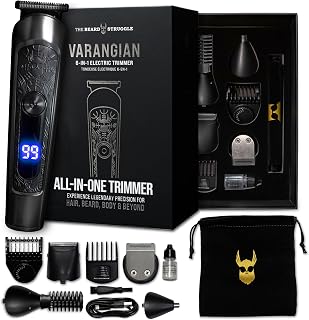


The right hair cutting tools can make routine trimming, shaping and grooming more manageable at home. Whether you want to maintain short hair, clean up the edges of a longer style or handle occasional touch-ups between professional appointments, having suitable equipment helps you approach each task with greater control. This category brings together the types of tools commonly used for cutting and maintaining hair, allowing Canadian shoppers to explore options based on their personal grooming needs.
Hair cutting scissors are useful when precision matters. Their compact design makes them suitable for controlled trimming and detail work, while different blade shapes and handle designs can provide different handling experiences. If you regularly maintain a particular hairstyle, consider choosing scissors that feel comfortable in your hand and are designed specifically for hair rather than general household cutting.
Hair clippers are a popular choice for maintaining short hairstyles and reducing hair length efficiently. Many clipper designs work with guide combs or adjustable settings, making it possible to work with different cutting lengths. Before buying, check the available length options, power source and included attachments so the tool matches the type of grooming you expect to perform.
For shoppers who value flexibility, cordless clippers can be convenient because they provide freedom of movement without requiring a cable during use. Corded models can also be practical for users who prefer consistent access to mains power. When comparing products, look at the specifications provided for the individual model rather than assuming that every clipper offers the same cutting range or accessories.
Hair trimmers are particularly useful for finishing work around areas that require more control. They can help with sideburns, hairlines and other smaller areas where a full-size clipper may feel less convenient. A trimmer can also complement a clipper by handling the detailing stage after the main hair length has been reduced.
When selecting a trimmer, consider its blade design, operating method, size and maintenance requirements. Compact designs may be easier to handle for detailed grooming, while models with multiple attachments can offer additional versatility. Always follow the manufacturer's instructions for cleaning, lubrication and safe operation.
Start by identifying what you actually need to cut. If your main requirement is occasional precision trimming, dedicated hair scissors may be sufficient. For maintaining short hairstyles or reducing larger amounts of hair, clippers may be more suitable. If your routine focuses on outlines and finishing touches, a trimmer can be a useful addition.
Comfort is another important consideration. Hair cutting can take time, particularly when you are working carefully or maintaining a detailed style. Look for an ergonomic grip, manageable weight and controls that are easy to operate. For powered tools, battery runtime and charging arrangements can also influence convenience, especially if you prefer cordless grooming.
Different hair textures and styles can require different approaches. Thick or dense hair may benefit from a tool designed for efficient cutting, while fine hair can require a more controlled technique to avoid removing more length than intended. Curly and textured hair may also require particular attention to how the hair is positioned and sectioned before trimming.
Rather than choosing a tool based only on appearance or price, review its stated specifications and intended use. If you are uncertain about performing a major haircut yourself, professional assistance can be preferable. Hair cutting tools are most useful when paired with an appropriate technique and realistic expectations.
Regular maintenance can help keep grooming tools ready for future use. Remove loose hair after each session and follow the manufacturer's cleaning instructions. Blades may require specific care, while scissors should be stored safely to protect their cutting edges. For rechargeable devices, use the recommended charging method and avoid exposing electrical components to unnecessary moisture.
Keeping tools clean is particularly important when they are shared or used frequently. Store scissors, clippers, trimmers and attachments in a dry, organised location where they will not become damaged or contaminated. Replace worn or damaged components according to the manufacturer's guidance rather than continuing to use equipment that no longer operates correctly.
Choosing the right hair cutting equipment starts with understanding your routine, preferred hairstyle and level of cutting experience. Explore hair cutting tools according to the type of work you need to perform, from precision trimming with scissors to efficient length reduction with clippers and detailed finishing with trimmers. For Canadian shoppers, compare product specifications, included accessories and care requirements before making a purchase.
Find practical hair cutting tools for trimming, shaping and maintaining hairstyles at home. From precision scissors and hair clippers to trimmers and supporting accessories, choose tools suited to your preferred cutting technique, hair type and grooming routine in Canada.