

♥ Wishlist


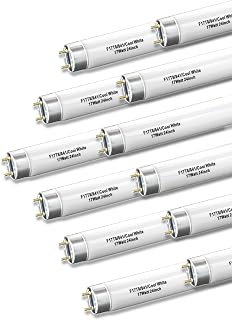


Fluorescent tubes remain a practical lighting choice for many existing fixtures, particularly in offices, utility areas, workshops, garages, institutional spaces and commercial environments. If you need to replace a tube that has stopped working, selecting the correct replacement is about more than choosing a lamp that looks similar. Tube diameter, length, wattage, base configuration, ballast compatibility and the intended fixture all matter. The fluorescent tubes category is designed to help shoppers explore suitable options according to their existing lighting setup.
Fluorescent tubes are available in different formats, and the letter-and-number designations used for lamps can help identify their physical characteristics. Common designations such as T8 and T12 refer to tube diameter, while tube length and wattage provide additional information about compatibility and power requirements. The base or pin configuration is another important consideration because a tube must physically connect with the fixture. Before purchasing, compare the markings printed on your existing tube or consult the fixture specifications.
Measuring the existing lamp can prevent common ordering mistakes. Tube length is particularly important because a replacement that is too long or too short may not fit the fixture correctly. Diameter also matters when matching the lamp to the intended sockets and fixture components. If the original tube has identifying information printed on it, use those details as a starting point when comparing replacement options.
Wattage indicates the electrical power associated with the lamp and should be considered alongside the fixture's requirements. Fluorescent systems may also depend on a ballast, so compatibility between the tube and the existing ballast can be essential. Do not assume that tubes with similar dimensions are automatically interchangeable. Reviewing the fixture documentation and lamp specifications before purchasing can help you select an appropriate option.
The right fluorescent tube depends on where and how the lighting fixture is used. Workspaces may require consistent general illumination, while utility rooms, garages and storage areas may have different practical requirements. Commercial and institutional installations can also involve multiple matching fixtures, making consistent specifications important when replacing several lamps. Consider the existing fixture, the space being illuminated and the replacement requirements rather than selecting a tube based only on appearance.
Canadian shoppers should pay attention to product specifications and ensure that the selected fluorescent tube matches the electrical and physical requirements of the fixture. If purchasing replacement lamps for an existing installation, keep the original tube available for comparison whenever possible. Look at length, diameter, base style, wattage and any compatibility information provided with the product. For larger replacement projects, confirming that all lamps share the required specifications can make installation and ongoing maintenance simpler.
Replacement shopping is often easiest when you start with the information from the lamp currently installed. Product markings can identify the tube family, wattage and other characteristics. If markings are difficult to read, check the fixture label or manufacturer's documentation. This approach reduces the risk of buying a lamp that cannot be installed in the existing fixture.
Fluorescent lighting systems can involve electrical components such as ballasts and lamp holders. Always follow the fixture and lamp manufacturer's instructions when replacing a tube. If the installation requires electrical work beyond straightforward lamp replacement, using a qualified professional can be appropriate. Used fluorescent lamps should also be handled and disposed of according to applicable local requirements rather than placed in ordinary household waste without checking the relevant guidance.
Choosing a fluorescent tube becomes easier when you identify the essential specifications before comparing products. Start with the existing lamp or fixture and note the tube length, diameter, wattage and base configuration. Then check compatibility information and compare available options. Whether you are replacing a single lamp or maintaining multiple fixtures, accurate specifications can help you shop with greater confidence.
For a straightforward purchase, use the existing tube as your reference point. Match the key physical and electrical specifications, verify compatibility with the fixture and review the product information before ordering. Keeping replacement specifications consistent across similar fixtures can also simplify future maintenance. With careful attention to compatibility, you can identify fluorescent tubes suited to your existing indoor lighting requirements.
Find fluorescent tubes for replacing worn-out lamps or maintaining compatible lighting fixtures in homes, offices, workshops, commercial spaces and other indoor environments. This category brings together fluorescent tube options intended for different fixture configurations, sizes and lighting requirements. When shopping in Canada, checking the tube type, dimensions, wattage, base and fixture compatibility before ordering can help ensure a suitable replacement.