

♥ Wishlist











Floor puzzles offer a different way for children to enjoy traditional jigsaw-style play. Their larger format gives young puzzlers room to work with pieces on the floor while viewing the emerging picture from a comfortable distance. This makes them especially appealing for children who enjoy hands-on activities and want a puzzle experience that feels bigger than a standard tabletop design. Whether puzzle time is part of an afternoon at home, a classroom activity or a family game session, floor puzzles can provide an absorbing screen-free option.
When shopping for floor puzzles in Canada, consider the child's age, experience level and available play space. Younger children may benefit from puzzles with larger pieces and simpler pictures, while children with more puzzle experience may enjoy designs with additional pieces, more detailed artwork or themes that require closer observation. Choosing a suitable level can make the activity approachable without making it feel too easy.
The size of a floor puzzle is one of its defining features. Large pieces can be easier for small hands to position, while the expanded completed picture can create a satisfying sense of achievement. Children can also move around the puzzle as they work, helping make the activity more physical and collaborative than a puzzle confined to a small table.
Puzzle play can support several everyday learning skills. Children practise identifying shapes, noticing colours and patterns, remembering visual details and thinking about how individual pieces contribute to a complete image. Completing a puzzle also encourages patience and persistence because the final picture develops gradually rather than appearing immediately. For parents and educators, these qualities can make floor puzzles a useful addition to a balanced selection of play activities.
Age suitability is an important consideration when selecting a children's floor puzzle. Look for designs that match the child's current abilities rather than choosing solely by appearance. A beginner may enjoy a straightforward image with clearly recognisable sections, while an experienced child may be ready for a more complex arrangement. Piece size is also worth considering, particularly for younger children who are still developing their fine motor control.
For younger puzzlers, prioritise age-appropriate pieces, simple visual layouts and themes that are easy to recognise. Larger pieces can make handling and positioning more manageable. Always follow the manufacturer's recommended age range and supervision guidance, particularly where small pieces are involved.
Older children can explore more detailed images and challenging layouts as their puzzle-solving experience develops. A more intricate floor puzzle can encourage extended concentration and give children an opportunity to work independently or cooperate with siblings and friends.
A floor puzzle can fit naturally into many play routines. At home, it can become a quiet afternoon activity or a shared weekend challenge. In classrooms and activity spaces, puzzles can support group participation and visual learning. Families can also use them during indoor play when outdoor activities are less convenient, including cold or rainy days common in many parts of Canada.
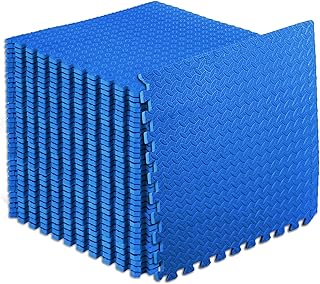
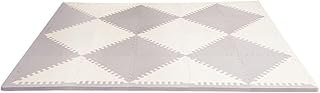
For shared play, choose a clear, flat area where everyone can comfortably reach the pieces. Keeping the puzzle away from heavy foot traffic can help prevent completed sections from being disturbed. A dedicated play mat or open floor area can also make it easier to start, pause and return to a puzzle without immediately needing to pack everything away.
Before choosing a floor puzzle, compare the piece count, recommended age range, theme, finished size and materials where those details are provided. Consider whether the puzzle is intended for independent play or group participation. If storage space is limited, check how the puzzle is packaged and whether the pieces can be kept together conveniently after play.
Theme can also influence how interested a child remains throughout the activity. Animals, nature, vehicles, fantasy scenes, maps and other colourful subjects can appeal to different interests. Selecting a picture connected to a child's hobbies or favourite topics may encourage them to spend more time exploring the puzzle.
There is no need to rush a floor puzzle. Encourage children to begin by looking at the overall image and sorting pieces by colour, pattern or edge shape. Adults can participate by asking questions rather than completing sections for the child. This keeps the focus on discovery and allows young puzzlers to develop their own strategies.
Floor puzzles combine entertainment with opportunities to practise observation, coordination and persistence. With the right size, difficulty and theme, they can become a repeat-use activity for homes, classrooms and play spaces. Explore the available floor puzzles to find an option that suits the child's age, interests and preferred style of play.
Floor puzzles turn puzzle time into an active, hands-on experience that gives children more space to explore, match and assemble large puzzle pieces. Unlike compact tabletop puzzles, floor puzzles are designed to be spread across a larger area, making them a practical choice for playrooms, bedrooms, classrooms and family activity spaces. For Canadian families looking for an entertaining activity that can also encourage concentration, visual recognition and problem-solving, a well-designed floor puzzle can be an engaging addition to a child's collection.