
Best Camera Flashes for Photography Products online Canada
Explore our real-time updated product directory index curated for performance, verified star metrics, and historical consumer trust rankings.
Verified Deal Selections
65 Items Indexed




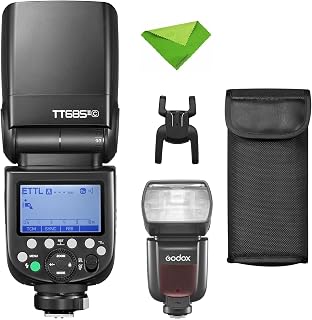


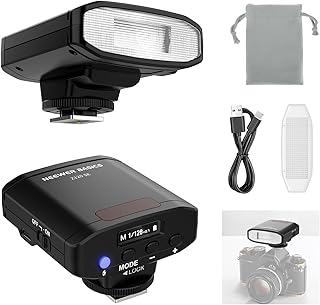


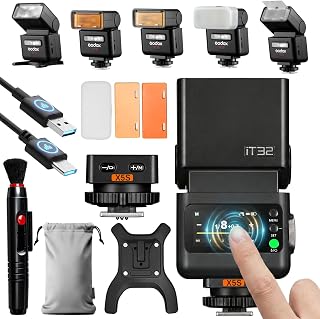


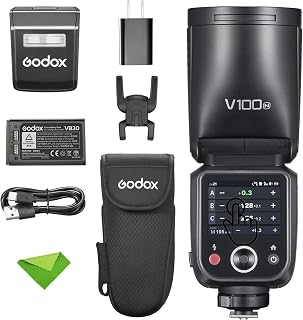


Choose the Right Camera Flash for Your Photography
A camera flash can make a significant difference when available light is limited or when you want greater control over the direction and intensity of illumination. The Flashes category brings together a range of photography lighting options, including compact camera flashes, speedlights, TTL models, manual flashes, wireless units and more powerful studio-oriented solutions. The selection can include products designed for different camera systems, so compatibility should always be checked before purchasing.
For photographers in Canada, a versatile flash can be useful for indoor portraits, family events, weddings, creative photography and product shoots. Natural light can change quickly, particularly when shooting indoors or during Canada's shorter winter daylight hours. An external flash provides another way to control the lighting environment rather than relying entirely on ambient illumination.
Explore Different Types of Camera Flashes
Speedlights are a popular choice for photographers who want a portable lighting solution that can be mounted directly on a compatible camera. Many models feature adjustable heads, allowing light to be directed or bounced for a softer appearance. Compact mini flashes can be useful when portability is a priority, while higher-powered units may be more suitable for demanding sessions where greater light output is needed.
TTL flashes are designed to communicate with compatible camera systems so the camera can assist with exposure calculations. This can be convenient for changing shooting conditions and fast-paced photography. Manual flashes provide more direct control over output and can be particularly useful for photographers who prefer to set their lighting themselves. Some models combine TTL and manual operation, giving photographers flexibility between automated and hands-on workflows.
Consider TTL, HSS and Wireless Features
When comparing flashes, look beyond the basic flash function. TTL support can simplify exposure control when subject distance or lighting conditions change. High-speed sync, commonly abbreviated as HSS, can be useful when photographing with faster shutter speeds, including situations where you want to combine flash with a wider aperture in brighter conditions.
Wireless connectivity is another feature worth considering. Compatible wireless flash systems can allow photographers to trigger or control an external flash away from the camera. This opens up creative possibilities for directional lighting, off-camera portraits and multi-light setups. Some products may also support optical triggering or dedicated wireless systems, so check the specifications for compatibility with your camera and existing equipment.
Match the Flash to Your Camera System
Camera compatibility is one of the most important factors when choosing a flash. Different versions can be made specifically for Canon, Sony, Nikon, Fujifilm, Leica and other camera systems. A flash designed for one manufacturer's TTL communication may not provide the same functionality on another system. Before buying, confirm the exact camera model, mounting connection and supported communication features.
Photographers should also consider whether they need a standard hot-shoe flash, a compact unit, a macro flash or a studio-style light. Macro photography may benefit from specialised twin-flash designs, while portrait and event photographers may prefer a versatile speedlight with a rotating head and wireless capabilities.
Compare Power, Recycling and Battery Performance
Flash power is another important consideration. A higher-output unit can provide more flexibility when working at greater distances or when using modifiers that reduce the amount of light reaching the subject. Guide number, watt-second ratings and other specifications can help when comparing different designs, although these measurements should be considered alongside the intended shooting environment.
Recycle time indicates how quickly a flash can be ready after firing. Faster recycling can be valuable during events, action sequences or portrait sessions where several exposures may be taken in succession. Battery capacity and the number of full-power flashes supported by a unit also affect practical shooting time. Built-in rechargeable batteries can offer convenience, while replaceable batteries may be useful for photographers who prefer to carry spares.
Find a Flash for Your Photography Style
There is no single flash configuration that suits every photographer. A compact flash may be convenient for travel and casual photography, while a full-size speedlight can offer additional power and control. Portrait photographers may prioritise bounce capability, wireless control and HSS. Event photographers may value fast recycling and dependable battery performance. Product photographers may prefer controlled manual output, while macro photographers can benefit from specialised lighting arrangements.
As you compare camera flashes, consider your camera system, preferred shooting style, required power, flash controls, battery arrangement, recycling speed and wireless features. Also check whether accessories such as diffusers, reflectors, triggers or adapters are included. Taking these factors into account can help you select a flash that fits your existing photography equipment and the type of images you plan to create.
Introduction
Find camera flashes designed to give photographers more control over light in challenging conditions. Explore compact flashes, speedlights, TTL models, wireless options and studio-style lighting solutions for compatible cameras. Whether you photograph portraits, events, products or everyday moments, choosing the right flash can help you manage exposure, shadows and creative lighting effects.
Frequently Asked Questions
What is a camera flash used for?
A camera flash provides additional illumination when ambient light is insufficient or when you want greater control over the direction and intensity of light. It can be useful for portraits, events, product photography, indoor photography and creative lighting.
What is the difference between TTL and manual flash?
TTL flash systems can communicate with compatible cameras to assist with flash exposure automatically. Manual flash requires the photographer to set the flash output directly, providing more deliberate control over the lighting.
What does HSS mean on a camera flash?
HSS stands for High-Speed Sync. On compatible camera and flash combinations, it allows flash photography at shutter speeds beyond the camera's standard flash synchronisation speed.
Can I use any flash with my camera?
Not necessarily. Flash compatibility depends on the camera's mounting connection and communication system. A flash may physically mount to a camera but not provide all TTL, HSS or wireless functions unless it is designed for that camera system.
Are wireless camera flashes useful?
Wireless flashes can be useful when you want to position the light away from the camera. Depending on the system, wireless control can support off-camera lighting, multiple-flash setups and more creative control over shadows and highlights.
What should I check before buying a camera flash?
Check camera compatibility, flash power, TTL support, HSS capability, recycling time, battery type, wireless functions, head movement and included accessories. Choosing features according to your photography style can help avoid paying for capabilities you do not need.
Frequently Asked Questions (FAQ)
❓ How are these Camera Flashes for Photography options ranked?
Our custom data engine continuously scans product entries to verify high-performing items that carry a consistent rating above 4.2 stars, filtering out unreliable listings or items with artificial review jumps.
❓ Does clicking outbound links increase my checkout price?
Absolutely not. All generated product buttons use standard, secure commercial tracking tags. The item cost values reflect the official live marketplace catalog pricing identically.
❓ How often are the pricing deals updated on this page?
Our data tables utilize automated cache transients refreshed continuously throughout the week to fetch the freshest inventory nodes, live pricing metrics, and tracking structures.
❓ Are these products backed by standard consumer warranties?
Yes. Because our directory routes you directly to the verified official listing pages on Amazon, your purchases qualify for complete merchant protections, returns, and original brand manufacturing warranties.