

♥ Wishlist


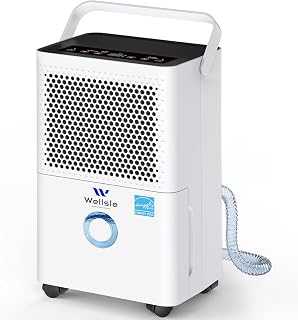
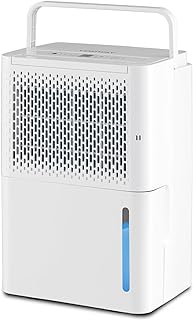


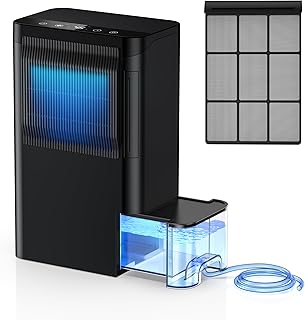


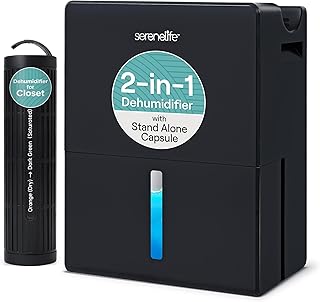


Excess humidity can make indoor spaces feel damp, uncomfortable and less pleasant to use. A dehumidifier is designed to remove moisture from the air, making it a practical addition to areas where humidity tends to build up. In Canada, dehumidifiers can be particularly useful in basements, laundry rooms, bathrooms and other spaces where ventilation, temperature changes or moisture-producing activities can contribute to higher humidity levels.
When shopping for dehumidifiers, start by considering the space where the appliance will be used. Room size is an important factor because a compact unit may suit a smaller enclosed area, while a larger space may require a higher-capacity model. Looking at the manufacturer's stated coverage or recommended room size can help you narrow down suitable options before comparing additional features.
Dehumidifier capacity is commonly expressed in litres of moisture removed per day. The appropriate capacity depends on the size and conditions of the room, including how damp the space becomes. A mildly humid bedroom may have different requirements from a basement with persistent moisture. If an area is particularly damp, a model with greater moisture-removal capacity may be more suitable.
Consider both the physical size of the appliance and its moisture-removal capacity. A compact dehumidifier can be convenient where floor space is limited, while a larger unit may be more appropriate for substantial moisture-control needs. Checking dimensions before purchase is also useful when deciding where the appliance will be positioned.
Basements are a common application for dehumidifiers because below-ground rooms can experience elevated moisture levels. A suitable unit can help manage humidity in these spaces while supporting a more comfortable environment. For bedrooms and living areas, noise level, portability and compact dimensions may become more important considerations, particularly when the appliance will operate for extended periods.
Bathrooms can also benefit from moisture control, especially after showers or baths. Depending on the room and ventilation available, a dehumidifier can be used as part of a broader approach to managing indoor moisture. Always follow the manufacturer's instructions regarding placement, electrical safety and operation in areas exposed to water.
Different dehumidifiers offer different combinations of convenience and control features. Adjustable humidity settings can make it easier to manage the desired level of moisture, while automatic shut-off can help stop operation when the water collection container reaches its capacity. A visible water-level indicator can also make routine maintenance more convenient.
Drainage is another important consideration. Traditional models may collect extracted moisture in an internal tank that needs to be emptied periodically. Some models may support continuous drainage when used with an appropriate hose and setup. If you plan to use a dehumidifier for long periods, consider which drainage method will be most practical for your space.
Portability can matter when one appliance needs to serve different areas of a home. Features such as carrying handles or casters can make moving a unit easier, although the appliance should always be transported and positioned according to the manufacturer's instructions.
Before choosing a dehumidifier, identify where you intend to use it and estimate the size and moisture conditions of the space. Compare capacity, recommended coverage, dimensions, operating controls and drainage options. If the unit will be used in a bedroom or another quiet area, pay attention to the stated noise information when available. For basement use, continuous drainage, larger capacity and convenient controls may be particularly relevant.
Energy use can also be an important consideration when choosing an appliance that may operate regularly. Look for the manufacturer's available efficiency information and compare models based on how you expect to use them. Features such as programmable operation or automatic humidity control may help make everyday operation more convenient, depending on the model.
Regular maintenance can help keep a dehumidifier operating as intended. Follow the manufacturer's instructions for cleaning the air filter, emptying the water container and checking drainage components. A clean filter can support appropriate airflow, while a regularly emptied collection tank helps prevent interruptions when continuous drainage is not being used.
Placement is also important. Keep the appliance on a stable, suitable surface with sufficient clearance around its air intake and outlet. Avoid blocking ventilation openings, and use the appliance only in conditions specified by the manufacturer. Canadian homes can have significantly different indoor conditions across seasons, so check the operating-temperature guidance before using a particular model in cooler spaces.
Whether your priority is basement moisture control, bedroom comfort, bathroom humidity management or flexible use around the home, selecting the right dehumidifier starts with understanding your space. Compare capacity, room coverage, dimensions, drainage, controls, noise information and other available features to make an informed choice. By matching the appliance to the environment in which it will operate, you can choose a practical moisture-control solution for your Canadian home.
Shop dehumidifiers for managing excess indoor moisture in Canadian homes and everyday spaces. Whether you need moisture control in a basement, bedroom, bathroom, laundry area or other enclosed room, choosing the right dehumidifier can help create a more comfortable indoor environment. Explore options based on room size, capacity, portability, drainage preferences and useful features to find a model suited to your needs.