
Best Binoculars & Scopes for Outdoor Viewing Products online Canada
Explore our real-time updated product directory index curated for performance, verified star metrics, and historical consumer trust rankings.
Verified Deal Selections
49 Items Indexed


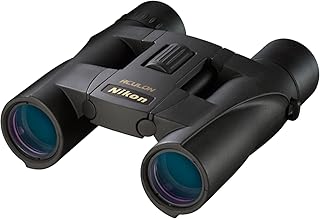


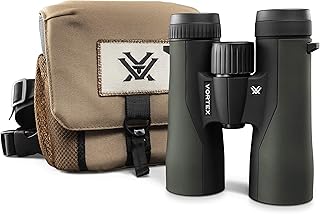
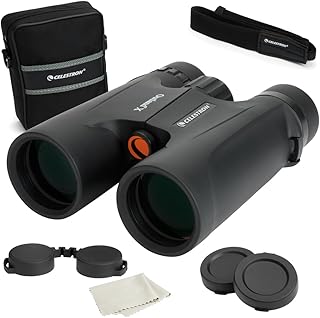

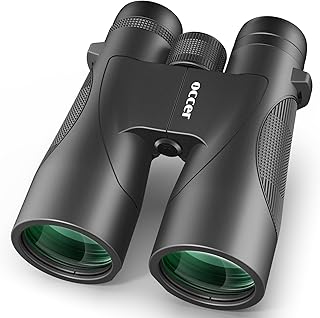
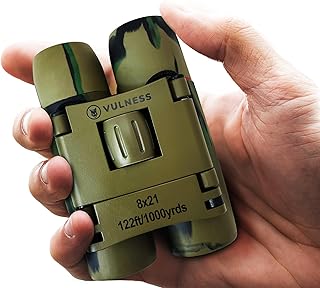


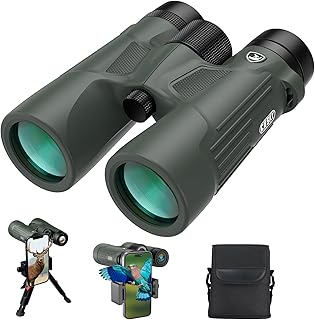


Shop Binoculars & Scopes for Different Viewing Needs
Binoculars and scopes are designed to bring distant subjects closer and make details easier to observe. They can be useful for birdwatching, wildlife observation, sightseeing, hiking, travel, sporting events and other outdoor activities. The right optical product depends on where you plan to use it, how far away your subject usually is and how important portability is for your routine.
For Canadian shoppers, binoculars can be particularly practical for exploring parks, trails, lakes, coastlines and other outdoor environments. A compact pair may suit travel and casual viewing, while a larger model can provide a brighter image and greater detail in appropriate conditions. Scopes can be useful when a more focused, longer-distance viewing experience is required. Before choosing a product, consider your typical viewing environment, expected distance and how often you will carry the equipment.
Choosing the Right Binoculars
Binocular specifications often include two numbers, such as 8x42 or 10x50. The first number indicates magnification, while the second refers to the approximate objective lens diameter in millimetres. Higher magnification can provide a closer view of distant subjects, but it may also make hand-held viewing more sensitive to movement. Larger objective lenses can allow more light into the optical system, although they can add size and weight.
For general outdoor observation, moderate magnification can offer a useful balance between viewing detail and ease of handling. Compact binoculars can be convenient for travel, hiking and events because they take up less space. Larger binoculars may be worth considering when brightness and detailed viewing are more important than portability.
Understanding Scopes and Their Uses
Scopes are available in different optical configurations and can be intended for specific types of long-distance observation. When comparing scopes, pay attention to magnification range, objective lens size, viewing clarity, adjustment features and physical dimensions. A variable-magnification scope can provide flexibility when viewing subjects at different distances, while a fixed-magnification design can offer a straightforward setup for a particular use.
It is also useful to consider whether the scope will be used indoors or outdoors and under bright or changing light conditions. Outdoor users may value a durable construction and manageable weight, particularly when equipment needs to be transported over trails or stored with other gear.
Key Features to Compare Before Buying
Magnification
Magnification determines how much larger a distant subject appears through the optical system. More magnification is not automatically better for every situation. A moderate level can be easier to hold steady, while higher magnification may be useful for subjects that remain farther away.
Objective Lens Size
The objective lens influences the amount of light entering the optics. Larger lenses can support brighter viewing in suitable conditions but generally increase the product's size and weight. Think about whether you prioritise portability or light-gathering capability.
Field of View
Field of view describes the area visible through the optics at a particular distance. A wider field of view can make it easier to follow moving wildlife or locate a subject quickly, while a narrower view may be suitable for more focused observation.
Portability & Handling
Weight and dimensions matter when optical equipment is carried for long periods. If you regularly hike, travel or attend outdoor events, a lightweight and compact design may be more convenient. For stationary observation, a larger model may be easier to accommodate.
Binoculars & Scopes for Canadian Outdoor Activities
Canada offers many opportunities for outdoor observation, from wildlife watching and birding to sightseeing and recreational travel. Binoculars can help users observe distant animals without approaching them, while scopes can provide a more concentrated view when greater distance is involved. Weather and terrain can also influence which design is practical, so shoppers should consider where and when their equipment will normally be used.
For travel, storage and transportation, look for a product that fits comfortably with the rest of your equipment. For frequent outdoor use, consider construction, grip, controls and ease of adjustment in addition to optical specifications. If equipment will be used during colder seasons, a comfortable handling design and suitable protective storage can also be useful considerations.
How to Compare Binoculars and Scopes
Start by identifying the main activity you want to support. Casual sightseeing may call for a compact and easy-to-carry option, whereas dedicated wildlife observation may place greater emphasis on optical performance and field of view. Next, compare magnification and objective lens specifications, then consider weight, dimensions and practical handling.
It is also sensible to review the product specifications carefully before purchasing. Pay attention to dimensions, included accessories, adjustment systems and any stated usage information. Comparing these details helps you select an optical product that aligns with your viewing habits instead of choosing based on magnification alone.
Find Optical Gear for Your Next Outdoor Adventure
Whether you are planning a wildlife-viewing trip, attending an outdoor sporting event or simply want to see distant scenery more clearly, binoculars and scopes can make observation more engaging. Explore the available selection and compare the specifications that matter most to you, including magnification, lens size, field of view, portability and intended use. A thoughtful comparison can help you find optical equipment suited to your activities and preferred viewing style.
Introduction
Explore binoculars and scopes for clearer, more detailed views of wildlife, landscapes, sporting events, travel destinations and outdoor surroundings. Whether you are comparing compact binoculars for hiking or looking for a scope suited to longer-distance viewing, this category brings together optical products for a range of viewing needs. Canadian shoppers can consider magnification, lens size, portability, field of view and overall construction when choosing the right option for their activities.
Frequently Asked Questions
What are binoculars commonly used for?
Binoculars are commonly used for birdwatching, wildlife observation, sightseeing, travel, hiking, sporting events and general outdoor viewing.
What do numbers such as 8x42 mean on binoculars?
The first number represents magnification, while the second number refers to the objective lens diameter in millimetres. An 8x42 model, for example, provides 8x magnification with approximately 42 mm objective lenses.
Are higher magnification binoculars always better?
No. Higher magnification can show more detail at distance, but it can also make hand-held viewing more sensitive to movement and may provide a narrower field of view. The appropriate magnification depends on the intended activity.
What should I consider when choosing a scope?
Consider magnification, objective lens size, field of view, adjustment features, dimensions, weight and the type of viewing you plan to do.
Are compact binoculars useful for travel?
Compact binoculars can be convenient for travel because they generally take up less space and are easier to carry. They can be suitable for sightseeing, events and casual outdoor observation.
What is field of view in binoculars and scopes?
Field of view refers to the area visible through the optical device at a specified distance. A wider field of view can be helpful when locating or following moving subjects.
How should Canadian shoppers compare optical products?
Compare the products according to intended use, magnification, objective lens size, field of view, portability, construction and available specifications rather than relying on one feature alone.
Frequently Asked Questions (FAQ)
❓ How are these Binoculars & Scopes for Outdoor Viewing options ranked?
Our custom data engine continuously scans product entries to verify high-performing items that carry a consistent rating above 4.2 stars, filtering out unreliable listings or items with artificial review jumps.
❓ Does clicking outbound links increase my checkout price?
Absolutely not. All generated product buttons use standard, secure commercial tracking tags. The item cost values reflect the official live marketplace catalog pricing identically.
❓ How often are the pricing deals updated on this page?
Our data tables utilize automated cache transients refreshed continuously throughout the week to fetch the freshest inventory nodes, live pricing metrics, and tracking structures.
❓ Are these products backed by standard consumer warranties?
Yes. Because our directory routes you directly to the verified official listing pages on Amazon, your purchases qualify for complete merchant protections, returns, and original brand manufacturing warranties.