

♥ Wishlist
Compare 77 Storage Accessories products in Canada. Reviews, ratings, pros, cons and buying advice updated for October 2026.


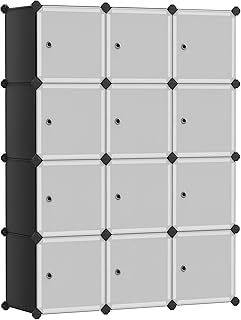


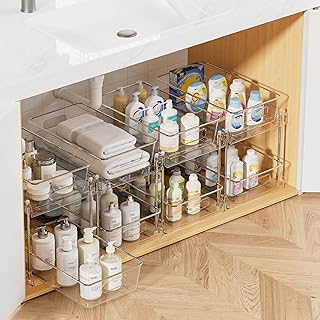
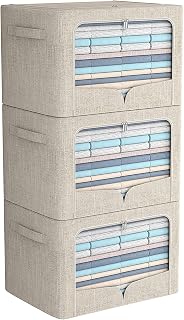


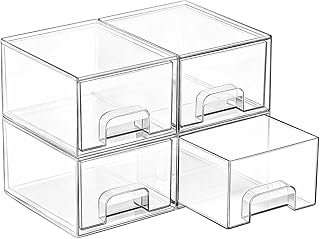


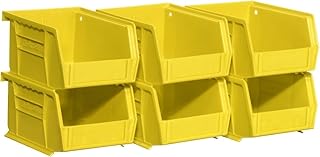
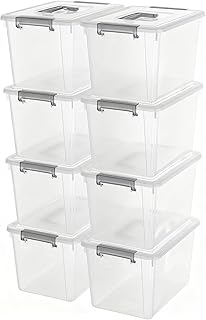


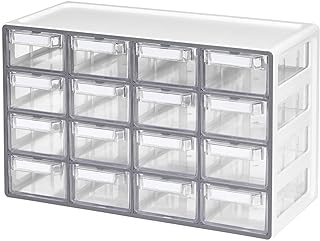


Choosing storage accessories is less about buying the largest container or the most attractive organizer and more about matching the product to the space, items and frequency of use. A well-designed storage solution can make a small Canadian apartment easier to manage, improve accessibility in a garage or basement, and reduce wasted cabinet, closet or under-bed space.
For shoppers comparing storage accessories in Canada in 2026, the most useful approach is to evaluate capacity, dimensions, materials, access, installation requirements and long-term practicality before comparing prices. Products from established brands such as Rubbermaid, Sterilite, ClosetMaid, IKEA and Elfa can provide useful reference points, but the right choice depends on the specific storage problem.
Start by identifying what needs to be stored and where it will be kept. Clothing, seasonal decorations, tools, pantry supplies, documents and children's items all require different storage characteristics.
Dimensions are among the most important specifications when purchasing storage products online. A container that appears compact in photographs may be too large for a particular shelf, cabinet or closet.
Measure the available area before ordering. Check width, depth and height, and remember to account for doors, drawers and surrounding furniture. For stackable products, also consider the total height after several units are placed together.
Capacity should match the items being stored rather than simply being as large as possible. Oversized containers can become difficult to move when filled, while very small organizers may require too many individual units.
For heavier possessions, consider how much weight the container, shelf or organizer is designed to handle. Capacity claims should always be interpreted alongside the manufacturer's stated specifications.
Common materials include plastic, fabric, metal, wire and engineered wood. Each has practical advantages.
A lid can protect contents from dust and make stacking easier, but it can also slow access to frequently used items. For seasonal storage, closed containers can be practical. For everyday items, open baskets, drawers or accessible bins may be more convenient.
Stackable storage can make better use of vertical space. However, stacking works best when containers have stable bases, compatible dimensions and secure lids or locking features where appropriate.
Do not assume that every storage bin is designed to support another filled bin. Check the product specifications before creating tall stacks.
Limited floor space makes vertical and hidden storage especially valuable. Instead of adding another large cabinet, shoppers can consider accessories that use areas already available.
The space beneath a bed can hold seasonal clothing, spare bedding, shoes and other infrequently used possessions. Look for low-profile containers that fit beneath the available clearance.
Wheels or pull handles can make access easier, especially when containers are positioned underneath a heavy bed frame. Before purchasing, measure the clearance from the floor to the lowest obstruction.
Closet accessories can divide one large storage area into smaller sections. Shelf dividers, hanging organizers, shoe racks and additional hanging space can make better use of vertical capacity.
Systems from brands such as ClosetMaid and Elfa illustrate the importance of modularity. When comparing similar products, check whether components can be adjusted or expanded if your storage needs change.
Drawer dividers are useful for small household items that otherwise become mixed together. Adjustable designs can be particularly useful because drawer dimensions vary considerably.
For kitchen drawers, consider organizers that are easy to remove and clean. For offices, compartment sizes should correspond with pens, stationery, cables or other frequently used items.
Doors provide additional vertical space without occupying much floor area. Over-the-door organizers can be useful for accessories, cleaning products, shoes and lightweight household items.
Check the door thickness and available clearance before buying. The organizer should not interfere with the door frame, hinges or adjacent furniture.
Garage and workshop storage requires a different approach from bedroom organization. Tools, hardware and equipment may be heavier, larger and more frequently handled.
Durable plastic storage bins are commonly used for tools, automotive accessories, camping equipment and seasonal possessions. A reinforced design and secure lid can be useful where containers will be moved regularly.
Rubbermaid and Sterilite are established names worth comparing when evaluating household and utility storage products. Always compare the exact model's dimensions, construction and stated capacity rather than relying solely on the brand name.
Screws, fasteners, drill accessories and other small components are easier to manage when separated into clearly identifiable compartments. Transparent drawers or compartment boxes can make frequently used parts easier to locate.
For a workshop, organization should also consider workflow. Items used together should ideally be stored near one another, while rarely used equipment can occupy less accessible space.
Wall-mounted storage can free valuable floor space. Pegboards, rails, hooks and modular panels can provide flexible locations for tools and accessories.
Before installing wall storage, verify the mounting method, wall construction, hardware requirements and load specifications. Installation requirements can differ significantly between drywall, concrete, wood and other surfaces.
Kitchen storage should improve access without making everyday tasks more complicated. A useful organizer allows frequently used items to remain visible or easy to reach.
Clear bins can group similar products and make shelves easier to manage. They can be useful for packaged foods, baking supplies and smaller pantry items.
Measure shelf depth before purchasing. A bin that extends too far forward can obstruct cabinet doors, while one that is too narrow may waste available space.
Shelf risers create an additional level inside cabinets and cupboards. They are particularly useful when there is unused vertical space above plates, cups, jars or other items.
Pull-out organizers can improve access to items stored at the rear of deep cabinets. When comparing these products, pay attention to installation dimensions, mounting hardware, load limits and whether the mechanism is designed for the intended cabinet.
Plastic is popular because it is lightweight, washable and available in many shapes and sizes. For long-term storage, shoppers should examine lid quality, wall thickness, handles and the stated intended use.
Fabric cubes and soft containers can work well on open shelving and inside wardrobes. They are lightweight and can be easier to fold or relocate than rigid boxes. However, they may not be the best option for heavy or moisture-sensitive storage.
Metal organizers can provide rigidity for tools, utility areas and certain closet applications. Check for appropriate coatings or finishes when the product will be used in an environment where moisture may be present.
Canadian households often need dedicated space for possessions that are used only during particular parts of the year. Winter clothing, holiday decorations, outdoor equipment and camping supplies can quickly consume valuable storage space.
For seasonal items, prioritize protection, identification and efficient stacking. Labels can reduce the need to open multiple containers when searching for a particular item. Transparent containers can also improve visibility, although opaque containers may be preferable for some light-sensitive or appearance-sensitive contents.
Clothing storage requires consideration of fabric type, frequency of use and available ventilation. Hanging organizers can add compartments to closets, while fabric cubes can separate folded garments.
Shoes benefit from storage that keeps pairs together and prevents them from occupying unnecessary floor space. For boots and larger footwear, check the organizer's compartment dimensions before buying.
For bedding and towels, larger containers can be more practical than numerous small boxes. However, avoid filling large containers beyond a manageable carrying weight.
This is one of the easiest mistakes to make. Product photographs rarely communicate scale accurately. Always compare the listed dimensions with the exact location where the accessory will be installed or stored.
A storage product may look strong enough for heavy objects but still have a lower recommended capacity. Check the manufacturer's specifications before storing tools, books, equipment or other dense items.
Attractive baskets and organizers can improve the appearance of a room, but appearance should not replace practical considerations. Think about access, cleaning, capacity and durability first.
Small organizers can create unnecessary complexity when used for large collections of similar items. Before buying multiple units, consider whether fewer larger containers would be easier to label, move and maintain.
A storage system that is completely full from day one leaves no room for change. Modular or adjustable products can be useful when the quantity or type of stored items is likely to change.
Online shopping makes it possible to compare many storage accessories quickly, but product pages should be examined carefully.
Multipacks can appear economical, but the number of pieces is not the only factor worth considering. A ten-piece set is not automatically better value than a four-piece set if several units are unsuitable for your available space.
Compare the total usable capacity, individual dimensions, material, lid design and intended purpose. Sets are most useful when the individual pieces fit a consistent storage system.
Standalone organizers are usually straightforward to use and can be moved from one location to another. Modular systems can provide greater flexibility when storage requirements are expected to evolve.
Choose modular storage when expandability, adjustable components or consistent organization across a room is important. Choose standalone products when you need a simple solution for a specific storage problem.
The lowest purchase price does not necessarily represent the best value. A product that breaks, does not fit the intended space or is difficult to access may need to be replaced.
A better comparison considers expected use, construction, capacity, dimensions and convenience. For frequently handled storage, spending more on a better-designed product may make practical sense. For rarely accessed seasonal items, a straightforward container may be sufficient.
When shopping in Canada, consider the environment in which the product will be used. A storage solution for a heated bedroom may have different requirements from one intended for a garage, basement, shed or utility area.
Temperature, humidity, dust and exposure to moisture can affect the suitability of certain materials and designs. Follow the manufacturer's intended-use guidance, particularly when storing possessions for extended periods.
Storage products also require occasional maintenance. Dust can accumulate on open shelves, baskets and containers, while kitchen and garage organizers may require more frequent cleaning.
Brand recognition can be useful as a starting point, but the exact product specification should always take priority.
Availability, specifications and pricing can change. Before purchasing, verify the current product details and compare the exact model rather than assuming that every item from a particular brand has the same characteristics.
Products that use vertical, hidden or otherwise unused areas are often practical for small spaces. Under-bed containers, hanging organizers, door-mounted storage, stackable bins and adjustable drawer organizers are common options.
Neither is universally better. Plastic can be useful when easy cleaning and rigid protection are priorities, while fabric can work well for lightweight clothing and soft goods. The best choice depends on the environment and contents.
Lids can help protect contents from dust and can make stacking easier. However, open storage may be more convenient for items that are accessed frequently.
Check dimensions, capacity, material, weight limits, included components, installation requirements and intended use. Customer feedback can provide additional information about practical usability, but the manufacturer's specifications should remain the primary reference for technical details.
They can be useful when storage needs are likely to change. Adjustable shelves, interchangeable components and expandable systems can provide more flexibility than a fixed organizer.
Start with the environment and the weight of the contents. Durable containers, appropriate shelving and clearly organized compartments can be useful. For areas exposed to unusual temperature or moisture conditions, check the manufacturer's suitability guidance before storing sensitive items.
The appropriate choice depends on available space and the clothing involved. Under-bed containers, larger lidded bins and wardrobe organizers can all work. Choose a format that provides sufficient capacity without making the stored clothing excessively difficult to access.
Measure the available space in three dimensions and compare those measurements with the product's listed dimensions. Also account for door openings, drawer movement, handles and surrounding objects.
The best storage accessory is the one that solves a specific organization problem without creating another one. Before choosing a product, define the space, measure it accurately, identify the items being stored and decide how often they need to be accessed.
Then compare materials, dimensions, capacity, weight limits, construction and usability. Established brands such as Rubbermaid, Sterilite, ClosetMaid, IKEA and Elfa can provide useful options for comparison, but individual product specifications matter more than brand recognition alone.
For shoppers comparing the best smart buy storage accessories in Canada in 2026, a careful specification-based approach is more reliable than choosing solely by appearance, discount percentage or the number of pieces included. Check current retailer information, compare verified customer feedback and select the product that provides the right combination of fit, accessibility, durability and value for your particular storage needs.